Religion
From Impurity to Violence
Declaring a living being najis in jurisprudential literature means deeming it inherently polluted and requiring its exclusion; placing dogs in the same category as blood and excrement makes violence against them an inevitable outcome, reducing the distance between impurity and repression to 'less than a hair's breadth.'
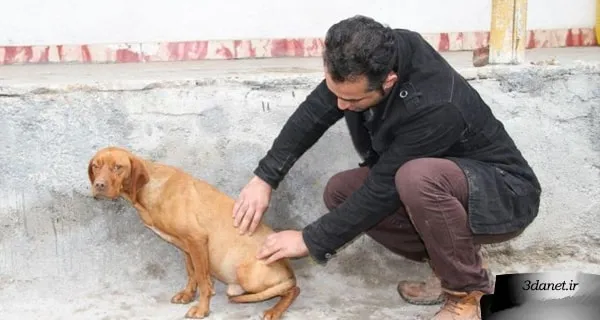

Behnam Khodapanah
AuthorA few days ago I was reading a piece by Mr. Hassan Eslami on this subject, in which he argued that there is no connection between the concept of the impurity (najāsat) of dogs and the violence that is inflicted upon these oppressed animals in various ways in our society these days (this piece). While I greatly respect his ethical concerns and share much empathy with him on many issues, I cannot agree with the main claim of his article. According to his argument, "those who behave savagely toward dogs, alongside numerous other reasons, sometimes point to their impurity and conclude that their behavior is justified. Therefore, two points must be addressed: one is the impurity of dogs, and the other is the permissibility of violent behavior toward dogs because of their impurity. Logically, there is no connection between these two issues; nevertheless, they follow one another so closely that many people believe the impurity of dogs is a good reason for behaving savagely toward them."
My intention here is to show that, on the contrary, there is a logical connection between the concept of deeming a living being impure and perpetrating violence against it. I will try to demonstrate my point step by step, by scrutinizing the jurisprudential concepts on this matter:
1_ The Concept of Impure (Najis): The term najis, in jurisprudential terminology, refers to things that are not pure or clean (ṭāhir) from a religious-legal perspective. In other words, there is a difference between being impure and being contaminated. In fact, to use philosophical expressions, that which is deemed najis possesses a kind of ontological contamination, meaning the very essence of that thing, or the thing in itself, inherently possesses a kind of theological [jurisprudential] contamination. Something that perhaps cannot even be purified by washing, just as the ten categories of impurities (najāsāt), according to Shiite jurisprudence, are.
2_ Instances of Impurities: According to the predominant view among Shiite jurists, there are ten things that are "inherently impure (ʿayn al-najāsah)," meaning their essence is contaminated, in such a way that this contamination can never be removed from them. Blood, urine, feces, semen, carrion, dog, pig, infidel (kāfir), wine, beer.
3_ Rulings on Impurities: While that which has become impure (mutanajjis) can be purified under certain conditions—for example, a garment stained with blood can be purified by washing the blood from it—those things that are inherently impure can under no circumstances be purified. In other words, whatever you do to blood, blood in and of itself can never be purified. Regarding things that become mutanajjis through contact with these instances of impurity, in the jurists' terminology, only by removing the impurity from them, sometimes through specific rituals, can that thing be cleansed of impurity.
4_ From Impurity to Violence: As we have seen, the dog, the pig, the infidel, feces, urine, and so forth are all placed in the same category from the standpoint of jurisprudence and the ruling of ritual purity: they are all intrinsically impure and polluted, such that no conditions can be imagined under which they could be pure. Indeed, according to jurisprudential literature, pure blood or a pure dog appears to be a contradiction in terms. The infidel, too, so long as he remains an infidel—that is, does not believe in religious principles and doctrines—is intrinsically impure and must always be avoided and shunned. In a general statement, according to jurisprudential literature, whatever is called impure must be “removed” (like blood, urine, or feces on clothing), “expelled,” “isolated,” and even “eliminated” (like infidels). While this attitude may not be problematic regarding matters such as urine, feces, and blood, as soon as a living creature is characterized by the attribute of impurity and called intrinsically impure, the “removal,” “expulsion,” and “isolation” of that creature—in other words, excluding them from the sphere of the believer’s and the believers’ life relations—will lead to their suppression and elimination. If the suppression of urine, feces, and blood is meaningless due to their being deemed lowly and vile, once living creatures enter the picture, this existential and ontological baseness and vileness inherent in their nature will inevitably result in removal, expulsion, elimination, and, in other words, suppression. Thus, what is deemed impure is considered to possess the lowest and most abject levels of existence, and in this way, violence emerges as the inescapable consequence of this viewpoint. Calling living beings such as dogs and pigs impure, and equating these creatures with urine and feces, itself clearly demonstrates what status these beings hold in the jurisprudential cosmology. The distance from impurity to violence and suppression appears to be less than a hair’s breadth.
.



Discussion3 comments
اگر گزاره ایشان درست باشد باید بیشترین خشونت از جناب متدینین باشد ولی کسانی که با خشونت با حیوانات رفتار میکنند معمولا زیاد پایبند اصول و دستورات دینی به صورت غلیظ نیستند. زیرا در اسلام و طبق فتوای مراجع تقلید حتی شکار م اگر تفریحی باشد حرام است مگر اینکه برای تامین معاش باشد
من فکر می کنم که مشکل نه در نجس خواندن این موجودات بلکه در تلقی نادرست از مفهوم طهارت و نجاست است. چند موضوع را باید در رابطه با طهارت و نجاست فقهی در نظر گرفت.اول اینکه این نسبت ها کاملا اعتباری است و به هیچ رو ارزش گذاری حقیقی با ذاتی محسوب نمی شوند.خون گر چه نجس است اما حیات بدون آن هم ممکن نیست و تعبیر ((عین ذات آن نجس است)) تنها به این امر دلالت دارد که نجس بودن به جزء یا وضع خاصی از آن دلالت ندارد،نه اینکه چیز پلشتی در ذات آن وجود دارد. دیگر اینکه هیچ لزوم ندارد همواره از این نجاسات دوری کرد و یا آنها را دفع و پاک نمود.اینها نیز بخشی از طبیعت و هستی اند و تنها در هنگام عبادات آن هم با شرایطی باید از آنها پاک بود.در سایر موارد همچین لزومی وجود ندارد. اما یک نکتۀ مهم این است که در تلقی عوامانه از دین،احکام فقهی به چیزی بیشتر از آنچه که برای آن وضع شده اند حمل می شوند و دایرۀ شمول آنها و ارجاعشان گسترده تر از آن چه می شود که از نظر شرع قابل برداشت است. یکی از دلایل این مسئله کمبود دانش، وزن گرفتن فقه بیش از جایگاه واقعی آن و کم توجهی به سایر منابع معرفتی دینی مثل اخلاق است.این نتکه را به اندازۀ کافی دیگرانی مورد تاکید قرار داده اند.دلایل این سنگین شدن نگاه فقهی در حوزۀ دین به ویژه پس از قرن دهم هجری قابل بررسی است. آنچه که مشهود است این است که در قرآن کتاب آسمانی مسلمانان و معتبر ترین متن دینی ایشان در چند جایگاه به حیوان سگ اشاره شده.حداقل در دو مود این اشاره ها همراه با بار مثبت اند.یکی سگ اصحاب کهف است که به دلیل یاری دادن انسان ها جایگاهی در حد انسان پیدا می کند و دیگری آیات سورۀ بقره که شکار با سگان شکاری حلال شمرده شده و حتی از آن به عنوان نعمت یاد شده است. تاکید بر چنین مواردی و همچنین توجه به اینکه که در اخلاق اسلامی آزار جانوران مصداق ظلم و به هر شکلی مطلقا باطل است، می تواند به جلوگیری از حیوان آزاری کمک کند. نباید فراموش کرد که در همین جامعه مردم آزاری یا کودک آزاری هم انجام می شود و شاید باید ریشه های خشونت ورزی را در جاهای دیگری نیز جست و جو کرد.
متاسفانه نویسنده پیش از اینکه بفهمد معنی «رابطهی منطقی» چیست دست به قلم برده و وقت خواننده را تلف کرده و موجب شوتفاهم شده است. هیچ نوع رابطهی منطقیای بین نجاست و خشونت نیست و نویسنده هم نه تحلیل مفهومیای انجام داده و نه به ما گفته چزا. و دیگر نکته اینکه آیا کسی به مدفوع و ادرار و خون خشونت میکند؟ ندیدهام چنین چیزی. صرف نجاست پس کسی را ترغیب به خشونت نمیکند. هیچ نوع ضرورتی بین نجس پنداری سگ و خشونت بر او وجود ندارد. ولی در دنیای واقع ممکن است باور به نجس بودن سگ دلیل بر خشونت یا دوری از سگ باشد. در اینصورت باید به آن افراد فهماند که نجس بودن سگ دلیل بر خشونت نیست و باورشان را اصلاح کرد نه اینکه تلاش کرد نجاست را زیر سوال برد.