Political Science
Hossein Dabbagh's Article 'The Hamas-Israel War: An Ethical Analysis'
The Israel–Hamas war is a clash of victimhood and justice narratives, where the concept of “innocence” and the distinction between combatant and civilian are being challenged. Hossein Dabbagh shows how rejecting this distinction threatens the moral foundations of international humanitarian law.
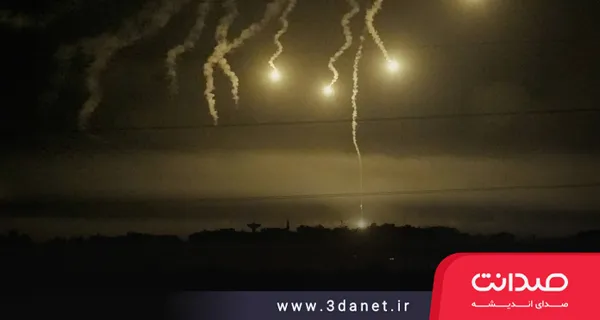
The Hamas-Israel War: An Ethical Analysis
Hossein Dabbagh
*For the Blog of the American Philosophical Association
Providing a comprehensive analysis of the protracted war and conflict between Israel and Hamas entails considering historical and political factors alongside philosophical and ethical considerations. The eruption of overt violence from both sides traces back to fundamental disagreements over the nature of justice and the state, the legitimacy of resistance against occupation, and, perhaps most importantly, the concept of "victimhood."
Hamas views Palestinians as victims of colonial oppression and considers its violent resistance as a justified means of confrontation. In contrast, Israel also sees Jews as victims of historical, systematic persecution, thereby justifying its illegal occupation and territorial expansion.
International humanitarian law provides a reasonable framework for evaluating the conduct of parties involved in war. While this framework offers a legal basis for assessing hostilities, an ethical examination reveals important truths. Wars not only expose countless atrocities and claim many innocent victims, but they also victimize certain important moral concepts. One such concept that is generally overlooked amidst wars is the concept of "innocence."
Wars often arise from deep-rooted disputes, differing ideologies, or territorial disagreements; yet, international humanitarian law strives, amidst all differences, to affirm the universality of human dignity and the intrinsic value of the human being, maintaining a thread of common humanity between the two warring parties. This common bond becomes even more important during hostilities when, under this framework, the distinction between combatants and non-combatants is taken seriously. This distinction is more than a mere strategic or tactical matter; it is a moral claim that affirms the "innocence" of those not directly participating in hostilities and emphasizes their moral and legal right. But is there a clear conception of who is innocent?
Analyzing the concept of "innocence" and delineating its instances in war is a profound philosophical challenge. This challenge becomes even more serious when figures like Osama bin Laden state that participating in elections and voting can make an individual complicit in crime and thus remove them from being "innocent." In his open letter to the American people (2002), bin Laden argues that by electing their central government, the American people support Israel's oppression of Palestinians, the occupation of their land, and the continuous killing, torture, punishment, and expulsion of Palestinians, and for this reason, they are not absolved of all the crimes committed by Americans and Jews against Muslims. In another sense, it is as if individuals, by participating in elections, can become legitimate military targets.
Osama bin Laden is not alone in this interpretation. Rabbi David Kirshner (2014), former president of the New York Board of Rabbis, similarly denies the innocence of Palestinian citizens killed by Israeli forces. He instead claims that they are legitimate military targets because, through an electoral process, they aligned themselves with a "terrorist organization," namely Hamas.
Since October of this year, the conflict between Israel and Hamas has escalated significantly, resulting in the loss of many innocent Israeli and Palestinian lives. The regrettable point is that the flawed discourse mentioned above continues to resonate among the political leaders of Israel and Hamas and is heard from both sides of the conflict.
Figures like Khaled Mashal, the former leader of Hamas, and Israeli President Isaac Herzog have recently further muddied the principle of distinction in international humanitarian law by declaring bizarre positions. Khaled Mashal had said that both soldiers and civilians in Israel are our enemies, and Herzog had said that the entire population of Gaza is complicit with Hamas!
When such figures negate the distinction between civilians and combatants, the philosophical foundation of innocence is profoundly endangered. These statements challenge the moral underpinnings of international humanitarian law. Where the distinction between combatant and non-combatant collapses, how can one speak of the innocence of some? Is the description that "individuals not engaged in conflict are considered innocent" not sufficient to denote innocence? What about the description that "innocent individuals are those who do not inflict harm"? Are Palestinian children who throw stones at Israeli tanks considered "combatants" and not innocent? The capacity to inflict "harm" can be interpreted in a dangerously ambiguous way, and Israeli officials appear to exploit this to justify actions such as targeting civilians.
This position, that entire communities or nations can be deemed complicit based on the actions of a few, is incompatible with our basic intuitions of moral justice. These broad generalizations erode the moral fabric of the international community and destroy trust and confidence in legal and moral authorities.
By adhering to international humanitarian law, the conflicting parties essentially affirm the inherent value and dignity of every individual, even amidst hostility. This does not mean that following the legal rules of war is the only solution, but it can be effective as a basis for acting on our moral obligations in the midst of war. For Israel and Hamas, steeped in historical mistrust and hostilities, a reassessment of the concept of innocence through the moral underpinnings of international humanitarian law offers a path forward, emphasizing the necessity of distinguishing between combatants and civilians based on an ethical framework.
It should not be forgotten that our commitments to international human rights law can quickly erode in times of hostility and despair. Our cognitive biases and tribal prejudices emerge when facing crises, allowing our primal instincts to prevail. International humanitarian law can be considered a "corrective measure" to formalize and reaffirm our commitment to human rights.
.
.
Who Is Innocent? Thinking Morally Amidst the War Between Israel and Hamas
The conflict between Israel and Hamas embodies a complex interplay of historical and political factors alongside philosophical and ethical considerations. The visible manifestations of violence are underpinned by profound disagreements on the nature of justice, the essence of statehood, the legitimacy of resistance versus occupation, and the notion of victimhood. Hamas views Palestinians as victims of colonial oppression, justifying their violent resistance as a means of opposition. Conversely, Israel perceives itself as a victim too, justifying its illegal occupation and territorial expansion.
Through the prism of war ethics, International Humanitarian Law (IHL) offers a framework for evaluating the conduct of both parties. While IHL provides a legal framework for assessing hostilities, ethical scrutiny within this framework unveils deeper truths. It reveals that wars not only manifest in visible atrocities but also initiate a sphere of conceptual disruption, with the idea of “innocence” being significantly impacted among various concepts. Yet, there’s potential that an ethical exploration through IHL can elucidate the nuanced facets of innocence, thereby facilitating a more informed navigation of war ethics.
On the surface, IHL may seem merely a legalistic framework delineating the dos and don’ts of warfare, often perceived as a codified list attempting to instill order in the inherently chaotic realm of armed conflicts. However, delving into its foundational principles reveals IHL to be a profound embodiment of human values and ethics. IHL resonates with the universality of human dignity and the sanctity of life. Wars often arise from deep-rooted disagreements, divergent ideologies, or territorial disputes, yet IHL presents a counter-narrative: amidst these divisions, there lies a strong thread of shared humanity that binds us all. This common bond becomes especially poignant in adversity, suggesting that even in confrontations, an unarticulated recognition of mutual respect and value persists. This is not to argue that IHL is the sole or even the primary vehicle for such ethical reflections, but that it serves as a formal expression of deeper ethical commitments intrinsic to our shared humanity.
This inherent value of human life prompts the critical distinctions outlined in IHL. The distinction between combatants and non-combatants extends beyond a mere strategic or tactical classification; it is an ethical assertion that acknowledges the “innocence” of those not directly participating in hostilities, emphasizing their moral and legal right to protection. By doing so, it urges the actors of war to rise above their immediate objectives and recognize the broader moral landscape in which they operate. Yet, does a clear understanding of what constitutes innocence exist?
The idea of “innocence” in the war presents a profound philosophical challenge. War disrupts our intuitive moral compass, blurring the delineation between complicit and innocent. This murkiness becomes evident when figures like Osama bin Laden suggest that electoral choices render one complicit, thereby “not innocent.” In his “Letter to America” (2002), bin Laden, the founder of Al-Qaeda, writes that,
The American people have chosen, consented to, and affirmed their support for the Israeli oppression of the Palestinians, the occupation of their land, and its continuous killing, torture, punishment and expulsion of the Palestinians. … This is why the American people cannot be innocent of all the crimes committed by the Americans and Jews against us.
This claim is utterly wrong. It is both logically and conceptually incorrect. Voting certainly shouldn’t make someone a legitimate target.
However, Osama bin Laden is not alone in this interpretation. Rabbi David-Seth Kirshner (2014), former president of the New York Board of Rabbis, similarly denies that ordinary Palestinians killed by Israeli forces are innocent. He claims instead that they are combatants and legitimate targets because, through an election process, they aligned themselves with a “terrorist organization,” i.e., Hamas:
When you are part of an election process that asks for a terrorist organization which proclaims in word and in deed that their primary objective is to destroy their neighboring country and not to build schools or commerce or jobs, you are complicit and you are not a civilian casualty.
This position profoundly challenges traditional philosophical understandings of agency, culpability, and responsibility. When someone suggests that mere residence in Hamas-influenced areas removes one’s cloak of innocence, they’re not just making a political statement, but are grappling with deep-seated ethical paradigms.
As of 2023, the conflict between Israel and Hamas has escalated significantly. The ongoing hostilities have resulted in the loss of many innocent Israeli and Palestinian lives thus far. Despite these developments, the above discourse remains fraught, resonating from both sides of the conflict and even further complicated by statements from figures like Khaled Meshaal, the former Hamas leader, and Israel’s President Isaac Herzog, who recently blurred the IHL traditional distinction by labeling both combatants and non-combatants as enemies and casting the entire population of Gaza as complicit, respectively. When such figures negate the distinction between civilians and combatants, the philosophical underpinnings of innocence are jeopardized. These utterances not only challenge the foundational ethos of IHL but propel us into a profound philosophical inquiry: What constitutes innocence in a landscape where the required distinction is disintegrated? Are “harmless” or “not engaged in the business of war” insufficient descriptors to imply innocence? Are Palestinian children who throw stones at Israeli tanks considered ‘combatants’? An ability to cause ‘harm’ might be dangerously ambiguous in terms of extent, and Israeli authorities seem to exploit this to justify actions that others—by IHL—might characterize as targeting civilians. The situation reflects a wider ideological clash that extends beyond the immediate conflict, delving into identity, statehood, and existential struggle. Nonetheless, there is a pressing need for comprehensive education on war ethics for politicians, commanders, combatants, and other involved parties.
Claims of this nature, particularly when contrasted with conventional war ethics, highlight the complex and often contentious interplay between collective and individual responsibilities. This tension becomes notably amplified in large-scale conflicts, where the actions of a few can resonate broadly. Moreover, in an era of globalization, where actions often have repercussions transcending borders, the notion of innocence becomes increasingly complex. When a nation or group engages in acts perceived as aggressive or unjust, to what degree can its citizens be held morally accountable, especially when they may have had no direct involvement or even awareness of such decisions?
The position that entire communities or nations can be deemed complicit based on the actions of a few undermines moral justice by oversimplifying the multifaceted nature of human societies, where dissent, diversity of opinion, and varying levels of political engagement coexist. To hold all accountable is to disregard these nuances and to venture down a path that can readily justify widespread harm under the guise of retribution. Although one might argue that individuals, by virtue of their political or social affiliations, share in the collective responsibility for the actions of their communities, a more nuanced approach, recognizing the moral agency of individuals, aligns better with the ethical foundations of IHL, promoting a more just assessment of innocence and culpability in conflict settings.
War blurs the line between complicity and innocence. Philosophical introspection compels us to evaluate these terms beyond their superficial understanding. Blanket attributions of culpability, often leading to collective punishment, undermine the essence of individual responsibility and moral agency. When we suggest that entire communities or nations can be deemed complicit based on the actions of a few, we overlook the multifaceted nature of human societies. To say that such blanket attributions undermine the essence of moral justice is to argue that it denies the complex interplay of individual and collective responsibilities inherent in human societies. It’s essential to understand that these broad generalizations erode the moral fabric of society. Treating individuals as moral agents, capable of independent thought and action, rather than mere extensions of their affiliations or geographies, upholds the very essence of moral justice by recognizing their capacity for moral agency.
By adhering to IHL, parties in conflict fundamentally affirm every individual’s inherent worth and dignity, even amidst hostility. This doesn’t mean that IHL is the sole solution, but it does act as a bridge between the ethical commitments we hold and their expression in the midst of conflict. For entities like Israel and Hamas, mired in mistrust and historical animosities, re-evaluating the understanding of innocence through the ethical underpinnings of IHL presents a path forward, emphasizing the imperative of distinguishing between combatants and non-combatants based on a more nuanced moral framework.
Embracing IHL can serve as a catalyst for negotiation and the exploration of shared truths. Through genuine dialogue, adversaries can discover common ground, shared aspirations and perhaps a route to enduring peace. Highlighting this point is essential, as our commitments to IHL can rapidly erode in times of desperation. Our cognitive biases and tribal prejudices emerge when faced with crises (e.g., 9/11, and recent attacks in Israel), allowing our primal instincts to prevail. IHL can be viewed as a corrective measure to formalize and reaffirm our dedication to human rights and dignity.

Discussion4 comments
سانسور واقعیات ضد فلسفه ناموفق در تبیین کوچکترین nuances of meaning در جوامع south communities و ناتوانی اسایتد دانشگاه در مشاهده، درک و همچنین وحشت جامعه تحصیل کرده این کشورها از دست گذاردن بر نقد دو phenomenon تصویر کاذبی است که از اندیشه میراث دار یونانی در کشورهای غیر غربی ارائه شده و میشود. 1.سانسور distortion تحریف تصویر فلسفه غرب در ایران و یا غلو کردن در مورد برخی جنبهها و مؤلفههای ضد مسائلی خاص و مشهور در جهت پیش بردن professionalism منافع تحصیل کردههای غالبا ناموفق در دانشگاههای غرب را حتا برخی از خود متعصبین و advance gaurd ها و avante gaurds های مسخ شده دانشگاههی غربی ذکر کردهاند. 2.وحشت و ناتوانی در پیش تر رفتن از فلسفه موجود نظر به میزان اعتبار این افراد در جهان مشخص می کند که تفاوت بنیادی میان تصویری که از خود در کشورهای مبدع نشان می دهند و تصوری که دانشجویان از آنان دارند و بی تأثیری که در سطح استاندارد و معمول یک اندیشمند در مقیاس جهانی است. توجه به افرادی که توان نگاشتن یک مقاله و یا رساله خود را نداشتند و بعضا ندارند در کشور ایران و تصوری که از آنان در ایران میشود بعضا مضحک است. دانشجوی ایرانی چه تصوری از فردی مانند یسیاری ازافراد به شهرت رسیده دارد و ایشان برای نوشتن دو خط original به چه کسانی که نباید رجوع کند.
به ارزش داوری نوشته آقای دباغ نمی پردازم. به نکته دیگری اشاره می کنم. آیا ما متن را همانگونه که هست می خوانیم یا آنطور که دوست داریم. آیا متن را می خوانیم و قضاوت می کنیم یا صاحب متن را؟ آقای امیر خوش انصاف، آیا در متن "هم دستی مردم غزه با حماس" نتیجه گرفته شده؟ آیا به کارگیری چند اصطلاح انگیسی نوشته شما را معتبر کرده؟ آیا جای استدلال را گرفته یا صرفا خواسته اید بگویید بسیار مطلع و با سواد هستید. نه بزرگوار. انکه می نویسد و نظرش را صریح بیان می کند حتی اگر برخطا باشد خطر نیست. زیرا خود را در معرض نقد قرار داده. رویکرد سلبی امثال شما خطرناک است که نوشته را تحریف می کند، ذهن خوانی می کند، پیش داوری درباره شخصیت نویسنده می کند، با چند اصطلاح خواننده را فریب می دهد و تلاش دارد تا حرف خود را نه در قالب استدلال بلکه تنها با نفی سخن دیگری به کرسی بنشاند. بهتر بود شفاف و بی تکلف ابتدا سخن (و نه صاحب سخن) را نقد می کردید و نظر خود را نیز هرچند کوتاه در قالب چند خط بیان می کردید.
امیدی به تغییر جامعه فلسفی (اندیشمند، تحصیلکرده، نوگرای، امروزی، معتبر، همیشه شیک و قابل احترام، همیشه برحق و دارای نگاه همیشه منفی به خود و همیشه همراه hyperbole و تأیید مطلق هر چه غیر ایرانیاست) ایران و این که شاید روزی حتی یک نکته در نقد خود بپذیرند ندارم. اما این جا با این نویسنده میخواهم موافقت کنم. شاید لحظهای تردید در مورد تصویری idealizeشده از فلسفه غرب در ذهن ایجاد کنم. Absolutely. I am not authentic because I apply Western Lexus, . Ottaboy! The American language does not carry weight. In the same way, American thinking, American philosophy does not bring authenticity. That's exactly the point Iranians should open their eyes on. Philosophy is not reflective or reliable because it comes out of American publications. Now, would you listen up to your own people without prejudice? or they should quote Kant and Rawls to get a hearing?
آقای حسن دباغ هم مانند پدر و برادر خود، راه تأیید حامیت دانشگاهیی جهانی را برگزیدند. این در متن از هم دستی مردم غزه با حماس سخن گفته اند! آن هم بدون اشاره به قصابی مردم به وسیله the Establishment قدرت جهانی حاکم یهودی در طول هفتاد سال قساوت! ایشان از حقوق بشر به عنوان داشته ای انسانی نام برده اند. بله، رشوه حاکمان خطاکار professionalism دانشگاه به عنوان محل درآمد و جلب توجه و به دست آوردن social acceptance و place جاه و مقام به خودفروخته دانشگاهی اعطای جایگاه و شأن است. دانشگاهی حقوق بشر را تطهیر می کند و دانشگاه به تو توجه و اقبال اجتماعی undeserved می دهد. conservatism دانشگاهی راهی که همه متظاهرین فلسفه می روند.