Sociology
In Praise of Despair
An essentialist view of the Iranian character, by ignoring positive social actions, shows only the dark half of reality and leads to the glorification of despair. Hope is the child of realism and of seeing the black and the white simultaneously.
“I am afraid of the Iranian people”; this was the title of a short text that circulated so widely on Telegram that I received it from dozens of people within 24 hours. The content of the text was apparently attributed to an educated individual. With short sentences, the text depicted instances of unethical behavior by Iranians: from the overpricing of bread during the siege of northern cities in last year’s snow to the overpricing of containers after the Kermanshah earthquake; from the increase in taxi fares during the recent snow to the “brazen theft” of a blind person’s money in Tehran. After recounting these few examples, the author of the text arrives at the comparison section, a comparison between Iran and the “Western other”: from the humanity of the Japanese during the Fukushima reactor disaster and their sacrifice to save others, to the free transport of New Yorkers by American taxi drivers on the day of the September 11th incident. The final part is a predictable and familiar conclusion: fear and shame at the disposition of today’s Iranians. The book Sociology of Ourselves has been reprinted more than 50 times. The content of the book—which is in no way sociological!—is a kind of indictment and shame-writing about the dispositions of Iranians. A kind of self-reproach chronicle. Words that mirror the author’s shame at today’s Iranians. A book titled How Good We Are also reaches multiple printings in a short time. The content of this book is the same expression of reproach and regret at the disposition of Iranians. I look at the university and the humanities: the publication of books and the conducting of research that, by granting official status to a kind of disposition-centered view, depict a transhistorical essence for Iranians. As if the Iranian “we” possesses characteristics that, over the course of history, after many ups and downs, have become so fixed in them as to be hardly changeable. These texts, consciously and unconsciously, present an image whose dark half is practically no longer a half but something akin to the entire picture. A more academic expression of that same widespread social feeling of shame. Society welcomes seeing this image. As if it hates itself. It loathes what it is. It soothes itself through reading, writing, and promoting these texts. It displays its dissatisfaction with itself. In the university and the humanities, the “disposition-centered” genre is becoming a recognized and established genre. In society, it is enough to start your conversation with these propositions: “This is no country where…”, “It has no owner, otherwise…”, “Nowhere in the world is it like this that…”, “The Iranian lot…”, “I have a brother-in-law who lives in America and he says…” and you will see how everyone takes to what you say and confirms it.
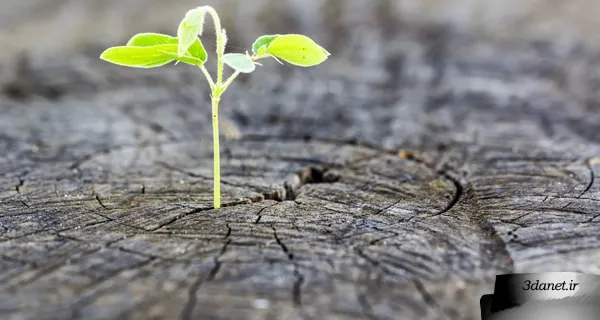
اما آیا تصویر واقعی است؟ نقطه اشتراک این متنها و بیانها چیست؟ چرا تا این حد به این متنها توجه میشود؟ چرا جامعه خود به شیوع آن دامن میزند؟ چرا در فضای عمومی - از مجازی تا واقعی- این قبیل متنهای ملامتگر و شرمسارانه، شیوع پیدا میکنند؟ چرا در دانشگاه، این قبیل آثار ضدجامعهشناختی در حال شیوعیافتن هستند؟ ابلق این تصاویر واقعی نیست، حداقل «تمام» واقعیت نیست. بیایید یک بار دیگر متن تلگرامی را به یاد بیاوریم: در تمامی موقعیتهایی که نویسنده تصویر میکند، حرکتهای بسیار مثبتی هم از ایرانیان دیده شده است: در همان زلزله، طبق آمارهای رسمی، حداقل یکسوم از تمامی کانکسهای اهدایی، نه از سوی دولت که از سوی مردم به شکل داوطلبانه اهدا شده است. سیل کمکهای مردمی که خود با هزار و یک مشکل اقتصادی و اجتماعی دستوپنجه نرم میکنند، جایی در این تصویر ندارد. برخوردهای انسانی مردم در جریان بحران ناشی از بارش برف، به هیچ انگاشته شده است. فداکاری چشمگیر آتشنشانان در پلاسکو و دهها واقعه دیگر، فعالیتهای خیریه، سمنهای روبهگسترش، قرضالحسنههای خانوادگی جاافتاده و خودبنیاد، کانالهای تلگرامی جذب کمکهای مالی برای یاری طردشدگان و هزارهزار رخداد روشن و ستایشبرانگیز همان ایرانیان در همان زمان و همان واقعه، به هیچ انگاشته میشود. این تصویر، روشنایی ندارد. در ژانر دانشگاهی روبهگسترش خلقوخومحور، با رویکردی «ضداجتماعی» - و نه غیراجتماعی - ما با نگاهی ذاتگرایانه روبهروییم: ایرانی و خلقوخوهایش. خلقوخوهایی که گرچه نویسندگان شاید بپذیرند که محصول زمان و مکان و ساختارهای اجتماعی است، اما چنان قوامیافته و در خلأ طرح میشوند که گویی بخشی از «ذات» ایرانی است. نگاهی جدا از ساختارهای اجتماعی و غالبا تحت تأثیر نگاه یک «دیگری» که اغلب چشمآبی و موبور یا چشمبادامی است. رویکردی که بهصورتی غریب، خواسته و ناخواسته، گفته و ناگفته، بیان دانشگاهی همان تصویر شرمسار و غیرواقعی اجتماعی است. جالبتر، بهویژه در سطح جامعه، آن است که مروجان چنین نگاهی، خود کمتر بهصورتی عملی، در پی کنشگری فعال برای تغییر آن سویه سیاهی هستند که روایت میکنند: در میان کنشگران اجتماعی، با تمامی هزینهها، کمتر میتوان این سطح از نگاه ملامتگرانه، پشیمان و شرمسار را مشاهده کرد. آنان که در وسط میدان تغییردادن ایستادهاند، امیدوارتر به نظر میرسند. نتیجه نهایی کنار هم قرارگرفتن تمامی تکههای این پازل، چه در سطح جامعه، چه در میان طبقه متوسط و چه در میان سازندگان ژانر «خلقوخو»محور، یک پیامد دارد: ستایش ناامیدی. طبیعتا با تکرار مکرر سیاهی، روشنا به حاشیه میرود. ما نه سیاهیم، نه سپید. آن دیگری موهوم «فرنگ»ی هم در واقعیت، تصویری چنین دارد: به نیک و بد عجین. امید، از خلال دیدن سپیدیها در کنار فهم سیاهیها، زاده میشود. جوانه امید، نه در سیاهی ِملامتگری محض پا میگیرد و نه در توهم ِخوببودن محض. امید، فرزند واقعبینی و آرمانگرایی است. ستایشگر ناامیدی نباشیم. «نه حقِ حقم، نه ناحق نه بدم، نه خوب مطلق سیه و سپیدم: ابلق! که به نیک و بد عجینم». (از حسین منزوی)
.
.
در ستایش ناامیدی
نویسنده: مهدی سلیمانیه . دانشجوی دکترای جامعهشناسی دانشگاه تهران
منبع: روزنامه شرق | شماره ۳۰۹۰ | ۱۳۹۶ دوشنبه ۳۰ بهمن
.
.

Discussion2 comments
به نظر من با این توضیحات نمی توان آن وجه تاریک رفتارهای غیراخلاقی ما ایرانیان را توجیه کرد.مثلا درست است که به زلزله زدگان کمک کردیم؛ اما مهم تر از همه این است که با گذشت ماه ها از این اتفاق، هنوز بسیاری از هم وطنانمان در چادر و سرما به سر می برند و این دیگر زنگ خطری است برای ما.
جالب بود