Philosophy
Introducing Issue 153 of Ettela'at-e Hekmat va Ma'refat
Issue 153 of the quarterly Ettela'at-e Hekmat va Ma'refat features a special dossier on 'The Wisdom of Life', treating philosophy not as an abstract pursuit but as a way of living. This issue includes a conversation with Mostafa Malekian on the philosophy of life and an examination of the wisdom of dreams.
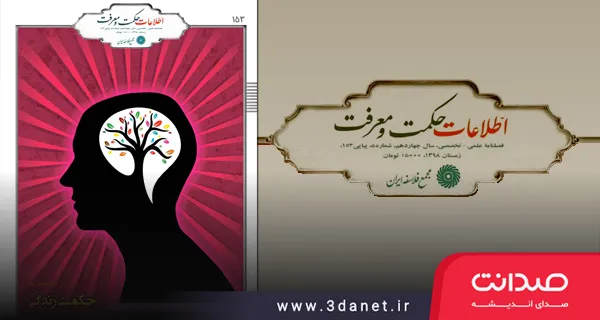
The Specialized Scientific Quarterly Ettela'at-e Hekmat va Ma'refat
Issue 153: The Wisdom of Life
A Word from the Guest Editor: Naghmeh Parvan
I begin my piece with this question: do you also believe that “philosophy is merely abstract beliefs that are of no use to anyone in real, everyday life,” that “philosophy should be left to philosophers,” and similar statements that draw a dividing line between the philosopher and everyone else?
The good news is that although throughout history the word “philosophy” has become so grandiose that few can believe that the birthplace of philosophy, ancient Greece, was the breeding ground of figures like Socrates, who used philosophy to help people’s way of living and thinking in their everyday lives, philosophy was initially connected with individuals’ personality traits, their lifestyle, and their way of thinking—in short, with life as a whole. Interestingly, even Socrates’ dialogues with ordinary people and his questions about everyday life issues show that all classes of people commonly engaged in thinking about such philosophical matters and had no aversion to it.
But gradually, the paths of life-related subjects and abstraction diverged, and in the meantime, it seems that the victory went to the second group, namely the philosophers who pursued analytic philosophy. This caused us, throughout history, to move toward philosophy becoming a separate part of life, dealt with only by specific individuals—philosophers—in a theoretical and systematic manner. However, in any case, the first group also continued its activity, in the form of existentialist philosophy, which is the philosophy whose concern is achieving the good life and reducing human suffering in life, and those concerned with finding ways to live based on philosophy can find it in the works of philosophers such as Montaigne, Schopenhauer, Emerson, Kierkegaard, and others.
But how does philosophy enter ordinary human life? Undoubtedly, having a clear overall direction in life is one of the important pillars of an ideal life, and this is the point where the philosophy of life comes into play. You might ask, “Why must we necessarily follow a general method for our lives?”. It seems that choosing a general path for life, that is, having a “philosophy for life,” can help us in two ways. First, without having a philosophy for life, there is a very high risk that our lifetime will be spent on worthless matters that we have engaged in simply because they happened to be in our path. In such situations, people usually realize after years of living, for example on their deathbed, when they can survey their entire life not from a point in the middle of it, but from a higher vantage point, that they have exchanged their sole opportunity for living for a paltry price; and second, even with an overall goal for life, we need practical strategies to reach our goal that prevent us from going astray. It is true that in every area of human life, specialists can be found who, with their plans and programs, provide us with the best way to reach our objective, but for reaching the main goal of an individual’s life, they cannot lay a suitable path before them, and it is here that one can seek help from the specialists of life, who are the philosophers of life.
In what areas do philosophers of life come to our aid?
As we said, the first point where the philosopher of life can help us is in finding the main goal of life. In this regard, by using the philosophy of life, one can understand how, throughout life, we must make choices among our smaller goals in order to reach that main destination which we have determined according to our own philosophy of life. Here, the philosophy of life will tell us what our relationship is with other fellow human beings and the universe, what our function is, what the value of our life is, where its benefit lies, what costs must be paid for it, and ultimately, such a philosophy must be able to help us in understanding our own feelings and those of others.
اما پس از اینکه به فلسفۀ زیستنمان پی بردیم و هدف اصلی زندگی خویش را برگزیدیم، این پرسش پدید میآید که «کجاست آن ʼدستورالعملیʻ که ما را به سرمنزل مقصود برساند؟». مسلما در این نقطه دیگر نمیتوان صرفا از فلسفههای نظریِ زندگی که راهی کلی پیش پایمان میگذارد بهره جست و در اینجاست که به فلسفهای محتاجیم که دربرگیرندۀ شیوههایی باشد که در پستیها و بلندیهای زندگی، خوشیها و ناخوشیها، ترسها و اضطرابها... بتوان به آن مراجعه کرد. فلسفۀ عملی که آن نیز بخشی از فلسفۀ زندگی است راهکارهایی برای زندگی است که میتواند مسیر زندگی عملی فرد را تغییر دهد. هر فرد بنا به سنخ روانی خود سبکی برای زندگیاش انتخاب میکند و بسته به اینکه کدام راهحل را برای مسائل زندگی خویش برمیگزیند، زندگی عملی متفاوتی خواهد داشت.
ویژهنامۀ حکمت زندگی بنا دارد گام کوچکی باشد در داشتن نگاهی فیلسوفانه به مسیر پر پیچوخم زندگی، از آن رو که فیلسوفان زندگی ادعا میکنند که از راه فلسفی زیستن میتوان درد و رنج بشر را به کمترین میزان تقلیل داد و افزون بر آن چشماندازی زیباتر و پایدارتر در دستیابی به سعادت انسانی ترسیم کرد. در این ویژهنامه سعی کردهایم تا از نظرات متخصصین این حوزه در باب کلیت مفهومهای حکمت و فلسفۀ زندگی و نیز همچنین مصادیق آن در فعالیتهای مختلف زندگی معمول انسانی بهرهمند شویم.
دو مطلب نخست ویژهنامۀ حکمت زندگی گفتوگوهایی است با مصطفی ملکیان در باب «فلسفۀ زندگی و زندگی فلسفی» و دکتر محمدرضا سرگلزایی دربارۀ «حکمت رؤیا» که نغمه پروان آنها را بهانجام رسانده است. در نخستین گفتوگو مصطفی ملکیان به تعریف دو مفهوم فلسفۀ زندگی و زندگی فلسفی میپردازد، و پس از بیان نکاتی در باب تمایز آنها از یکدیگر به موضوعات مرتبطی چون «معنای زندگی» و «فلسفۀ عملی» اشاره میکند. ملکیان در ادامۀ این بحث، پس از بیان ربط و نسبت این مفاهیم با یکدیگر و بیان موضوعات مربوط به فلسفۀ زندگی، بر اهمیت شناخت «سنخ روانی» در انتخاب بصیرتمندانۀ سبک مناسب زندگی تأکید میکند. در گفتوگوی دوم با عنوان «حکمت رؤیا» دکتر محمدرضا سرگلزایی به بیان این موضوع میپردازد که از منظر یونگ«رؤیا» چگونه و بر چه اساسی میتواند بهمثابۀ نوعی راهنما، مأموریت انسان در زندگی را به او گوشزد کند. او پس از تأمل بر ساحتهای وجودی انسان از دیدگاه زیگموند فروید و کارل یونگ به بیان برقرای ارتباط میان «رؤیا» و داشتن یک زندگی خوب یا به تعبیر فلسفی دست یافتن به ائودایمونیا از نظرگاه یونگ میپردازد و آن مکانیسم ذهنی و روانی را شرح میدهد که بر اساس آن یونگ ادعا میکند که «رویاها حامل پیامی برای ما هستند». سرگلزایی در انتها بر شرایطی تأکید میکند که در آنها میتوان به «رؤیا» اعتماد کرد و معنا و رسالت زندگی را در آن یافت.
اگر فلسفۀ عملی را مجموعۀ مباحثی فلسفی بدانیم که هنگامی که در ذهنمان مطرح میشوند و برایشان راهحل مییابیم، دیگر نمیتوانیم مانند قبل زندگی کنیم موضوعات روزمرهای مانند چگونگی «گفتوگو» و «اعتماد» کردن در ذیل آن جای خواهند گرفت. «درنگی در حدود امکان و شروط تحقق گفتوگو» سومین مطلب این ویژهنامه است که محمدمهدی مجاهدی آن را به رشتۀ تحریر درآورده است. مراد از «گفتوگو» در این مقاله معنایی خاص است که خردگرایان نقاد از گفتوگو مراد میکنند و بیش از آن که صرفاً اشارهای باشد به «منطق گفتوگو» یا «گفتوگوی منطقی»، به نوعی شیوۀ زیستن اشاره دارد. محمدمهدی مجاهدی این شیوۀ زیستن را تکاپویی مراقبانه، مدام و ارتقایابنده معرفی میکند که هیچکس در آن مستقل از «دیگریِ معنابخش» یا بینیاز از او نیست و نمیشود. او تأکید می کند که گفتوگو ورزیدن بهمثابهی شیوۀ زیست مستلزم رهایی از برخی سوءتفاهمها دربارۀ گفتوگو، شناخت و رفع موانع گفتوگو، و فراهم آوردن شرایط گفتوگو در جهان واقعی است. «مفهوم اعتماد پایه» به قلم اولی لیگرپتس و ترجمۀ علیرضا رضایت چهارمین مطلب این شماره است. لیگرپتس در این نوشتار اعتماد بهمثابۀ مبنای زندگی اجتماعی و نیز اعتماد در نظم و نظام طبیعت را مفاهیمی گمراهکننده معرفی میکند که مرتبط با رفتار ما هستند. از نظر او زندگی انسانی ضرورتا وابستگی به دیگری را در خود جای میدهد و از این روست که شکلی از اعتماد پایه درامد یا مقدمه کل حیات انسانی است.
The fifth piece in this special issue is an article titled "Personal Relationships" by Lawrence A. Blum, translated into Persian by Mohsen Rabiei, which examines the nature of human relationships such as friendship, family ties, and romantic love from an ethical perspective. Furthermore, after reflecting on these personal relationships, it addresses the question of whether immoral individuals can be suitable for friendship and whether a friendless person can lead a fulfilling and moral life.
The sixth piece, "The Sage and the World," is an article by John Cooper, translated by Ali Akhlaghi. In this article, by introducing a holistic view, seeing beauty, observing the world from the depths of the soul, living in the moment, and so on as characteristics of the personality and character of the sage's life, the author discusses how this lifestyle and worldview, while distinct from everyday life, accompanies it. He introduces awareness as the main key to the sage's tranquility and believes that the sage is a person who learns how to achieve a realistic understanding of the entire universe by entering the realm of their own perception and creating harmony between the outer and inner worlds.
The seventh piece is titled "Kierkegaard's Vision and the Concrete Other," authored by Patrick Stokes and translated into Persian by Razieh Zeinali. This piece addresses one of the important concepts raised in existentialism, namely the influence and scope of the "Other" and its relationship with the human individual. The article examines questions such as: Does Kierkegaard value attention to one's neighbor and fellow human being, or does he disregard them? To what extent does Kierkegaard pay attention and care to the concrete other? Is the flesh-and-blood reality and understanding of the individual's states as important in the category of the "Other" as it is in the category of the "Self" and the attainment of "individuation"?
The eighth and final piece of the "Wisdom of Life" special issue is an article titled "Integrity and Fragmentation" by John Cottingham, translated by Naghmeh Parvan. In this article, Cottingham considers integrity an essential element of a good life and regards a fragmented or disintegrated life as perpetually susceptible to instability. He believes that achieving a stable and integrated life requires self-awareness, which is not a simple matter and necessitates the complex process of self-discovery.
In conclusion, our entire endeavor in this special issue has been focused on introducing content related to practical philosophy that can untie a knot in the business of living and make the journey along the path of life slightly more pleasant. For, as we mentioned at the outset, practical philosophy is a part of the philosophy of life that considers issues whose contemplation in the human mind, their implementation, and also the manner of choosing solutions for them will make the individual's practical life different from before, such that it is, as much as possible, less subject to suffering and hardship than before.
.
.
Email Address: ehvm86gmail.com
Telegram Channel: t.me/Doostanehekmatmarefat
.
.



Discussion0 comments
No comments yet; let yours be the first voice.