Religion
Mahmoud Rezvani's essay 'Pluralism or the Unity of Religions?'
A reflection on religious pluralism and exclusivism in relation to the theory of the 'inner and transcendent unity of religions' as articulated by the proponents of the Perennial Philosophy; the analysis distinguishes between the exoteric and esoteric dimensions of religions, drawing on the principle of the possibility of the whole, the conflict of doctrines, and the stance of the mystics.
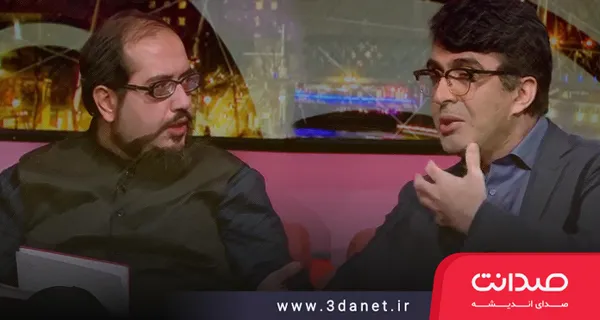
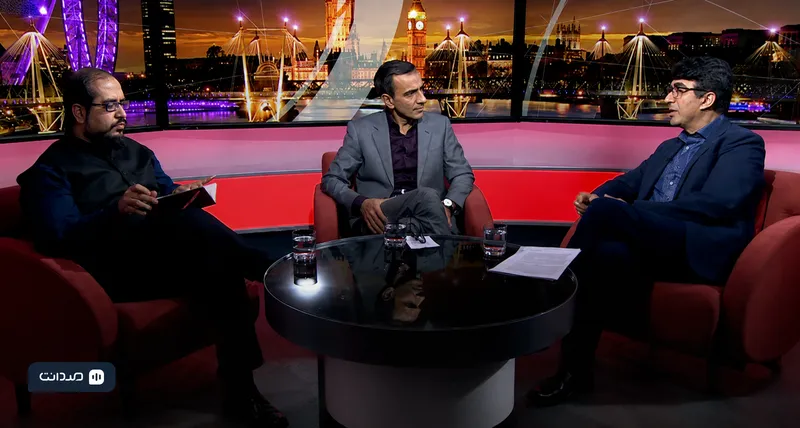
The recent episode of Pargar, titled “Where Does ‘Only My Religion Is True’ Lead?” with Messrs. Naraghi and Mirdamadi, addresses the subject of religious pluralism and exclusivism. In the following lines, I will attempt to set down my understanding of this discussion in relation to the theory of the “inner and transcendent unity of religions” {abbreviated as “the unity of religions”} as expounded by the proponents of the Perennial Philosophy, and especially Frithjof Schuon:
Regarding Dr. Mirdamadi’s position, which was articulated around the idea of “manifestation,” it seems on the whole to be close to the thesis of the unity of religions. This is, of course, aside from his position on single-level salvation, which I believe does not square with the foundations of Traditionalism, because since souls are not at the same rank and station, divine proximity is not equivalent for them. Also, when, in response to Dr. Naraghi’s request to clarify his claim by choosing one of the branches of perspectivism and the parable of the “coy beloved,” he answers that his view is to some extent both this and that, a divergence, and indeed a departure, from this position occurs. From the viewpoint of the Perennial Philosophy, neither of these two branches is adequate. Perspectivism is not applicable in this case because it implies a kind of deficiency and limitation. Whereas, from the standpoint of the unity of religions, every religion is complete in itself and provides a complete conception of God. The parable of the coy beloved also has the problem that it places the difference of religions at the level of accidents and appearances, not at the level of form. A more precise explanation requires a separation between the esoteric and the exoteric in religions.
In the discussion of the unity of religions, the separation of the exoteric (exoterism) from the esoteric (esoterism) is vital. Absolute esoterism is like a point at the center of the circle of religion, of which the various religions are the infinite radii of this circle. Each radius from the circumference of the circle towards the center provides a path for moving beyond exoterism to esoterism, and whoever reaches the heart and core from any religion truly finds themselves in the very same place where others who have traversed other radii are situated. Therefore, that duality does not aid in understanding this position. The most important philosophical support for the unity of religions is the metaphysical principle of the “possibility of the whole.” A principle that reflects the richness of the Divine Essence in the realm of manifestation. Just as there is not only one beautiful flower, and it is “possible” for various flowers to be beautiful, and according to the possibility of the whole, the infinity of the Divine Essence necessitates the realization of all these possibilities in the horizontal (spatial) and vertical (temporal) context (the divine richness requires that possibilities whose combination is incompatible with one another be manifested successively in compatible combinations), so too the paths towards God (the authenticity and validity of religion in the view of the Perennial Philosophy lies in its being a means for linking earth to heaven), that is, the religions themselves, are not confined to a single specific determination, and according to the possibility of the whole, it is necessary that all these possibilities be realized. This, I think, is close to what Dr. Mirdamadi referred to with the expression “doing justice to the truth of the Divine Reality.”
On the sidelines of the discussion, regarding Dr. Naraghi’s claim that historical mystics were not pluralists (a not entirely suitable term for one who believes in the unity of religions), two justifications can be offered: first, that the mystics of traditional religions remained faithful to the separation of the exoteric audience from the esoteric audience and did not see it as expedient to declare the esoteric position to the people of the exterior. One piece of evidence for this justification is the confirmations that are rarely found in traditional mystical texts, and this very “rarity” indicates that they did not wish to turn such beliefs into the mainstream of their teachings. The famous poem of Ibn Arabi (My heart has become capable of every form…) and the couplet of Rumi (Since colorlessness fell captive to color, a Moses came to war with a Moses…) or more directly where he says:
Or, more recently, the famous tarjiʿ-band of Hatef (which, under the rubric of the unity of the Real, beautifully and delicately affirms the truth of the Christian, Zoroastrian, and other religions) are examples of this. Second, in the traditional conditions in which the mystics lived, except in rare cases such as the confluence of Islamic and Hindu mysticism in the era of Shah Jahan and Dara Shikoh, and later at the end of the Safavid era when Iranian Sufis traveled to India, the possibility of a synthetic and comparative view of religions was not readily available, and the mystic is also a human being with human limitations. Whenever two mystics meet, they perceive the truth and validity of each other's path, but a Muslim mystic's contact with ordinary Christians or Hindus may not make the Muslim mystic aware of the complete Christian or Hindu truth.
Other problems raised by Dr. Naraghi, such as the conflict of doctrines—for example, the conflict between belief in reincarnation and Abrahamic belief in the afterlife—can be resolved in two ways. One is in light of the assumption that religion is fundamentally not of the nature of doctrine! For Traditionalists, the core of doctrine is called metaphysics, which is a gift bestowed routinely through the esoteric path of a true/traditional religion, or exceptionally and miraculously through the sparks of the "Universal Intellect" (the wind blows wherever it pleases), and religion in its particular forms is, in the Buddha's words, a "saving mirage." If I may resort to a crude example, religion is like a diploma certificate, which firstly trains the individual for civic life (i.e., salvation!) and secondly prepares them for continuing education at higher levels.
Moreover, the point of departure and the temperaments of the audiences of different religions (one of the most important components of which is the aptitude for contemplation) are not the same. Also, the perspective of different religions is not of the same breadth. Traditionalists generally have a special interest in Hindu doctrines in the form of Vedanta and believe that the teaching of no religion is as explicit and bare as the esoteric doctrines of Hinduism (this, for detailed reasons, does not contradict the perfection of all religions). From this perspective, for example, the Abrahamic belief in the afterlife can be considered partial, and the perspective of belief in reincarnation more universal (this distinction is understandable in view of the doctrine of cycles). And it is also interesting that in these very Abrahamic religions, signals of a more universal perspective have sometimes been given in summary. For example, in connection with this very discussion of reincarnation, there is a narrative in the Gospel of John that when Jesus was passing by a place, he saw a man blind from birth. His disciples asked him, "Rabbi, who sinned, this man or his parents, that he was born blind?" Jesus answered, "Neither this man nor his parents sinned, but this happened so that the works of God might be displayed in him." Here, a strange statement is placed in the mouths of the disciples. How could a man born blind have committed a sin himself?!
.
.
Pluralism or the Unity of Religions?
Author: Mahmoud Rezvani
.
.

Discussion6 comments
اولاً :در نوشته بالاآمده است که هر دینی فی نفسه کامل است و تصورکاملی از خداوند در اختیار می گذارد. نویسنده محترم مسئله زمان و تاریخ در نزول ادیان را در نظر نگرفته اند.انزال ادیان در زمان خودشان کامل بوده است.اسلام آخرین دین ابراهیمی معرفی شده است وبه عنوان کامل ترین دین. دوماً:اینکه هرگاه دو عارف یکدیگر را ملاقات کنند,می توانند حقیقت یکدیگر را دریابند.بعد نویسنده ذکر کرده اند,اما تماس یک عارف مسلمان ممکن است که حقیقت تام عارف مسیحی را درک نکند. هنگامیکه دوعارف در هرنقطه ایی از کره زمین یکدیگر را ملاقات کنند,هر کدام که از نظر توحیدی مرتبه والاتری داشته باشد می تواند از نظر نفسانی و روحانی اشراف کامل به عارف دیگر خواه از هر دینی داشته باشد.پس نمی توان حکم کلی صادر کرد در مورد عارفان. در عرفان اصل توحید و مراتب توحیدی است.
ترجمه فارسیشو هم بگذارید
نمیدونم مطلب را درست فهمیدم یا پیچیدگی آن باعث کج فهمی من شده ! اینکه در مقاله نوشته شده چون عرفای دین اسلام راجب مقام قرب الهی به صراحت حرف نمیزنند و بلعکس مذهب هندو چونکه به طور جرئ راجب این موضوع سخن گفته پس باعث شده مردم بیشتری جذب آن بشن ؟ و ابنکه در نهایت مذهب هندو و دین اسلام و مسیحیت و... همه وقتی به یک جا میرسونن و اون قرب الهی هست پس یکین ؟! خب پس چرا وقتی دین اسلام اومد تازه خدا گفت «اکملت لکم دینکم» ؟ ممنون میشم اگه سطح نوشتههاتون یکم در سطح عامهی مردم باشه تا درک مطالب آسونتر بشه .
سلام خیر، در نوشته حرفی دربارهی جذابیت بیشتر یک دین مطرح نشده است. بله؛ همهی ادیان به یک جا ختم میشوند: به خدا. آن جملهی قرآنی ناظر به تمام شدن یک دین خاص است. به همین خاطر میگوید «دین شما» را کامل کردم. دشواری ناشی از به کار بردن اصطلاحات تخصصی و نیز فقدان بعضی مقدمات ناگزیر است. البته این به این معنا نیست که این متن نمیتوانست بهتر، روانتر، دقیقتر و سهلالهضمتر باشد. با احترام نویسنده
سلام بر دوستان و فرهیخته گان فلسفه و فرهنگ من رشته ادبیات هستم و فارغ تحصیل مشاوره خانواده چند سالی افتخار عضویت در کانال صدا نت را دارم مقالات و کلیپ های با محتوای زیاد از این کانال خوانده ام و دیده ام و بر دانش خود به صورت محتوایی افزوده ام از این بابت سپاسگزارم ? فقط نکته ای که در مورد مقالات دوستان اهل فلسفه هست از جمله این مقاله...سخت و پیچیده کردن مطالب است شاید از یک منظر خصلت مباحث فلسفی در پیچیده گی باشد اما واقعیت آن است هر چه واژه گان و محتوا مسایلی فلسفی برای همگان قابل فهم تر باشد تاثیر آن بیشتر است ? پیشنهاد می کنم اهالی محترم فلسفه واهل قلم به سمت آسان سازی مفاهیم در مقالات و گفتگوهای فلسفی بپردازند تا اثر بخشی آن بیشتر باشد سپاسگزارم ? هوای تازه_اصفهان
سید مجتبی عزیز اگر پیچیده ننویسند مخاطب را نیم تونن گیج کنن. از جمله روش های فلاسفه برای اقناع مخاطبین خود: ارائه detail و جزییات بیش از حد مفصل که تشخیص غیر منطقی یا نامنسجم متن فقط با صرف زمان بسیار زیاد و در صورت دقت کافی و در صورتی که باور به authority نویسنده شما را از پیش قانع نکرده باشد میسر است. سئوال: فقط یک پروژه موفق فلسفی چه در سنت قاره ای و یا تحلیلی را که دچار عدم انسجام، مغالطه، نیل به اهداف تعیین شده، گذر از نقد دیگران و ارائه پاسخ قابل قبول باشد کدام است؟ لطفا معرفی بفرمایید. فلاسفه با منطق ، ارائه اشکالات و بالابردن سطح دقت در ارزیابی سر رقیبان خود را می برند و بعد با شهود ، تحلیل و استدلال حاوی مغالطه مواضعی غیر قابل دفاع ارائه می کنند و با تسامح، قواعد سهل گیر تظاهر به ارائه موضع آلترنتیو می کنند.