Religion
Mostafa Malekian's lecture “How Can We Be a Sign of God?”
In a lecture inspired by Plato, Mostafa Malekian describes truth, goodness, and beauty as paths that remind human beings of God. Those who pursue these values in science, ethics, or art are signs of God.
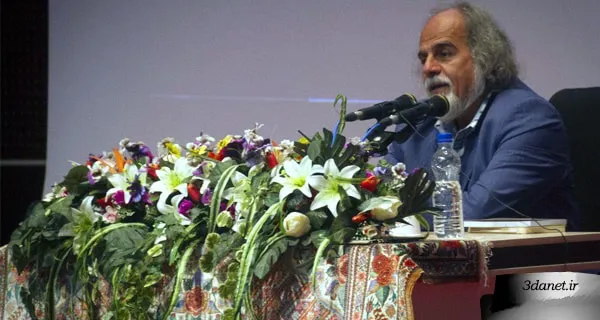
Throughout the history of human culture, many sages, all mystics, and almost all founders of religions and denominations, and even some philosophers, have agreed on one point: that in the universe, and especially in the human world, there are signs of God to be seen. We sometimes hear this statement regarding the entire universe, and sometimes regarding the human world—that God has left signs of Himself in the universe, and all phenomena of the natural and human world can be a verse and a sign of God...
?Throughout the history of human culture, many sages, all mystics, and almost all founders of religions and denominations, and even some philosophers, have agreed on one point: that in the universe, and especially in the human world, there are signs of God to be seen. We sometimes hear this statement regarding the entire universe, and sometimes regarding the human world—that God has left signs of Himself in the universe, and all phenomena of the natural and human world can be a verse and a sign of God. A verse or sign is something by observing which we remember something else, or are guided or directed to the existence of something else. Like when, by smelling a flower, we remember a flower, and philosophically speaking, that flower is indicated by that scent; the flower is the signified of the scent, and the scent signifies that flower. Or like when, by hearing a sound, we are guided and remember the artist who sang it. That sound is a sign of the artist's existence, or signifies the existence of that artist.
?There is no doubt that if something is to signify something else, it must have a correspondence with that thing. In fact, there must be an affinity between the signifier and the signified, between the indicator and the indicated, and not everything is a sign of everything. Not every flower guides us to every flower; not every sound guides us to every artist. Now the question is: if there are to be things in the universe that are verses of God's existence, and by seeing certain things we are to remember God, or be guided to the fact that there is a God, what things remind us of God?
?Not everything reminds us of God. If we encounter a human being with arrogance and pride, we remember Satan, and certainly, upon seeing a deceitful human being, we do not remember God. When we see a human being break a promise and fail to keep their word, we do not remember God; we remember Satan. Because Satan is the symbol of deceit and broken promises. But what things remind us of God? This question was first answered in the works of the Greek sage Plato: there are three things that we see in their ideal form in God: 1- Truth or veracity 2- Goodness or benevolence 3- Beauty or splendor
?It is these three phenomena that, when we encounter their instances in the world, sooner or later, willingly or unwillingly, consciously or unconsciously, we remember God. Even for someone who denies the existence of God, these phenomena are a reminder of God's existence, even if these phenomena do not suffice for them to prove God's existence. A human being remembers God with truth, and not Satan; remembers God with goodness, and not Satan; and remembers God with beauty, and not Satan.
?In the human world, if we see human beings who are advocates of truth and veracity, truth-seekers, a human being who acquaints people with truths, shares the truth of everything with people, and does not seek to create prejudice, aversion to reasoning, pre-judgment, intolerance, superstition, and wishful thinking in human beings. As much as they are able, they instill the truth in their audience; such a person is a verse of God, a sign of God, and is Ayatollah. God is Truth and an advocate of truth. God is not an advocate of falsehoods, superstitions, and compound ignorance. ?The second group are human beings who are advocates of goodness and live morally; they live with honesty, love, humility, and compassion. They uphold trust and not betrayal of trust; they keep promises and do not break them, and they adhere to what they say. These are Ayatollah, they are signs of God, because they remind us of God. Because God is like this. When the Quran says: "God will never break His promise." Therefore, those who fulfill the promises they make are Ayatollah, and not those who fulfill none of the promises they have made. Those who consider all divine blessings as a trust and do not betray any blessing, these are signs of God.
But the third group, whom I am delighted to be among today, are those who are advocates of beauty and aesthetics. God is beautiful and loves beauty; artists, in this respect, are a sign of God. If we are pessimistic and see the world as ugly, artists diminish the ugliness of the world, and from an optimistic viewpoint, they make the world more beautiful. If we believe the world is beautiful, artists add to the beauties of the world. The work that God Himself could have done has been entrusted to artists. From this perspective, artists are the complement of God, a sign of God, a sign of God. Those who fall outside these three categories are not a sign of God. Ultimately, a person is a sign of God who accompanies God in truth, goodness, and beauty. All those in the world of knowledge who seek truth, all those in life who seek to live ethically, and all those who have taken up artistry must be considered a sign of God. I hope that if we are not a sign of God in all three directions, we are at least a sign of God in one of these directions.
.
.
Audio of Mostafa Malekian's lecture titled “How Can We Be a Sign of God?”
.
.
Lecture title: “How Can We Be a Sign of God?”
Speaker: Mostafa Malekian
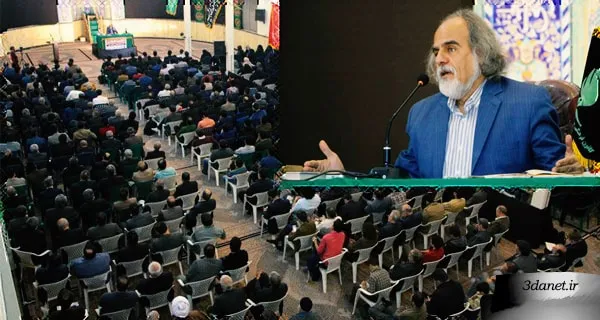
In a gathering of some artists
December 6, 2016
.
.

Discussion1 comments
تو نیکی میکن و در دجله انداز ... همان به که نامت به نیکی برند شاید نیکخواهی هم عصاره این سه نشانه باشد. بعبارتی نیکی بدنبالش آن دو تای دیگر را نیز احتمالا میآورد. ۱_ دنیای زیبایی، دنیای حرفه ای گری و نخبه گرایانه ست که اجتماعی رقابتی و تفاخرانه و حسودانه را می آفریند و حدی ندارد و عوارض ثانوی تحمیل میکند مثلا اینهمه تجارت و تجاوز گرفته از دختران و پسران کازینوها و حرامسراها تا جنگ و جدال بر سر الماس و طلا و مد و تجملات و .... پدیده ناچیزی نیست که دستکم گرفته شوند. حتی در طبقات مشروع نیز موجب انواع خیانت های زناشویی و ازدواج های متعدد و اجباری میشود. بدین ترتیب زیبایی با همه ارزشها و غایاتش لزوما موجب نیکی و حقیقت نمیشود و به هجو و طنز لودگی حسودانه منجر میشود و حماسه آفرین هم نیست و جنبش کلان اجتماعی را سبب نمیشود. هرچند ممکنه سبک زندگی را تغییر دهد. برای همین عمر رنسانس کوتاه بود. ۲_ اما حقیقت رهایی بخش کهک گاها حماسه ساز هم میشود و به همان میزان هم در معرض تبدیل به دروغهای مصلحتی بوده و حتی عوامفریبی و شیادی بالقوه نیز بعید نیست. مثل سواستفاده علمی ( از تسلیحات و ویروس و ... ). در بهترین حالت، همچون کشف نازیبایی و ناتوانی خویشتن ، تبدیل به درام تراژیک هم میشود نهایتا. هر تن نحیفی را یارای تحمل سرسنگینی حقایق نیست. شاید عصر روشنگری عالمانه با همه شکوه و جلالش، همچون جمال رنسانسی فاقد عنصر خیر و نیکی بود تا توازن را ثبات بخشد. ۳_ اما خیر و نیکی را ظاهراً پارادوکسی یا عوارضی ثانوی متصور نیست، اصلا دروغ مصلحتی از سر نیت همین نیکخواهی ابداع گشته تا پیچیدگی های روان انسانی را اندکی تسکین دهد. فقط در نیکخواهی ست که فرشتگان خود را نازیبا میکنند تا زشتان احساس حقارت و تنفر نکنند، اغنیا میبخشند تا فقرا گرسنه و تشنه نمانند. اقویا می بازند تا ضعفا حس پیروزی بچشند. اینجاست که کمال بر جمال برتری می یابد و نجابت و شرافت ازین سرچشمه ها میزاید. فقدان خیر و نیکی بمراتب عوارض حادتری دارد و ممکن ست نبوغ را تبدیل به جنون هم بنماید. روان کودکان در گهواره خیر و نیکی، بمراتب سالمتر و آزاده تر پرورش می یابند و لذا بی جهت نیست که تنها استثنایی که راه حقیقت را میزند همانا یک نیت خیر ست که جامه مصلحتی میپوشد که در باطنش فراحقیقتی ست. مگر مادران، فرزندانشان را به غایت جمال و کمال نبینند و ندانند؟! و بالعکس! شاید بتوان با الهام از سعدی چنین گفت که ملک از خردمندان، جلال یابد و از صالحان، کمال گیرد و از هنرمندان، جمال آراید. بدین ترتیب کمال و جمال و جلال، این سه گانه های نیرو و انرژی جهانی مثل هرچیز دیگری، نیازمند توازن و تعادل اند، در درون و بیرون تا زندگی فردی و اجتماعی بسامان برسد. یکی خرده بر شاه غزنین گرفت که حسنی ندارد ایاز ای شگفت گلی را که نه رنگ باشد نه بوی غریب است سودای بلبل بر اوی! به محمود گفت این حکایت کسی بپیچید از اندیشه بر خود بسی که عشق من ای خواجه بر خوی اوست نه بر قد و بالای نیکوی اوست