Sociology
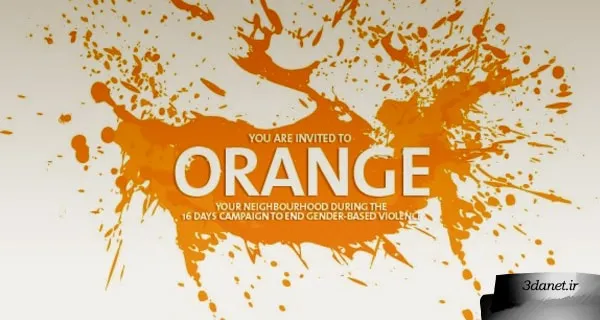
On the Occasion of Orange-Tinted Profiles on the International Day for the Elimination of Violence against Women
Violence against women is rooted in historical insecurity and a patriarchy born of male hunting, which forced women to reinforce the system, appropriate sons, or seek independence. 'Becoming' and 'having' have replaced 'being,' and violence is the imposition of a way of living and the emptying out of femininity.
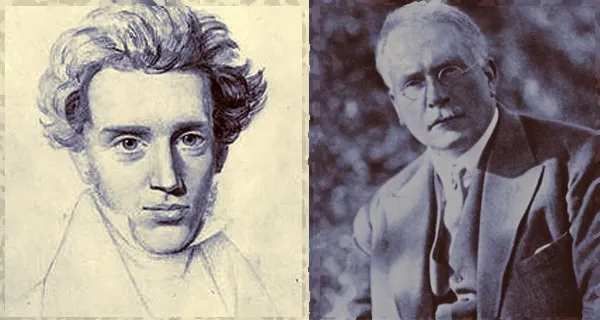
Historical insecurity is ingrained in the depths of women's existence (see Barbara De Angelis's Secrets About Women) or, in Jungian terms, institutionalized in their collective unconscious. Until the last few hundred years, when the so-called modern, arrogant human being began to plunder the world so voraciously and to transform the men and women of yesterday into today's worker or technocrat, absent from the family space and alienated from the self, women were explicitly dependent for survival on the hunt that men provided. They stayed in the caves, caring for the children, while men, with pride, distributed among the family the prey they had obtained by risking their lives; and by virtue of this need, patriarchy has always been considered one of the natural pillars of the collective unconscious rights of humankind. This historical power gave men the ability to control women. And women belonging to the justice-seeking group, who believed that this hunting power did not grant men an extra right, found themselves at a crossroads between security and justice in their struggle to escape this control. Faced with this historical juncture, women divided into three groups:
? The first group, who were not dissatisfied with their current situation, reinforced the patriarchal system and more or less attacked the third group.
? The second group consisted of women who had no desire to hunt; they managed to possess their sons and replace their husbands, who, besides no longer posing the previous threat, could also be kept under their control. The patriarchal system, in an unconscious reaction, moved to eliminate the sons by not validating them as new men. This action and reaction gave rise to two important complexes: the #Womb-Envy and the #Oedipus complex. Thus, through this war of possessing security (power): sons were always preferred over daughters, even by mothers; wives began a historical rivalry with their mothers-in-law over the possession of this source of power; fathers, who were growing weaker day by day compared to their grown sons, tried to psychologically undermine their children; and sons, because of this humiliation and weakening, persisted in the belief that they were more capable than their fathers, who had only hunted worthless mice, and constantly criticized their meager achievements. (See the myth mentioned in Robert Bly's book Iron John)
? The third group were women for whom independence was more important. They embraced the risk and threat, replacing the so-called hero's journey of men with their own hero's journey and going out to hunt themselves. Although, in fairness, they kept pace with men in the vast majority of fields and even surpassed them in some, the more achievements they gained, the larger the identity void they felt within themselves. They had everything, from power to financial means and many things that many men envied, but they were not happy! Sometimes, the cry of a neighbor's child—whom they looked upon with contempt—would suddenly shatter all their achievements with the devastating question: "So what?!"
The outcome was no different in any of the three cases! Not only did that historical root, which caused all these oppressions and deviations, not disappear, but the result and modern society today became more patriarchal than the past. All valuable feminine symbols, which should be anchored around the important principle of "being," became focused on "becoming" and "having"—which are masculine values—and this deviation causes life to lose its authentic meaning, and the arrogant modern human being to despair of attaining any meaning, warmth, affection, love, equality, and any important feminine thing without which life is empty and meaningless; and in order to even fall asleep troubled at night, they resort to excessive work, pills, smoke, drugs, wine, and unconventional sex.
What prompted me to write these lines, focusing on the issue of discrimination against women, was the re-emergence of this question: is violence against women, children, and others limited solely to beating them or the level of their access to material means—each of which is, of course, immensely important in its own right? In my view, violence against any human being, who simultaneously possesses both masculine and feminine psychological traits, is the reinforcement and glorification of one particular mode of living and the coercion of everyone into being that way; and the cost of this otherness is the ever-increasing depletion of society's oxygen and the soil of femininity, alongside the sunlight needed for plants to grow. On this matter, we will agree that none of these components is superior to another, and without any one of them, there will be no growth.
.
.
On the Occasion of Orange-Tinted Profiles on the International Day for the Elimination of Violence against Women
Author: Naeem Ebrahimian
Sixth of Azar, Ninety-Five
.
.



Discussion3 comments
اینکه فقط خیالبافی است . کو دلیل کو شاهد
خیلی عالی بود. ممنونم
از توجه و إظهار نظر شما سپاسگزارم اونقدر كه متوجه شدم، انتقاد شما ناظر به روش شناسي بود. در معرفت شناسي استدلال (reason) در كنار روشهايي مانند: ادراك حسي، درون نگري، شهود، حافظه و گواهي حجيت معرفتي دارند و هيچ يك بر ديگري برتري ندارند و در هر مدل معرفت شناسانه لزوما همه روش ها كاركرد ندارند. مثلا شما صبح كه از خواب بر مي خيزيد براي اينكه بتوانيد اطمينان حاصل كنيد كه همچنان پاهايتان را داريد نيازي به استدلال نداريد. يا براي ادراك درد دندانتان نيازي به استدلال بيروني نداريد. البته مي توانيد با ادعاي من در اين يادداشت همدل نباشيد اما اونقدر كه من مي فهمم روش شناسي آن مي تواند توجيه شود.