Economic Sciences
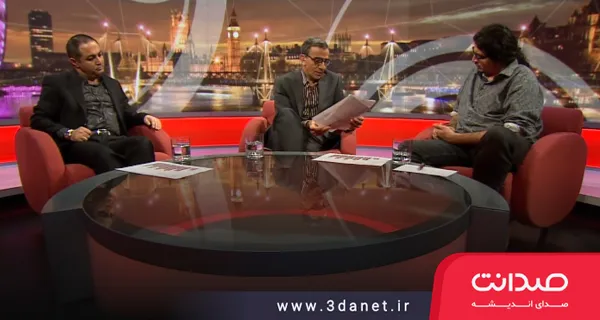
Panel Discussion: “Is Iran’s Economy Neoliberal?” with Hesam Salamat and Mohammad Mashinchian
Hesam Salamat sought to demonstrate, using empirical evidence, how 'Iranian neoliberalism' operates; in response, Mohammad Mashinchian, a representative of market-oriented theorists, denies the existence of neoliberal policies in Iran's political economy.
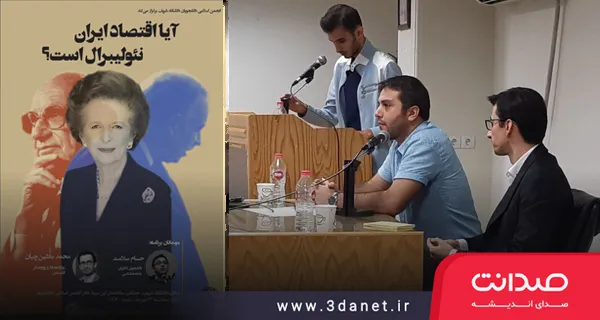
In a discussion held on November 14, 2019, organized by the Islamic Association of Students of Sharif University between Hesam Salamat and Mohammad Mashinchian; on one side, Hesam Salamat endeavors, relying on empirical evidence and field documentation, to show how “Iranian neoliberalism” works, with what other forces it has combined, what lines it pursues, what power relations it constructs, what it does to labor forces, how it advances the logic of capital accumulation, how it alters or reproduces the balance of political forces, and other questions of this sort. All this while, on the other side, Mohammad Mashinchian, a representative of market-oriented theorists, fundamentally denies the existence of neoliberal policies in Iran’s political economy and believes that the ruling economic system must be explained by relying on other concepts that have essentially nothing to do with neoliberalism, if they are not entirely in conflict with it.
.
.
Audio of the Panel “Is Iran’s Economy Neoliberal?”
.
.
Panel “Is Iran’s Economy Neoliberal?”
Featuring Hesam Salamat and Mohammad Mashinchian
.
.

Discussion2 comments
حق با آقای ماشین چیان است : « نظام اقتصادی حاکم را باید به اتکای مفاهیم دیگری توضیح داد » ؛ اما اولاً تبیین این نظام به سیاست های « نو لیبرالی » ربط دارد و بی توجه به آن نمی توان وضع کنونی را تشریح کرد ؛ ثانیاً « نظام بازار » مانند هر اتوپیای دیگری ، فاقد مصداق مطلق و تام است . حتا نظام آمریکا هم در وجه غالب ، مطابق ایده « نظام بازار » مورد نظر امثال هایک نبوده است و نخواهد بود . دیگر این که ، اگر ایدئولوگ های نظام بازار از زیر بار مسئولیت تحقق وضع موجود شانه خالی می کنند ، عجیب نیست ؛ مسئولیت گریزی عمومی است !
این آقای سلامت، چرا موقع حرف زدن، هی برای تأیید گرفتن «هان؟ ها؟» میکند؟ شاید بالای صد بار این کار را انجام می دهد. مد شده؟