Sociology
Panel: “The Women’s Movement in Iran: A Look at the Current Protests” with Fatemeh Sadeghi and Nafiseh Azad
The roots of women's anger in the protests lie in university gender-quota policies, empty economic-capital baskets, and restricted family rights. Despite their education, women are excluded from formal employment and property ownership, and are now responding with choice and resistance.
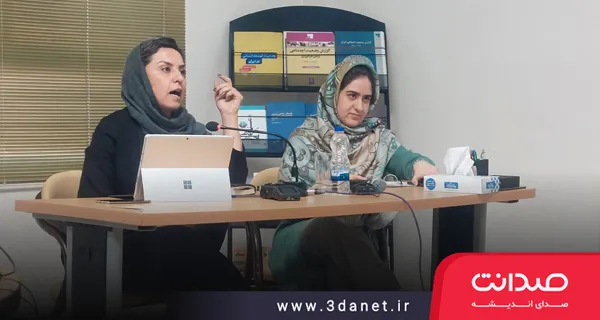
Panel: “The Women’s Movement in Iran: A Look at the Current Protests”
With Fatemeh Sadeghi and Nafiseh Azad
Monday, January 23, 2023
The panel “The Women’s Movement in Iran: A Look at the Current Protests” was organized by the Rahman NGO—which works in the field of ameliorating social harms—with the participation of Fatemeh Sadeghi, researcher and women’s rights activist, and Nafiseh Azad, sociologist. While noting the consistent social activism of women throughout Iranian history, these two researchers traced the roots of the protests and women’s anger. You can watch the video of this panel on YouTube or Aparat. The report on the panel that follows was published in issue 2514 of the Payam-e Ma newspaper.
Why are Iranian women protesting? What is there to protest? Women who study in Iran and are permitted to pursue higher education, those who work and continue their economic activity in society, Iranian women who are neither caught in the Taliban-like conditions of the neighboring country nor barred from the right to be present in the public sphere—so what is their real point?
Gender Quotas for University Disciplines
Sociologist “Nafiseh Azad,” at the panel “The Women’s Movement in Iran: A Look at the Current Protests,” described the cause of Iranian women’s anger and protest as follows: “Iranian women are constantly engaged in a complex, multi-layered resistance against a form of power, but what is the root of this resistance? Education after the revolution is a path open to women from all groups, and they have fully embraced it, to the extent that by the mid-1990s they constituted nearly half of the university population. When this widespread presence reached a point in the 2000s where the ratio of women to men in universities became higher, the policy of gender quotas for university disciplines was introduced. That is, a path that naturally gave women the opportunity to be present in the public sphere now faced a gender-based obstacle for disciplines that offered good economic and social standing, and their educational path was steered toward fields defined as a continuation of feminine duties.”
Women’s Capital Portfolios Are Empty
She further explained about women’s education and economic status: “Education for women in Iran is a position that can create both class mobility and social mobility. That is, through education, they can change their city and consequently find themselves in a new social position, and it can create class mobility by enabling employment opportunities for women. This is while a man without education, even if he is in a lower class position, has more economic and employment resources at his disposal than an educated woman. Therefore, in a society where women’s economic and social capital portfolios are empty, education can open new paths for women.” She also deemed the controversy over the widespread presence of women in universities, which led to the gender quota policy, as futile and elaborated: “This fallacy that women constitute more than half of the university population relates to their presence at the bachelor’s level, and less than 20 percent of women have been able to become university faculty members. Also, 15 percent of women participated in postgraduate entrance exams until the early 2000s, a figure that reached over 40 percent by the end of that decade. Nevertheless, their share of university faculty membership remained at that same 20 percent. Thus, women’s portfolio of economic capital is empty, and according to statistics, only 2 percent of ownership in the economy belongs to women, while 98 percent of ownership is with men.”
Marginalizing Women from Economic Activity in the Formal Market
پس از انقلاب عمده سیاستهای رسمی به سمت حضور اقتصادی زنان در بازار کار نبود و فقط در دوره کوتاهی در دولت قبل سیاستهای تشویقی برای فعالیت اقتصادی زنان به میان آمد. «آزاد» در رابطه با وضعیت اشتغال زنان اضافه میکند: «هر چند مسیر تحصیل برای زنان در ایران باز است اما طبق آمار غیررسمی، ۷۰ درصد زنان فارغالتحصیل بیکارند و یا شغل رسمی ندارند و فقط ۱۳ درصد آنها اشتغال رسمی دارند و از این میزان ۲ درصد به مرتبه مدیریتی دست یافتهاند.» او در تکمیل صحبتهایش میگوید که حتی در زمانی که سیاستهای تشویق باروری برای زن در نظر میگیرند باز هم امتیاز اشتغال برای مرد است و اشاره میکند: «با وجود اینکه سیاستهای رسمی مشوق حضور اقتصادی زنان نیست، آنها در بازار غیررسمی حضور دارند و با فیلترینگ اینستاگرام به ناگهان آماری از بیکاری ۷۰ درصد زنان صاحب کسب و کار به گوش میرسد که از بازار رسمی اقتصاد به حاشیه رانده شدهاند. بنابراین در شاخص اشتغال، بیکاری زنان ایرانی ۳ برابر میانگین جهانی و حتی کشورها و شهرهای هم عرض است. طبق همین آمار و پژوهشها، با وجود اینکه زنان از همه امکاناتی که میتوانند به آنها دسترسی داشته باشند استفاده میکنند، سهم آنها از درآمد اقتصادی زیر ۳۰ درصد است.»
انتخاب به مثابه مقاومت
خانواده نهاد بسیار مهمی در جامعه ایران است و همچنان ریشههای بسیار قوی در فرهنگ ما دارد. «آزاد» با اشاره به حقوق رسمی زنان در خانواده میگوید: «زن در خانواده ایرانی، حقوق رسمی بسیار کمی دارد و جایگاه او نسبت به مرد، جایگاهی فرودست است. نداشتن حق طلاق مگر در شرایط حدی خاصی، نداشتن ولایت بر فرزندان، نداشتن حق مسکن و اشتغال و… همه در کنار هم جایگاه زن در خانواده ایرانی را تضعیف میکند.» او با اشاره به این وضعیت و توضیح نرخ طلاق از هر ۳ ازدواج ۱ نفر میگوید: «با وجود همه این شرایط، زن ایرانی دیگر در هر ازدواجی نمیماند، مقاومت و انتخاب میکند. البته که بیشتر آسیبهای طلاق به دلیل همان سبدهای سرمایهای برای زنان است اما به هر حال تغییرات اجتماعی به نحوی پیش رفته که زن ایرانی انتخاب میکند.» او در تشریح وضعیت زنان در فضای عمومی و ریشهیابی جریان اعتراضات میگوید: «تاکنون شرایط برای زنان به نحوی به دنبال سلب عاملیت بوده است. تنگ کردن دایره اعمال قدرت بر زنان و دیگریِ غیراخلاقی در فضای عمومی و ساختار سنتی در سالهای اخیر تا حدی زیاد شد که در جریان اعتراضات اخیر، مهسا امینی که در هیچ کدام از بسترهای فرهنگی ما کار غیراخلاقی مرتکب نشده بود و حجاب نامتعارفی نداشت، از این دایره بیرون میفتد. همین نگرش نیز تنش را به شدت بالا برد.» او تشریح میکند: «این سیاستها تنها ابعاد کلان دولتی ندارند و موضوع فقط سیاستگذاری از بالا به پایین نیست بلکه وضعیت تبعیضآمیز زنان در جامعه ایران متحدان اجتماعی دارد.» او در انتها درباره آنچه زنان در زندگی روزمره تجربه میکنند، میگوید: «خاصیت خودتنظیمگری جامعه به دلیل مداخلات شدید سیاستگذار در موضوع زنان و نسبتهای جنسیتی از بین رفته است. جامعه عاملیت و قابلیت خودتنظیمگری دارد و میتواند خودش تنشهای خود را رفع کند و تنها در این صورت است که وضعیت قانون نسبت به زنان میتواند عادلانه باشد. اما امروز جامعه درگیر چالشها و قالبهایی است که خود آن را به وجود نیاورده و به طور مداوم در دور باطل سیاستگذاریهای معیوب درباره وضعیت زنان است. این در حالی است که آمارهای عینی از حرکت همواره زنان جامعه در مسیری مخالف سیاستگذاریها حکایت دارند.» او با اشاره به این نکته تاکید میکند که این مسیر مقاومت زنان است و این مقاومت ادامه خواهد داشت: «این وضعیتی عینی است که نیاز به تحلیلی عینی بر پایه واقعیتهای اجتماعی دارد و اگر تحلیل بر پایه واقعیتهای اجتماعی نباشد، خود زنان هستند که آسیب و تنشهای دوپاره کردن جامعه را متحمل میشوند.»
تبعیضهای متقاطع علیه زنان
“Women of the lower class are striving to become visible and to move beyond the informal existence that marginalizes them.” This is what Fatemeh Sadeghi, a researcher and women’s rights activist, says in her analysis and tracing of the roots of women’s protests. She goes on to equate the presence of women, especially from the lower class, in today’s society with a passage from invisibility, and says of the error in analyzing the social situation of women in Iran: “In social science studies in Iran, the perception that women constitute a specific social class or group is mistaken. Because women are present in all different classes and social groups. In other words, the analysis of women’s situation in the social sciences in Iran faces an error that subsumes lower-class women—who differ from middle-class women in terms of access to resources, capabilities, and type of social and political activism—under a single subset. Some also examine the situation of the lower-class woman only from the perspective of her subordination, which sometimes leads to applying models to women that hold true for the lower-class man who is permitted access to resources and economic activities.” Highlighting this point in the analysis of women’s situation, she says: “Various social and gender dimensions influence the position of women’s presence in society, which must be taken into account when explaining their place in society.”

Discussion1 comments
نمونه ای از تکست متون textbook بیرن از ایران که از خفه کردن صدای مردم جهان بوسیله غرب می گوید را اینجا کپی می کنم. با وجود این که در جهان اختناق ایجاد شده بوسیله institution مدرنیته و حتی پست مدرنیته امری مورد بحث است در ایران زنان ایرانی برای رهایی به غرب می نگرند.