Psychology
Sorrow and Joy: Which Is More Authentic?
A healthy person experiences both sorrow and joy; remaining in a single state is a sign of pretense or spiritual blockage. The wise see sadness and happiness as agents of the soul's purification, inseparable from one another. Life finds its meaning in reconciliation with both, in the experience of tears and smiles.

It seems that the condition of existence and life is such that an individual with healthy emotions, a clear conscience, and sensitivity experiences both situations of sorrow and states of joy. Remaining in one state or condition is either a sign of hypocrisy, sanctimony, self-censorship, and dissimulation (for whatever intention or purpose), or it indicates a blockage of the soul's apertures and a dissonance of feeling, such that those joy-creating or sorrowful dimensions do not find their way to our eyes and heart.
Sorrow and Joy: Which Is More Authentic?
Instead of being stubborn with ourselves and others, it is better not to deprive our eyes, by hanging a curtain, of watching the sun's smile, nor to miss the excursion into the "expanse of life's sorrows" from behind rain-streaked and fogged-up windows.(1)
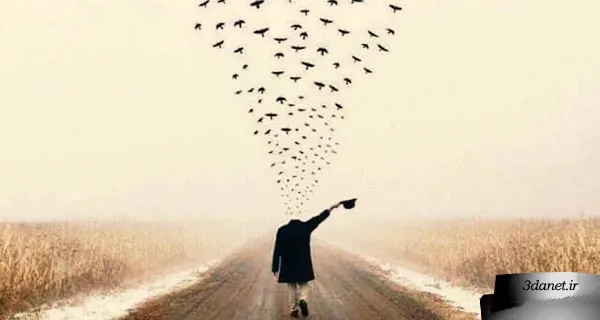
Let us allow our eyes to make contact with existence, just as it is, each time in a different form and color. Let us sometimes watch life from behind the window of joy and sometimes from the aperture of sorrow. Let us not forget joy, even though the decisive presence of death shakes the body of life. Let us learn from the trees.(2)
Among the signs of a healthy soul and pure nature is that a person does not remain constantly in one state. They are neither a permanent resident of joy nor a permanent inhabitant of sorrow.
One who is always joyful is deprived of experiencing certain authentic realms and vastly important frontiers of existence. For our emotional and intellectual growth, in many instances, depends on the experience of sorrow.(3)
Moreover, perpetual joy indicates that, in relation to the tragic and distressing dimensions of existence and life, we have fallen into drowsiness, emotional numbness, and negligence.
On the other hand, perpetual sorrow is also a sign of illness or hypocrisy(4). Either the windows of our soul are so covered in dust that no bright or luminous point catches the eye to cause delight; or the desire to be seen as different and the love of prominence is so intense that we have taken up permanent residence in the fortress of sorrow (and woe to self-deceptions). It is as if our existential dignity and rank are too lofty to be pleased by the small, shallow joys of the common people, with all these dark and sorrow-inducing aspects. We are distinct and distinguished from others, for we share in none of the categories of their life's joys. We practice sorrow-worship, oblivious to the fact that, in the words of Shams Tabrizi: "Joy, like fine, clear water, wherever it reaches, a wondrous blossom grows."(5)
It seems that the condition of existence and life is such that an individual with healthy emotions, a clear conscience, and sensitivity experiences both situations of sorrow and states of joy. Remaining in one state or condition is either a sign of hypocrisy, sanctimony, self-censorship, and dissimulation (for whatever intention or purpose), or it indicates a blockage of the soul's apertures and a dissonance of feeling, such that those joy-creating or sorrowful dimensions do not find their way to our eyes and heart.
Perhaps with these explanations, one can understand why the renowned mystic, Junayd of Baghdad, said:
"The truthful person turns forty times a day, while the hypocrite remains in one state for forty years."(6)
In depicting his own existential condition, Rumi said:
"My states are contrary to one another
Each one opposing the other in effect
Behold the wave of the armies of my states
Each one with another in war and malice"
(Masnavi, Book Six)
One moment He makes me delightful as a rose garden
One moment He makes me like winter
One moment He makes me a scholar and a master
One moment He makes me a child of elementary school
One moment a stone strikes and breaks me
One moment He makes me the king of pearls
One moment He makes me a fountain of the sun
One moment He makes me entirely a bedchamber
(Ghazaliyat-e Shams)
The sages tell us that sorrow and joy are both a source of purification for the soul and the transcendence of our being. Sorrow is like income, and joy is its expenditure. Joy feeds on sorrow. Deep joy is attained after overcoming deep sorrow. If you constantly spend, your income will be depleted. We live in a world of opposites, and the existence of joy is indebted to the existence of sorrow. Rumi said that although sorrow is the brigand of joy, it is also its agent. Rumi’s allegorical interpretation is that sorrow is like a winter that sheds the tree’s yellow leaves, so that in spring, fresh, green leaves may grow again, and “the sugar-loaf of joy is the fruit of sorrow’s garden”(7)
Considering the simultaneous usefulness and elevating nature of both sorrow and joy, the sages strove to derive their enjoyment from each and to regard both situations as a valuable opportunity for finding a path into the uncharted realms of life. Kahlil Gibran says:
“Your joy is your sorrow unmasked.
And the selfsame well from which your laughter rises was oftentimes filled with your tears...
The deeper that sorrow carves into your being, the more joy you can contain.
Is not the cup that holds your wine the very cup that was burned in the potter’s oven?
And is not the lute that soothes your spirit, the very wood that was hollowed with knives?
When you are joyous, look deep into your heart and you shall find it is only that which has given you sorrow that is giving you joy.
When you are sorrowful look again in your heart, and you shall see that in truth you are weeping for that which has been your delight.
Some of you say, ‘Joy is greater than sorrow,’ and others say, ‘Nay, sorrow is the greater.’ But I say unto you, they are inseparable.
Together they come, and when one sits alone with you at your board, remember that the other is asleep upon your bed.”(8)
Christian Bobin writes:
“In our lives we must lead a double life and in our hearts have a double blood, joy with suffering, laughter with sorrow, like two horses harnessed to the same cart, each one madly pulling the cart toward itself.”(9)
“Life is a blend of joy and sorrow
I love this union
Though they say: joy is better
I love weeping with a smile”
(Qeysar Aminpour)
Openness to life and honesty with oneself brings us to the confluence of tears and smiles. To reconciliation with both and the alternating, occasional experience of tears and smiles. Kahlil Gibran has said:
“I have wished for my life to be summed up in a tear and a smile: a tear to purify my heart and show me the labyrinthine ways of life. And a smile to make me aware of the secrets within me and be a symbol of my glorification of the gods. A tear to share the path with the broken-hearted, and a smile to gladden a moment of my existence.”(10)
---
Footnotes:
1- “For the poet, melancholy is a steamed-up window between the self and the world. The view he constructs of a melancholy life is more attractive than life itself.” (Orhan Pamuk; Istanbul: Memories and the City; translated by Shahla Tahmasebi; Niloufar Publications)
2- “Do not forget joy!-
This is the whisper of the wise trees
On the verge of shattering and
Tumbling to the ground, under the axe’s blows.
Do not forget joy!
As long as you stand upon the earth.
As long as the breeze caresses your face,
As long as you breathe fresh air under the boundless sky
تا وقتی تبرها خفتهاند.»
(خانم بلاگا دیمیتروا- شاعر ملی بلغارستان)
3- «انسان به دو روش میتواند خرد کسب کند، بیرنج و از طریق آموزگار یا توأم با رنج و از طریق زندگی.
قرائن حاکی از آن است که اگر غمگین باشیم بهتر است تا شاد، خوشی برای بدن ما لازم است اما اندوه است که قدرت ذهن را تقویت میکند. چه بسا طبیعی است که وقتی همه چیز بر وفق مراد است خِرِفت بمانیم. وقتی که اتومبیل ما بدون نقص است چه انگیزهای وجود دارد که عملکرد پیچیده درون آن را یاد بگیریم؟ عشق به زنی که به او نیازمندیم اما در عین حال رنجمان میدهد و احساسات گوناگونی را در ما متجلی میکند بسیار عمیقتر و حیاتیتر از مرد نابغهای است که توجهمان را جلب میکند، رابطه عاشقانه دردناکی را دنبال کردن به مراتب بهتر از خواندن آثار افلاطون و اسپینوز است.
حس کردن چیزها در سطوحی معادل دانشاندوزی است، یک مچ پای در رفته به سرعت به ما حفظ تعادل بدن را میآموزد، سکسکه مجبورمان میکند که به جنبههای تاکنون ناشناختهی شبکهی تنفسیمان توجه کنیم و در فراق معشوق بودن معرفی کاملی است از ساز و کار وابستگی عاطفی.
افکاری که بدون رنج حاصل شدهاند فاقد منبع مهم انگیزهاند...
تحمل رنج به تنهایی کافی نیست، مهمترین صفت رنج بردن این است که امکاناتی برای هوشمندی و کنجکاوی خلّاق فراهم آورد.
کل هنر زندگی در این است که از افرادی که باعث رنجش خاطر ما میشوند استفاده کنیم.
اندوهها زمانی که به اندیشه و نظر بدل شوند، مقداری از قدرت مجروح کردن قلب ما را از دست میدهند. با این وجود، اغلب، رنج کشیدن در ما تبدیل به اندیشه و نظر نمیشود و به عوض آنکه درک بهتری از واقعیت به ما بدهد ما را در مسیر کُشندهی نیاموختن سوق میدهد، که نه تنها در معرض توهمهای بیشتری قرار میگیریم بلکه از زمان پیش از رنج بردن هم کمتر به تفکر میپردازیم ... این یعنی یک رنجبرِ بد شدهایم.»
(پروست چگونه میتواند زندگی شما را دگرگون کند، آلن دوباتن، ترجمه گلی امامی،نشر نیلوفر)
4- «ادبیات ما، و بخصوص ادبیات رمانتیک، اندوه را ستوده، پرورده و گسترش داده است. اما نه آن اندوه فعّال و پابرجایی که آدمی را به افتخارآمیزترین کارها بر میانگیزد، بلکه به نوعی رخوت روحی که مالیخولیایش مینامیدند. رخوتی که به نحوی مطلوب، پیشانی شاعر را پریده رنگ جلوه میداد و نگاهش را از حسرت گذشته سرشار میکرد. تمایل به باب روز بودن و پسند دیگران واقع شدن نیز در این میان بیتأثیر نبود. شادی امری پیش پا افتاده مینمود که نشان از سلامتی ابلهانه داشت. و چهرهها به دیدن خندهی دیگران در هم کشیده میشد. اندوه معنویّت را به انحصار خود در آورده بود و بنابراین از عمق و ژرفاندیشی حکایت داشت.
از دیرباز، شادی به چشمم نایابتر، دشوارتر و زیباتر از اندوه جلوه کرده است. و هنگامی که بدین کشف نائل شدم، که شاید مهمترین کشفی باشد که بتوان در طول زندگی بدان نائل شد، شادی برایم نه تنها (چنان که بود) نیازی طبیعی به شمار آمد- بلکه به تعهّدی اخلاقی بدل گردید. چنین پنداشتم که بهترین و مطمئنترین راه برای پراکندن خوشبختی در پیرامون خویش، این است که خود تصویری زنده از آن ارائه دهیم، و بر آن شدم که خوشبخت باشم.
اینکه آدمی برای خوشبختی زاده شده است، بی شک نکتهای است که از سراسر طبیعت میآموزیم.
به راستی احساس شادیام از زیستن چنان نیرومند است که گاه به تردید میافتم و از خود میپرسم آیا هوس بودن، حتی اگر نبودم، در من وجود نمیداشت؟
بیزارم از هر کس و هر چیزی که شأن آدمی را تنزل دهد، و بیزارم از هر کس و هر چیزی که بخواهد از خرد او، از اعتماد به نفس او، و از چالاکیاش بکاهد. چون نمیپذیرم که خرد همواره ملازم کُندی و بی اعتمادی باشد. از همین روست که میپندارم کودکان اغلب از خرد و فرزانگی بیشتری برخوردارند تا پیران.»
(مائدههای زمینی و مائدههای تازه، آندره ژید، ترجمه مهستی بحرینی، نشر نیلوفر)
5- "They have abandoned joy and worship sorrow... Joy, like fine, clear water, wherever it reaches, a wondrous blossom immediately grows. Sorrow, like a black torrent, wherever it reaches, withers the blossom and does not allow the blossom that intends to appear to emerge." (Discourses of Shams-i Tabrīzī, edited by Mohammad-Ali Movahed)
6- Al-Risala al-Qushayriyya, Abu al-Qasim al-Qushayri, published by Elmi Farhangi.
7- Suffering and sorrow were created by the Truth for this purpose,
So that through this opposite, happiness might come into view.
(Masnavi: Book One)
When a contraction comes to you, O wayfarer,
That is for your own good; do not become heart-sick.
For in that expansion and openness you are in a state of expenditure,
And expenditure requires an income, from a source.
If it were always the season of summer,
The sun's burning heat would scorch the garden,
It would burn its soil from root and foundation,
So that the old would never become fresh again.
If December is sour-faced, it is compassionate;
Summer is smiling, but it is scorching.
When contraction comes, see expansion within it;
Be fresh and do not knit wrinkles on your brow.
The sugar of joy is the fruit of the garden of sorrow;
This joy is the wound, and that sorrow is the salve.
When you see sorrow, embrace it with love,
Look upon Damascus from the height of Rabwa.
(Masnavi: Book Three)
If the thought of sorrow blocks the path of joy,
It is making preparations for joy.
It swiftly sweeps the house clear of other things,
So that new joy may enter from the source of goodness.
It shakes the yellow leaves from the heart's branch,
So that green leaves may grow continuously.
Whatever sorrow uproots or carries away from the heart,
In exchange, truly, it brings something better.
If the cloud and lightning did not bring a sour face,
The vine would be scorched by the smiles of the east.
(Masnavi: Book Five)
8- The Prophet, Kahlil Gibran, translated by Najaf Daryabandari, published by Karnameh.
9- Folle, Christian Bobin, translated by Mahvash Qavimi, published by Ashian.
10- A Tear and a Smile, Kahlil Gibran, translated by Dr. Seyed Reza Eftekhari, published by Somboleh.
.
.
Sorrow and Joy: Which Is More Authentic?
Author: Sedigh Ghotbi
The Blue Intellect Telegram Channel
.
.

Discussion2 comments
عقل و غم توامان همدرد اند ،. هر که را عقل هست شادی نیست ایا شاد شدن به معنی غافل شدن نیست در کنار شاهان همیشه دلقکهایی بود که آنها را بخنداند و غافل کند تا متوجه تهدیدهای دشمنان نشوند
دمی با غم به سر بردن جهان یک سر نمیارزد