اندیشهفلسفهخردگفتگوحکمتمعناپرسشفرهنگ
Religion
The Devil's Machinations: Seventeen Objections to the Fabrication of the Banu Qurayza Massacre
Sira traditions often contradict the clear teachings of the Quran and reason—from the story of the Satanic Verses to the bewitchment of the Prophet. Relying on the Quran, this article examines the weakness of reports about the massacre of Banu Qurayza, arguing that the famous account is a fabrication at odds with the Prophetic conduct.
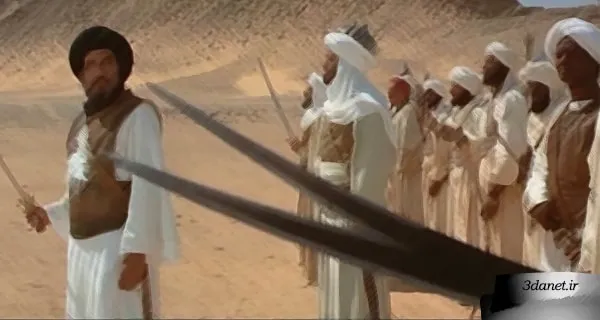
Often, while studying books of history, prophetic biography (sīra), and biographical dictionaries (ṭabaqāt), we encounter reports and narrations whose acceptance contradicts the clear dictates of the Qur'an or reason. Likewise, there are many narrations and reports which, regardless of the criteria of the Qur'an's clear verses and reason, cannot be reconciled with other narrations of the same type of signification and authenticity.
For example, in the most authoritative and famous books of history, hadith, sīra, and ṭabaqāt, such as Tārīkh al-Ṭabarī and Ṭabaqāt Ibn Saʿd, it is narrated that the Prophet, peace be upon him, uttered the verses cast by Satan, an incident known as the "Gharānīq" (The Cranes).[1] But can such a narration be accepted? Unfortunately, the dominance of a narrativist mentality has led to many such cases being accepted by the Muslim laity and elite throughout history, to the extent that a great traditionist like Ibn Ḥajar al-ʿAsqalānī (d. 852 AH) — who is also known as the Commander of the Faithful in Hadith — says about this very solitary report (khabar al-wāḥid)[2] of the Gharānīq: "Kathrat al-ṭuruq tadullu ʿalā anna lil-qiṣṣa aṣlan: The multiplicity of chains of transmission indicates that this story certainly has a basis."[3] Or, for instance, the great Shāfiʿī theologian and jurist, ʿAbd al-Qāhir al-Baghdādī (d. 429 AH), based on this same narrativist mentality, claims: "Wa qāla ahl al-sunna inna tilka al-kalima kānat min tilāwat al-shayṭān alqāhā fī khilāl tilāwat al-nabī: The Ahl al-Sunna have said that this word [Gharānīq] was from the recitation of Satan, which he cast during the recitation of the Prophet."[4]
Also, in the solitary reports (āḥād) compiled during the Abbasid era, it is mentioned that a Jewish sorcerer bewitched the Prophet, and he remained in this enchanted (bewitched) state for several days![5] This is while the Holy Qur'an explicitly states: «نَّحْنُ أَعْلَمُ بِمَا يَسْتَمِعُونَ بِهِ إِذْ يَسْتَمِعُونَ إِلَيْكَ وَإِذْ هُمْ نَجْوَىٰ إِذْ يَقُولُ الظَّالِمُونَ إِن تَتَّبِعُونَ إِلَّا رَجُلًا مَّسْحُورًا * انظُرْ كَيْفَ ضَرَبُوا لَكَ الْأَمْثَالَ فَضَلُّوا فَلَا يَسْتَطِيعُونَ سَبِيلًا» (al-Isrāʾ 47)[6]
And for example, the great Ḥanafī jurist and legal theorist Abū Bakr al-Rāzī, known as al-Jaṣṣāṣ (d. 370 AH), says in response to such reports: "Wa qad ajāzū min fiʿl al-sāḥir mā huwa aṭammu min hādhā wa afẓaʿ, wa dhālika annahum zaʿamū anna al-nabī ʿalayhi al-salām suḥira... wa mithl hādhihi al-akhbār min waḍʿ al-mulḥidīn talaʿʿuban bil-ḥashw al-ṭughām:
Regarding the act of the sorcerer, they have permitted something far more grievous and heinous [than other cases], and that is that they have claimed that the Prophet, peace be upon him, was bewitched... and the like of these reports are among the fabrications of the heretics, by which they toy with the riffraff and the lowly."[7]
In some reports, it is also mentioned that the Prophet, peace be upon him, ordered the assassination of certain poets or the massacre of captives and bound individuals! But can we accept something merely because a certain historian or traditionist included a report in his book and perhaps claimed its authenticity?
The Holy Qur'an itself explicitly states that the process of fabricating narrations and telling lies and slanders against the Seal of the Prophets, peace be upon him, began during his own lifetime: «وَيَقُولُونَ طَاعَه فَإِذَا بَرَزُوا مِنْ عِندِكَ بَيَّتَ طَائِفَه مِّنْهُمْ غَيْرَ الَّذِي تَقُولُ وَاللَّهُ يَكْتُبُ مَا يُبَيِّتُونَ» (al-Nisāʾ 81)[8] Al-Ṭabarī, in his commentary on this verse, narrates from Ibn ʿAbbās: "These people change what the Prophet, may God bless him and grant him peace, has said."[9]
همچنین در آیات دیگری بر فرایند افترا و دروغ بستن به پیامبر علیهالسلام به دست شیاطین جن و انس اشاره شده است که ما آن را «دسیسههای شیطان» مینامیم: «وَكَذَٰلِكَ جَعَلْنَا لِكُلِّ نَبِيٍّ عَدُوًّا شَيَاطِينَ الْإِنسِ وَالْجِنِّ يُوحِي بَعْضُهُمْ إِلَىٰ بَعْضٍ زُخْرُفَ الْقَوْلِ غُرُورًا وَلَوْ شَاءَ رَبُّكَ مَا فَعَلُوهُ فَذَرْهُمْ وَمَا يَفْتَرُونَ» (الانعام112)[10]
تراثشناس بزرگ معاصر حسن حنفی در کتاب اعاده علم السیره ـ جلد سوم از مجموعهی من النقل إلی العقل ـ به موضوع مهمی اشاره کرده است که خالی از لطف نیست در اینجا بدان اشاره نماییم و سپس مستقیماً وارد بررسی اخبار آحاد مربوط به اکذوبهی قتلعام بنیقریظه شویم:
«سیره، تاریخی است که بر روایات اتکا میکند: روایات ابن اسحاق و ابن هشام. سیره، تاریخی از خِلال روایت است و نه از خلال مشاهدهی عینی یا از خلال تحلیل روایات و استنباط مضمون آنها. سیره، تاریخ رؤیت راویان است بدون نقد این رؤیت به منظور رسیدن به رخدادهای تاریخی عینی [Objective]. سیره، تاریخی است که ابن خلدون درصدد خروج از آن و آشکارکردن اشتباهات مورخینی بود که در منابع خود، بر روایات بررسینشده اعتماد میکنند...[11] همه جای سیره انباشته از قال ابن اسحاق یا قال ابن هشام است. هیچ تاریخی ورای نقل قول وجود ندارد؛ بنابراین سیره، تاریخی ذهنی [Subjective] است و نه تاریخی عینی [Objective]»[12]
ما در ابتدا خلاصهای از ماجرای بنیقریظه را ـ بر اساس کهنترین روایت ـ بیان، و سپس از چند جهت، سستی و تهافت آن را اثبات مینماییم:
پیامبر علیهالسلام به محض ورود به مدینه، با یهودیان پیمان صلح بست. لکن در جریان جنگ خندق و دوران سخت محاصرهی مدینه به دست قبایل ستیزهجو، یهودیانبنیقریظه این پیمان را شکستند و زعیم آنان کعب بن اسد آمادگی خویش برای جنگ با اهالی مدینه را به گوش ستیزهجویان قریش رساند. وقتی خبر این عهدشکنی به پیامبر علیهالسلام رسید چند نفر از صحابه را برای بررسی صحت موضوع به سمت قلعههای بنیقریظه گسیل داشت. وقتی این فرستادگان پیامبر نزد بنیقریظه آمدند اوضاع را بسیار بدتر از شنیدهها یافتند به طوریکه سران بنیقریظه اعلان کردند: «پیامبر خدا دیگر کیست؟ هیچ عهد و پیمان دوستی میان ما و محمد وجود ندارد.»[13] پس از پایان محاصرهی مدینه ـ که به نام جنگ احزاب یا خندق معروف است ـ پیامبر علیهالسلام دستور داد به سرعت به سمت قلعههای یهودیان بنیقریظه حرکت کنند. محاصرهی این قلعهها تا تسلیم شدن کامل آنان، 25روز به طول انجامید.[14]
ابن هشام و دیگران نقل میکنند که در واپسین شب محاصره؛ کعب بن اسد قوم خود را جمع کرد و به آنان گفت: «من سه گزینه به شما ارائه میدهم. گفتند: چه گزینههایی؟ کعب پاسخ داد: [نخستین گزینه این است که] از این مرد [=محمد] پیروی کنیم و وی را تصدیق نماییم، واللّه که برای شما آشکار شده که او قطعاً پیامبر خداست... با اینکار، شما نسبت به جان و اموال و فرزندان و زنانتان در امان خواهید بود. یهودیان گفتند: خیر! ما هرگز حکم تورات را رها نمیکنیم... کعب گفت: حال که این گزینهی [نخستِ] مرا نپذیرفتید پس بیایید فرزندان و زنانمان را بکُشیم و سپس با شمشیرهای آخته به محمد و اصحابش یورش بریم... قومش گفتند: آیا این زنان و کودکان ضعیف را بکُشیم؟ و زندگی خوش پس از آنان چه معنایی دارد؟ کعب گفت: اگر این گزینه را نیز نمیپذیرید، پس بیایید امشب که شنبه شب است و احتمالاً محمد و اصحابش از عدم حملهی ما آسودهخاطر هستند، بر آنان حمله بریم... یهودیان بنیقریظه گفتند: چگونه شنبهمان را با اینکار خراب کنیم»[15]
After the Jews of Banu Qurayza rejected all three proposals of their leader, they sent someone to the Prophet—peace be upon him—asking him to send Abu Lubabah—one of the allies of the Aws tribe—to them for consultation. The Prophet—peace be upon him—accepted their request and sent Abu Lubabah to Banu Qurayza. Banu Qurayza sought his advice, and he suggested that they surrender, making them understand that if they surrendered they would be killed. After leaving the Jews, because he had disclosed their ultimate fate to them, Abu Lubabah considered himself a traitor to the Prophet and the Muslims; he went directly to the mosque and tied himself to a pillar of the mosque until, after six days, the Prophet—peace be upon him—announced that God had accepted Abu Lubabah’s repentance, and he himself untied his hands. In any case, the Jews of Banu Qurayza, knowing they would be killed, accepted Abu Lubabah’s opinion and surrendered without any conflict or resistance. At this point, the Aws tribe, who were former allies of Banu Qurayza, came to the Prophet—peace be upon him—and asked him to show leniency toward the Jews of Banu Qurayza. The Prophet—peace be upon him—said to them: “Would you be satisfied if a man from among yourselves judged concerning them?”[16] They accepted this proposal, and the Prophet—peace be upon him—delegated the judgment concerning Banu Qurayza to Sa‘d ibn Mu‘adh. Sa‘d then ruled as follows: “I judge concerning Banu Qurayza that their men be killed, their property be divided, and their women and children be taken captive.”[17] The Prophet—peace be upon him—was pleased with this judgment of Sa‘d and called it a divine decree that had received the seal of approval from beyond the seven heavens.[18] And the Jews of Banu Qurayza themselves said: “O Muhammad! We accept the judgment of Sa‘d ibn Mu‘adh.”[19] Continuing this story, Ibn Hisham writes: “The Messenger of God—may God bless him and grant him peace—imprisoned them in Medina in the house of a woman from Banu al-Najjar named Bint al-Harith. Then he went to the marketplace of Medina—which still exists today—and ordered trenches to be dug there; then the Jews of Banu Qurayza were brought and beheaded in those trenches group by group... The number of those killed was six hundred or seven hundred. Those who say the number of Banu Qurayza killed was higher have mentioned the figures of eight hundred and nine hundred.”[20]
This was a summary of the story of the Banu Qurayza massacre, as narrated from one of the oldest and most authoritative sources, namely Ibn Hisham’s Sira. The careful reader will certainly notice the enormous contradictions in this story at first glance, but we will demonstrate the falsity of this story from three perspectives:
A) Weakness in the narrative logic of the story
First objection: In this story, it is stated that the Jews rejected the proposal to fight the Prophet—peace be upon him—put forward by their leader, Ka‘b ibn Asad. So how is it possible that, knowing they would die and that their women and children would face a dark fate, they submitted to Abu Lubabah’s suggestion? And what superiority or advantage did Abu Lubabah’s suggestion have over the proposal of Ka‘b ibn Asad?
Second objection: In this story, it is stated that the Jews of Banu Qurayza voluntarily and eagerly invited Abu Lubabah al-Ansari to consult with him and ultimately accepted his opinion. They knew that Abu Lubabah was among the Muslims and the Companions of the Prophet—peace be upon him—and therefore was considered their enemy, not their friend. Now, under these circumstances and in the difficult conditions of their fortress being besieged by the Muslims, why should they accept the words of their enemy instead of obeying the leader and elder of their own people, namely Ka‘b ibn Asad?
Third Objection: Abū Lubāba, who was himself one of the prominent Muslims and Anṣār and who entered the fortress of Banū Qurayẓa with the permission and leave of the Prophet (peace be upon him), why did he not invite the Jews to become Muslims and to affirm the prophethood of the Seal of the Prophets (peace be upon him)? And why did the Prophet (peace be upon him) not tell Abū Lubāba to invite Banū Qurayẓa to Islam? This question is particularly crucial and vital given that the Jews of Banū Qurayẓa were receptive to Abū Lubāba’s opinion and view, and it was for this very reason that they invited him to their fortress. So, under these circumstances, why did he, instead of proposing that they become Muslims, summon them to mass death?
Fourth Objection: The same sources also state that on the night before Banū Qurayẓa surrendered, one of them named ʿAmr ibn Suʿdā left their fortress and surrendered himself to the Prophet (peace be upon him) and his companions, saying: “I am ʿAmr ibn Suʿdā... and I will never betray Muḥammad”[21] He went to the mosque and remained there until morning, thus escaping the death penalty. Great historians and traditionists such as Ibn al-Athīr al-Jazarī (d. 630 AH),[22] Ibn Ḥajar al-ʿAsqalānī (d. 852 AH)[23] and others have interpreted this action of his as converting to Islam and have counted ʿAmr ibn Suʿdā among the Companions of the Prophet.[24] In some narrations, it is stated that he declared his dissociation from his people’s breach of covenant and departed from among them.[25] With these details, it becomes clearer that becoming Muslim, or at least declaring dissociation from the betrayal of the Muslims, by any of the Jews of Banū Qurayẓa would have resulted in the salvation of them and their families. So, for what reason did they not submit to this matter?
Fifth Objection: Likewise, in this same story, it is stated that three other individuals present in the fortress—named Thaʿlaba ibn Saʿya, Usayd ibn Saʿya, and their uncle Asad ibn ʿUbayd—who were from the tribe of Banū Hudal,[26] on the night before Banū Qurayẓa surrendered to a self-chosen death, came out of the fortress and became Muslims. Al-Wāqidī writes: “These three became Muslims and secured safety for themselves, their families, and their property.”[27] This matter also proves that Banū Qurayẓa becoming Muslims—that is, the verbal affirmation of the Two Testimonies of Faith—would have resulted in saving their lives and preserving their property and families. So why did they not choose this simple path, and why did Abū Lubāba or the Prophet (peace be upon him) not present this proposal to them?
Sixth Objection: Regarding the number of those killed in this story, there is so much discrepancy that it further compounds its logical ruptures. We saw earlier that Ibn Hishām himself mentions several numbers: six hundred, seven hundred, eight hundred, and nine hundred.[28] Strangely, elsewhere Ibn Hishām, quoting Abū ʿAmr al-Madanī, puts this number at around four hundred![29] Al-Wāqidī has also added the number seven hundred and fifty to this set of figures.[30] Some early historians have even avoided providing the number of individuals altogether; for example, Qāsim ibn Sallām (d. 224 AH) merely says that a number of the men of Banū Qurayẓa were killed,[31] and in some manuscripts of this very book, the number forty is also mentioned.[32]
Seventh Objection: The narrations state that two men of the Banu Qurayza, named Rifaʿa ibn Samawʾal and Zubayr ibn Bata, were pardoned through the intercession of two Muslims. Rifaʿa asked Umm al-Mundhir to intercede for him with the Prophet, peace be upon him. The Prophet, peace be upon him, accepted Umm al-Mundhir’s request and spared Rifaʿa from execution.[33] It is said that Rifaʿa later became a Muslim.[34] Another man of the Banu Qurayza was Zubayr ibn Bata, who used Thabit ibn Qays as an intermediary so that the Prophet, peace be upon him, would spare his life, his property, and the captivity of his women and children. The Prophet, peace be upon him, accepted Thabit ibn Qays’s request and pardoned Zubayr ibn Bata. However, when Zubayr himself saw that all the elders of the Banu Qurayza had been killed, he said: “O Thabit! I ask you to join me to my people, for by God, after them, I see no joy in life... Thabit accepted his request and struck his neck.”[35]
Now, considering this episode, several other important questions arise: If the decree to massacre the adult men of the Banu Qurayza was a divine command, how then was this decree annulled through the mediation of two Companions in the cases of Rifaʿa and Zubayr ibn Bata? And can the intercession of relatives and acquaintances obstruct the execution of God’s command? If this intercession was so effective, why did the rest of those several hundred men not do the same to save themselves, their property, and their women and children?
Eighth Objection: According to all forms of the narrations of the Banu Qurayza fabrication, the Prophet, peace be upon him, played no role in issuing the verdict!! He first accepts the proposal of the Aws tribe and entrusts arbitration to one of their own—namely, Saʿd ibn Muʿadh—and then unconditionally accepts Saʿd’s judgment, describing it as the judgment of God. The question now is: What would the Prophet, peace be upon him, have done if Saʿd had decreed something other than the killing of the Banu Qurayza, for instance, the exile of the Jews, their pardon, or the trial of only the treacherous leaders—and not all the men? For in that case, Saʿd would have judged contrary to God’s command, and the Prophet, peace be upon him, due to the absolute promise he had given to the Aws, would have had to accept whatever judgment Saʿd rendered. So, by this account, would whatever Saʿd said be considered the judgment of God? And how is it possible for any judgment to be the judgment of God?
Ninth Objection: Why, in such a momentous matter, should the Prophet, peace be upon him, delegate the final judgment—due to tribal affiliations—to one of his Companions? Especially when their erring and going astray is also highly probable?
Tenth Objection: The Jews of the Banu Qurayza, who hid in their fortresses for more than twenty days out of fear for their lives, why did they so easily and without any resistance consent to their own deaths and the captivity of their women and children, and raise no objection or make any effort to save themselves or alter this decree? And why were they not even willing to utter the two formal sentences, “I bear witness that there is no god but God, and I bear witness that Muhammad is the Messenger of God,” to escape this bitter fate?
Eleventh Objection: If we assume the number of men killed was around six hundred, and also assume that two-thirds of these men had wives and children, the number of captives in this episode would ultimately be at least around eight hundred women and children. The question now is: What became of these hundreds of women and children? And how were their livelihood needs met? And why is there no trace of these individuals in history? It should be noted that this figure of eight hundred women and children is based on the minimum number of people; otherwise, according to the logic of this tale, this number could be estimated in the thousands.
We have enumerated eleven major problems with this story, even though the existence of just two or three of these deep contradictions and logical ruptures could cause the entire edifice of this affair to collapse.
B) The Weakness of the Story’s Logic from the Quranic Perspective
Twelfth Objection: The Holy Qur’an has confined the fate of captives to freedom, whether with ransom or without ransom (Muhammad 4). Of course, the case of the few individuals who committed other crimes before the outbreak of war can be set apart. After being taken captive, these individuals must be tried for those other crimes. It is clear that the case of the vast majority of ordinary soldiers who are taken captive is separate from that of the few criminals and aggressor ringleaders.
This matter has even been raised in modern legal issues, and the modern term “war crime”[36] that exists in discussions of international law carries this very meaning:
“An act that occurs during war and violates the accepted international laws of war.”[37]
“A crime, such as genocide or mistreatment of prisoners, that occurs during or in connection with war.”[38]
Of course, it is evident that these modern legal concepts cannot be considered exact equivalents of concepts from ancient times, yet traces of these very concepts can be found in a simple and rudimentary form within the legal frameworks of that era as well.
A prisoner of war is someone who is captured during a military confrontation. It is therefore highly probable that the captive, during the war and before their capture, killed or wounded one or more individuals from the opposing side. Yet, despite such a probability, the Qur’anic ruling regarding prisoners of war remains an exceedingly humane one, ultimately leading to their freedom. It is clear that those of the Banu Qurayza who surrendered are even more deserving of compassion than captives, because they did not have the ability to fight and harm the Muslims, and in practice, they did not fight the Muslims in order to be taken captive. Consequently, the manner of dealing with them should have been far more merciful than the manner of dealing with prisoners of war captured during battle. How is it, then, that according to this falsehood, all the men of the Banu Qurayza—who themselves surrendered without resistance—are put to death?
Thirteenth Objection: Even supposing that the punishment for the treason and covenant-breaking of the elders and leaders of the Banu Qurayza is death—which it is not—is it just to extend the punishment specific to their treasonous chiefs and leaders to all their adult males? This is despite the fact that the Holy Qur’an repeatedly states: “No bearer of burdens shall bear the burden of another” (Al-Isra 15, Al-An‘am 164, etc.).[39]
Fourteenth Objection: The Holy Qur’an enumerates one of the qualities of the Abrar (the righteous) as follows: “And they give food, out of love for Him, to the needy, the orphan, and the captive” (Al-Insan 8).[40] Is the killing of hundreds of people who surrendered without any resistance truly compatible with the purport of this verse and the image the Holy Qur’an presents of the noble Prophet, peace and blessings be upon him?[41]
Fifteenth Objection: Most exegetes have claimed that these verses were revealed concerning the Jews of the Banu Qurayza: “And He brought down those of the People of the Book who supported them from their strongholds, and cast terror into their hearts; a party you killed, and a party you took captive” (Al-Ahzab 26).[42]
If this claim is correct, this very verse is the greatest refutation of this story; because this verse refers to those who aided the aggressors in the Battle of the Trench, and then some of them were killed in the conflict with the Muslims, and some were taken captive. In this verse, there is no mention of the captivity of women and children; rather, it says that a group of these traitors were taken captive and a group were killed. And it is clear that there is a difference between “captive” and “surrendered.” Captives are often taken prisoner on the battlefield due to injury, or they surrender to the enemy upon seeing a deficiency or loss of combat capability. However, in this Abbasid fabrication, the surrendered men of Banu Qurayza bear no resemblance to captives; for they essentially did not enter into a military conflict to be considered captives. Rather, they voluntarily and without any resistance surrender to the decree of mass death!
We will show at the end of this writing that if the sole evidence for the Banu Qurayza affair were this verse, the entire affair occurred in a different manner, which even some narrations confirm, and we will point them out.
Sixteenth Objection: The Holy Quran, describing the rebellious Jews, says: “And you will surely find them the most covetous of people for life, [even] more than those who associate others with Allah. One of them wishes that he could be granted life a thousand years, but it would not remove him in the least from the [coming] punishment that he should be granted life. And Allah is Seeing of what they do.” (Al-Baqarah 96)[43]
Al-Tabari writes in his commentary: “This verse says: O Muhammad! You will certainly find the Jews to be the most covetous of people for the life of this world, and they have a greater aversion to death than other people.” He then transmits this same interpretation from Ibn Abbas, Mujahid, and others.[44] There is no doubt that the foundation of the Banu Qurayza fabrication contradicts the explicit meaning of this verse. In all forms of the Banu Qurayza narrations, the reader is led to believe that hundreds of Jews, even at the cost of the death and captivity of their women and children, are unwilling to abandon their ideals, and the forgers of the Abbasid era have crafted a heroic image of them! This is while, according to those same narrations, if any one of them had renounced his treachery, or sought someone’s mediation and intercession, or had agreed—even superficially—to become a Muslim and utter the Shahada, he would certainly have survived this peril. How is it, then, that hundreds or dozens of rebellious and treacherous Jews, who according to the Quran’s description are the most covetous and greedy of people for preserving life and continuing to live, and who harbor the wish for a thousand-year life, would agree so easily to surrender to a self-willed death and such a bitter end??
C) The Weakness of the Story’s Chain of Transmission from the Perspective of the Science of Narrator Criticism
Seventeenth Objection: Narrations related to the Sirah were exchanged orally for a long time until the Abbasid Caliph Al-Mansur (158 AH) tasked Ibn Ishaq with compiling a historical book from the time of Adam to his own era for his son Al-Mahdi. After the compilation of Ibn Ishaq’s book, Al-Mansur abridged it and placed the original book in the treasury.[45] Ibn Ishaq died in the year 151 AH.[46] Then Ibn Hisham (218 AH) compiled his famous Sirah based on the history of Ibn Ishaq. In addition to the alterations made by Al-Mansur, Ibn Hisham, and others to Ibn Ishaq’s book, it is entirely obvious that the differences among narrators, their whims and desires, weak memory, forgetfulness, the lack of writing materials, and so on, would have affected these narrations. It is also natural that these narrations would have been influenced by the era of their compilation, the prevailing culture of that time, and the personality of the author or authors. In what follows, we will take a brief look at what some of the great scholars of narrator criticism have said about Muhammad ibn Ishaq ibn Yasar—known as Ibn Ishaq—and examine the credibility of his narrations from the perspective of the scholars of narrator criticism.
Ibn Ishaq was born in Medina in the year 80 AH.[47] His grandfather, Yasar, was among the captives of the Battle of 'Ayn al-Tamr and the first captive to enter Medina from Iraq.[48] Thus, Ibn Ishaq's grandfather was from the mawali[49] and naturally, he himself was also known in Medina by the attribute of mawla. An interesting point regarding the Battle of 'Ayn al-Tamr is that the story of the conquest of this fortress by Khalid ibn al-Walid is similar to the story of Banu Qurayza; that is, in the affair of 'Ayn al-Tamr, Khalid also killed all the male captives—meaning the ancestors of Ibn Ishaq. Al-Tabari, under the events of the year 12 AH, writes: "Khalid turned his attention to the people inside the fortress and encamped there. 'Aqqa and 'Amr ibn al-Sa'q were also with him, and these two had hoped that Khalid would be like other Arab warriors. When they saw that Khalid intended to kill them, they sought amnesty from him, but Khalid did not accept... When they conquered the fortress, Khalid handed them over to the soldiers, and they were taken captive. Khalid ordered that 'Aqqa—who was the protector of his people—be beheaded, so that the other captives would despair of staying alive... Khalid then summoned 'Amr ibn al-Sa'q and beheaded him, and he beheaded all the inhabitants of the fortress as well."[50]
It is not unlikely that traces of fabrication and forgery exist in this narration as well, and that Ibn Ishaq, under the influence of such narrations, fabricated the affair of Banu Qurayza. Now, let us see what the opinion of the hadith scholars and experts in rijal (biographical evaluation) is regarding Ibn Ishaq.
Ibn Sa'd says: "And among the people are those who have spoken against him"[51] meaning some have accused him of lying.
The great rijal scholar Abu Ja'far al-'Uqayli (d. 322 AH) classified him among the weak narrators, and he narrates from the great early hadith scholars: Malik ibn Anas (the founder of the Maliki school), Hisham ibn 'Urwa, and Yahya ibn Sa'id al-Qattan, that all of them called Ibn Ishaq a liar.[52] Sulayman al-Taymi also explicitly called him a liar.[53] Differing opinions have been narrated from Yahya ibn Ma'in about Ibn Ishaq, in one of which he deemed Ibn Ishaq weak.[54] Ahmad ibn Hanbal also accused him of tadlis (concealing defects in transmission) and said about him: "His narration is not authoritative proof"[55] Al-Nasa'i—one of the authors of the Six Canonical Hadith Collections of the Sunnis (al-Sihah al-Sitta)—said about Ibn Ishaq: "He is not strong," and al-Daraqutni also considered his narration to lack the power of being used as proof.[56]
In addition to these, Ibn al-Jawzi al-Hanbali (d. 597 AH) and the prominent rijal scholar Ibn 'Adi al-Jurjani (d. 365 AH) have also listed Ibn Ishaq among the weak and unreliable narrators.[57]
Although the majority of hadith scholars and rijal experts have accused Ibn Ishaq of weakness and lying, some have also deemed him trustworthy. However, we have sufficed here with mentioning only a portion of the criticisms and disparagements leveled against him, in order to recall this important rijal principle: that the disparagement (jarh) of a narrator takes precedence over his accreditation (ta'dil), meaning the existence of an accusation against a narrator causes the weakness of his reliability, even if he has simultaneously been praised. Ibn Hajar al-'Asqalani writes: "Al-Khatib al-Baghdadi said: The scholars agree that whenever one or two persons disparage a narrator, and the same number praise and accredit him, ultimately the disparagement of the narrator has priority... Therefore, for this reason, disparagement takes precedence over accreditation. Al-Khatib [al-Baghdadi] says: If a group deems a narrator to be upright, and a relatively smaller number disparages that same narrator, in this case, the opinion of the majority of scholars is that adopting the disparagement of the narrator and acting upon its requirements has priority."[58]
Ibn Khaldun also says in the Muqaddimah: “It is well known among the hadith scholars that jarḥ (discrediting) takes precedence over taʿdīl (accreditation). Thus, whenever we find a defect in a narrator—whether due to negligence, a flaw in the ability to retain the narration, or ill opinion—these defects affect the soundness of the hadith and weaken it.”[59]
Therefore, according to the classical principles of the scholars of rijāl, the existence of the slightest indication or evidence against any of Ibn Ishaq’s narrations would lead to that narration being stripped of its degree of reliability, let alone in the case of a contradictory and bizarre narration like the Banu Qurayza massacre.
Concluding Remarks
Flawed narrations such as the story of Banu Qurayza have been subject to serious criticism and opposition from the very beginning of their fabrication and invention; it is not the case that these criticisms are a product of the contemporary era. For example, Ibn Ḥibbān al-Bustī (d. 354 AH) cites one of the reasons for Imam Mālik ibn Anas’s (d. 179 AH) intense opposition to Ibn Ishaq and his rejection of him as follows:
“Indeed, Mālik reproached Ibn Ishaq for following the transmissions of the descendants of the Jews who had converted to Islam concerning the battles of the Prophet, may God bless him and grant him peace; new Muslims who had preserved the stories of Khaybar, Qurayza, and al-Naḍīr, and similar tales, from their forebears, and Ibn Ishaq followed their transmissions.”[60]
Unfortunately, however, the majority of contemporaries, under flimsy pretexts, have resorted to sanctifying the transmissions of the historians and hadith scholars of the centuries in which the Muslim heritage was compiled, and without the slightest criticism, they busy themselves with justifying those very transmissions. Ḥasan Ḥanafī says: “Criticism is absent from most contemporary sīra [writings], because the old criticism remains fraught with risk.”[61]
How many books there are that, under the guise of pompous titles such as “A New Approach to…”, “A Study in…”, “A New Study in…”, and so on, are in fact engaged in repeating and imitating the very products of the Abbasid era and untie none of the knots of its problems and inconsistencies.[62] Of course, among these, a few scholars and researchers can also be found who have entered this field in a scholarly manner. Regarding the Banu Qurayza affair, in addition to predecessors like Imam Mālik, some contemporary heritage scholars have also not accepted this affair—in the form in which it is widespread. Professor Jaʿfar Shahīdī writes:
“The story of the massacre of the Banu Qurayza Jews was founded from the beginning on the rivalries between the Aws and the Khazraj. The Aws said to the Prophet: Treat our allies as you treated the allies of the Khazraj, and grant us the captives! The Prophet did not accept and entrusted the judgment to Saʿd ibn Muʿādh. In this account, the narrator of the story, who is probably from the Khazraj tribe or recounts the story to their advantage, wants to show the dignity of his own people in the eyes of the Prophet as greater than that of their rivals. The discrepancy seen in how the captives were killed is also noteworthy... Beyond this, we have seen the Prophet’s conduct in the battles before and after Banu Qurayza. He always preferred compassion and forgiveness over vengeance and massacre... But in any case, one clear truth emerges, and that is that in accepting the documents of the first and second centuries (the period before written documentation), one should not rely solely on the transmission of narrators... In the case of the Banu Qurayza Jews, external indications generally refute the occurrence of such a mass killing. It seems that the story of Banu Qurayza was manipulated and written down years after the date of the event, when the generation present at that siege had passed away, by a storyteller from the Khazraj clan, in order to show thereby that the esteem of the Aws tribe in the eyes of the Prophet (PBUH) was not equal to that of the Khazraj tribe, and that is why the Prophet did not kill the allies of the Khazraj but beheaded the allies of the Aws. And he also wanted to show that the chief of the Aws tribe did not observe the rights of his allies.”[63]
Dr. Walid Arafat has also challenged the narrative documentation of this falsehood in a detailed article,[64] and Dr. Barakat Ahmad has examined the contradictions of this affair at length in his book,[65] while Dr. Hassan Hanafi considers it contradictory to the mercy of Islam, the forgiveness of the Prophet, and individual punishment.[66]
In conclusion, it must be said that if these narrations contain any grain of truth, they must be reconstructed in such a way that they do not contradict the established facts of the Quran and other rational and textual evidence. In some narrations, evidence can be found indicating that the story of Banu Qurayza occurred in a manner different from the well-known and conventional account, which we believe more closely resembles reality. For example, al-Waqidi writes:
“Thawri narrated to me from Abd al-Karim al-Jazari, from Ikrimah, that during the battle of Banu Qurayza, a man from the Jews said: ‘Who will fight me?’ Al-Zubayr rose against him and fought him.”[67]
This narration indicates that Banu Qurayza had practically entered the fray, and although al-Waqidi casts doubt on the attribution of this narration to the Banu Qurayza affair,[68] it must be said that if the Banu Qurayza affair is reconstructed as narrated in the Quran, it will change from a massacre of captives to a military confrontation, and the story will become that some Jews of Banu Qurayza actually engaged in a military confrontation with the Prophet, peace be upon him, and ultimately some of them were killed in battle, and those who survived were taken captive by the Muslims:
“وَأَنزَلَ الَّذِينَ ظَاهَرُوهُم مِّنْ أَهْلِ الْكِتَابِ مِن صَيَاصِيهِمْ وَقَذَفَ فِي قُلُوبِهِمُ الرُّعْبَ فَرِيقًا تَقْتُلُونَ وَتَأْسِرُونَ فَرِيقًا” (Al-Ahzab 26)[69]
.
.
References
— Ibn al-Athir, Ali ibn Muhammad. Usd al-Ghabah fi Ma'rifat al-Sahabah. Beirut: Dar al-Fikr, 1989.
— Ibn Hajar, Ahmad ibn Ali al-Asqalani. Al-Isabah fi Tamyiz al-Sahabah. Beirut: Dar al-Kutub al-Ilmiyyah, 1415, 1st ed.
— Ibn Hajar, Ahmad ibn Ali al-Asqalani. Tahdhib al-Tahdhib. India: Matba'at Da'irat al-Ma'arif al-Nizamiyyah, 1326, 1st ed.
— Ibn Hajar, Ahmad ibn Ali al-Asqalani. Fath al-Bari Sharh Sahih al-Bukhari. Beirut: Dar al-Ma'rifah, 1379.
— Ibn Hajar, Ahmad ibn Ali al-Asqalani. Lisan al-Mizan. Beirut: Mu'assasat al-A'lami lil-Matbu'at, 1971, 2nd ed.
— Ibn Khaldun, Abd al-Rahman ibn Muhammad. Diwan al-Mubtada' wa al-Khabar. Beirut: Dar al-Fikr, 1988, 2nd ed.
— Ibn Sa'd, Muhammad. Al-Tabaqat al-Kubra. Beirut: Dar Sadir.
— Ibn Hisham, Abd al-Malik. Al-Sirah al-Nabawiyyah. Egypt: Sharikat Maktabat wa Matba'at Mustafa al-Babi al-Halabi wa Awladuh, 1955, 2nd ed.
— Abu Ubayd, al-Qasim ibn Sallam. Al-Amwal. Cairo: Dar al-Shuruq, 1989, 1st ed.
— Ahmad, Barakat. Muhammad and the Jews. Translated by: Mahmoud Ali Murad. Cairo: Al-Hay'ah al-Misriyyah al-Ammah lil-Kitab, 1996.
— Adak, Saber. Prophetic Mercy, Jahili Violence. Tehran: Kavir Publishing, 1389 Sh., 1st ed.
— Amin, Ahmad. Duha al-Islam. Cairo: Al-Hay'ah al-Misriyyah al-Ammah lil-Kitab.
— Amin, Ahmad. Fajr al-Islam. Beirut: Dar al-Kitab al-Arabi, 10th ed.
— al-Bukhārī, Muḥammad ibn Ismāʿīl. Ṣaḥīḥ al-Bukhārī. Dār Ṭawq al-Najāh, 1422, 1st ed.
— al-Bustī, Muḥammad ibn Ḥibbān. al-Thiqāt. India: Dāʾirat al-Maʿārif al-ʿUthmāniyya bi-Ḥaydar Ābād, 1973, 1st ed.
— al-Baghdādī, ʿAbd al-Qāhir ibn Ṭāhir. al-Farq bayn al-Firaq. Beirut: Dār al-Āfāq al-Jadīda, 1977, 2nd ed.
— al-Jaṣṣāṣ, Aḥmad ibn ʿAlī. Aḥkām al-Qurʾān. Beirut: Dār al-Kutub al-ʿIlmiyya, 1994, 1st ed.
— al-Jawzī, ʿAbd al-Raḥmān ibn ʿAlī. al-Ḍuʿafāʾ wa-l-Matrūkūn. Beirut: Dār al-Kutub al-ʿIlmiyya, 1406, 1st ed.
— Ḥanafī, Ḥasan. Min al-Naql ilā al-ʿAql. Cairo: al-Hayʾa al-Miṣriyya al-ʿĀmma li-l-Kitāb, 2013.
— al-Dhahabī, Muḥammad ibn Aḥmad. Siyar Aʿlām al-Nubalāʾ. Beirut: Muʾassasat al-Risāla.
— al-Dhahabī, Muḥammad ibn Aḥmad. Mīzān al-Iʿtidāl fī Naqd al-Rijāl. Beirut: Dār al-Maʿrifa li-l-Ṭibāʿa wa-l-Nashr, 1963, 1st ed.
— Shahīdī, Sayyid Jaʿfar. Tārīkh-i Taḥlīlī-yi Islām tā Pāyān-i Umawiyān. Tehran: Markaz-i Nashr-i Dānishgāhī, 1385 Sh., 38th ed.
— Ṣādiqī, Muṣṭafā. Payāmbar va Yahūd-i Ḥijāz. Qom: Būstān-i Kitāb, 1385 Sh.
— al-Ṭabarī, Muḥammad ibn Jarīr. Tārīkh al-Ṭabarī (Tārīkh al-Umam wa-l-Mulūk). Beirut: Dār al-Kutub al-ʿIlmiyya, 1407, 1st ed.
— al-Ṭabarī, Muḥammad ibn Jarīr. Tafsīr al-Ṭabarī (Jāmiʿ al-Bayān fī Taʾwīl al-Qurʾān). Beirut: Muʾassasat al-Risāla, 2000, 1st ed.
— al-ʿUqaylī, Muḥammad ibn ʿAmr. al-Ḍuʿafāʾ al-Kabīr. Beirut: Dār al-Kutub al-ʿIlmiyya Beirut, 1998, 2nd ed.
— al-Nawawī, Yaḥyā ibn Sharaf. al-Taqrīb wa-l-Taysīr fī Uṣūl al-Ḥadīth. Translated and annotated by: Sayyid ʿAdnān Falāḥī. Tehran: Nashr-i Iḥsān, 1394 Sh., 1st print.
— al-Wāqidī, Muḥammad ibn ʿUmar. al-Maghāzī. Beirut: Dār al-Aʿlamī, 1989, 3rd ed.
.
.
[1]. See: Ibn Saʿd, al-Ṭabaqāt al-Kubrā, 1/205 and al-Ṭabarī, Tārīkh al-Ṭabarī, 1/551
[2]. Khabar al-Wāḥid (solitary report) refers to a narration or hadith that has not reached the degree of 'tawātur' (mass-transmission). Such reports, from the perspective of the majority of scholars of Muslim schools, yield probability (ẓann) and cannot confer certainty. For a detailed study on this matter, refer to the introduction by the author of these lines to this book: al-Nawawī, al-Taqrīb wa-l-Taysīr fī Uṣūl al-Ḥadīth, translated by Sayyid ʿAdnān Falāḥī, pp. 9–22.
[3]. Ibn Ḥajar, Fatḥ al-Bārī, 8/439
[4]. al-Baghdādī, al-Farq bayn al-Firaq, p. 210
[5]. For example, see: Ibn Hishām, al-Sīra al-Nabawiyya, 1/515 and: al-Bukhārī, Ṣaḥīḥ al-Bukhārī, nos. 3268, 5763, etc.
[6]. We know best how they listen to it, and when they hold secret councils, when these wrongdoers say: 'You are following none but a bewitched man.' * Behold how they coin similitudes for you, and thus have gone astray, so they cannot find a way [to the truth]. / Translation by Masʿūd Anṣārī
[7]. al-Jaṣṣāṣ, Aḥkām al-Qurʾān, 1/58, 59
[8]. They say, "We obey," but when they leave you, a group of them spends the night saying something other than what you said. God records what they say / Bakhtiarinejad translation
[9]. Al-Tabari, Tafsir al-Tabari, 8/565
[10]. And thus We have appointed for every prophet enemies—devils from among mankind and jinn—inspiring one another with adorned speech as delusion. If your Lord had willed, they would not have done it; so leave them with what they fabricate / Ayati translation
[11]. Of course, the extent to which Ibn Khaldun succeeded in this endeavor is an entirely separate matter.
[12]. Hanafi, Min al-Naql ila al-ʿAql, 3/19
[13]. Ibn Hisham, Al-Sirah al-Nabawiyyah, 2/222
[14]. Ibid., 2/235
[15]. Ibid., 2/235, 236
[16]. Ibid., 2/239
[17]. Ibid., 2/240
[18]. Ibid., 2/240
[19]. Ibid., 2/240
[20]. Ibid., 2/240, 241
[21]. Ibid., 2/238
[22]. See: Ibn al-Athir, Usd al-Ghabah fi Maʿrifat al-Sahabah, 3/726
[23]. See: Ibn Hajar, Al-Isabah fi Tamyiz al-Sahabah, 4/525
[24]. Ibn Hajar writes about ʿAmr ibn Suʿda: "Al-Tabari, al-Baghawi, Ibn Shahin, and others have mentioned him among the Companions... He left the fortress of Banu Qurayza until he came to the mosque of the Prophet, may God bless him and grant him peace, spent the night there, and became a Muslim." (Ibn Hajar, Al-Isabah fi Tamyiz al-Sahabah, 4/525)
[25]. See: Al-Waqidi, Al-Maghazi, 2/504
[26]. See: Ibn Hisham, Al-Sirah al-Nabawiyyah, 2/238
[27]. Al-Waqidi, Al-Maghazi, 2/503
[28]. See: Ibn Hisham, Al-Sirah al-Nabawiyyah, 2/241
[29]. Ibid., 2/503
[30]. See: Al-Waqidi, Al-Maghazi, 2/518
[31]. See: Abu ʿUbayd, Al-Amwal, p. 216
[32]. See: Sadeghi, The Prophet and the Jews of Hijaz, p. 185
[33]. See: Ibn Hisham, Al-Sirah al-Nabawiyyah, 2/244
[34]. See: Al-Waqidi, Al-Maghazi, 2/515
[35]. Ibn Hisham, Al-Sirah al-Nabawiyyah, 2/243
[36]. Its Arabic equivalent is "war crime."
[37]. Concise Oxford English Dictionary
[38]. Merriam-Webster Collegiate Dictionary
[39]. No bearer of burdens shall bear the burden of another / Fooladvand translation
[40]. And they give food, despite their love for it, to the needy, the orphan, and the captive / Ayati translation
[41]. The Holy Quran considers the Seal of the Prophets, peace be upon him and his household, a mercy to all humankind, not just Muslims: «And We have not sent you except as a mercy to the worlds» (Al-Anbiya 107)
[42]. He brought down those of the People of the Book who had supported them from their fortresses and cast terror into their hearts. A group you killed, and a group you took captive / Ayati translation
[43]. And you will surely find them the most covetous of people for life, [even more] than those who associate partners with God. Each one of them wishes he could be granted a life of a thousand years, but even if he were granted such a life, it would not remove him from the punishment; and God is Seeing of what they do / Fooladvand translation
[44]. Al-Tabari, Tafsir al-Tabari, 2/369,370
[45]. See: Amin, Duha al-Islam, 2/329,330
[46]. See: Ibn Sa'd, al-Tabaqat al-Kubra, 7/322
[47]. See: al-Dhahabi, Siyar A'lam al-Nubala', 7/34
[48]. Ibid, 7/35
[49]. Mawali is the plural of the word 'mawla'. Professor Ahmad Amin writes: 'A master could free his male or female slave, that is, restore their freedom to them. However, even after emancipation, a relationship remained between the manumitter (mu'tiq) and the freed person (mu'taq). This relationship is called wala'... For example, they say: Zayd ibn Haritha, mawla of the Messenger of God, meaning freed by the Prophet... And there is another type of wala' that is not due to manumission, but rather when a person became Muslim at the hands of another and made a pact with him, he came under his wala'.' (Amin, Fajr al-Islam, p.89)
[50]. Al-Tabari, Tarikh al-Tabari, 2/324
[51]. Ibn Sa'd, al-Tabaqat al-Kubra, 7/322
[52]. See: al-'Uqayli, al-Du'afa' al-Kabir, 4/23,24
[53]. See: al-Jawzi, al-Du'afa' wa al-Matrukin, 3/41
[54]. See: Ibn Hajar, Tahdhib al-Tahdhib, 9/44
[55]. Al-Dhahabi, Siyar A'lam al-Nubala', 7/46
[56]. Al-Dhahabi, Mizan al-I'tidal fi Naqd al-Rijal, 3/469
- 11. See: al-Jurjani, al-Kamil fi Du'afa' al-Rijal, 7/254–270 and: al-Jawzi, al-Du'afa' wa al-Matrukin, 3/41
[58]. Ibn Hajar, Lisan al-Mizan, 1/15
[59]. Ibn Khaldun, Diwan al-Mubtada' wa al-Khabar, 1/389
[60]. al-Busti, al-Thiqat, 7/382
[61]. Hanafi, Min al-Naql ila al-ʿAql, 3/30
[62]. Lest we be accused of speaking in generalities, it is not amiss to point to one of the recently published examples of this type of book, which has also been examined by the present writer: the book Rasul-i Khatam (An Analytical Study of the Life of the Prophet of Islam) by our esteemed brother Mr. Davoud Naroui, which, despite its grandiose title, is a modern-day copy of the writings of al-Waqidi, Ibn Hisham, al-Bayhaqi, and the like.
[63]. Shahidi, Tarikh-i Tahlili-yi Islam, pp. 88–90
[64]. The details of his article, which has also been translated into Persian, are as follows:
W. N. Arafat, New Light on the Story of Banu Qurayza and the Jews of Medina, Journal of the Royal Asiatic Society of Great Britain and Ireland (1976), pp. 100-107
[65]. See: Ahmad, Muhammad wa al-Yahud, pp. 125–158
[66]. See: Hanafi, Min al-Naql ila al-ʿAql, 3/356
[67]. al-Waqidi, al-Maghazi, 2/504
[68]. Ibid., 2/505
[69]. He brought down those of the People of the Book who had supported them from their strongholds and cast terror into their hearts. A group you slew, and a group you took captive / Ayati's translation
.
.
The Devil's Machinations (Seventeen Objections to the Fabrication of the Banu Qurayza Massacre)
Author: Adnan Fallahi
.
.



Discussion0 comments
No comments yet; let yours be the first voice.