Environment
The Ozone Layer: The Story of Humanity's Most Successful Environmental Action
Decades ago, the hole in the ozone layer was a headline-grabbing threat, but reducing the production of destructive substances like chlorofluorocarbons resolved the crisis. This story is a hopeful example of humanity's most successful environmental action in the face of a major crisis.

The Ozone Layer: The Story of Humanity's Most Successful Environmental Action
Author: Alireza Kadivar (Statistics Graduate and Data Analyst)
Source: A Minute for Reflection (Daghigheh Analytical Magazine)
A few decades ago, the ozone layer was at the top of the world's news. In the mid-1980s, scientists discovered that the rate of ozone molecule destruction in the second layer of the Earth's atmosphere was so severe that there might be nothing left until the end of life on the planet. The ozone layer crisis was so much in the spotlight that the discussion of the "ozone hole" even found its way into everyday conversation. For example, you might have wanted to buy hairspray or some spray, and your friend would say, "Don't buy it, it'll make a hole in the ozone layer!" But today, there is no trace of it in the news. What is the story?!
The issue of the thinning ozone layer disappeared from the world news because, through a vast and unparalleled effort, the production and emission of ozone-depleting substances in the world was reduced to almost zero. The story of the ozone layer is an instructive and hopeful example of confronting a major environmental crisis, because, unlike many of today's complex and unsolvable problems, human society succeeded in "solving" it.
The Story of the Ozone Layer in Simple Terms
The ozone molecule (O3) is composed of three oxygen atoms. Ozone in city air is considered a pollutant, and breathing it causes respiratory problems. But a little further from the Earth's surface, at an altitude of 16 to 48 kilometers in the second layer of the atmosphere (the stratosphere), ozone molecules act like a sturdy shield, blocking the sun's dangerous radiation from reaching the Earth and protecting life on the planet. Nearly 90% of the ozone present in the Earth's atmosphere is located in this 32-kilometer layer, which is called the "ozone layer."
Of course, the ozone molecule is not at all dominant in the stratosphere in terms of numbers. Out of every one million molecules in this layer, only 1 to 10 are ozone, and the rest are oxygen and nitrogen, but this amount is enough for 95 to 99.9 percent of the sun's high-energy rays, such as ultraviolet radiation, to be absorbed in the ozone layer and for life on Earth to continue.
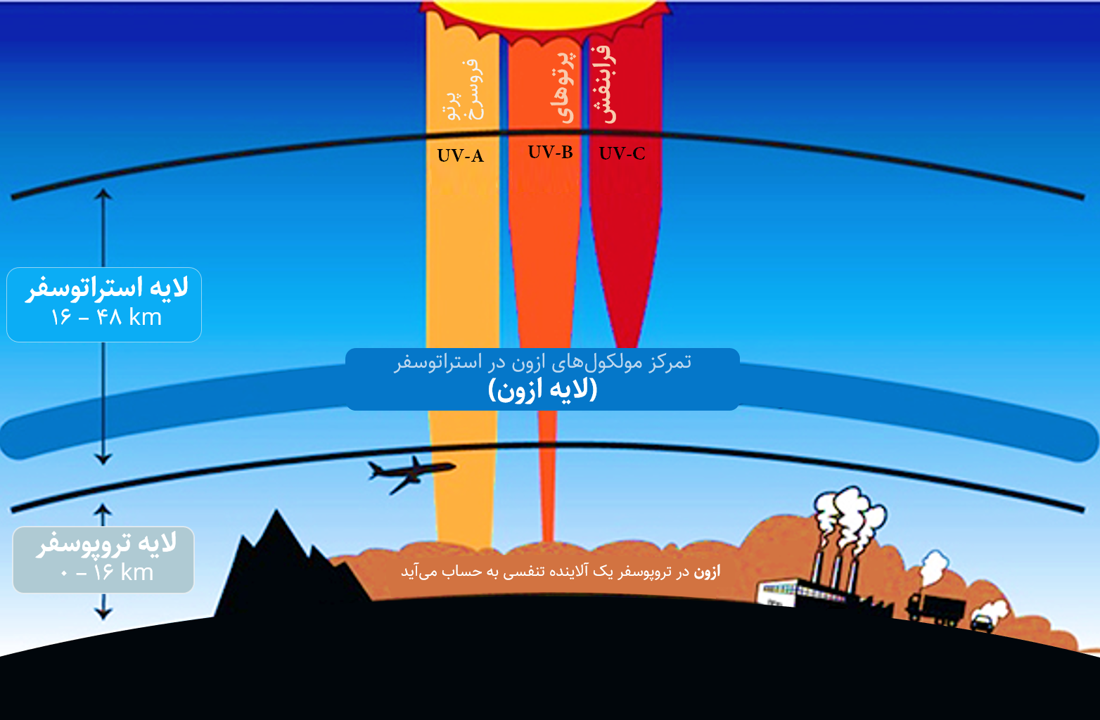
The ozone layer was first discovered in 1913 by two French physicists named Charles Fabry and Henri Buisson. They noticed the difference in solar radiation at the Earth's surface at higher altitudes and concluded that part of the radiation is absorbed at a specific altitude from the Earth's surface. Their subsequent experiments showed that ozone was responsible.
The importance of ozone in the stratosphere led to the establishment of various stations for measuring ozone from the 1930s to the 1960s. These stations were created through the efforts of an English physicist and meteorologist named Gordon Dobson. The unit for measuring the concentrated ozone concentration in the stratosphere is also named after this scientist.
Strange and Unbelievable?!
In the 1970s, NASA scientists noticed for the first time a decrease in ozone concentration in the stratosphere. However, they attributed it to errors in new measurement equipment and the natural fluctuation of the ozone layer's thickness across different seasons. But the ozone concentration in the South Pole was also measured by British researchers using previous methods, and its lowest level in nearly four decades was recorded. This amount was almost 10% less than the usual ozone concentration in this layer.
The First Step to Discovering the "Root Cause"
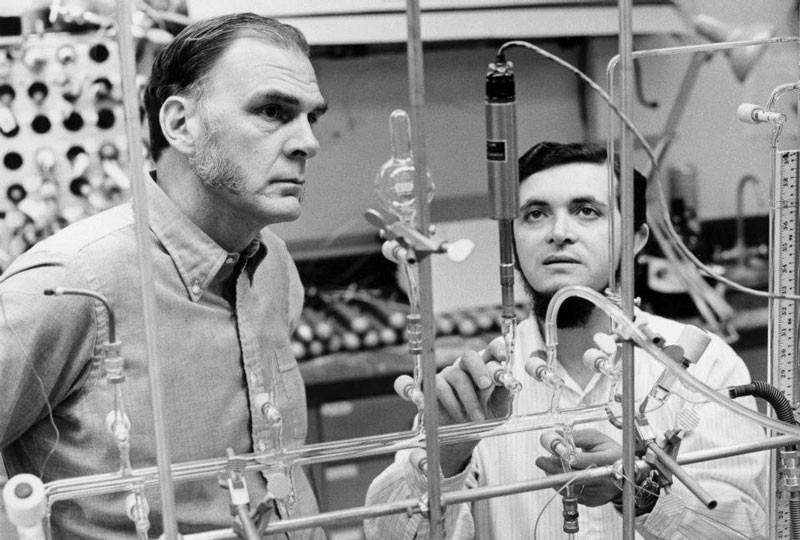
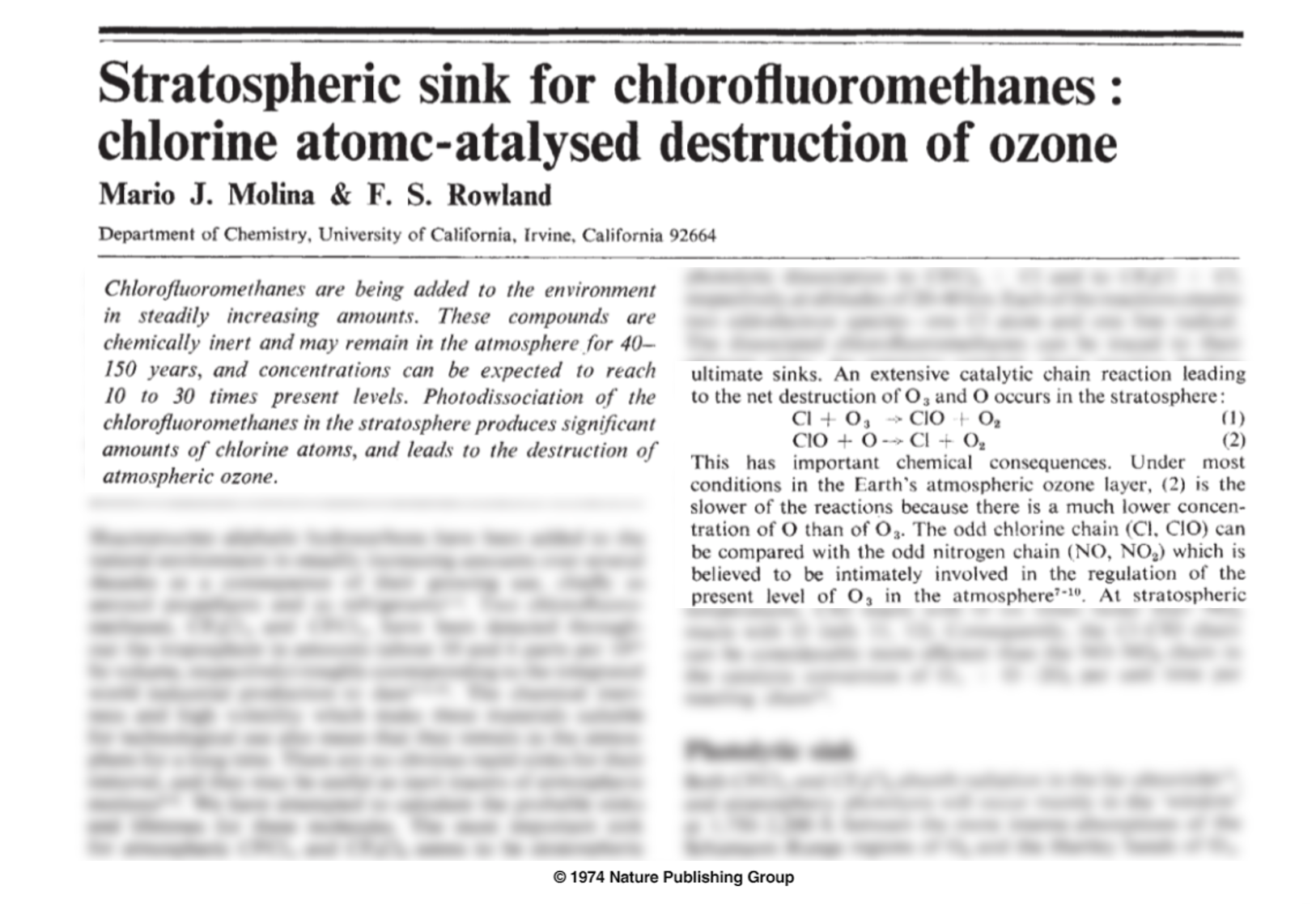
In 1974, Mario Molina and Sherwood Rowland, two chemistry professors at the University of California, published an important paper in the journal Nature. This paper identified a man-made substance called chlorofluorocarbon (CFC) as the primary cause of ozone layer depletion. Although the paper attracted considerable attention and became the starting point for some activities, such as limited boycotts of CFC products, it failed to move governments into action. The depth of the catastrophe was not yet properly understood. At that time, when the destruction of the ozone layer was discussed, the prevailing assumption was that there were still several centuries before reaching a dangerous situation.
CFC is composed of 4 chlorine atoms, 1 fluorine atom, and 1 carbon atom, and has very low reactivity. It is non-toxic and its final cost is very low. These factors led to it being widely welcomed in industries when it was invented and introduced to the market in the 1930s. CFCs were also known by the brand name Freon and were used in the manufacture of refrigerators and other coolants, fixative and deodorant sprays, hairspray, packaging industries, industrial solvents, rocket fuel, and more. In some industries, like refrigeration, Freon gas had replaced a toxic substance that, if accidentally leaked from the refrigerator, posed a life-threatening danger to people; for this reason, it quickly dominated this industry. In addition to these points, the high stability and non-reactivity of CFC also meant there was little concern about its polluting effects in nature.
One Chlorine Atom Against Hundreds of Thousands of Ozone Molecules
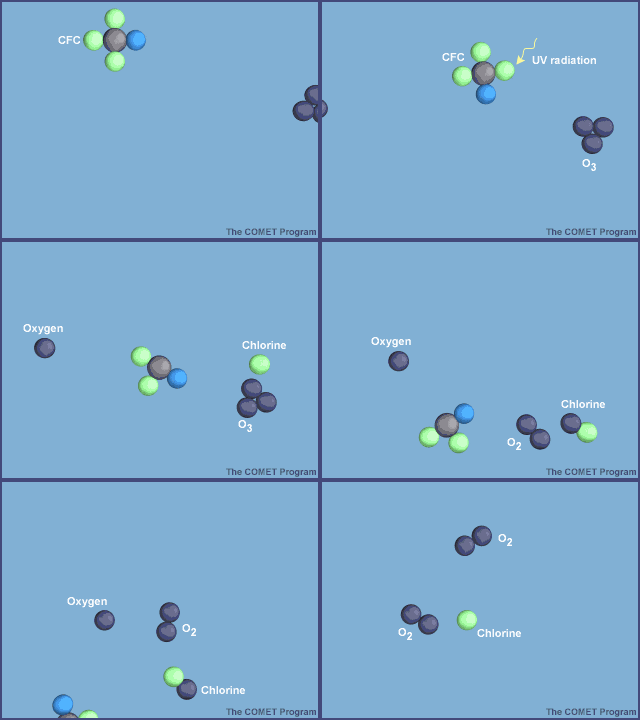
But the issue did not end there. Rowland and Molina explained in their paper that although CFC is extremely stable and remains in the atmosphere for 40 to 150 years, when it passes through the first layer of the Earth's atmosphere and reaches the ozone layer in the stratosphere, it loses its stability upon being struck by the sun's high-energy rays. The sun's ultraviolet radiation causes CFC to decompose and lose its chlorine atom. The chlorine released from this reaction reacts with ozone (O3), producing an oxygen molecule (O2) and chlorine monoxide (ClO). After that, a new reaction occurs that affects everything. Chlorine monoxide (ClO) in the presence of free oxygen atoms (O) releases an oxygen molecule (O2) and chlorine (Cl), and the chlorine atom becomes solitary again. This is enough for the chlorine atom to seek out a new ozone molecule and destroy it, allowing the cycle of ozone destruction by a single chlorine atom to continue.
Destruction Beyond Initial Imagination
In Molina and Rowland's paper, it was thought that the probability of the second reaction occurring was not very high compared to the first. But when a team of researchers led by Susan Solomon was dispatched to the South Pole for further investigation, they not only confirmed the transport of chlorofluorocarbons to the South Pole via air currents and their significant role in the destruction of the ozone layer, but also found that the second reaction is also very likely and occurs readily in the stratosphere. In other words, a single chlorine atom in the ozone layer is enough to destroy hundreds of thousands of ozone molecules in the stratosphere. These researchers found that the destruction of the ozone layer was occurring at a much faster rate than previously imagined. In 1987, Solomon and her colleagues announced that the ozone concentration over an area larger than the continent of America above the South Pole had decreased by more than 30% compared to its usual amount.
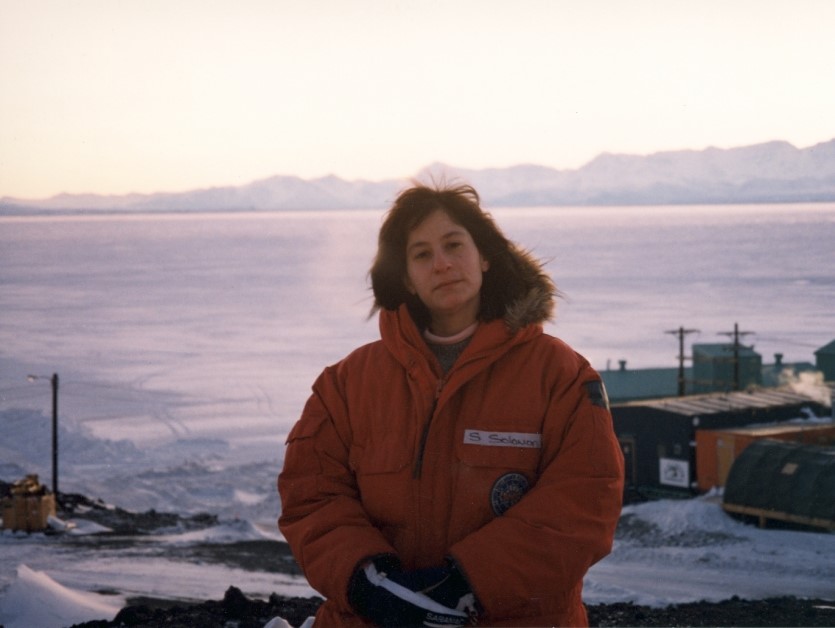
This time, there was no longer talk of centuries to repair the ozone layer and restore the environment. We were in the midst of a catastrophe. Only a few decades remained until the complete destruction of the ozone layer. With the decrease in ozone concentration, life on Earth would become defenseless. Skin cancer rates would skyrocket, all living creatures would be threatened, and the ecosystem would suffer severe disruption.
A Broad Coalition to Solve the Problem
The global community saw the danger right at its doorstep and this time took the authority of science seriously. That same year, an international treaty was drawn up and signed in Montreal, Canada. In this agreement, countries were obliged to eliminate all ozone-depleting substances, such as CFCs, from their industries and products and replace them with non-destructive materials. All countries signed this treaty and put the elimination of destructive substances on their agenda starting in 1989. The reduction in the consumption of these substances began that same year and continued in the following years.
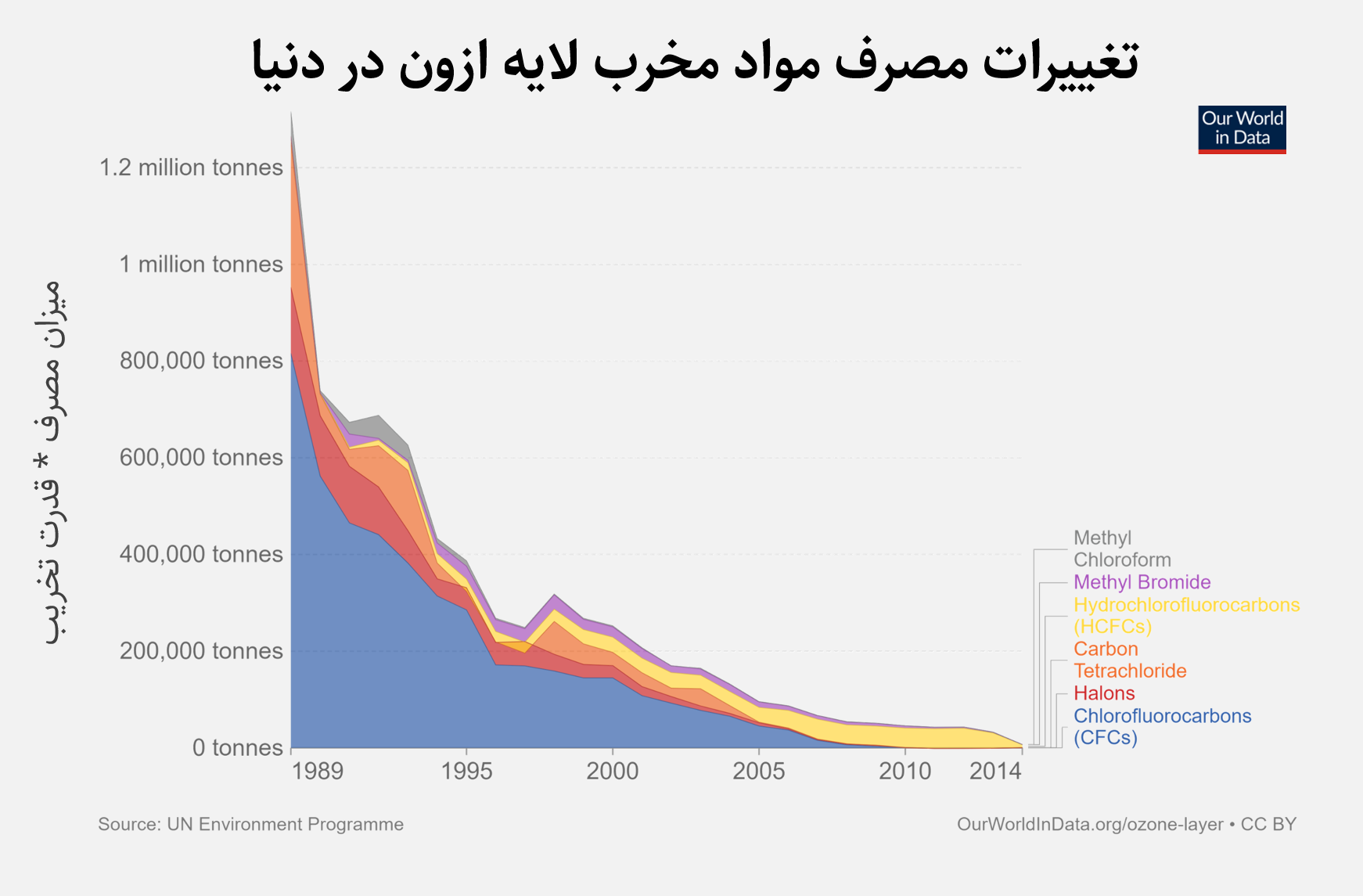
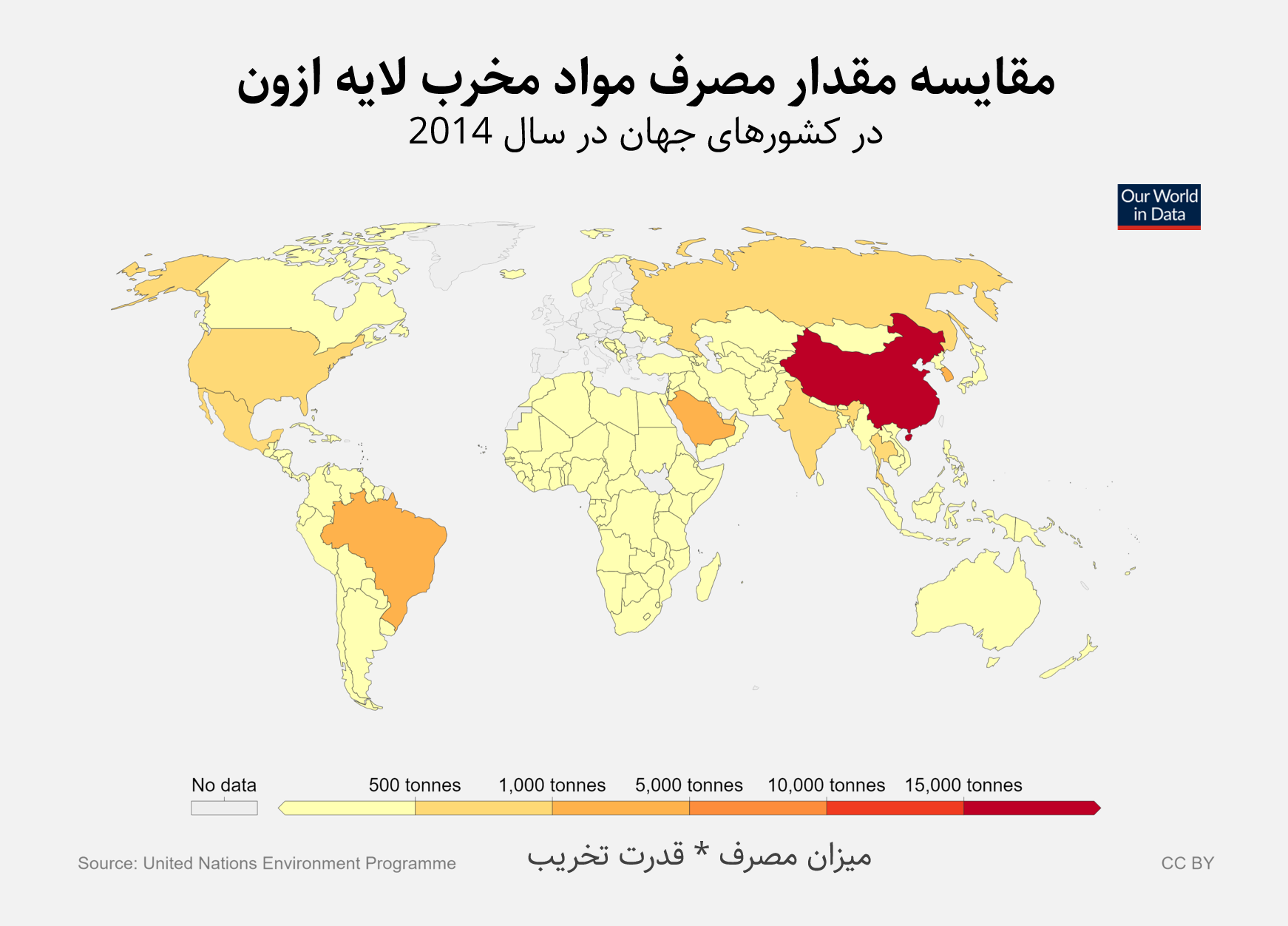
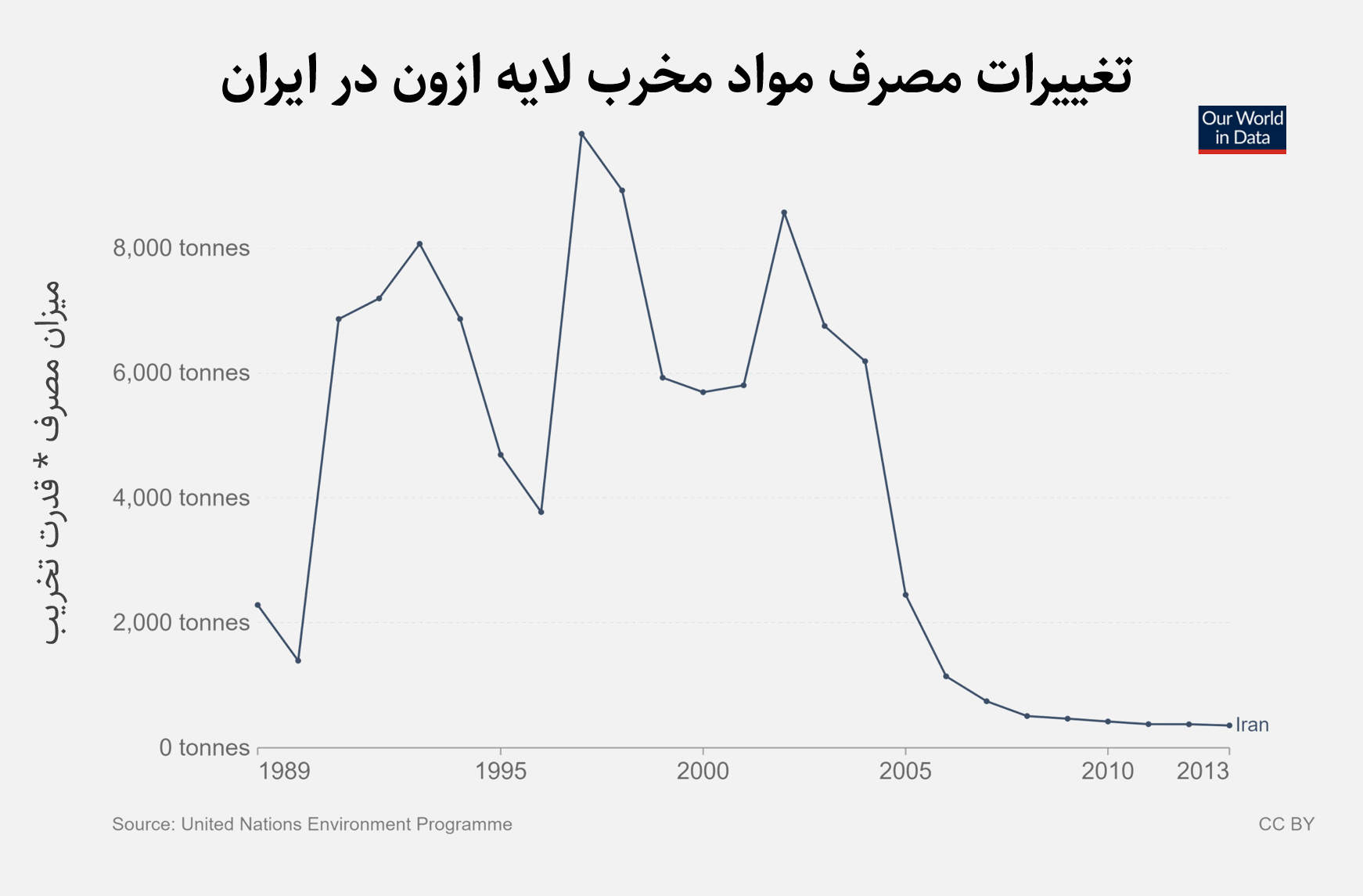
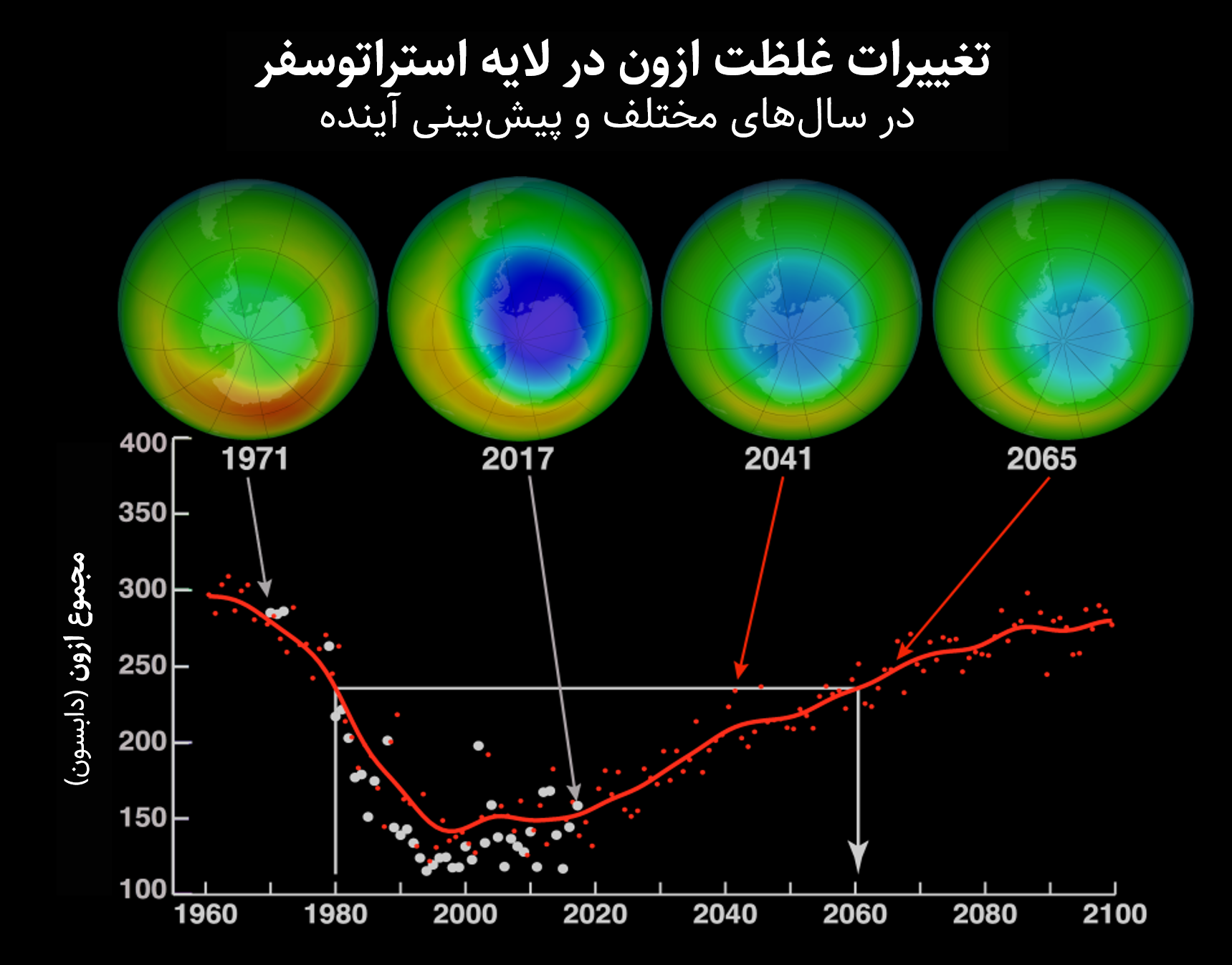
In 2003, UN Secretary-General Kofi Annan hailed the Montreal Protocol as the most successful international treaty to date. In the years that followed, scientists announced that the destruction of the ozone layer had halted, and in 2016, it was declared that the ozone layer's recovery, after decades of human-caused damage, had begun and would return to its 1980 state by 2060.
Lessons from the Ozone Layer for Today
The question now is: with such a brilliant track record of solving a major environmental problem, why has human society still been unable to take effective steps against another issue like global warming and reduce its dependence on fossil fuels such as oil, gas, and coal? The majority of the world's energy supply still comes from burning fossil fuels. If the production and emission of ozone-depleting substances caused horrific environmental damage in less than half a century and united human society for immediate change, why has over a century of burning fossil fuels on an utterly incomparable scale not yet led to any effective action?!
Prerequisites for Solving Major Problems
Susan Solomon, who took significant steps to persuade the global community in confronting the ozone layer crisis, summarizes the reasons for this success in three P's:
1- Personal and tangible perception of the problem (Personal): Everyone understood skin cancer and perceived it as a life-threatening risk to themselves personally.
2- Continuous measurability (Perceptible): Various methods existed for measuring different indicators and monitoring stratospheric ozone concentration, as well as the emission levels of ozone-depleting substances like CFCs, and these were continuously published.
3- Practical ideas for replacement and innovation (Practical): Inventing a substance to replace chlorofluorocarbons without its destructive properties in the ozone layer and bringing it to market was not a very difficult task for scientists and industrialists. They succeeded in producing and marketing a substance called hydrochlorofluorocarbon within a year. Although this substance was later classified as a greenhouse gas and a replacement for it will need to be considered in the future, at least it did not have the dangerous characteristics of CFCs.

Solomon then argues that what links the three P's above together and makes solving the problem possible is a larger P:
Bringing the issue into the public sphere and arousing social awareness at various levels (Public)
In the case of the ozone layer, public sensitivity was first aroused across various social strata and reflected in daily life; it then became a program and law, and was implemented.
The Authority of Science
Another noteworthy point in the story of the ozone layer is the "authority of science." In this encounter, public resolve to take effective steps was solidified when the "primary cause" of the crisis had been identified through various scientific methods, its consistency evaluated and confirmed, leaving no room for baseless speculation.
The credibility of scientific institutions such as universities and journals is such that they can provide the best formulation of the problem and show the policymaker the correct target. If the authority and credibility of science and scientific institutions are tarnished, they cannot play their decisive role in major issues.
A Warm-up for Confronting the Great Crisis
Although the global community today seems more fragmented than a few decades ago, and leaders are in charge who easily forget scientific approaches, valuable experiences such as timely action to prevent the destruction of the ozone layer, or vaccinating more than half the world's population in less than a year, can still keep a glimmer of hope alive for solving problems larger than the hole in the ozone layer and the COVID-19 pandemic. Currently, the biggest issue affecting human life is the COVID-19 pandemic, for which an effective step has been taken to overcome it with the production of vaccines. But heavy dependence on fossil fuels, environmental pollution, and global warming will soon confront us with a crisis far more terrifying than previous issues. Global warming will not be solved by widespread vaccination; rather, it will require a change far greater than previous cases.
.
.





Discussion1 comments
ممنون. مطلب بسیار خوب و امیدبخشی بود.