Political Science
The Spirit of Laïcité
Laïcité is a shared asset of believers and atheists alike, making a life of mutual respect possible. The spirit of this idea manifests in three dispossessions: the independence of the state from religion, the refusal to claim ownership of truth, and the restraint from speaking in the name of humanity.
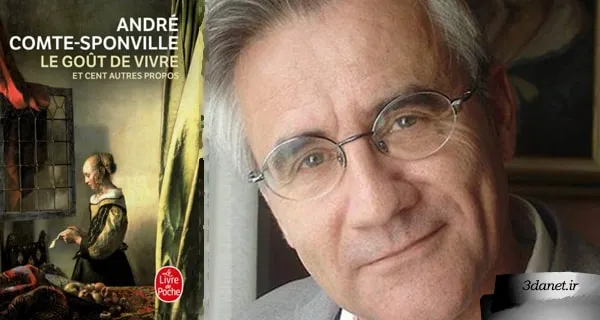
André Comte-Sponville
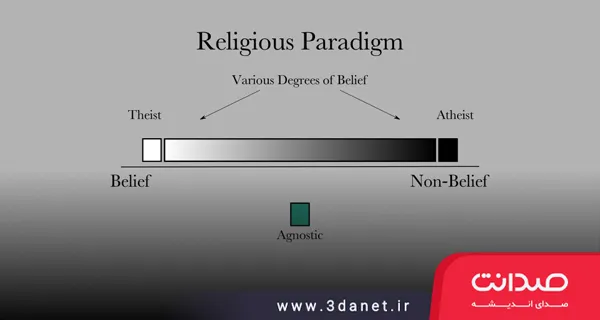
AuthorThe second interfaith dialogue meeting took place in the city of Lille. The attendees were so numerous that the grand hall of the "Congress Palace" was packed to the rafters. Catholic and Protestant Christians, as well as Jews, Muslims, and Buddhists, were all present at the gathering… What was the subject of the talk? The subject of the talk was "Tolerance and Dialogue in Laïcité Societies." The organizers of the gathering had asked that an atheist also express their view, and the lot fell to me, which I gladly accepted. What first aroused my astonishment was that laïcité has become our common property to such an extent: believers and atheists alike all consider laïcité their own, and what could be better than that? This is precisely what allows us to live together without dispute. Along with mutual respect, which today seems as natural as our diversities and as our common property, namely freedom. The laïcité I referred to in this meeting can manifest in three forms of dispossession and expropriation. The most straightforward is the dispossession of the state (État) in relation to the subject of religions. No religion and no current of thought can lay claim to the possession of the state, for the state belongs to no one, not even to the state itself, unless the state has set aside laïcité. The state (État) can in no way lay claim in the field of religion or atheism, nor consider itself the possessor of the slightest truth. This is what can be called political laïcité, that is, the independence of the state (État) from the churches and the independence of the churches from the state (État). Whether "such a thing is necessary?" is a subject about which no one in our country harbors any doubt anymore. Therefore, it is pointless to spend time on it. It was a great struggle that ended in victory. The second dispossession concerns the expropriation of the monopoly on truth. Grasping this point is far more difficult, and accepting it, especially for religions reliant on revelation, is an exceedingly hard task. Is it not so that God is truth? How can one believe in Him without considering oneself a possessor of truth? Does a religion exist without dogma? And what dogma is there that is not accompanied by dogmatism? But God, if He exists, is, by virtue of His meaning, unknowable. He is, as Pascal said through the mouth of Isaiah, "hidden," and as Simone Weil stated, "absent from view," and as everyone says, "transcendental," and therefore unattainable. How can one know that which encompasses us and surpasses us? How can the existence of someone be proven who is beyond all proof? How can one bring into one's own being and make one's own that which holds us within itself? This is the subtle point that leads every dogmatism astray. So what becomes of revelation? — The answer is that: if there is value latent in revelation, such value is exclusive and belongs to "faith." A faith whose worth and significance belong only to itself. — So what should be said about "grace"? — Grace, too, if it has any value, is exclusive and belongs to the one who benefits from it or believes in it! This double circle prevents revelation and grace from possessing any absolute certainty, and this is the very reality that true believers and the faithful are the first to affirm. To put it more clearly: they are the first to experience it. — Can "faith" exist without doubt, without questioning, and without anxiety and disquiet? — No! Because such faith is no longer faith; it is knowledge and cognition! No one doubts the fact that 2 plus 2 equals 4, and therefore no one believes in it or has faith in it. Arithmetic is not a religion. To be able to add and subtract numbers, we have no need for faith or belief. Besides, what privilege or advantage accrues to us if we believe in something we are already informed of? If "faith" were the same as "cognition" and "knowledge," it would no longer possess any virtue, nor would it be considered a grace. The same points apply to atheists as well. The non-existence of God is just as unprovable as His existence. Atheism is also a kind of negative belief and conviction, and therefore it cannot be considered any less outside the circle of belief and faith than theism. — Is the word "belief" not a pleasant word to you?
ــ So let me put it this way: atheism is an “opinion” and a “belief,” a “conviction” or a “certainty,” which of course does not alter the matter in principle. Atheism does not mean that atheists know things of which theists are ignorant. For atheism consists of having faith — and not knowledge — in the proposition that God does not exist. In short, no one possesses knowledge or cognition of the “Absolute,” neither of its very beginning nor of its ultimate end. No individual and no institution can claim ownership of the truth in this regard. And this is what grants everyone the opportunity and permission to seek it, to pursue it, and, should they wish, to love it, but it never bestows the power to possess it or the pretension to impose it upon anyone. This, precisely, is the spirit of laïcité. Undoubtedly, truth is one, but it belongs to no one. Especially not to churches or governments (states)! It is a spirit — rightly so — that falls within no one’s circle of possession but belongs solely to seeking and questing. Dogmatism is an ideology of possession. Dogmatism considers its soul a sealed safe. True spirituality — whether with God or without God — is the exact opposite of this: It is not wealth, but poverty; not possession, but dispossession. It is not having, but obligation and indebtedness (in the twofold sense of expectation and being beholden) or “existence.” One who is fond of those who possess “the truth, God” — which, of course, they do not — is, in their very happiness, afflicted with spiritual poverty! The third dispossession or expropriation pertains to humanity itself. The very fact that we consider ourselves a part of it is precisely what cautions us against seizing and possessing it, and also forbids us from speaking in its name. All beliefs are human. How can one of those beliefs permit itself to speak in the name of all and represent every member of human society? If humanism were a religion — which I believe it is not — it would be just as suspect as the rest of them. ــ And human rights? ــ Human rights owe their acceptance and validity to action, and not to thought or conception. Government exists to implement them properly, not to make others accept them as a “faith.” And it is upon this principle that the spirit or conscience is free and doubts everything, including itself. The threefold dispossession of which we have spoken is a threefold expropriation and opening. And this is what liberates us: what makes us free and released from having. No one possesses the government (the state), and no one is the owner of truth or the proprietor of humanity. No one can think except in their own personal name, and such is the meaning of genuine thinking. Alain (the French philosopher) said: “Alone and universal.” The spirit of laïcité is the laïcité of the spirit, and it belongs to no one for the simple and compelling reason that everyone equally enjoys this right. Drive away from yourself that “self-regarding ascetic” (Pharisee) who intends to possess the absolute!.
.
The Spirit of Laïcité
Author: André Comte-Sponville
Translation: M. Sahar
André Comte-Sponville, a professor of philosophy at the Sorbonne, is one of the leading contemporary philosophers and a member of the French National Ethics Committee. Comte-Sponville has numerous works, some of which have been translated into Persian. His latest well-known work is a philosophical dictionary, published last year.
This piece is selected from one of his books, "The Taste for Living," which is in fact a collection of his talks.
More information is available at this link.
.
.
Discussion3 comments
نویسنده می گوید لائیسیته علت زندگی مسالمت آمیز ما در کنار یکدیگر است! آیا زندگی ما در کنار یکدیگر مسالمت آمیز است؟ آیا لائیسیته خود سبب حذف دیگر نگاه ها نشده؟
لایسیته حاوی جزمی کور است که نتیجه اش تعصب علیه تعصب های قدیمی شده. تعصب ضد هر نگاهی غیرعقلانی و مقبوح است چه له و چه علیه دین
ْ أَفِي اللَّهِ شَكٌّ فَاطِرِ السَّمَاوَاتِ وَالْأَرْضِ [سوره إبراهيم : 10] حقیقت ان است که یقین و شک تنها یقین و شک ریاضی نیستند.بله مدت های طولانی فلسفه و حتی علم کلام سعی می کردند خودشان را با کوک ریاضی هماهنگ کنند ولی همان طور که ویتگنشتاین میگه ریاضی و منطق این همان گویی و توتولوژی هستند و یا به قول کانت نظام بخش هستند و نه معرفت بخش. غرض این است که دوگانگی شک و یقین و یا جزم و نقد دوگانگی درستی نیست بلکه حقیقت طیفی و تشکیکی است. اینکه ما معنای ایمان را صد در صد از معرفت و شناخت خالی کنیم باعث می شود اصلا ایمان به ضد ایمان تبدیل شود و پیامد های خطرناک به دنبال داشته باشد. بهتر است دقیق تر صحبت کنیم و به گوئیم ایمان کمتر دانستنی و بیشتر خواستنی است نه اینکه کلا سهم دانش و دانستگی را نادیده بگیریم. یقین هایی وجود دارد کوتاه و مختصر و ناگفتنی و ژرف که اگر انها را انکار کنیم اجازه به هر گونه شرارت را می دهیم چرا که فلان شخص می گوید از کجا معلوم که کشتن و تجاوز برای سرگرمی کار خوبی نیست؟ایا شما یقین دارید؟ به نظر من این طرز نگاه بیشتر متاثر از فضای پست مدرن است در حالی که ما اگر به پست مدرن های ایجابی مانند هایدگر و یاسپرس توجه کنیم متوجه می شویم می توانیم هنوز به بنیاد و حقیقت ایمان یقین وار داشت بدون اینکه ادعای مالکیت و انحصارطلبی داشت.یاسپرس تاریخ فلسفه را رمز خوانی حقیقت می دانست و به این ترتیب هم جهت وحدت و اطلاق و هم جهت کثرت و نسبیت را رعایت می کرد. به قول قرآن خوبی با بدی برابر نیست و نور با ظلمت مساوی نیست و صد البته مصداق و نمونه های عینی و انضمامی همواره پیچیده و ذوالابعاد هستند ولی اگر به هر بهانه ای یقین را به طور کلی از قاموس اندیشه مان پاک کنیم هیچ چیز جز یک مغاک و هاویه بی معنایی باقی نمی ماند.