Philosophy
Theologians and the Challenge of Anti-Realism
Philosophy of religion examines religious claims from a neutral standpoint, unlike philosophical theology, which serves faith. The distinction between the two is explored, along with traditional arguments for the existence of God—such as Aquinas's Five Ways—and the critiques leveled against them by Hume and Kant.
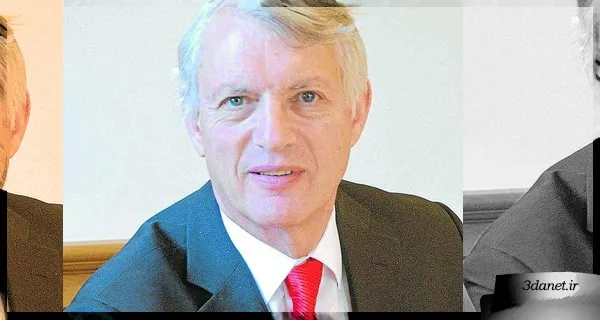
Philosophy of religion in the Western tradition uses reason to address the core dimensions of religious belief. This category essentially deals with the truth claims of religion and pays little attention to the sociological and cultural understanding of religions, which is the subject of discussion in religious studies departments. Today, in the view of many, philosophy of religion creates a path for deep reflection on questions concerning ultimate value and meaning, without initially adopting the assumptions of a particular religious group; however, this field is unsettling and challenging for believers because it compels them to address topics and issues to which they had previously not paid much deep attention.
Philosophy and theology have served one another over the centuries, each affirming and reinforcing the other. It was only from the early twentieth century that a rift emerged between these two fields, at a time when many philosophy departments in Britain and the United States became increasingly indifferent to God and religious questions; but it is necessary to know that this is a new phenomenon. The majority of great philosophers have a deep interest in philosophical (metaphysical) questions—questions concerning the nature of ultimate reality, the nature of the existence and non-existence of God. Philosophy of religion is a modern subject that utilizes the rational tools of philosophical research and inquiry to examine religious claims and issues. It is necessary to distinguish between philosophy of religion and philosophical theology, although the boundaries between these two fields are not very clear. Philosophical theology uses philosophy within the assumptions of religious faith and does not seek to challenge the core, foundational assumptions of religion, but rather uses philosophy in the service of religion. Islamic kalam is a good example of traditional philosophical theology. Kalam arose from the great philosophical and educational centers of Baghdad and Cairo in the eighth to tenth centuries CE, at a time when Europe was steeped in ignorance and darkness. It was this philosophical theology of Islam that preserved the works of the greatest philosopher of the time, namely Aristotle (384–322 BCE). Aristotle's works were largely lost in the West and entered the University of Paris (the greatest Western university of that time) shortly before medieval Christian writers such as Saint Albert the Great (1206–1280) and Saint Thomas Aquinas (1224–1274) used Aristotle for a philosophical understanding of Christianity. In contrast, philosophy of religion stands outside religious assumptions and seeks to examine religious claims neutrally and impartially. No claim is exempt from rigorous scrutiny, and no assumption is beyond challenge. In Europe, philosophy of religion is gaining increasing dominance, and this is no surprise, for Europe has been ahead of the United States in this matter. In the United States, compared to Europe, religious belief is more taken for granted. In Europe, skepticism toward religion is greater, and therefore, the neutral stance is one that has likely attracted interest and support because this stance has few presuppositions, none of which depend on cultural or religious background. Moreover, the Catholic and Protestant conceptions of philosophy of religion differ. In the Catholic tradition of philosophy and theology, it was customary that anyone wishing to enter the priesthood had to study both philosophy and theology, and it was not possible to know theology well without philosophical training. Philosophy, too, was a limited discipline without theology. The two moved together. In the Catholic tradition, the main focus was on the great thinkers of the past, such as Saint Augustine (354–430) and Saint Thomas Aquinas. Whereas in the Protestant tradition, newer figures became dominant, but many Protestants studied philosophy with greater ease, and at least some of them believed that the study of philosophy of religion should be avoided because it would weaken their faith. They accepted philosophical theology and rejected philosophy of religion precisely because it challenged the fundamental assumptions of their belief system. There are three different ways in which philosophy of religion attempts to prove the existence of God, which will be examined in this section.
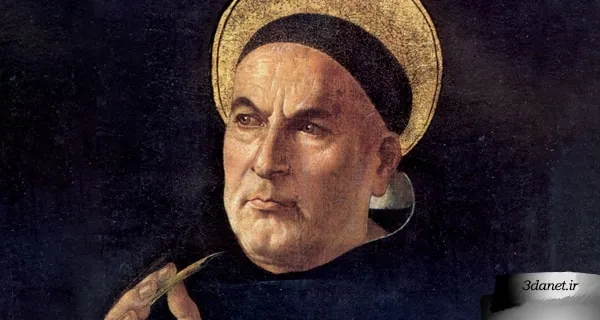
Traditional Arguments for the Existence of God In the Catholic tradition, natural theology is a theology based on reason and subsequently on philosophy, whereas revealed theology is based on revelation. There is nothing in revelation that contradicts reason, but revelation goes beyond reason. Philosophical reasoning can attain the proof of God's existence and a fundamental knowledge of His attributes, but revelation is necessary for doctrines such as the Incarnation or the Trinity. Natural theology often begins with arguments for the existence of God, among which one can mention St. Thomas Aquinas's Five Ways for proving the existence of God.1 Four of these five ways are derived from Aristotle. These are a posteriori arguments, meaning they start from certain features of the world that can be experienced and then proceed to prove the existence of God. The starting point of each of the five ways is different: they argue as follows: 1) Motion: We observe in the world that things are in motion, and since an infinite series of causes is impossible, there must be a First Mover (something that is itself unmoved and the cause of motion for all other things). This Mover is God. // 2) Causality: We observe in the world things and objects that are the cause of other things and objects. Since an infinite regress is impossible, there must be a First Cause (an uncaused cause upon which all dependent causes rely), and this cause is God; // 3) Contingency: Everything in the world depends on something else. Everything in the world is contingent. The world as a whole is a collection of possible things and is itself possible in itself. Since nothing comes into being from nothing, there must be a necessary being; something that cannot not exist, and this necessary being is God, upon whom all existence relies. // 4) Hierarchy of Perfection in Things: Some things are more perfect than others, and this implies that there must be an absolute perfection, which is God; // 5) Purposeful Design: The world is purposeful, and everything in the world is created for an end and a purpose. This points to the ultimate purpose of the world, which is God. All these arguments can be challenged, because although their starting point is largely reason, in the sense that they begin from accepted characteristics of the world, the stages of the argument are debatable. For example, the claim that there must be an ultimate Unmoved Mover or a First Cause not in need of a cause has been repeatedly questioned. St. Thomas Aquinas's arguments seek to prove a God who exists necessarily, that is, exists in and of Himself, cannot not exist, and is not dependent or reliant on anything else for His existence. David Hume, the Scottish philosopher (1711-1776), and Immanuel Kant of Prussia (1724-1804) both reject the concept of necessity in and of itself, believing that the only kind of necessity is the necessity of judgment; a necessity based on how words are used. For example, the phrase "Bachelors are unmarried men" is a proposition possessing the necessity of judgment. This sentence is necessarily true because of the way the words are used. The word bachelor includes the concept of being unmarried, and it would be meaningless to deny this sentence because the meaning of the words guarantees that the sentence must be true, but Hume and Kant said that no existing object can be necessary. Everything that exists may or may not exist; all things are contingent. Only propositions (judgments) are necessary. Therefore, they reject the conclusion that Aquinas draws, as they believe the existence of nothing, not even God, can be necessary. Aquinas responds that everything in the world is indeed contingent; everything may exist and may not exist. But that upon which the world relies is not like anything in the world. God alone cannot not exist. Therefore, God is outside of time and space. This issue has led to the emergence of key concepts in the Catholic Christian understanding of God. There, it is believed that God is absolutely simple, timeless, spaceless, and pure actuality (meaning there is no potentiality in Him). Everything in the world is actual in the sense that it exists, but it is a complete set of potentialities. Humans have a body, arms, legs, a brain, etc., and in this respect they are actual, but they also possess a range of potential abilities, including the ability to walk, swim, run, reproduce, and many others.
تنها خداوند است که هیچ توانایی بالقوهای ندارد بلکه او سراسر فعل و فعلیت است. خداوند تماما همان چیزی است که باید خدا باشد. آکویناس برای تایید این سخن نقلی از سفر پیدایش میآورد: زمانی که خداوند ماهیت خود را بر موسی آشکار کرد، خدا گفت: «من هستم آنکه هستم» (3.14). از نگاه آکویناس این نکته فعل محض بودن خداوند را تایید میکند. اگر خدا خارج از زمان و مکان است، نتیجهاش این میشود خدا جسمیندارد که بتواند تغییر کند، لذا خداوند لایتغیر است2.New Readings of Arguments for the Existence of God: The Kalām Cosmological Argument It seems the most important new argument for the existence of God has been put forward by the American philosopher, William Craig.3 Craig presented a new reading of the “Kalām cosmological argument.” This argument is called kalām because it first emerged among Muslim philosophers and theologians. The argument can be summarized in three statements: 1) Everything that comes into existence has a cause; // 2) The universe came into existence; // 3) Therefore, the universe has a cause. Proving the first three claims is difficult, though it can be said that this matter is intuitively plausible. Craig says: Intuitively, it is quite clear that I rarely think someone’s sincere belief is false.4 Nevertheless, some believe that at the subatomic level, uncaused events exist, and even if a beginning can be shown to have no cause, then the first premise is false and the argument would be invalid. Paul Davies has said this assumption is false,5 for it shows that the existence of electrons ends at one point and reappears elsewhere. Craig, in response to this issue,6 says this has no effect on the Kalām argument, for in modern physics, a vacuum is nothing but a state of minimum energy. In his view, the fluctuations and changes of electrons are the result of vacuum fluctuations, and these electrons do not come into being from nothing, contrary to the belief of his opponents. To support the second premise, Craig puts forward several arguments and says the universe must begin from a point, for an actual infinite is impossible. For example, he says: 1) An actual infinite cannot come into existence. // 2) A beginningless temporal series of events is an actual infinite. // 3) Therefore, a beginningless series of events cannot exist. Craig’s first argument in support of his first premise concerns the idea of a library with an infinite number of red books and an infinite number of black books. If this library truly existed, the result would be that the number of red and black books is equal, and the sum of the red and black books is equal to the red books, but this matter is paradoxical, for the situation would be such that the subset of red books, which is half of all the red and black books, is both half of the whole and equal to it. Hence, Craig believes that an actual infinite is impossible. The infinite is only possible in the realm of mathematical concepts and nowhere else. Craig argues that those who believe the universe came into being through an actually infinite amount of time are mistaken because nothing called an actual infinite can exist. This point seems convincing. The main (real) problem is the claim that a beginningless temporal succession is an actual infinite. Aristotle believed there is a difference between an actual infinite and a potential infinite. An actual infinite is an infinite that has existed at a specific time, whereas a potential infinite is an infinite that has never been reached and can be reached over time. If Aristotle’s statement is correct, then Craig is mistaken. But Craig’s point is that the universe is actual, and if the universe had no beginning, then the universe would be an actual infinite, and this is meaningless. Craig’s second argument is derived from the discovery of background radiation in the universe by scientists at Bell Labs in 1965. This pertains to the explosive-like creation of the universe at the beginning, known as the Big Bang. The Big Bang confirms the point that the universe originally arose from a temporal singularity, and time, space, matter, and energy all came into existence, but this matter has by no means been proven, and there was possibly a prior state, even if we do not know what that state was, which explains the ultimate existence of the universe. It can be said that if the universe came into being with a Big Bang, then there was a prior state that caused the Big Bang. This matter is difficult because in the first few hundred-thousandths of a second after the singularity, time did not exist, and no one knows exactly what happened. Perhaps speaking of a prior state is also meaningless, for many scientists believe that time came into existence along with matter immediately after the singularity, and if we accept this matter, then a prior state cannot exist. In the Big Bang, the initial singularity exploded at a speed faster than light. Atomic explosions caused the condensation of hydrogen, helium, and lithium in interstellar space.
پس از تقریبا 300000 سال دمای گوی آتش اولیه به اندکی کمتر از دمای فعلی خورشید کاهش یافت و لذا الکترونها توانستند مدارهایی دور اتمها تشکیل دهند و نور و فوتون را رها کنند. این نور نخستین را امروزه میتوان به مثابه تشعشع زمینه اندازه گرفت. (درجه کلوین از صفر مطلق شروع میشود که پایینترین دمای ممکن است و در این دما تمام فعالیت مولکولی متوقف میشود. این دما برابر با 16/273- درجه سانتیگراد است). افراد بسیاری نظریه بیگبنگ را پذیرفتهاند و به نظر میرسد این نظریه تا حد زیادی پیدایش جهان را توضیح میدهد. اگر این نظریه درست باشداین مدعا که جهان نامحدود نیست را تایید(اثبات) میکند، اما مشاهدات اخیر این مساله را زیر سوال برده و چندان مشخص نیست این نظریه قانعکننده باشدحتی اگر این نظریه قانعکننده هم باشد به نظر میرسد چیزهای بسیاری باید توضیح داده شود که نظریه بیگبنگ فعلی نمیتواند آنها را توضیح دهد. مشکلات نظریه بیگبنگ به این شرحند: 1)تلسکوپ فضایی هابل فاصلههای دیگر کهکشانها را اندازه گرفته و این مشاهدات حاکی از آن است که جهان بسیار جوان تر از آن است که این نظریه بیان میکند. این بدان جهت است که جهان سریعتر از آنچه پیشتر مدنظر بود گسترش یافته و این مساله تلویحا بیانگر یک دوره کیهانی کمتر از هشت میلیارد ساله است تقریبا نصف برآورد فعلی. از سوی دیگر، برخی دادههای دیگر نشان میدهد که عمر برخی ستارهها دستکم 14 میلیارد سال است؛ 2)گروهی از ستارهشناسان که به هفت سامورایی معروفند شواهدی دال بر چیزی یافتهاند که آن را جاذب کبیر مینامند که در نزدیکی جنوب صورت فلکی Hydra وCantaurus واقع شده که ستارهها را به سوی آن میکشند. هیچ مبنایی برای این جاذب کبیر بر مبنای نظریه بیگبنگ وجود ندارد که مشخص کند کهکشانها و ستارهها پس از انفجار اولیه از هم جدا شدهاند. 3)نظریهپردازان بیگبنگ معتقدند انفجار اولیه بسیار آرام بوده است. این مساله مبتنی بر یکنواختی تشعشع زمینه است که به نظر میرسد بنابر اندازهگیریهای امروز در سراسر جهان یکسان باقی مانده است. اما مارگارت گلر، جان هوچرا و دیگران در مرکز ستارهشناسی هاروارد- اسمیتوسن تعداد زیادی کهکشان با فاصله 500 میلیون سال نوری در طول جنوب آسمان یافتهاند. اگر این مشاهدات درست باشد در این صورت آرامیو یکپارچگی بیگبنگ زیر سوال میرود. اگر بیگبنگ آرام نبود، سوالاتی درخصوص اینکه چرا تغییرات رخ میدهند و اینکه آیا در وهله اول بیگبنگ وجود داشته، پیش میآمد. گزینههای دیگری برای جایگزینی به جای بیگبنگ وجود دارد از جمله ایده خلق مدام که در آن ماده دائما در نقاط مختلف جهان به وجود میآید. هیچ قطعیتی وجود ندارد. نظریه بیگبنگ در بهترین حالت نظریهای معقول است، اما نه بیشتر از آنی که در حال حاضر هست و شواهد بیشماری علیه قطعیت آن وجود دارد حتی اگر نظریه بیگبنگ را بپذیریم باید آن را با دو فرضیه رقیب مقایسه کنیم: 1)الگوی نوسانی جهان: این الگو میگوید جهان وارد مجموعهای از حلقههای نامحدود شده که منبسط شده و سپس پیش از آنکه مجددا باز شوند در یک تکینگی جمع (منقبض) میشوند. اگر اینطور باشد در اینصورت جهان نیازی به سرآغاز ندارد زیرا مجموعه نامحدودی از بیگبنگها و مجموعه نامحدودی از انقباضها وجود خواهد داشت. 2)الگوی انبساط بینهایت جهان: بر اساس این الگو در ابتدا تکینگی منفجر شده و از آن پس جهان دائما گسترش یافته است. در حال حاضر شواهدی وجود دارد که الگوی انبساط بینهایت محتملتر از الگوی نوسانی است. اگر این مساله درست باشد، که البته همچنان بسیار مبهم است، میتوان گفت جهان سرآغازی داشته لذا دومین فرض استدلال کلامیرا تایید میکند، اما هیچ قطعیتی وجود ندارد. باید توجه داشت که علم عملا نمیتواند در مورد پرسشهای فلسفه داوری کند. یکی از مشکلات استدلال کلامی آن است که هرچه این استدلال بیشتر متکی به علم باشد، در برابر علم که تبیینهای دیگری ارائه میدهد، آسیبپذیرتر خواهد بود.New Serious Arguments for the Existence of God: The Argument from Religious Experience William Alston is one of the most prominent American philosophers of religion. In several articles and books, he has argued in favor of religious experience as an indication of God's existence.7 Alston distinguishes between two things: 1) "Experience of God," which, he says, can be described as "putative experiences of God," where the word "putative" does not cast doubt on the validity of the experience but rather draws attention to the fact that many of these claimed experiences can be interpreted. 2) Direct experience of God, which rules out matters such as awareness of God through the beauties of nature, the words of scripture, or a sermon. Alston makes this distinction because, in his view, these direct experiences can reasonably be considered God's presentation of Himself to the individual. Saint Teresa says: "God presented Himself to this soul with a knowledge clearer than the sun." Furthermore, Alston focuses on non-sensory experiences because God is wholly spiritual, as these experiences present the reality of God to the individual far better, whereas sensory experiences are naturally limited to temporal and spatial objects. Alston acknowledges that, for example, Kant says humans can only have sensory experiences and can only perceive objects through their five senses, and since God is not a temporal and spatial object, He cannot be experienced by the individual, but Alston believes this indicates a lack of imagination and asks: Why should we suppose that experiential data for humans or non-humans are obtained exclusively through the five sensory faculties? In his view, the range of animal senses is far greater than ours: why can we not imagine presentations that do not result from the activity of physical sensory organs, as is the case with mystical perception? Alston here refers to "mystical perception" rather than "experience," because mystical perception involves something other than the natural five senses. He advocates what he calls the "perceptual model" of mystical experience. In this model, something presents itself to us. This model is, in a way, the simple form of perceptual awareness in which anything—a house, a book, or a person—presents itself to us. In the causal theory of perception, Alston claims that religious experience is the effect of God's presentation (presence), and subsequent members of the religious community derive this signification from their predecessors. Alston's critics reject this view. They believe that religious belief does not rise and fall with evidence, as Alston thinks. For example, Richard Gale says he feels sorry for the believers Alston describes because Gale believes the beliefs of current believers are always vulnerable to new evidence, so the possibility of their invalidation being exposed constantly threatens them. Contrary to Gale, the Danish philosopher Søren Kierkegaard (1813–1855) argued in the mid-nineteenth century that this is precisely the position in which religious believers find themselves. They are suspended over an ocean seventy thousand fathoms deep (each fathom equals 1.8 meters) and have tied their souls only to an "if" that may well be false; hence, Kierkegaard considers faith a perilous state. Alston freely acknowledges that we "see" things differently depending on our perceptual patterns and prior assumptions, but at the same time claims that what we see is something that presents itself to us. The perceptual model relies on the "theory of appearing," in which perception simply involves appearing to a person or presenting itself to a person, and that is all. For perception to occur, it must simply appear to the person in some way. Alston says three conditions must be met for appearing: 1) It must exist; 2) It must make a significant causal contribution to the experience; 3) The perception must cause belief in it. Specifically, in view of these three conditions, Alston knows that demonstrating the veridicality of perceptual experiences means, first and foremost, showing that God exists (see condition 1). What he wants to show is as follows: 1) Mystical experience is the right kind of perception that constitutes a genuine perception of God, provided, of course, that the other requirements are also met; 2) If God exists, there would in principle be no obstacle to meeting these requirements. He essentially states that in defense of this theory, one can add that it is highly probable that humans sometimes perceive God, if there "exists" a God to be perceived.
به سخن دیگر این نظریه حاکی از آن است که اگر خدا وجود داشته باشد، در این صورت تجربه عرفانی به نحوی کاملا بایسته، ادراکی عرفانی در نظر گرفته میشود. آلستون این مدعا را بدیهی فرض میکند و معتقد است که این مدعا را نمیتوان انکار کرد مگر آنکه چنین ادعا کرد که تمام کسانی که این تجربیات را از خدا گزارش میکنند، اشتباه میکنند. آلستون میپذیرد که گزارشهای افراد خطاناپذیر نیست اما همچنان میگوید که این گزارشها را باید جدّی گرفت. اگر شخصی بگوید تجربهای داشته است، در این صورت این خود اوست که بهترین قضاوت را در مورد این تجربه دارد. آلستون معتقد است تنها دلیل ردّ مدعیات مربوط به تجربه آن است که برخی افراد در مورد مدعای وجود خدا شکاکند اما آنچه آلستون انجام نمیدهد نشان دادن این است که چرا این شکاکیت محکم و متین نیست. آلستون تصدیق میکند که مومنان از چارچوبهای پیشینی خود استفاده میکنند اما در عین حال مدعی است که این کار را در مورد تجربه عادی انجام میدهیم. به گفته او اگر خانهاش را از ارتفاعی زیاد بنگرد (زمانی که در هواپیما نشسته)، مطمئنا خانهاش را میبیند و ممکن است چیز جدیدی یاد بگیرد امادر اصل انتظار داشته که خانهاش را ببیند. به همین منوال، زمانی که خدا را تجربه میکنیم، خدا به گونهای تجربه میشود که مومنان انتظار دارند تجربه شود، هیچ تفاوتی بین تجارب عادی و تجارب دینی وجود ندارد. مدعای آلستون در صورتی ساده است که تحلیل شود. تمام آنچه او در واقع مطرح میکند آن است که اگر شخص از پیش به خدا باور داشته باشد، در این صورت معقول است که تجارب عرفانی را باید واقعی و حقیقی تلقی کرد، اما این مساله اصلی، که بخش عمدهای از بحث است را نادیده میگیرد و آن این که چرا باید تجارب خدا را واقعیتر از تجربه هیولایLoch Ness یا شیء مجهول پرنده(UFO) بدانیم. اما همانگونه که ریچارد گیل خاطرنشان میکند، حامیان تجربه دینی معتقدند که اغلب ادیان و تجارب دینی مدعیات خود را تایید میکنند در حالی که نبود چنین تجاربی، به معنای عدم تایید متعلق تجربه نیست. تمامیآنچه آلستون بیان میکند آن است که اگر شخصی مومن است، از زمینههایی (درون یک فرهنگ یا چشمانداز دینی) برخوردار است که بر اساس آنها مدعی میشود تجربه دینی ناظر به آنهاست، اما این مساله این نکته را تایید نمیکند که چرا باید در وهله اول تجربه دینی را پذیرفت یا انکار کرد و این دقیقا همان چیزی است که استدلال تجربه دینی باید به آن دست یابد. ریچارد سوئین برن، استاد پیشین فلسفه دین در دانشگاه آکسفورد، میخواهد به سود چیزی بیش از گفتههای آلستون استدلال کند.8 سوئین برن تمام استدلالهای گوناگون را مربوط به اثبات وجود خدا را بررسی میکند و میگوید هیچ یک از آنها در اثبات وجود خدا موفق نیستند اما زمانی که در کنار هم قرار میگیرند، پرونده انباشتهای میسازند که نشان میدهد احتمال معقولی برای وجود خدا وجود دارد. نظر به این احتمال، سوئین برن میگوید میتوان به دو اصل که ناظر به وجود خدا هستند اتکا کرد: 1)اصل زودباوری میگوید که بر اساس یک اصل عقلانی (درنبود ملاحظات خاص یعنی مثلا اینکه شخص قابل اعتماد نباشد یا شرایطی وجود داشته باشد که به مشاهدات نتوان اطمینان کرد)، اگر از نگاه یک شخص وجود دارد در این صورت احتمالا وجود دارد. آنچه شخص درک میکند، احتمالا این طور است. 2)اصل شهادت میگوید که در نبود ملاحظات خاص، میتوان معتقد بود که تجارب دیگران احتمالا همان گونهای است که آنها گزارش میکنند. سوئین برن معتقد است که اگر نخستین اصل از این اصول را نپذیریم، در ورطه شکاکیت قرار میگیریم لذا تجارب دینی را باید در ابتدا باور کنیم وگرنه شواهد علیه آنها خواهد بود. هدف اصل زودباوری آن است که باری بر دوش شکاک بگذارد تا به وی نشان دهد که چرا گزارشهای مربوط به تجارب دینی را نباید پذیرفت. این نکته اهمیت دارد که تمام آنچه اصل زودباوری به دنبال آن است ایجاد باور اولیه است و دیگر اینکه تجربه دینی را نباید بدون تامّل کنار گذاشت. گفته شده که شکاک برای نشان دادن اینکه چرا مدعیات مربوط به تجربه دینی را نباید معتبر دانست، استدلال یا شاهد اقامه میکند در نبود چنین شاهد یا استدلالی مدعیات را باید همانگونه که هستند، پذیرفت. اصل شهادت صرفا بر اعتبار(قابلیت اطمینان) ذاتی دیگران مبتنی است. این اصل از ما میخواهد گزارشهای مربوط به تجارب دینی را باور کنیم مگر آنکه دلیلی برای عدم انجام این کار داشته باشیم. اگر برای مثال شخصی گذشتهای داشته که اعتبارش مورد تردید باشد، در این صورت حق داریم در مورد آنچه شنیدهایم تردید کنیم. اما اگر شخص سلیمالعقل و از هوش کافی برخوردار است و در کل میتوان به او اعتماد کرد، دلیلی ندارد سخن او را باور نکنیم. Caroline Franks Davis trusts Swinburne's approach.9 She and Swinburne deal with a cumulative argument. They believe that if we consider all the arguments that have been put forward for or against the existence of God, they systematically and fairly balance each other out. Some of these arguments strengthen the probability of God's existence, while the rest, for example those that emphasize the problem of evil and suffering, diminish the probability of God's existence. If we consider these arguments together, then there is neither a high probability for the existence of God nor a high probability for the non-existence of God. The degree of probability is precisely balanced. Given these circumstances, one can trust reports of religious experience and tip the scales in favor of belief in the existence of God. It can be argued that neither Swinburne nor Davis takes the opposition to arguments against belief in God seriously.10 For example, they pay no attention to the problem of evil, and although their arguments can be convincing for a believer, they cannot satisfy a neutral observer. The existence of evil does not significantly reduce the probability of the existence of the Christian God; at the same time, how the probabilities for or against the existence of God can be balanced is a subject on which there are various opinions and views.Reformed Epistemology Epistemology is a branch of philosophy that studies the sources and foundations of human knowledge of things; thus, epistemology deals with the underpinnings of human claims to construct true interpretations. One of the newest movements in the philosophy of religion arose in the United States, contemporaneous with the work of Alvin Plantinga. Plantinga is described as a “Reformed epistemologist” because he emerged from the Reformed Protestant Christian tradition, and his work was to examine how believers’ claims to knowledge of God’s existence can be justified. He rejects the attempt to argue for the existence of God (natural theology), for he believes these arguments center on reason rather than revelation. It is believed that God revealed truth in the world, and it is this revelation that must take precedence, not human reason, which “fell” due to the sin of Adam and Eve and subsequent sin. Karl Barth (1886-1968), the greatest Protestant theologian of the twentieth century, said that of all the reasons for negating and rejecting Catholicism, natural theology is the strongest because it is based on reason and not on revelation. The Protestant tradition and Reformed epistemologists consider revelation prior to reason and rely upon it. Alvin Plantinga defines a person’s set of beliefs, along with the relationships governing these beliefs, as the person’s noetic structure. In other words, all that they know and the manner of their awareness of things. Plantinga claims that the Christian believer sees the world correctly because they have accepted Christian revelation, and the core, fundamental Christian beliefs require no justification.11 Plantinga calls this view “foundationalism.” In this case, the question is whether a proposition is one that requires evidence and proof, or whether this proposition forms the very foundation and basis of all the person’s awareness. Simply put, the question is whether belief in God requires justification or demonstration, as natural theology claims. Plantinga asks: Can it not be said that my belief in God is, in itself, at the very foundation and basis of my noetic structure? If this is correct, then there will be no need to prove God’s existence. This means that the believer in God has no need to justify their belief. This belief is a basic belief and requires no justification. According to Reformed epistemology, belief in God is “properly basic” and requires no justification, and the believer possesses a “fully rational noetic structure,” meaning their way of viewing and understanding the world is correct because God has bestowed His grace and mercy upon them and allowed them to see the world correctly. Just as I cannot prove that a tree is in front of me, or that I am typing this text with my hands, or that I am in the presence of my eldest daughter in Boston when I visit her, a believer also cannot provide a demonstration for the existence of God, because God is so evident to them that when they read the Bible or pray, the discussion of justification or proof is out of place (meaningless). Therefore, a believer has no need for proof to demonstrate God’s existence. This is an attractive position, but it has several fundamental problems. Christians can claim that their belief in God, that Christ is the Son of God, and that the Holy Spirit is the third hypostasis of the Christian Trinity are all part of the foundations of their noetic structure, and they need no proof or justification for them. Muslims can claim that their belief in Allah and the Holy Prophet (PBUH) is part of the foundations of their noetic structure and requires no justification. Buddhists can also claim that there is no God and that the Buddha’s teachings regarding the state of impermanence of things in the world, liberation from suffering, and change require no justification. In short, the number of belief systems in the world is so vast, and each claims its beliefs require no justification or proof, that Reformed epistemology cannot be convincing. Reformed epistemologists may claim that God’s grace has encompassed them and they can see the world correctly, and others are perhaps in error due to the effects of sin or the denial of God’s grace, but all this can do is hide behind a truth claim that cannot be justified.
Anti-Realism
Ludwig Wittgenstein (1889–1951),12 one of the most prominent and highly influential philosophers of the twentieth century, believed that the entire subject of epistemology (the search for the foundations of knowledge) is based on a mistake. Instead, individuals acquire a "form of life," that is, a culture. Within this culture, certain things are taken for granted, and doubting them is meaningless. In his view, this matter can be applied to religious belief. Children are taught the form of life of their parents and learn a language that expresses this form of life. Arguments and reasons are irrelevant, and it is this fundamental approach that gives rise to anti-realism.13 Among European philosophers of religion influenced by Wittgenstein, such as Don Cupitt, D. Z. Phillips,14 and Gareth Moore,15 a new approach to belief systems has emerged. They have identified two problems with traditional approaches: 1) Arguments for the existence of God, influenced by natural theology, are ineffective. They are vulnerable to assumptions that may be convincing to believers but do not satisfy non-believers; thus, although they can strengthen existing faith, they cannot create a basis for belief. Moreover, belief in God for most believers is not based on reason; rather, believers share in a culture into which they are born and educated, and philosophical reasons are irrelevant in these cultures. 2) Reformed epistemology, which is based on revelation, cannot succeed in realizing truth because it relies heavily on the community in which the individual is educated, and assumptions are constructed within this community. Nevertheless, anti-realists endorse and support reformed epistemologists in the argument that examining the foundations of faith is a mistake. To understand the anti-realist approach, it is first necessary to explain the difference between two theories of truth. Realism is a theory of truth that states a proposition is true when it corresponds to the state of affairs it describes. Thus, "The mayor of Los Angeles is 56 years old" is true if and only if the mayor of Los Angeles exists and is 56 years old. What makes a proposition true is that it corresponds to the state of affairs it describes. What makes a proposition false is that it does not correspond to this state of affairs. Most people are largely realists. Realists affirm bivalence; this means that a proposition is either true or false, even if one cannot know whether it is true or false. Hence, the proposition "There are yellow frogs on a planet orbiting a star in the Milky Way galaxy" could be true or false, depending on whether there is a planet orbiting one of the stars and whether yellow frogs live there. At present, there is no way to know this, but realists would say that the truth or falsity of this proposition depends on the state of affairs the proposition claims to correspond to. Most believers are realists. They believe that their religious claims are true because these claims correspond to the state of affairs to which they refer. Thus, Christians, Muslims, and Jews generally claim that their assertion that God exists is true because it corresponds to the existence of a God who created the world and sustains it. If this reason were not in favor of the existence of this being or spirit (whether timeless or eternal), the claim "God exists" would be false. The problem is that if a person is a realist, they will be vulnerable to the challenge of someone asking: How do you know your claim is true? Natural theologians will answer: "Wait a moment, and we can prove its truth." Reformed epistemologists will answer: "We do not need reasons; our claims are true because God has granted us the grace to accept revelation, and this revelation guarantees the truth of our claims." The problem is that neither position is convincing to non-believers. Anti-realists claim that they know the answer. Anti-realists reject all attempts to prove the existence of God or to prove the probability of God's existence.
فیلیپس معتقد است اگر بنابر معقول انگاشتن باور به خدا باشد، آنگاه باور به خدا چیزی نیست که مومنان آن را به مثابه فرضیهای (محتملالصدق) در نظر بگیرند.16 او با ذکر عبارتی از مزمور 139 کتاب مزامیر، رویکرد احتمال را به ریشخند میگیرد و میگوید اگر چنین باشد مزمور 139 را باید اینگونه خواند: «اگر به آسمان صعود کنم تو به احتمال زیاد آنجا هستی و اگر در هاویه بستر بگسترانم به احتمال زیاد تو آنجا هستی!»17بنابراین، فیلیپس معتقد است که رویکرد احتمال به سود روشی برای عقلانی کردن باور دینی استدلال میکندکه عملا باور دینی را تحریف میکند. ایمان به خدا به هیچ وجه نه به استدلال فلسفی متکی است و نه به اینکه نشان دهیم زبان دینی با وضعیت مستقل امور مطابقت دارد. غیرواقعگرایی، یکی از نظریههای حقیقت است18 که بر اساس آن آنچه یک گزاره را صادق میکند، تطابق نیست بلکه انسجام است. یک گزاره در صورتی صادق است که با دیگر گزارههای صادقی که در شکل خاصی از زندگی ساخته میشوند، همبستگی و سازگاری داشته باشد. غیرواقعگراها معتقدند افراد توسط والدین خود، مدرس، و نهادهای دینی با اشکال دینی زندگی آشنا میشوند. در این اشکال زندگی، برخی گزارهها بدون چون و چرا به عنوان گزاره صادق پذیرفته میشوند. از نگاه غیرواقعگرا، حقیقت بر تطابق با وضعیتی از امور مبتنی نیست که مستقل از زبان هستند بلکه حقیقت بر انسجام درونی یک شکل خاصی از زندگی مبتنی و متکی است. به سخن دیگر ، درون یک شکل خاص از زندگی دینی برخی اشیا از طریق آنچه آنها را احاطه کرده، پایبندی ایجاد میکنند. صدق آنها بدون چون و چرا پذیرفتنی است. آنچه آنها را صادق میکند، همین پذیرش است. صدق چیزی نیست که از طریق جستوجوی مستقل ایجاد شود، بلکه صدق بر آنچه توافق میشود متکی است. از این رو، صدق به توافق(قرارداد) درون یک جامعه بستگی دارد و چیزهای مختلف و متضاد میتوانند در جوامع مختلف صادق باشند. بنابراین، غیرواقعگرا با معرفتشناس اصلاحشده در این قضیه همداستان است که وجود خدا یا دیگر مدعیات اصلی دین به هیچ توجیهی نیاز ندارد. آنها متفقالقولند که این گزارهها صادقاند اما از حیث اینکه چه چیزی آنها را صادق میکند تفاوت دارند. معرفتشناس اصلاحشده مدعی خواهد بود که این گزارهها از این جهت صادقاند که با وضعیت مستقل امور مطابقت دارند حال آنکه غیر واقعگراها کلا تطابق را انکار میکنند و در عوض میگویند که این گزارهها صادقاند چون آنها در یک جامعه به عنوان گزارههای صادق پذیرفته شدهاند. همانگونه که گرت مور، متکلم کاتولیک، میگوید: حقایق دینی کشف نمیشوند، آنها ساخته میشوند19 به سخن دیگر، افراد داستانی را بازی میکنند که دینشان به آنها میگوید و برای کسانی که در این دین مشارکت دارند، این داستان حقیقت دارد. اما آنچه آن را صادق(حقیقی) میکند، وضعیت امور مستقل از داستان نیست، بلکه خود داستان است. بنابراین در اسلام درست است که خدا یکی است و محمد(ص) پیامبر اوست، در کاتولیک درست است که خدا سه تاست و جسم مریم به ملکوت برده شد و پاپ زمانی که در مقام پاپ سخن میگوید، معصوم است. در یهودیت درست است که ابراهیم پدر قوم یهود است و خدا سرزمین فلسطین را به اخلاف ابراهیم وعده داده است. این مدعیات با یکدیگر تضاد ندارند زیرا حقیقت درون هر یک از اشکال زندگی است. غیرواقعگراها مدعیاند که خدا واقعی است و وجود دارد اما منظور آنها این نیست که وجود یا روحی به نام خدا به لحاظ وجودی، مستقل از جهان مخلوق که خدا آفریده و آن را حفظ کرده، وجود دارد. در عوض، خدا درون جامعه ایمانی (دینی) و درون شکلی از زندگی کسانی وجود و واقعیت دارد که خدا را در کانون زندگیشان قرار میدهند، میپرستند و برایش نماز میگزارند. عیسی به حواریونش گفت که هر زمان که دو یاسه نفر به نام او گرد آیند، او قطعا حضور خواهد داشت، این مساله برای مومن غیرواقعگرا حقیقت دارد(صادق است). وقتی که مومنان یکدیگر را ملاقات میکنند و در مورد عیسی سخن میگویند و برای او نماز میگزارند، عیسی وجود و حقیقت دارد. خدا و عیسی مفاهیمیهستند که جوامع دینی(ایمانی) آنها را ایجاد میکنند و به آنها که ایمان دارند معنا و جهت میدهند. نکته اصلی آن است که از نگاه غیرواقعگراها زبان مربوط به خدا به هیچ واقعیت یا وضعیتی از امور فراتر از خود اشاره نمیکند، این زبان صادق است زیرا از سوی اعضای جامعه ایمانی پذیرفته شده و به کار رفته است. یکی از مزایای قابل توجه رویکرد غیرواقعگرایانه آن است که هیچ نیازی به توجیه مدعیات مربوط به حقانیت در دین ندارد. این رویکرد تایید میکند که افراد به طور موقتی مدعیات مربوط به ایمان دینی را باور نمیکنند(در این میان) جامعه، محوریت دارد و میتواند توضیح دهد که چگونه اجتماعات دینی مدعیات حقیقی خود را در طول زمان ایجاد میکنند(و به عنوان مثال، حکم میکنند که کدام یک بحق است و کدامیک کفرآمیز). افزون براین توضیح میدهد که چگونه ادیان مختلف واجد اینگونه مدعیات حقیقی هستند. از دیدگاه بسیاری از مومنان، مضرّت این قضیه ( اگر بخواهیم از تعبیر ویتگنشتاین استفاده کنیم)آن است که مراد اغلب مومنان عادی را از مدعیات خود«جریحهدار»میکند.اغلب مومنان معتقدند وقتی که میگویند عیسی بر صلیب جان داد و روز سوم برخاست، این جمله حقیقت دارد زیرا در واقع اتفاق افتاده است. در مقابل، غیر واقعگراها این قضیه را به همان اندازه حقیقی میدانند که بخشی از داستان مسیحیت است، اما در تحلیل نهایی، داستان مسیحیت، یک پدیده انسان آفریده است..
.
Source:
Routledge Companion to the Study of Religion, ed. J. Hinnelles, routledge pub. 2005.
.
.
Theologians and the Challenge of Anti-Realism
Author: Peter Vardy
Translated by Alireza Rezayat
.
.


Discussion2 comments
مقاله ی جالبی در اثبات و نفی وجود خدا بود. ولی اکثریت "فلاسفه دین جدید" را امروزه افرادی تشکیل میدهند، که خود مذهبی اند و تنها در تلاشند با توسل به عقل و اصول مفروض بی پایه، مدعیات دینی خود را به اصطلاح اثبات کنند، تا اینکه بخواهند به دنبال تحلیل فلسفی بیطرفانه ی آن مدعاها باشند... نمونشان هم در کشور خودمان: دکتر "آرش نراقی" هستند، که برای توضیح "تجربه وحیانی"، مجبور به توسل به تئوری: "برخورد آگاهی انسان با آگاهی کیهانی" شدند.. افراد بیطرف در بین این فلاسفه بسیار کم تعدادند. اصولا یک فرد بیطرف چرا باید به "فلسفه دین" علاقمند شوند و خود را درگیر این مباحث کند ؟؟؟ :-)
در مقاله بالا ، نویسنده در ادعای نقد یکی از دلایل توحید می نویسد: «هیچ شیی موجودی نمی تواند واجب باشد. هر چیزی که وجود دارد ، وجود ویا عدم آن هر دو ممکن است.» آنگاه از قول هیوم و کانت مدعی میشود که این حکم شامل خدا هم میشود. در پاسخ می گوییم : خدا به وجود آورنده است و نه به وجود آمده. بنا بر این نباید مدعی شد که احکام موجودات برای خالق موجودات معنی داشته باشد. بایک مثال ، موضوع روشنتر میشود: ما به یک معنی خالق بعضی از طرح های جدید ذهنی خود هستیم. ما بر آنها تسلط داریم. موجود بودن آنها نیاز به ما دارد و ما میتوانیم آن طرح ها را ازبین ببریم، تغییر دهیم ویا نگه داریم. احکام موجودیت این طرح ها در مورد ما که تا حدودی خالق آنها هستیم ، بی معنی است. به این ترتیب هر گز نمی توان خالق موجودات را ابه مو جودات تشبیه نمود . خدا منزه است از اینکه به مخلوقات تشبیه شود. درنتیجه، این بحث نشان میدهد که دلیل «توحید» همچنان به قوت خود باقی است.