Iranian thinker
Bahram Beyzaie
Bahram BeyzaiePlaywriting, Cinema, and Mythological StudiesIranian
Life and Thought
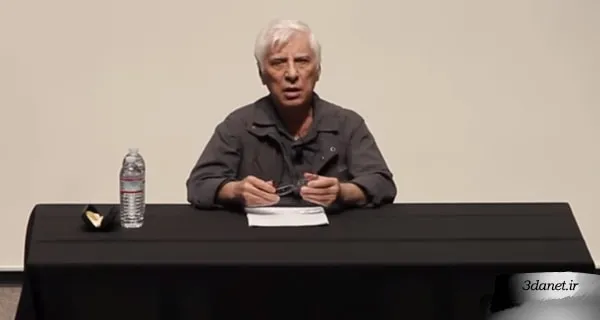
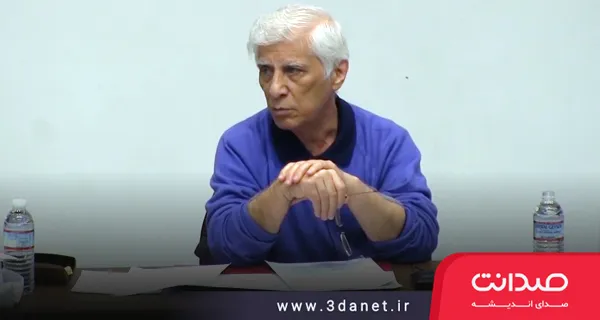
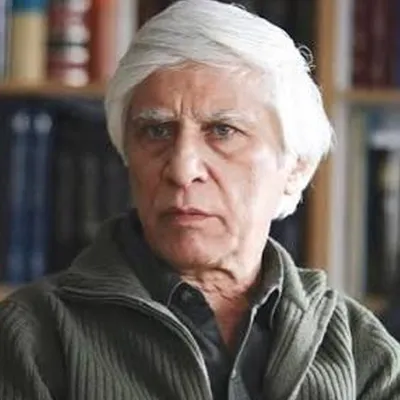
Bahram Beyzai, born 1938 in Tehran, is a playwright, filmmaker, researcher, and one of the prominent figures of contemporary Iranian culture. His significance lies in linking the language of drama and cinema with myth, history, performance rituals, and the question of Iranian cultural identity. His works in Iranian theater and cinema hold a distinguished position, both in terms of narrative form and their critical perspective on tradition and history.
Bahram Beyzai was born in 1938 in Tehran and from his youth was interested in literature, drama, cinema, and research into Iranian performance rituals. He began his career with criticism, research, and playwriting, and soon became one of the key figures in the modernization of the language of Iranian theater.
In plays such as "Pahlevan Akbar Dies," "Death of Yazdgerd," "Four Boxes," "Arash," "The Serpent King," and "The Assembly of the Blow," Beyzai drew upon the capacities of myth, history, Ta'zieh, Naqqali, and traditional performances to construct a modern drama. His significant research work, "A Study on Iranian Theatre" (Namayesh dar Iran), is also considered an influential source for understanding the history of Iranian performances and dramatic rituals.
In cinema, works such as "Downpour," "The Stranger and the Fog," "Ballad of Tara," "Bashu, the Little Stranger," "Maybe Some Other Time," and "Killing Mad Dogs" solidified Beyzai's position as one of the important auteurs of Iranian cinema. His cinema is typically recognized for its precise visual language, multi-layered narrative, attention to the position of women, historical memory, and the conflict between the individual and closed cultural structures.
Beyzai's cultural thought is based on a critical re-reading of tradition, attention to Iran's mythological and dramatic heritage, and the search for an independent language to express the Iranian experience. He neither merely sanctifies tradition nor accepts modernity without question; rather, from the collision of these two, he creates a dramatic and narrative world in which history, legend, language, and identity are called into question.