Iranian thinker
Hassan Bolkhari Ghahi
Hassan Bolkhari GhahiPhilosophy of Art and AestheticsIranian
Life and Thought
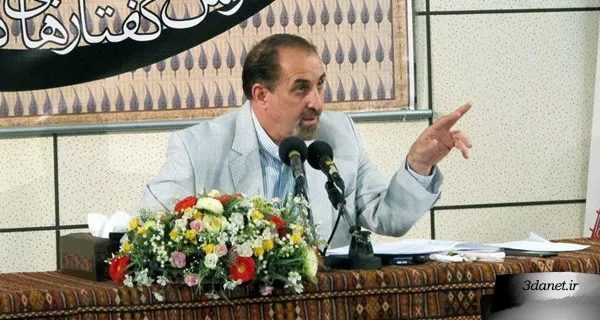
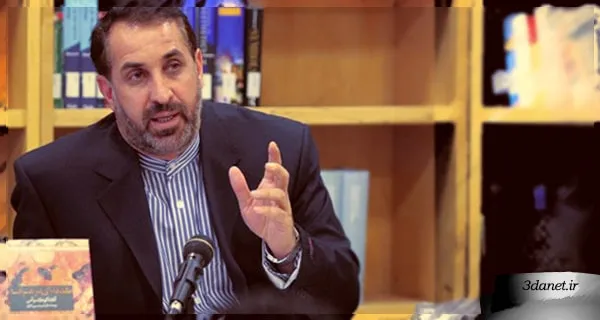
Hassan Bolkhari Ghehi, born in 1962 in Ghehi, Isfahan, is an Iranian researcher, author, and professor of the philosophy of art and aesthetics. He is a full professor at the University of Tehran, a permanent member of the Iranian Academy of Arts, and a well-known figure in the study of the wisdom of Islamic art, aesthetics, and the mystical foundations of art and architecture. His numerous works address the relationship between art, wisdom, mysticism, imagination, light, geometry, and meaning in the Iranian-Islamic tradition and Eastern art.
Hassan Bolkhari Ghehi was born in 1962 in Ghehi, Isfahan. After completing his university studies, he earned a master's degree in Philosophy and Mysticism and a PhD in the Philosophy of Art and Aesthetics from Hamdard University in New Delhi. His doctoral dissertation, on the manifestation of the unity of existence in the art and architecture of Iran and India, also indicates the main trajectory of his subsequent research: the nexus between wisdom, mysticism, art, and architecture.
Bolkhari is a full professor at the University of Tehran and has served as the head of the Department of Advanced Studies of Art at the University of Tehran's College of Fine Arts, and has been active as a permanent member of the Iranian Academy of Arts. He has written and published numerous works in the fields of the philosophy of art, aesthetics, the wisdom of Eastern art, Islamic art, the mystical foundations of architecture, and comparative studies of Iranian and Indian art.
His works include An Introduction to the Philosophy of Art, The Wisdom of Art and Beauty, On Beauty, On the Theory of Mimesis, The Philosophy of Islamic Art, The Mystical Foundations of Islamic Art and Architecture, Philosophy, Geometry, and Architecture, The Geometry of Imagination and Beauty, The Manifestation of Light and Color in Iranian-Islamic Art, and The Wisdom of Indian Art. He has also produced lectures and writings in the fields of Hafez studies, Rumi studies, the interpretation of religious texts, and the relationship of art with meaning and the sacred.
The central axis of Bolkhari's thought can be considered the search for the philosophical and spiritual foundations of art. He does not view art merely as an aesthetic or historical matter, but examines it in relation to imagination, symbol, light, unity, geometry, meaning, and sacred experience. From this perspective, his works are significant for understanding the connection between Islamic philosophy, mysticism, architecture, traditional arts, and comparative aesthetics.
Sedanet articles about Hassan Bolkhari Ghahi