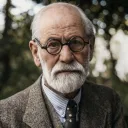
Foreign thinker
Jordan Peterson
Jordan PetersonClinical psychology, personality psychologyCanadianb. 1962
Tell the truth, or at least don’t lie.


Life and Thought
Jordan Peterson is a Canadian clinical psychologist, professor emeritus at the University of Toronto, and prominent author. He is best known for psychological interpretations grounded in Jungian archetypes, critiques of ideological structures, and the formulation of rational principles of self-help.
Jordan Bernt Peterson is a clinical psychologist, theorist, and former professor of psychology at the University of Toronto in Canada. He earned undergraduate degrees in political science and psychology from the University of Alberta and received his PhD in clinical psychology from McGill University. Before returning to Toronto, Peterson taught and researched addiction, behavior, and personality for several years at Harvard University.
His first major scholarly work, Maps of Meaning: The Architecture of Belief, was the product of nearly two decades of research. In it, he combines findings from neuroscience, mythology, Carl Jung’s analytical psychology, and existential philosophy to show how human beings construct meaning through myths and rituals, and how our cognitive structures separate order from chaos.
Peterson gained broad international fame with the publication of 12 Rules for Life: An Antidote to Chaos and its sequel Beyond Order. His central thought rests on personal responsibility, direct confrontation with the sufferings of existence, criticism of totalitarian currents and ideological tyranny, and the search for meaning through accepting the burden of responsibility.


.webp)