Philosophy means questioning foundations, and as long as humanity exists, these questions will remain.


Life and Thought
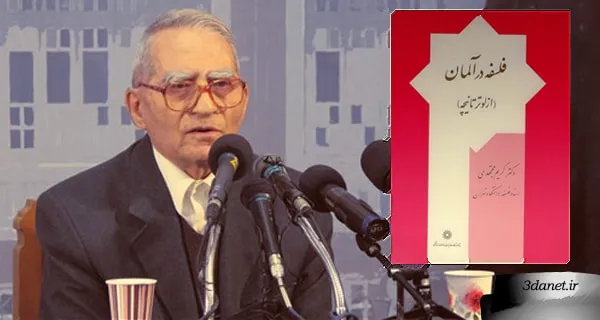
Karim Mojtahedi (1930–2024) was a philosopher and professor at the University of Tehran who played a significant role in teaching Western philosophy in Iran. He completed his studies at the Sorbonne and wrote numerous works on Kant, Hegel, and modernity.
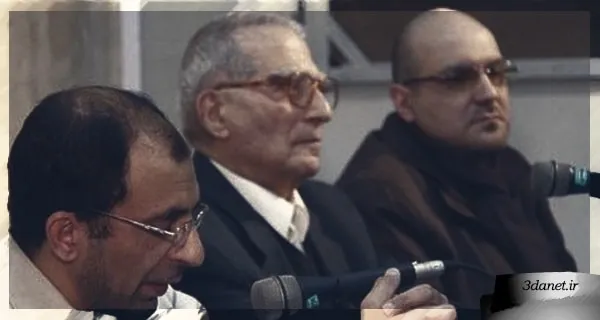
Karim Mojtahedi, born September 1, 1930, and died January 15, 2024, was a philosopher, university professor, and one of the most important figures in the teaching of Western philosophy in contemporary Iran. He was a retired full professor in the Philosophy Department at the University of Tehran, a faculty member at the Institute for Humanities and Cultural Studies, and an associate member of the Iranian Institute of Philosophy.
Mojtahedi pursued his higher education at the Sorbonne in France. His master's thesis on Kant's transcendental analysis was supervised by Jean Wahl, and his doctoral dissertation was written with the guidance of Henry Corbin. After returning to Iran, he taught Western philosophy at the University of Tehran for many years and played a key role in training several generations of philosophy students.
Mojtahedi's main focus was on Western philosophy, particularly Kant, Hegel, Descartes, medieval philosophy, German philosophy, modern philosophy, and the relationship between philosophy, culture, and modernity. He was among those professors who regarded philosophy not merely as a collection of theories, but as a form of intellectual cultivation and a serious exercise in thinking.
Several key themes stand out in his works:
Bibliography
Writings and transcribed lectures20 titles
Kant's Critical Philosophy
Kant's Thoughts
Descartes and His Philosophy
The Phenomenology of Spirit According to Hegel
On Hegel and His Philosophy
Hegel's Thoughts
Logic from Hegel's Perspective
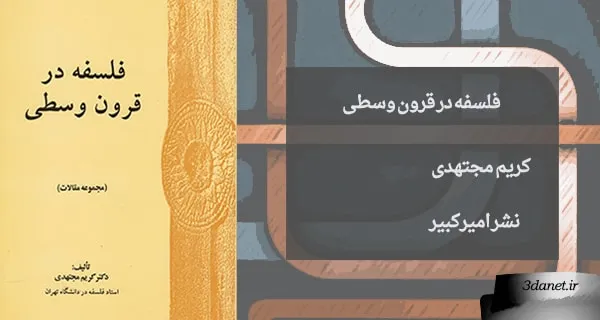
Philosophy in the Middle Ages
Islamic and Western Schools and Universities in the Middle Ages
Philosophy in Germany
Leibniz and the Interpreters of His Philosophy
Philosophy in the Period of the Cultural Renaissance of the West
Philosophy and Modernity
Philosophy and Culture
Philosophy and the West
Iranians' Introduction to Modern Western Philosophies
Suhrawardi and His Thoughts
Dostoevsky: Works and Thoughts
The Philosopher Is a Student
The Mongols and the Cultural Destiny of Iran