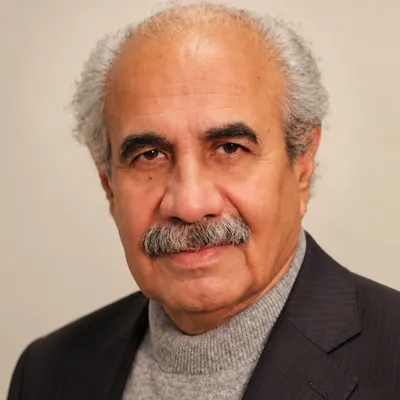
Iranian thinker
Mousa Akrami
Mousa AkramiPhilosophyIranianb. 1953


Life and Thought
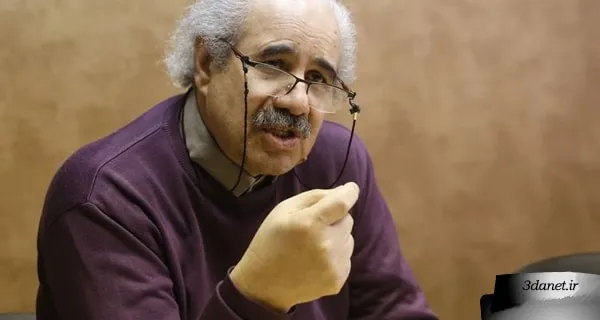
Musa Akrami, born 1953, is an author, translator, and professor of philosophy of science who has taught at the Islamic Azad University, Science and Research Branch in Tehran. His research interests include philosophy of science, philosophy of physics, history of science, and Iranian calendrics.
Musa Akrami, born 30 May 1953 in Cheqasiyah, Shazand, in Markazi Province, is an author, translator, editor, and professor of philosophy of science. He studied physics and philosophy and taught for many years in the Department of Philosophy of Science at the Islamic Azad University, Science and Research Branch in Tehran. His research interests include philosophy of science, philosophy of physics, philosophy of mathematics, history of science, philosophy of logic, analytic metaphysics, philosophy of art, and political philosophy.
Akrami completed his primary education in villages of Markazi Province and his secondary education in Arak. He then continued his studies in physics in Isfahan and Shiraz, and in philosophy in Tehran. He collaborated for a time with the Great Persian Encyclopedia Foundation and was active in authorship, translation, editing, and encyclopedic writing. From 2004 to 2015, he chaired the Department of Philosophy of Science at the Islamic Azad University, Science and Research Branch, and is considered one of the key figures in establishing the teaching of philosophy of science in Iran.
Akrami is among the few figures who have forged a link between physics, analytic philosophy, and the history of science. His work in philosophy of science is not limited to a general introduction to the field; it also addresses the philosophy of cosmology, philosophy of physics, philosophy of mathematics, the problem of scientific method, the language of science, and the relationship between science and Iranian academic culture.
Alongside philosophy of science, he has also paid special attention to Iranian calendrics and the history of science. His works on cosmology, calendrics, and the philosophy of cosmology show that his concern is a philosophical understanding of science within a historical and cultural context, rather than merely transmitting Western academic discussions.
Bibliography
Writings and transcribed lectures12 titles
Glossary of Cosmology
From the Breath of Pre-Eternal Dawn to the End of Eternal Eve
Plato's Cosmology
The Iranian Calendar
Kant and Metaphysics
An Introduction to the Philosophy of Cosmology
Philosophy; From Interpreting the World to Changing It
Arya, a novel
The Constitution of the Earth-City
The Ontological Status of Love and the Creation of the Human Being
The Problem of Science in Iran
The Problem of the Calendar and the Best Method of Intercalation in the Iranian Calendar