Iranian thinker
Mohammad Ali Foroughi
Mohammad Ali ForoughiPhilosophy and PoliticsIranian1877–1942
The first work to render the ideas of European philosophers in Persian.





Life and Thought
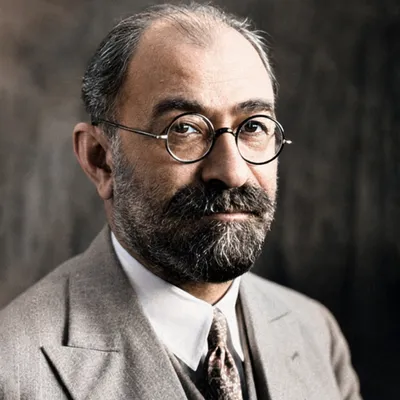
Mohammad Ali Foroughi, also known by the title Zoka-ol-Molk, was a writer, translator, statesman, and one of the influential figures in the formation of modern Iranian culture. Through works such as The Evolution of Philosophy in Europe, he played a major role in introducing Persian readers to Western philosophy, while also taking a prominent part in the political transformations of the late Qajar and early Pahlavi periods.
Mohammad Ali Foroughi was born in Tehran in 1877 and raised in a family devoted to culture and learning. He studied at the Tehran School of Political Sciences and later taught, translated, and wrote in the same intellectual environment. Foroughi belonged to a generation of intellectuals who sought to equip modern Persian with the vocabulary needed to express philosophical, legal, and political concepts.
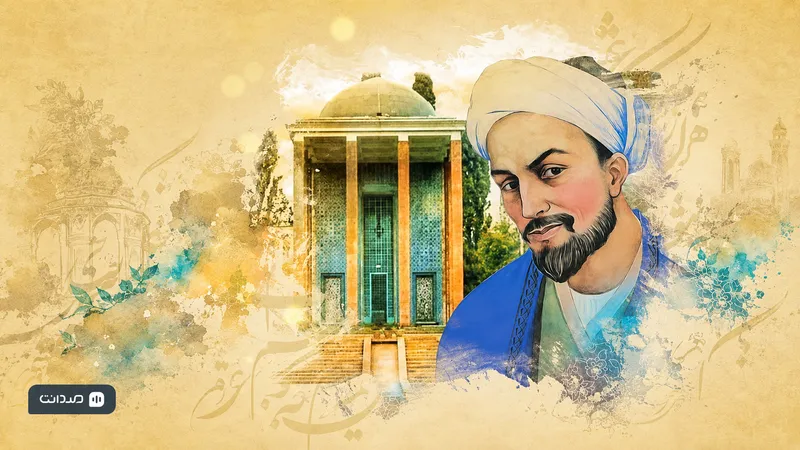
His most important philosophical work is The Evolution of Philosophy in Europe, which for many years served as one of the principal sources through which Iranians encountered the history of Western philosophy, from ancient Greece to modern thought. He also contributed to editing and introducing classical Persian texts, including the works of Saadi, and became known for the precision, moderation, and clarity of his modern Persian prose.
Foroughi also played a decisive role in politics, serving at various times as a minister, speaker of parliament, and prime minister. His involvement in the transition of the monarchy from the Qajar to the Pahlavi dynasty, and later in the events of September 1941, remains among the most debated aspects of his political career. Nevertheless, his cultural significance lies above all in connecting the Persian literary tradition with modern philosophy, law, and political thought.