Philosophy
What Use Are Philosophy and Philosophizing in Life?
Philosophy is not an academic discipline but a vital necessity for everyone; just as the body needs exercise, the soul requires philosophising for its mental health. The Greeks saw it as 'gymnastics of the soul' and a way of living, not a body of theoretical knowledge.
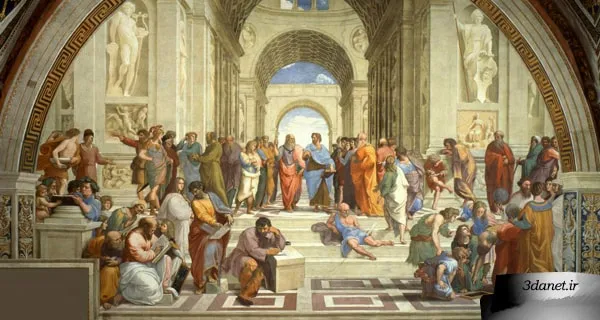
The prevailing conception of our time regarding “philosophy” is, for the most part, that of an academic discipline which can serve as a “possible choice” for individuals who intend to acquire a body of knowledge, or, as the saying goes, to pursue higher education. But, in truth, is philosophy an academic option and fundamentally a “possibility”? Can it not be said that philosophy, beyond being a “possible choice” confined merely to certain elites, is a serious and vital “necessity” for everyone? Should it not be said that although not everyone needs to be a doctor, engineer, photographer, carpenter, or baker, everyone ought to be a philosopher and philosophize, just as, for instance, everyone ought to exercise and have good nutrition?
What Use Are Philosophy and Philosophizing in Life?
(On the Utility and Necessity of “Philosophizing in Life”)
The prevailing conception of our time regarding “philosophy” is, for the most part, that of an academic discipline which can serve as a “possible choice” for individuals who intend to acquire a body of knowledge, or, as the saying goes, to pursue higher education. But, in truth, is philosophy an academic option and fundamentally a “possibility”? Can it not be said that philosophy, beyond being a “possible choice” confined merely to certain elites, is a serious and vital “necessity” for everyone? Should it not be said that although not everyone needs to be a doctor, engineer, photographer, carpenter, or baker, everyone ought to be a philosopher and philosophize, just as, for instance, everyone ought to exercise and have good nutrition?
We rightly do not expect everyone to be a physician, that is, a professional health expert, yet, at the same time, we expect each and every one of them not to be indifferent to their physical health and to adopt a suitable lifestyle for having a healthy, strong, and vibrant body. By the same logic, can it not be said that although one cannot and should not expect everyone to be a professional philosopher, or a so-called “professor” of philosophy, one can and should expect everyone to philosophize and be a philosopher?
Clearly, this question can have a resoundingly positive answer only when philosophy possesses a utility and necessity of the same kind as, say, the utility and necessity of exercise and a dietary regimen for physical health. If we temporarily set aside the common perception of philosophy as a theoretical and academic activity and look to its historical origins and cultural status in the ancient period, we will see that philosophy had precisely a utility and necessity similar to exercise and a dietary regimen, though not in relation to the “body,” but in relation to the human “psyche.”
As Montaigne says, “Our soul wrinkles sooner than our body,” but because the wrinkles of the soul are not as easily seen as those of the body, we neglect them. Do people today devote even one-hundredth of the time and effort they spend merely thinking about and striving for the beauty of their skin to thinking about and striving for the strength, vitality, beauty, and youthfulness of their soul? And is there fundamentally any similar idea or will observable among them that indicates a serious concern for the beauty of their soul? Truly, why is it that while it is self-evident to everyone that if the body goes without food, with little food, or with bad food for a long time, or succumbs to lethargy and weakness, it will collapse, this truth is not self-evident to them that the soul also has similar needs and, if faced with starvation, malnutrition, poor nourishment, inactivity, and lack of dynamism, will wither, become depressed, and wear out?
The Greeks considered philosophy a kind of beneficial and necessary “dietary regimen” for “mental health”; they also called it the “gymnastics of the soul.” For them, philosophy was not a set of ready-made “doctrines,” nor merely a “way of knowing,” nor a theoretical activity reserved for elites, but a necessary “way of living” for a “flourishing life.” One of the serious cultural crises of the modern age is the “crisis of philosophy”; a philosophy whose historical mission seems to have been cultural “crisis-resolution” has itself become “crisis-ridden”; it has strayed from its authentic historical origins and lofty cultural status; it has lost its illuminating and therapeutic power; and it suffers from being reduced to a “theoretical activity,” or an “academic discipline,” or a “display of intellectualism.” “Today we have professors of philosophy, but we do not have philosophers!”*
Therefore, philosophy is the “art of living well” and the “art of dying well,” and its aim is nothing less than human “happiness.” In other words, “philosophy” is nothing but “the essential rational activity of the human being for their own happiness.” From this perspective, the history of philosophy can be seen as the history of intellectual and theoretical efforts to defend “life” and its practical improvement, and ultimately to contribute to human “happiness”; just as every philosopher can also be called a “cultural physician” who, in their own way and in their own time, strives to bring “happiness” to their age. Indeed, “happiness,” in one sense, is nothing other than this very “philosophizing,” that is, “friendly dialogue and rational inquiry about happiness.”
I have said enough, where is union, where is success? This “where, where” has carried me away into your alley. Rumi
* “Today we have professors of philosophy, but we do not have philosophers!” is a thought-provoking statement that Pierre Hadot, the twentieth-century French philosopher, frequently reminded his readers and students of, quoting David Thoreau, the nineteenth-century American mystic-philosopher, in his books and classes.



Discussion9 comments
درود و سپاس بیکران جناب کشانی عزیز از پیام و نظر متأملانه و روشنگرانه تان. من متاسفانه پیشتر پیام را ندیده بودم. امروز در آستانه روز جهانی فلسفه به این یادداشتم در اینجا رجوع کردم و پیامها را دیدم.
قلبم درد میکنه. به پوچی رسیده ام....
سلام دوست عزیز خودپوچی تازه اغازکاره.بدون تعصب برو دنبالش به نتجیه میرسی. به امیدموفقیت
جناب آقای شهرستانی گرامی، از نظرتان استفاده کردم، چون از سر تعمق بود. خیلی ممنونم. امایک نکته: به هیچ کس نباید اعتراض کرد بخاطر ابراز نظر او در زمینه های مختلف، اما به یک شرط اساسی و با امایی بس مهم: سخن این «هر کس» باید و باید و باید فلسفه ورزانه و سقراط وار باشد و از سفسطه بدور باشد و بهتر آن که از رذایل اخلاقی هم بدور! در نبود این شرط اساسی، همین می شود که می بینیم: (توجه لطفا:اکثرا و نه همه) اکثرا هرزه گویی و هرزه شنوی و هرزه نویسی و هرزه خوانی، و ابراز پیام از روی رذایل اخلاقی - - مثل خودنمایی، دکان باز کردن و ریا و در یک کلام همخوان نبودن درون با بیرون(ابراز پیام به هر شکل.). کاش و ای کاش والدن ثورو را منقح و در خور ثورو تمام کنم تا همه شاهد سرسامی باشیم که این انسان گرفته، از غوغای رایج هرزه درایی های جماعت عامه و بخصوص خاصه! از سخن و نوشته ی از روی ولنگاری و بی مسءولیتی و فرار از وظیفه، و «فیلسوفانه و قلمبه و غامض گویی»ی حاصل از نومیدی و فرار از عمل به وظیفه.
از یک سو شرط گذاشتن برای ابراز نظر ، تیغ دو لبه است ؛ یعنی گذاشتن شرط یکی برای حذف صدای دیگری ، شرط گذاشتن دیگری برای حذف صدای او را موجه می کند . از آن جا که « در دروازه را می شود بست ، اما دهان مردم را نمی شود » ؛ شاید به نظر برسد که بهتر این است که همه حرف شان بزنند و در این عرصه آزاد از قید و بند ، بالاخر مایه و پایه هر کس آشکار می شود . افزون بر این همگان در یک تراز نیستند و نمی مانند . بستر آزاد برای ابراز و انتشار نظر ، زمینه مناسب تر رشد و رویش فکری مردم است . از سوی دیگر همگان می پذیرند که هر چیزی را به هر کسی و در هر جایی نمی توان گفت ؛ و به ناگزیر هنجارها و قواعد ابراز نظر ـ چه در عرصه عمومی و چه در عرصه های تخصصی و اختصاصی ـ پدید آمده و به عنوان شرط ابراز نظر ، ابلاغ و رعایت آن الزامی شمرده می شود . راه حل و ترکیب این دو سویه ؛ پذیرش امکان تعیین و اصلاح هنجارها از سوی مشارکت کنندگان یا اعضای جماعت است .
سپاس از جناب آقای زنجانی سپاس از صدانت برای دادن این فرصت به هر دو سو. دعوایی در نام گذاری ها نمی باید داشت، اما یک نکته: به نظر می آید چیزی که در نوشته ی بسیار خوب و روشنگرانه ی بالا تاکید شده، همان فلسفه ی عملی (در برابر نظری) و بخصوص از نوع سقراطی آن باشد. ثورو هم فقط به همین بخش فلسفه تاکید می کرده است. مصطفی ملکیان هم (در همه ی اظهارات شان)، و خشایار دیهیمی هم و... تاکید دارند که نانوای محترم محله ی ما و پزشک محترم درمانگاه ما به ابزار «فلسفه ورزی» و «فلسفه عملی از نوع سقراطی می توانند و می باید مجهز شوند، تا انسانی از تراز «انسان پرسش گر» و جامعه ای با «چرا» زاده شود. کاش این نکته در متن بازتاب پیدا کند. با احترام، کمترین.
« پالایش همیشگی دانسته هاو هماهنگ کردن باورهای متنوع و متحول » ضرورت زندگی اجتماعی انسان هوشمند و زباندان است و با گسترش دانش و شاخه شاخه شدن و تخصصی شدن حوزه های دانایی ، این نیاز کم نشده است بلکه دقت و پشتکار بیشتر را طلب می کند . اگر این امر را « فلسفیدن » بنامیم ، « فلسفه » همانند خوردن و خفتن و سخن گفتن ، لازمه زندگی به نظر می رسد . از این منظر ، نباید دیگران را به خاطر ابراز نظر در زمینه های مختلف نکوهش کنیم و تخصص نداشتن و همه فن حریف نبودن و ... را مطرح کنیم ، زیرا داشتن انسجام و گستردگی بینش و داشتن نظر در زمینه های مختلف و جنبه های گوناگون زندگی ، امری لازم و پسندیده است ؛ نادانی و پیروی کورانه و نشنیدن سخن دیگران ، ناپسند است .
املای صحیح واژه اجالتا به همین شکل درسته یا عجالتا؟
عجالتاً این واژه را بهمعنی «فعلاً» بهکار میبریم. املای آن با «ع» است نه آنگونه که بعضاً با الف (اجالتاً*) مینویسند