Sociology
Why Media Literacy?
Literacy goes beyond reading and writing; media literacy is essential for analyzing and evaluating messages. The goal is to transform passive audiences into active ones, so that individuals are not swayed by hidden messages and media persuasion techniques, but make informed choices instead.
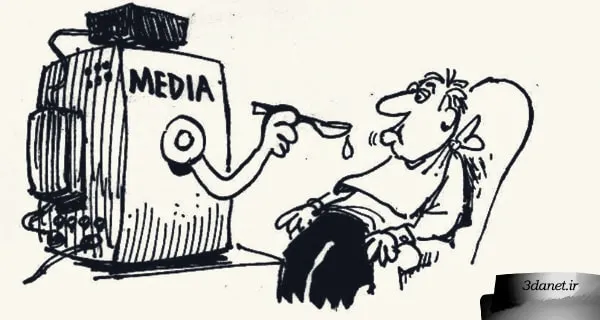
Contrary to popular belief, literacy is not limited to reading and writing—literacy acquired through the education system—and holding an academic degree. A literate person in today's world is one who possesses emotional, health, communication, financial, computer, critical thinking, mobile phone usage, research, cultural, educational, legal, visual, and especially media literacy.
Given the influence of media on human life, media literacy can be considered one of the most important types of literacy, and having minimal information and literacy is essential for people who engage with media. In discussions of media literacy, the effort is to teach how to approach and use media so that individuals are not entirely passive and susceptible to media influence.
The term media literacy was first used by Marshall McLuhan in 1965. From the 1970s, the subject of media literacy gained attention in some Latin American and European countries. Media literacy education was first addressed in Europe in 1970, in Finland and Denmark. Media literacy education in Canada began in 1978 with the formation of the "Association for Media Literacy." Subsequently, media literacy topics were added to English textbooks as a subject. In 1982, UNESCO issued a declaration on media literacy education. This declaration was signed by 19 countries and is now officially known as the "Grünwald Declaration."
In our country, since the mid-2000s, media literacy has found its place among university textbooks, and communications and media professors have translated and authored numerous articles. The emphasis by academic and media elites on the necessity of teaching media literacy to various segments of society led to numerous conferences on media literacy being held in cultural centers and schools in the country's metropolises in recent years. Since 2012, media literacy textbooks with various titles have entered Iran's educational system.
Media literacy provides a framework for accessing, analyzing, evaluating, and producing messages in various forms, from print to the internet. Some of the goals of media literacy worldwide can be enumerated as follows:
- Critical analysis in the consumption and production of media messages
- Recognizing the sender (source) and the context of media message formation, along with attention to and recognition of the sender's political, social, commercial, and cultural interests and orientations
- Interpreting the messages and values presented by the media
- Recognizing and selecting appropriate media for communication and reaching intended audiences
- Accessing media for consuming and producing messages
With increased media literacy, the audience is expected to be able to conduct media analysis, meaning they are capable of:
- Interpreting the overt and covert messages of media productions
- Recognizing representation in media productions
- Recognizing persuasion techniques in media productions
- Recognizing the goals and motivations of message senders
- Recognizing values and lifestyles in media productions
In fact, every message producer (sender) has an overt message and, behind it, a covert message that conveys intent and purpose to the audience (receiver). The sender encodes the message. The audience, depending on their level of media literacy and awareness, can decode the sender's message.
In discussions of media literacy, the effort is to transform the passive audience into an active one, and the active audience into a creative one. In fact, it can be said that media, like a gun firing a magic bullet, have a strong, immediate, and direct effect on the audience, and the completely passive audience, without any resistance to this bullet, is condemned to death. The effort of authors of media literacy texts is to teach the audience to recognize the hidden and overt messages of media productions and not to be easily influenced by the sender's goal, thus becoming an active audience.
Through media techniques such as representation, persuasion techniques, stereotyping, and hypertext, the sender can even convey messages detached from reality to the audience or convince the audience to fully accept the message, and the entire endeavor of media literacy is to enlighten the audience for the conscious and correct use of media.
.
.
Why Media Literacy?
Author: Sogand Khazaeian
.
.



Discussion5 comments
کتابی را به تازگی به نام والدین حقیقی فرزندان مجازی خواندم که درباره رفتار والدین در خانه هنگام استفاده بچه ها از موبایل و تلویزیون بود. من مدتها بود که نگران پسرم درباره موبایل بازی کردنش بودم اما این کتاب خیلی به من کمک کرد. نویسنده کتاب محمد منشی زاده
سلام ممنون از سایتتون
بسیار عالی, فقط بخاطر این حضور دوم تان در جواب به آقای محمد. و “سواد رسانه ای, چیزی که اجبارا و سخت به آن نیازمند شده ایم! سپاس برای نوشته تان, از شما و صدا نت. با احترام
چه کتاب هایی برای این امر معرفی میکنید ؟؟
کتاب سواد رسانه ای،مجموعه دوازده جلدی،نوشته حمیدرضا آیت الهی و اسماعیل رمضانی آموزش رسانه ای((یادگیری سواد رسانه ای و فرهنگ معاصر))نوشته دیوید باکینگهام و ترجمه حسین سرافراز مطالعات رسانه ای،راهنمای عملی دانشجویان، تالیف گیل برانستون و روی استافورد، ترجمه امیر عبدالرضا سپنجی بازشناسی رسانه های جمغی با رویکرد سواد رسانه ای. نوشته جیمز پاتر ،ترجمه امیر یزدیان، منا نادعلی و پیام آزادی