Sociology
We and the Mediated World, an essay by Shayan Tale’ Masouleh
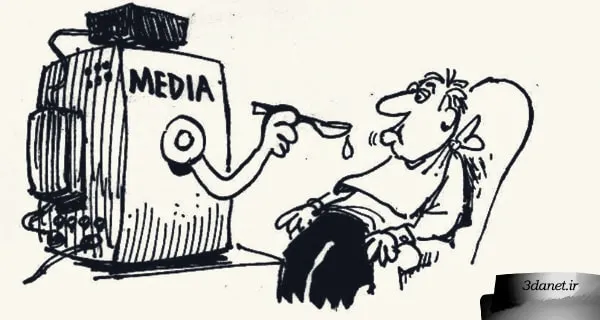
In postmodern society, the media determine reality; from the magnification of marginal issues to the subtle control of thought, we are not consumers but objects of the media, thrown into the determinism of these relations.
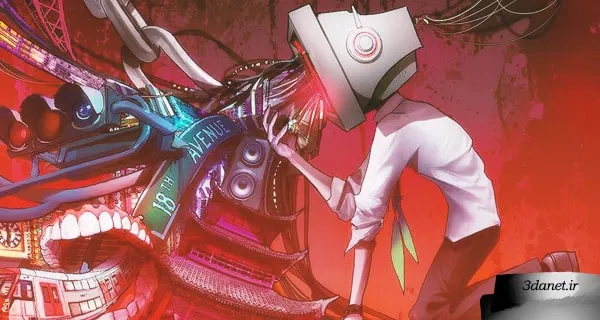
"Living in postmodern society means having a faith of the religious kind in the media and deifying it!" In the Shadow of the Silent Majorities / Jean Baudrillard ***
In my opinion, there is no such thing as a purely individual attitude or a merely active human being—not that I reject these issues outright; no, my argument is something else, which I will explain in what follows. The media (in general) in the current era constitute and determine the attitudes of individuals, their intellectual and behavioral priorities. More precisely, the media are constitutive of the present world, and imagining the world without them is impossible. The media can marginalize or altogether eliminate a central and important issue, and conversely, they can turn marginal and worthless issues into central ones, or create false needs and steer people toward superficial and irrelevant matters such as consumerism and the like. For example, the media covered the rescue of a duckling in North Carolina with such intensity and fervor as if this were the sole and only issue at hand, while at the same time, 40, 50, 60 people were dying daily in the Middle East due to bombings and so on, and the media did not cover all those explosions unless there was some other unusual detail (in their view) that could serve as good news fodder. Because covering all of them would no longer hold any appeal for the audience, and in a way, if for years and years a certain number of people were killed in this manner every day in a particular region, it would become a natural and ordinary matter; but helping a duckling is a rare occurrence. A large number of people, following the media, reposted that news (the rescue of the duckling) many times, spent a long time watching or discussing it, and wrote and lectured for hours about the value of and respect for life—even if it was the life of a duckling in a sewer—and marched for hours, candles in hand, in reverence for life, and here, the life of a duckling, without paying attention to the fact that elsewhere, dozens and perhaps hundreds were being killed and wounded daily, without any media outlet covering their news or regarding it as a central issue. Of course, it is not merely a matter of news value and appeal; rather, more precisely, the media create appeal and even reality itself for people, inculcating in them what is appealing and what is real. The macro-strategic policies of major countries and international mega-corporations, under whose auspices powerful media certainly operate, are decisive in this regard. Long before ISIS committed such horrific crimes in Iraq, it was doing exactly the same things in Syria: beheading people, taking groups of innocent people near mass graves and mowing them down with gunfire, burning corpses or tying them to cars and dragging them on the ground, destroying national and historical monuments, and so on. But at that time, the media portrayed those issues differently or did not show them at all. Liberal democratic countries, by their very nature (in general), cannot control the masses in the way that, for example, a country like North Korea directs and shapes them. In North Korea, people watch two television channels controlled by the government; there are no mobile phones, and naturally, no satellite or internet. The masses do exactly what the government tells them and asks of them. Individuals, events, statistics, and in general all occurrences in the country and the world are shown to the people in whatever form they prefer. If someone, for any reason, does not accept that narrative, they are eliminated very simply and openly, and for these eliminations, there is no need for media finesse or creativity; they fabricate stories for the eliminated person so crudely and clumsily that no one, not even they themselves, believes that narrative. During the time of the former leader of North Korea, the son of the Syrian ambassador took a liking to a Korean girl, and consequently, that girl and her family were killed on a trumped-up charge, namely espionage—just like that. But the democratic governments of the free world cannot, like totalitarian countries, resolve matters entirely through the negation of others; therefore, they advance their affairs through creative, subtle, and ingenious methods, aligning public opinion not only within their own country but also beyond their borders with their policies. For this reason, the necessity of controlling public thought and behavior through the media and propaganda is considered extremely serious and vital in these countries.
زیرا هر چه جامعه به اصطلاح آزادتر باشد، استفاده از ابزارهای قهری و زور برای کنترل توده ها دشوار تر می شود، نه اینکه به هیچ عنوان از این ابزار ها استفاده نکرده بلکه سعی می کنند تا آنجا که امکانش است از آن استفاده نکنند و اگر چاره دیگری نداشتند به زور متوسل شده و به شیوه کاملا وحشیانه ای کارها را پیش می برند و البته برای آن با ظرافتهای خاصِ خود داستان سرایی کرده و موضوع را طور دیگری نشان می دهند؛ برای مثال سربازان آمریکایی که در عراق و ویتنام با آتش مستقیم و سلاح های غیر مرسوم، زنان و کودکانِ بی گناه را می کشتند، رسانه های آمریکایی این جانیان فرامرزی را قهرمانان میهن دوست معرفی کرده و جایگاه ظالم و مظلوم را تغییر می دادند که البته، گاه در دیالکتیک و تقابل رسانه های مخالف و موافق، این موضوع بسان کاریکاتور در می آمد . تقریبا هیچ رسانه ای از این وضع مستثنا نیست، تنها توان و کارایی آنان متفاوت است . حتی بی طرف ترینِ رسانه ها نیز کاملا بی طرف نبوده و بر اساس استراتژی بنیادینشان و همینطور توانایی و کارایی شان افکار و رفتار مخاطبان را کنترل می کنند . در این بین و با این وضعیت ما فکر می کنیم که می توانیم رسانه ها را انتخاب کنیم و یا در بین برنامه ها چیزی را ببینیم و چیزی را نبینیم و یا اصلاً به طور کلی آنان را تماشا نکنیم و ما به عنوان مصرف کننده رسانه ها و سوژه، نقشِ تعیین کننده را داریم . اما این تعبیر صحیح نیست و صحیح تر آن است که ما خود توسطِ رسانه ها مصرف می شویم و یا ابژه رسانه ها هستیم . چه بدانیم و چه ندانیم، چه مخاطب آنان باشیم و چه نباشیم، حدود ما توسط رسانه ها تعیین می شود . به تعبیر و ادبیات اگزيستانسياليستى ما در میانه ی این مناسبات و معادلات رسانه ای پرتاب شده ایم و به نوعی در درون این مناسبات جای گرفته ایم و حالتمان، حالتی انتزاعی و جدا افتاده از این مناسبات نبوده و کنش و نگرش ما نیز توسط همین مناسبات تعیین و تحدید می شود؛ و به نوعی ما حالتی انتخابی و ارادی نداشته و توسط جبر رسانه ای محدود شده ایم . البته من، اراده و آزادی فرد در انتخاب را نفی نکرده و اتفاقا فکر می کنم در این بین افرادی نیز وجود دارند که بر خلاف خیلِ عظیمی از مردم بدین موضوع آگاهند و یا حداقل سعی می کنند برخوردی آگاهانه داشته باشند هر چند این افراد هم همانطور که گفتم جدای از این دنیای رسانه ای و مناسبات و معادلات آن نبوده و به نسبتی تحت تاثیر آن قرار می گیرند، اما سعیشان بر این است که این نسبت را کم و کمتر کرده و به دنبال راه نجاتی ابتدا برای خود و در نوبت بعد، برای دیگران باشند، که به زعم من همان برخورد آگاهانه، منتقدانه و فعالانه با این مناسبات است ..
.
We and the Mediated World, an essay by Shayan Tale’ Masouleh
.
.


Discussion0 comments
No comments yet; let yours be the first voice.