Philosophy
World Philosophy Day Roundtable at the University of Tehran: The Philosophical Community and the Problem of Research
Discrimination between technical disciplines and the humanities, the harms of quantification in research, and the need to redefine philosophy as the science of life were the main themes of the panel “The Philosophical Community and the Problem of Research” at the State of Philosophy conference at the University of Tehran.
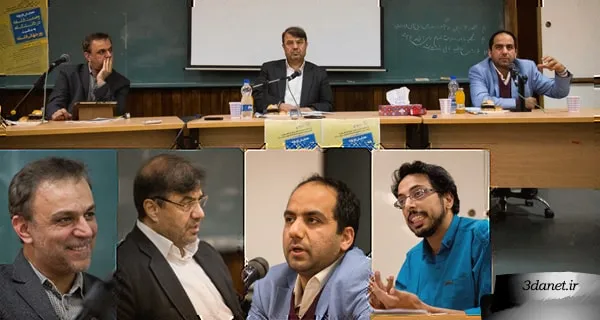
On the first day of the conference “The State of Philosophy at the University,” held on the occasion of World Philosophy Day in the Bastani Parizi Hall of the Faculty of Literature at the University of Tehran, the roundtable “The Philosophical Community and the Problem of Research” took place with the participation of Dr. Hamid Talebzadeh, Head of the Philosophy Department at the University of Tehran, Mohammad Saeedimehr, member of the Philosophy Department at Tarbiat Modares University, Amir Saemi, faculty member at the Institute for Research in Analytic Philosophy, and Ebrahim Azadegan, faculty member of the Philosophy of Science Department at Sharif University of Technology. In addition to the aforementioned professors, other scholars such as Ehsan Shariati were also present at the conference.
In this roundtable, each of the speakers individually expressed their opinions on the topics raised by the roundtable moderator.
.
Discrimination between the Humanities and Other Disciplines
In the first part of this roundtable, which was dedicated to the causes of the ineffectiveness of philosophical research, Saeedimehr, as the first speaker, said: Unfortunately, there is a noticeable difference and distinction between our field and other technical fields, and this difference is very painful. Even in terms of equipment, the equipment for our fields is lower and of poorer quality. When we ask officials about the reasons for these differences and distinctions, they offer arguments that are mostly unacceptable. For example, one of their arguments is that they believe technical fields generate wealth, but this is not the case in the humanities. They ask us what our contribution to universities is and what income we generate for them. Given this situation, when such discrimination and distinctions exist at the macro level, there is no expectation that distinctions will not increase in the micro sectors.
He added: Another very prominent problem is the insistence of senior managers on quantitative orientation and moving away from quality. That is, when you look at the regulations, you see that all the explanations are quantitative and full of numbers and figures. For instance, that a certain professor must have a certain number of books and articles, and well, this extreme quantitative orientation creates inappropriate side effects such as book fabrication, document fabrication, and so on.
The head of the Philosophy Department at Tarbiat Modares University added: Our ideal is that in educational levels, especially at the doctoral level, education should be such that the individual has so many problems and questions that they will not need the professor to suggest a problem or topic to them.
In another part of this roundtable, which was dedicated to the topic of the current situation and the origin of the problems, Saeedimehr explained: In my opinion, our main difference of view concerns the nature of philosophy. I believe that if philosophy wants to preserve its traditional status, it should no longer enter the realm of the university, department, and discipline, but if we have entered into this game, we must submit to these things. One of the problems that currently exists is that the existing definition of philosophy differs from the definitions we had in the past; moreover, in the past we had only one definition of philosophy, but today there are different definitions of philosophy.
This philosophy professor, emphasizing that we must re-identify and introduce our historical heritage, continued: In my opinion, the reading that Westerners have of philosophy is different from our reading. Therefore, we should not think that whatever foreigners do is necessarily correct and perfect. We have many capacities and potentials in Islamic philosophy and the principles of jurisprudence that we have not introduced very well and have not utilized as we should have.
Who comes to study philosophy?
The second speaker of this roundtable was Talebzadeh. He said: We can only address the issue of philosophical research in universities when we have a theory about the university, so it is good to ask ourselves what the university means to us. There was a time when the university operated on the basis of truth, and truth was supposed to be its foundation, but now conditions have changed. Therefore, we must first clarify our relationship with the university.
وی افزود: اگر قرار باشد به دانشگاه به چشم مارکتینگ نگاه کنیم پس فلسفه به چه درد ما می خورد در این صورت باید فلسفه را کنار بگذاریم. این در حالی است که اگر فلسفه نباشد صلاح کار از دست می رود و سیاست، اقتصاد و منفعت مختل می شود. بنابراین اگر می بینید که دانشگاهی در مارکتینگ موفق است حتما یک پشتوانه فلسفی دارد.
دبیر شورای تحول علوم انسانی ادامه داد: اگر فلسفه را به عنوان یک رشته، معادل رشته های دیگر ببینیم یک رشته اضافی و زائد است. نتیجه اینکه امروز دانشجویانی را می بینیم که رتبه های خوب در کنکور علوم انسانی دارند ولی حاضر نیستند فلسفه بخوانند و اکثرا رشته های حقوق، روانشناسی، مدیریت و حسابداری را انتخاب می کنند. خصوصا که در جامعه فعلی جرم و جنایت و افسردگی زیاد است و به اصطلاح نان در این چیزها است.
طالب زاده به شوخی گفت: به نظر من امروز کسی می آید فلسفه بخواند که به سیم آخر زده باشد حالا شما ببینید که با چنین تفکری ما چگونه می توانیم فلسفه پررونق داشته باشیم.
این پژوهشگر و استاد فلسفه در بخش دیگری از این میزگرد به تلقی ای که از فلسفه باید داشته باشیم اشاره و تاکید کرد: تلقی بنده از فلسفه همان تلقی افلاطون، ابن سینا و شیخ اشراق است. من اینها را الگو قرار می دهم و مثل آنها فکر می کنم. آنها معتقد بودند فلسفه علم زندگی است. افلاطون می گفت تمام مسئله فلسفه انسان و زندگی است. به عقیده افلاطون زندگی دنیوی مقدمه زندگی معنوی است. یا مثلا نیچه می گوید همه مسئله فلسفه زندگی است. بنابراین اساس فلسفه، رسیدن به زندگی به عنوان یک جریان متحرک و دائمی است. به همین دلیل خود فلسفه هم باید جریان و حیات داشته باشد. نکته مهم اینکه فلسفه وقتی حیات دارد که ریشه در سنت داشته باشد.
مدیرگروه فلسفه دانشگاه تهران با اشاره به اینکه ما باید مسئله خودمان را بشناسیم، گفت: مسائل حوزه فلسفه ما همان مسائل اساسی دنیا نیست بنابراین باید به فکر خودمان باشیم و مسئله خودمان را داشته باشیم. نه اینکه ببینیم مسائل روز دنیا را مسائل خودمان بدانیم.
وی در پایان گفت: به نظر من مشکلات ما فقط با خواندن حل می شود چون جز خواندن کار از دست ما بر نمی آید. ما اگر بخواهیم فلسفه را کنار بگذاریم و به مسائل روز که در فلسفه های دنیا مطرح است بپردازیم و بگوییم فلسفه هر چه بوده تمام شده رفته و حالا باید فقط به فکر فلسفه تحلیلی و آخرین پژوهش ها باشیم از مسیر اصلی فلسفه خارج شده ایم که من امیدوارم به اینجا نرسیم. علاوه بر این در حال حاضر ما متفکران اصیل نداریم و امور بدست اساتید و نخبگان افتاده است که این اتفاق بدی نیست ولی اگر متفکران بزرگ و تفکر حقیقی وجود نداشته باشد آکادمی از نفس می افتد. ما باید برای فلسفه و پژوهش حقیقی افرادی را تربیت کنیم که یک پا در سنت و یک پا در فلسفه غرب داشته باشند.
کم می خوانیم
آزادگان به عنوان سومین سخنران این میزگرد گفت:من فکر می کنم که تبعیضی که آقای سعیدی مهر در خصوص تمایز رشته های علوم انسانی و فنی به آن اشاره کردند در بقیه دانشگاههای دنیا هم وجوددارد و برخلاف ایشان فکر می کنم که ما رتبه های خوبی را داریم که رشته فلسفه انتخاب می کنند. به عنوان نمونه خود بنده رتبه ام دو رقمی بود ولی رشته فلسفه را انتخاب کردم بنابراین ما همه جور افراد داریم و خب در عین حال نباید توقع داشته باشیم که همه بیایند فلسفه بخوانند.
He went on to point out a number of problems facing the philosophy discipline in universities and added: In my opinion, the main problem for students and professors in universities is reading too little. That is, it is true that we do not have a good academic and structural situation, but the reality is that we ourselves are also not working hard enough, even though a tradition of study was common among our scholars. I remember years ago I had a meeting with the late Allameh Jafari, and I asked him how many hours a day he studied. He replied at least six hours a day, which is a very good and unbelievable figure for a person of his age. In addition to this problem of reading too little, our connection with global academies is very limited, and our link with the world is, in a sense, severed. This problem is less visible in technical fields; for example, we see that Sharif University or the Faculty of Engineering at the University of Tehran holds a number of joint conferences with various academies around the world every year. The advantage of this connection is that a joint project brings us into questions that are being studied around the world. Thus, we become aware of the latest news from other countries.
Azadegan added: The third serious problem of the philosophy discipline in Iranian universities is that our philosophy classes are not based on contemporary texts and articles, and this causes our students at various levels, especially doctoral students, to have no questions, or if they do, their questions are outdated. The result, as Mr. Saeedi Mehr pointed out, is that our students always need help from their professors to find a topic.
The faculty member of the Philosophy of Science department at Sharif University concluded by explaining the situation of philosophy of science students at Sharif University: The mode of study for master's students in the philosophy program at Sharif is that we offer them 24 course credits, which is about 8 typical courses in the philosophy discipline, and students are free to choose any topic they want for their thesis, and any professor, even from outside the university, can become their supervisor or advisor. Therefore, when you look at the thesis topics in the philosophy program at Sharif University, you see all kinds of topics there; of course, our focus is more on doctoral students.
We are not in the loop on current global topics
The final speaker of this roundtable was Saemi, who agreed with some of the remarks of the other three speakers and disagreed with others. He said: The idea that analytic and contemporary philosophers do not care about tradition and history and only accept the modern sciences of the day is a completely mistaken notion that must be set aside. However, in my opinion, our main problem is that we cannot present and showcase ourselves and our own assets well. We do not know Western philosophy, nor do we know the language of contemporary philosophy; consequently, we cannot present our own philosophical tradition either. To succeed in philosophy, we must understand the language of today's philosophy of science and disseminate the discourse of the specialists in Islamic philosophy that we have.
He added: In my opinion, contrary to the views of Dr. Azadegan and Dr. Talebzadeh, our problem is not solved merely by reading; we also have a great many structural problems that are effective in worsening our situation.
The faculty member of the Institute for Research in Fundamental Sciences, referring to the criticism that we are not in the loop on global topics, continued: When we look at major journals and conferences, most of those who speak about Islamic philosophy are not Muslims, and my question is, why do we not have specialists in Islamic philosophy? Why is our situation so bad at the international level? Why should we not know about and pay attention to the research and studies that have been done on Kant? In short, why are we not aware of global issues and not concerned about research? Contrary to the view that Mr. Saeedi Mehr had regarding quantification, I believe that in philosophy disciplines we have not even achieved quantification, and we have performed very poorly in publishing articles in isi and other reference indexes.
At the end, Saemi explained the study method of students at the Institute for Research in Fundamental Sciences (ipm): The method of student admission at ipm is such that, unlike other universities, we do not admit students every year; we admit about 5 or 6 students roughly every 2-3 years. Our students take about 12 standard courses similar to those at reputable, typical universities around the world, like UC Santa Barbara. When they want to do their thesis, they are free to choose any supervisor they wish, whether domestic or foreign. Furthermore, my colleagues and I never put our names under the students' names in their articles and writings. It is true that this is a rule, but in this matter we break the rule and forgo the credit and benefit we might gain. In addition to these, we provide financial aid of between 1.5 to 2 million to the student so that the student does not have to sacrifice their studies to work. And at the end of all this, we have high expectations of the student and expect that whoever studies at ipm be excellent. Therefore, if our student goes to a university abroad to complete a course, they do not feel much of a change, because they have learned the same things that are taught there.
.
.
World Philosophy Day Roundtable at the University of Tehran: The Philosophical Community and the Problem of Research
Transcribed text of the first day of the conference on the State of Philosophy in the University, on the occasion of World Philosophy Day 2015 at the University of Tehran, with the presence of Dr. Talebzadeh, Dr. Saeedimehr, Dr. Amir Saemi, and Dr. Azadegan, on the subject of the Philosophical Community and the Problem of Research
Download the pdf of the transcribed text of the World Philosophy Day Roundtable
Download from Server 1 | Download from Server 2
.
.
Discussion0 comments
No comments yet; let yours be the first voice.