Art
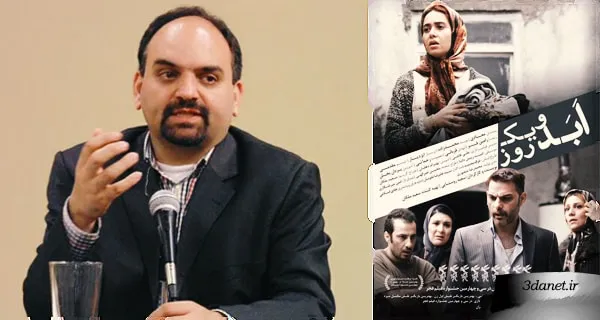
Yaser Mirdamadi's Note on the Film Eternity and a Day
The film 'Eternity and a Day' depicts a 'dystopia', not an apocalypse; a place where everyone from the police to the family is corrupt and hope for deliverance is false. Though bleak, it still falls short of reality; a note by Yaser Mirdamadi.
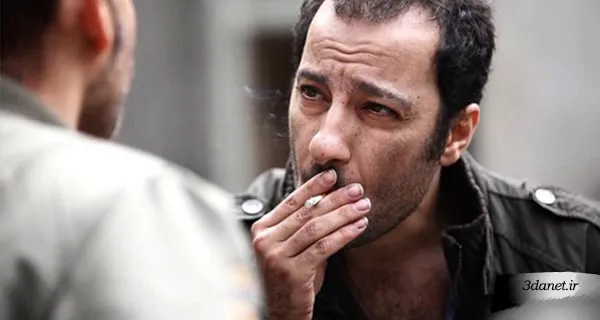
“Eternity and a Day” (Saeed Roustayi, 2015) is a dystopian film, without being an apocalyptic one. Apocalyptic films are those that depict the state of ruins at the end of the world, a situation where the few remaining people on earth have resorted to cannibalism and no one thinks of anything but their own survival, at any cost (see, for example, the film “The Road,” 2009). “Eternity and a Day” portrays the dystopia or the “corrupt city,” without speaking of the apocalypse. In fact, it is as if the ruins of the apocalypse have arrived, but there is no sign of the apocalypse itself. In this dystopia, everyone is corrupt: from the police officer who wants the child to be an informant and tells the child not to worry about giving away the drug dealer’s house—once you give away the house, we have enough evidence to arrest the dealer and he won’t be released for a long time—unaware that they release him the same day (and, of course, unaware that the informing child is the drug dealer’s brother and is pulling the wool over the policeman’s eyes, and if you look closely, everyone is pulling the wool over everyone else’s eyes); from this, to the school that takes 50,000 tomans from parents to buy gifts for the children in the school’s own name; to the poor family that spares no effort in tearing each other apart and ripping each other off. The only hope that exists in the film is a false liberation. The Afghan man in the film is portrayed as the “Other” (see the final scene in the car where the Afghan accent is depicted as thick to amplify the alienation of the family’s daughter, who has been sold to the wealthy Afghan man). Once the Afghan becomes the Other, the girl’s liberation from the wealthy Afghan man becomes hope; a hope that is, in reality, false, because neither is that situation necessarily monstrous, nor is liberation from it necessarily liberating. This film is dark, but it still falls short of reality. It still shows a glimmer of white amidst its blackness; reality is still such a pitch-black night that the film appears gray to you. This film engages one with the dystopia, a dystopia that is the product of the fantasies of a generation dreaming of utopia or the “virtuous city”—this last point, of course, the film does not state, but can one watch the film and not see this point lurking behind it?
.
.
Yaser Mirdamadi's Note on the Film Eternity and a Day
Source: Yaser Mirdamadi's Facebook - December 5, 2016
.
.




.webp)


Discussion1 comments
به نظر میرسد که تنها امیدی که در فیلم جریان دارد٬ آینده پسر بچه خانواده به مثابه نسل آینده جامعه میباشد که شاید بازگشت سمیه به خانه در انتهای سکانس پایانی صرفاً ناشی از دغدغه های مربوط به آینده وی است و الا که وی از قبل حاضر به قربانی کردن خود برای بهبود وضعیت خانواده ی خود کرده است و رفتن و ماندنش چندان تفاوتی شاید برای خودش نداشته باشد.