Sociology
A Critique of the Book “We Iranians” with Maqsoud Farasatkhah and Mohsen Khalili
The book We Iranians by Maghsoud Farasatkhah was discussed in a session featuring a critique by Mohsen Khalili. Khalili identified the lack of a development model and insufficient data on contemporary history as the research's shortcomings, while Farasatkhah emphasized the application of game theory and the dynamics of societal rationality.
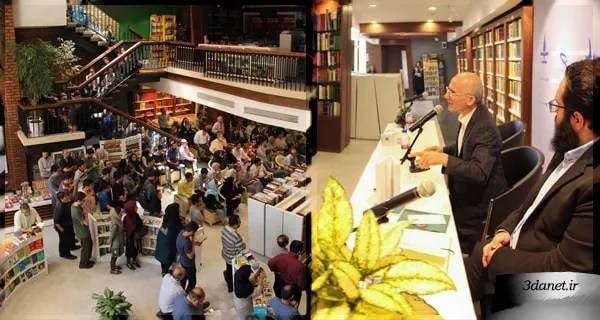
نهمين نشست جمعههای پرديس کتاب با عنوان نقد و بررسی کتاب «ما ايرانيان» نوشته دکتر مقصود فراستخواه با حضور نويسنده کتاب و دکتر محسن خليلی استاد علوم سياسی دانشگاه فردوسی مشهد، ساعت ده صبح روز جمعه ۳۰ تير ۱۳۹۶ در محل پرديس کتاب مشهد با حضور جمع زيادی از علاقهمندان تشکيل شد.: پس از تلاوت آياتی از قرآن مجيد، علی قديری دبير اين نشست با معرفی مهمان برنامه يادآور شد که دکتر فراستخواه با گردآوری دادههای شبهپيمايشی، کوشيده است در مقايسه با کتابهای مشابه، تلاش نوی را شکل دهد و با پرهيز از نگاه ايستا و ذاتگرايانه، و بهرهگيری از مدل انديشه سيستمی در کتاب خود به اين پرسش که آيا خُلقيات ايرانيان ضعفهای دارد پاسخ دهد.
آنگاه دکتر فراستخواه با تشکر از پرديس کتاب مشهد و آرزوی شکلگيری و پايداری يک نهاد فرهنگی در اين مرکز، اظهار اميدواری کرد که اين مجموعه در نيل جامعه به يک بلوغ فرهنگی نقشآفرين باشد.
وی با اين سخن به استقبال نقد کتاب خود رفت که: معنی در غياب مؤلف پديدار میشود، و با پايان مؤلف است که معنی خودش را از قفس متن آزاد میکند و به قصه خودش در جهان سوم معرفت ادامه میدهد «قطره درياست اگر با درياست» و از اين همين رو ست انتظار نقد هر کار يک انتظار خجسته است. فراستخواه با اشاره به نگارش نخستين کتاب با عنوان «خلقيات ما ايرانيان» به کوشش محمدعلی
پرداختن به «نظريه بازی» هم در بررسی خلقيات ايرانيان برای من چندان مفهوم نبود، من بر اين باورم که اين نظريه تنها در يک جامعه عقلانی معنی پيدا میکند. افزون بر اين، حجم اطلاعات مربوط به تاريخ معاصر در مقايسه با ديگر بازههای تاريخی، اندک است
جمالزاده در سال ۱۳۴۵ به سفارش مجله «مسائل ايران»، يادآور شد که بحث «خلقيات ايرانی» خويشاوند بحث «مسأله ايران» است. به گفته وی برنامه پژوهش «خلقيات ايرانی»، فارغ از ارزش نظری، يک ارزش اخلاقی هم دارد و همه پروژههای بزرگ سياسی، اقتصادی، فرهنگی و.. بهنوعی همبسته با بحث خلقيات ايرانی است و هر کسی که در ايران پروژه تغيير (به معنای جامعهشناختی آن) را دنبال میکند ناگزير بايد به مسأله خلقيات ايرانی نيز بپردازد. وی افزود: ايرانیها به رغم دشواریهای فراوان، همچنان میخواهند موفق باشند و همواره در تمنای زندگی و تکاپو برای بهبود زندگی خود هستند. شخصيت ملی جامعه ايران، هم واقعيت اجتماعی ما است، هم رفتار، هم تعريف و هم عمل اجتماعی ما. چهار پارادايمی که در جامعهشناسی مطرح است. وی در پايانِ نخستين بخش از سخنانش اظهار داشت که راهحل خلقيات ايرانی، باز هم خلقيات ايرانی است و چنین خواند: ماييم که اهل شادیّ و غميم/ سرمايه داديم و نهاد ستميم/ پَستيم و بلنديم و کماليم و کَميم/ آيينه زخمخورده و جام جميم
سپس دکتر محسن خليلی که از سال ۱۳۸۱ در دانشگاه فردوسی مشهد به تدريس و تحقيق اشتغال
دارد و چندين کتاب و دهها مقاله به رشته تحرير کشيده است، پس از سپاس از انتشارات امام که نقش ارزندهای در تأمين نيازهای فرهنگی اين شهر ايفا کرده است، اظهار داشت که موضوع نويسنده کتاب بسيار عالی است؛ زيرا ما ايرانیها قدمتی داريم که میخواهيم آن را بشناسيم و اصولاً خودشناسی و دانستنِ اين که ديگران در باره ما چگونه میانديشند امر جذابی است.
به بهترين جوامع هم که بنگريم همهاش عقلانی نيست، به جامعه خودمان هم که نگاه کنيم همهاش غيرعقلانی نيست. ما همچنان میآزماييم، میبازيم، به دست میآوريم، عقلانيت ما مغلوب میشود و...
He stated that in order to turn the process of change into a project, this book could serve as the basis for an operational undertaking. Moreover, the author’s formulation of the problem is extraordinary, possessing a unique theoretical foundation and framework, and it benefits from an excellent research background, so much so that I could not add even a single work to the sources of this book, except for the book “In the Captivity of Culture,” which was, in any case, published after this book.
The book’s eleven-part categorization also teaches us how to reconcile research background with theoretical foundations. Nevertheless, his model is somewhat lengthy, and if he changes its name, it will undoubtedly gain fame quickly. Addressing “game theory” in the examination of Iranians’ character traits was also not very clear to me; I believe that this theory only makes sense in a rational society. Furthermore, the volume of information related to contemporary history is scant compared to other historical periods, a factor perhaps due to self-censorship, perhaps to the reviews of the Ministry of Culture and Islamic Guidance, and perhaps to prevent a greater loss. In Dr. Khalili’s view, the failure to provide a paradigm and model is one of the shortcomings of this research, and the reader does not know what they should be seeking. Referring to the list of flaws in Iranian society presented by the author, Dr. Khalili noted that this inventory is somewhat simplistic, and upon seeing it, the reader feels shame and despair, concluding that we are incapable of change. Concluding his remarks by pointing to the book’s uniqueness, Dr. Khalili reminded that this very singularity raises our expectations of it.
Then, Dr. Farasatkhah, while thanking the critic for his comments, said: Long titles can be edited and shortened, but I continue to defend game theory, and I still wish to write an independent book on this subject. The brevity and conciseness of the contemporary history section was also intentional, as I did not wish to continue the subject at length; because we have always been on the margins, even in the advantage of being colonized. Regarding the paradigm and model of development, I must say that my view differs from Dr. Khalili’s. Based on a dualistic logic, he says we either have a development model or we don’t, but based on fuzzy logic, I believe that our development model is in the process of being constructed, and I see the gray area as very large. And it is from here that I address game theory in a rational society, asking: Which rational society? Even if we look at the best societies, they are not entirely rational, and if we look at our own society, it is not entirely irrational. We continue to test, to lose, to gain, our rationality is defeated, and so on... but in any case, this dynamic of rationality is alive, and through all these games, we reach equilibrium. Dr. Farasatkhah added that a conceptual map can be drawn for the character traits of Iranians, and based on good and bad developments, and their desirable and undesirable states, a plan can be devised to reform the disposition of this society. According to him, we must find a Simorgh-like identity, see society as a network, and believe in the principle that it is either Network; or Notework and there is no intermediate state between these two. In each of us, there is a piece of Ahriman and a fragment of an angel, and if a suitable structure is established, our angelic behavior will manifest. We see an example of this in the very queuing system of banks; before that, we would climb over each other to get our work done, but once this structure was provided, behavior was also reformed. This matter is not unique to our society; even in Vancouver, if the power goes out, those same abnormal behaviors will recur.
Our existential situation has made us prone to hyperbole, and only through a kind of social asceticism can we improve this coexistence and social inclusivity. If we wish to remain steadfast, we must practice perseverance in this society and reach a point where we do not merely save our own skin, but also consider the common good. This is the duty and responsibility of all pioneers, activists, teachers, planners, and governors. In closing, referring to the words of the martyr Motahhari, who said: "A city fatwa smells of the city, and a village fatwa smells of the village," he noted that 73 percent of Iranian society is now urban, the average years of schooling for Iranians has increased from 2 to 8.5 years, and social networks have spread throughout society, to the extent that three hours of the daily lives of 15- to 24-year-olds are spent on social networks. Thus, the mass of Iranian society is transforming, and when this mass changes, thoughts will inevitably change as well. If social policy also transforms in step with this social dynamism, then windows of hope will open and our development model will take shape.
.
.
Audio of the Critique and Review Session of the Book "We Iranians"
.
.
Critique and review of the book "We Iranians" with the presence of the book's author (Dr. Maqsoud Farasatkhah) and Dr. Mohsen Khalili
Source: Mashhad Pardis Book Channel
.
.

Discussion0 comments
No comments yet; let yours be the first voice.