اندیشهفلسفهخردگفتگوحکمتمعناپرسشفرهنگ
Philosophy
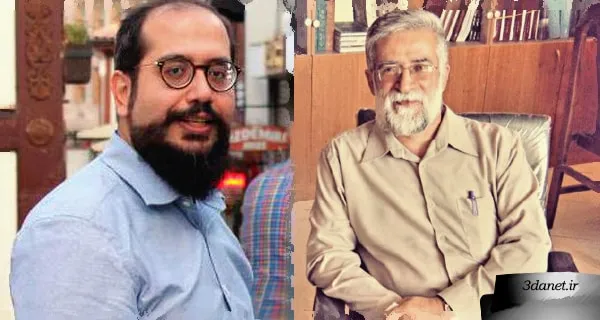
Epistemic Injustice: A Conversation Between Omid Keshmiri and Yaser Mirdamadi
Epistemic injustice means disregarding people's cognitive capacities due to prejudice—such as dismissing the testimony of Black people or the suggestions of women. Omid Kashmiri talks with Yaser Mirdamadi about its definition, types, and remedies.

"Epistemic Injustice"
A Conversation Between Omid Keshmiri and Yaser Mirdamadi
Perhaps the most prominent example of injustice today is tyranny. Tyranny, simply and roughly put, is the illegitimate hoarding of power, especially political power, which of course brings with it other forms of hoarding, such as the hoarding of economic power and the hoarding of social status. But there is another kind of injustice that, despite its importance, has not attracted the attention of the general public or even specialists to the same degree as the more famous forms of injustice, and that is "epistemic injustice."
Consider a Black person whose testimony is rejected by a judge simply because, consciously or unconsciously, it seems to the judge that Black people are not trustworthy. Or consider a woman on a university's board of trustees whose proposals are rejected by the male members simply because, consciously or unconsciously, they think women are emotional. In both cases, the individuals have been victims of what is called "epistemic injustice."
Epistemic injustice is not only perpetrated by governments against people; complex forms of epistemic injustice are also committed among people, even among the oppressed, against one another. Therefore, it is no exaggeration to say that attention to epistemic injustice is of urgent importance, and increasing awareness and sensitivity toward epistemic injustice in the general culture of society can also significantly help, directly or indirectly, to reduce epistemic injustice in governments.
In the first session, the definition of epistemic injustice, its types, and the genealogy of this concept were discussed, and in the second session, the relationship of epistemic injustice to the epistemology of ignorance, medical epistemology, and ways to remedy epistemic injustice were debated.
.
.
Session One | Thursday, 14 Ordibehesht 1400
Watch on YouTube | Watch on Aparat
.
Session Two | Friday, 15 Ordibehesht 1400
Watch on YouTube | Watch on Aparat
.
PowerPoint for These Talks
.
The Telegram channel "Taqrirat va Talkhisat" provides a mind map of these talks with the following explanations:
The subject is very new and pristine, and there is no material on it in the Persian language. Epistemic injustice means treating an individual or group, due to prejudice, as if their epistemic faculties are worthless and their epistemic testimony is not credible or reliable. Ms. Miranda Fricker has made an immense contribution to explaining and deepening this topic; she popularized the term epistemic injustice. Her book, Epistemic Injustice: Power and the Ethics of Knowing, is the bible of this discussion. It has been less than a decade and a half since this concept took hold, and a literature has now formed around it. There is an opportunity for young Iranian researchers interested in this area to work on this new topic. Epistemic injustice remains untouched in the field of philosophy of religion; there is ample room for anyone who wishes to work on it.
PDF file of the mind map (courtesy of the Telegram channel "Taqrirat va Talkhisat")
.
By the efforts of Khaneh-e Ashna
.
.


Discussion0 comments
No comments yet; let yours be the first voice.