Religion
Has Science Buried God? (A Critique of Richard Dawkins and Lawrence Krauss)
Science has not only failed to bury God but is itself among His signs; the real conflict lies between theistic and atheistic worldviews. An examination of Dawkins and Hawking shows that modern science owes its emergence to belief in a cosmic lawgiver.
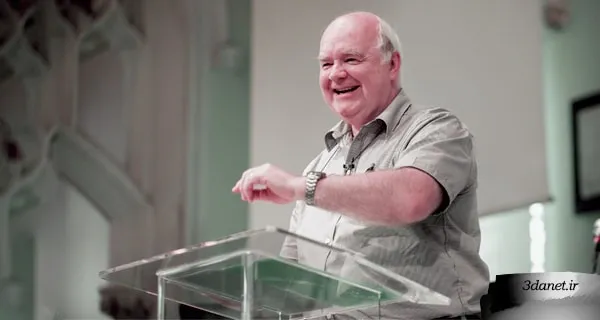
In answer to the question “Has science buried God?” it must be said that not only has science not buried God, but in fact science is among the signs of God, and it is atheism that has buried science. The common belief is that science stands on one side and belief in God on the other, that the two are in conflict and have nothing to do with one another. This picture is far too simplistic. Let me give an example. Last year the Nobel Prize was awarded to the Scottish physicist Peter Higgs for predicting the elementary particle the Higgs boson. Peter Higgs is an atheist. A few years earlier the Nobel Prize in Physics was awarded to William Phillips, an American physicist who is a Christian. It is an interesting situation: both of these individuals have won the Nobel Prize in Physics, both are extraordinary physicists; what separates them is not science. What separates them is their worldview—one is an atheist, the other a Christian. The conflict that exists is not between God and science; the conflict that exists is between two worldviews: the theistic worldview and the atheistic worldview. The conflict between these two worldviews has existed since ancient times. If we go back to ancient Greece and study figures like Leucippus and Democritus—who put forward the idea of atomism—we find that they believed reality consisted of two things: atoms and void. Leucippus and Democritus tried to explain everything using atoms and void. They are the fathers of the school we today call materialism. In that same era there were figures like Socrates, Plato, and Aristotle who spoke of the existence of God, the gods, or transcendence. They believed there is something more to the universe than matter and energy. In today’s academic world we encounter precisely these same two worldviews, especially at the University of Oxford where I teach. We have very good scientists who are atheists, and we have very good scientists who are religious. So the main question is not whether science and religion are compatible; the main question is: what does science point to? Does it point toward atheism—as my colleague Richard Dawkins claims—or does it point toward religious belief? I want to talk about this and address a number of ambiguities that I call “intellectual fog.” In these kinds of discussions there are many misunderstandings that prevent people from grasping what the debate is really about.
I am a mathematician, but I am not going to talk about logical proofs. Logical proof is only possible in pure mathematics and logic. What I want to talk about is evidence. This does not mean I want to talk about something that is conceptually weak. For example, I have been married for 46 years; I cannot prove to you mathematically that my wife loves me, yet I have built my life on that belief. I think the evidence is strong enough to commit myself to a shared life. So if we cannot provide a logical proof, that does not mean we have no evidence. When we look at the history of science, we find that the founders of modern science—Copernicus, Kepler, Galileo, Newton—all believed in God. This is a very important fact. When Joseph Needham spent years trying to understand, with the historical presuppositions of Marxism, why modern science did not arise in China, he could not reach a definite answer. In the end he stated that the only difference he could see between the Far East and the West is that the Far East did not have the concept of a “single creator of the universe” within its cultural life—a concept that sees the universe as an ordered whole created by a single being. In other words, there is a connection between the emergence of modern science and belief in God. C. S. Lewis says that people became scientific because they expected there to be laws in nature, and they believed in the laws of nature because they believed in a lawgiver. Alfred North Whitehead stated that modern science arose from the insistence of medieval thinkers on the rationality of God.
When I was debating Richard Dawkins about this, he would say either God exists or He doesn't; everyone in the Middle Ages believed in God, so it is not surprising that science emerged in a culture that believed in God. I reminded him that not everyone lived, or lives, in Western Europe, and that he had forgotten China, and I shared with him the same point I raised about Joseph Needham. Historians and philosophers of science generally believe that there is a profound relationship between faith in God as the rational intelligence behind the universe and the emergence of science. There is, of course, a logical reason for this. Belief in God did not hinder science but was the engine that brought it into being. I would like to state this more precisely. To do so, I will compare two figures: Newton and Stephen Hawking. Both are extraordinary physicists, and both taught at the University of Cambridge. The interesting point is that Newton discovered the law of gravity, and for him this was a reason to believe in God; Stephen Hawking, by contrast, believes that gravity is a reason not to believe in God. This is very interesting to me, and I am keen to examine what has happened and why this difference exists. Why does the discoverer of the law of gravity believe in God, and why does Stephen Hawking, the world's most famous living scientist, say that the law of gravity means we do not need to believe in God? I refer to the main argument of Hawking's book The Grand Design. In this book, he argues as follows: because the law of gravity exists, the universe can and will create itself from nothing. This is the core of Hawking's argument for denying the existence of God. Whereas Newton says science and God, Hawking says either God or science. I have heard many young people ask, why should I choose between God and science? Why does Hawking think I must choose? In my view, the first ambiguity is the ambiguity about the concept of God. The problem is not primarily scientific. I am Irish; when I was young and used the word God, many people thought I meant the God of the Bible who created the world and governs it. But this is no longer the case; we cannot assume that everyone understands what we mean by the word "God." Has science buried God? Yes and no.
Science has buried many gods. In the many debates I have had with my atheist friends, I have concluded that they think I believe in what is known as the "God of the gaps." The God of the gaps, simply put, means that wherever we cannot explain something, we say it is the work of God. For example, thunder and lightning occur, I become frightened, and then I say the god of thunder and lightning exists. But when I go to university, thunder and lightning are explained to me scientifically, and the god of thunder and lightning disappears. This is the God of the gaps, a God that science refutes. If you believe in the God of the gaps, you are forced to choose between God and science, because you have defined God in this way. Likewise, if your definition of God is that He explains everything as long as no scientific explanation has been provided, then by definition you must choose between science and God. This is one of the fogginesses in this discussion. People do not specifically say what they mean by "God" in these debates. As a scientist, if I am told to choose between the God of the gaps and science, I will of course say I choose science. But God is not the God of the gaps; He is the God of the whole show, meaning He is the creator of both the parts we do not understand and the parts we do understand.
Let me return to Newton. Newton, upon discovering the law of gravity, did not claim that I have the law of gravity and no longer need God. Instead, he wrote the book Mathematical Principles of Natural Philosophy, which is arguably the most important scientific book in history; in this book, he hopes that the discovery of gravity will persuade people to believe in God. In other words, the more his understanding of the world grew, the more his admiration for the God who created it in this way increased. We usually act this way. The more we understand engineering, the more we can admire a Rolls-Royce; the more we understand art, the more we can praise Rembrandt. Therefore, the more we understand nature, the more eager we are to admire the God who is its creator. Because God is not the God of the gaps, but the God of the whole story, the God who is the creator of what I understand and what I do not understand. Many think that I believe in the God of the gaps and therefore have an intellectual deficiency, because I do not make a choice between science and God. Certainly, if we have a wrong concept of God, we are forced to choose between God and science.
The next issue is the nature of "explanation." What is an explanation? What is a scientific explanation? Are "God" and "science" a single type of explanation? Richard Dawkins believes that God is no different from scientific explanations, so science must be preferred over God. Let me give an example. Why is the water in the kettle boiling? It is boiling because heat energy has reached the surface of the kettle, and this heat, through its effect on the water molecules, leads to the boiling of the water. Someone might say, no, the water is boiling because I want a cup of tea. This is nonsense. The water is boiling because of heating, and the water is boiling because I want to drink tea; these are two different levels of explanation. One explanation is at the scientific level, and the other is at the level of individual desires, agency, and intention. It is very clear that these two types of explanation are not in conflict and do not compete, but rather complement each other. In fact, scientism, that is, the idea that science is the only path to truth, ignores the fact that there is more than one level of explanation. The claim that God created the world does not conflict with science, just as saying that Henry Ford created the Ford car and its engine does not conflict with the laws of the internal combustion engine. If I told you that you must choose between Henry Ford and the laws of the internal combustion engine, you would say, "Don't joke, I choose both." Explanation has different levels: scientific explanations and explanations at the level of agency. Richard Swinburne, a colleague of mine at Oxford, says that science explains, but I posit God as the principle to clarify why science explains. One of the main arguments in Richard Dawkins's book The God Delusion is that if you posit God as the creator of the universe, then logically you must ask who created God? Then you must ask who created the God who created God? And this question repeats ad infinitum; Dawkins concludes from this argument that God does not exist. When I saw this argument, I was astonished, because a simple logical analysis shows that when we ask who or what created "A," it has a presupposition. The presupposition is that "A" was created, which is why we ask who created "A." If "A" was not created, then this question about it is meaningless. Dawkins thinks that by asking this question, he has eliminated God, whereas his question only applies to created gods. If we think a little, we realize that we do not need science to eliminate created gods; we all know that created gods, which we call idols, are nonsense. The main argument of religion is that God is eternal and everlasting; if something is eternal or everlasting and we ask who created it, we have committed a contradiction. Therefore, if we ask Dawkins's argument about God, it leads to a contradiction, but this question can be asked about created gods. In a debate I had with Richard Dawkins, I asked him, "You believe that the world created you; now let me ask you your own question: who created your creator, that is, the world?" I asked him this question in a debate eight years ago, and I am still waiting for an answer from him.
For atheists, reality is matter-energy; some of them propose multiple universes, but these days an idea is spreading: the fundamental reality is “nothing.” Listen to Hawking again: with the law of gravity, the universe can and does create itself from nothing. For a theist like me, the fundamental reality is God. Today in the world of thought we have reached an interesting juncture: the backdrop of existence is either God or nothing. These days I am teaching about “nothing,” which is the most fascinating of subjects. So the question is not whether a fundamental reality exists or not; the question is, which fundamental reality is it? Let me make a point about the logic of Hawking’s explanation: because the law of gravity exists, the universe can and does create itself from nothing. When I first read this, I said to myself, wait a minute—because something exists, it can create itself from nothing. But that is a contradiction. Another point is that he says “because of the law of gravity”; he does not say gravity exists. But if nothing exists to account for the law of gravity, what would the law of gravity even mean? This opens another door to ambiguity about the laws of nature. Newton’s laws of motion never caused anything in history to move; Newton’s laws of motion describe motion. The cause of the balls moving on a billiard table is not Newton’s laws of motion; the cause of their moving is that someone is striking them. Newton’s laws describe that motion. The idea that laws bring something into existence is a very strange idea, and of course we are all familiar with it. I was once talking with Peter Atkins, a well-known atheist physicist at the University of Oxford. I asked him what he thought created the universe. He replied, mathematics. I laughed; he asked why I was laughing. I said, Peter, I am a mathematician—has 1+1=2 ever put two pounds sterling in your pocket? I asked him what caused the economic crisis? Because some thought mathematics could produce money. Do you remember the financial crisis? We are all victims of this belief that mathematics can produce money.
Hawking thinks that the law of gravity is a cause and creates. His first example of a law is that the sun rises in the east and sets in the west. But this law and order creates neither the sun, nor the east, nor the west; rather, it is a description of what occurs in nature. In my view, there is a kind of confusion at the philosophical level. Let me repeat: because of the law of gravity, the universe can and does create itself from nothing. If I tell you “A” creates “B,” what does that mean? It means if you have A, you will also have B. If I tell you “A” creates “A,” what does that mean? In my opinion, nonsense remains nonsense even if the most intelligent scientists write it. It is unintelligible; the idea of the creation of the world from nothing has led to the most futile statements I have ever read. Let me quote a well-known astrophysicist: “Because something is physical, ‘nothing’ must be physical, especially if you define ‘nothing’ as the absence of something.” This nonsensical statement belongs to Lawrence Krauss. In a book he wrote, he claims to have shown how the universe came into being from nothing, while he has achieved no such success. What he has done is redefine “nothing.” This is a very interesting exercise; most of us know what nothing means. If I say I went to a square in the city and saw no one, it does not mean I did not see a person named “No One,” but rather that I saw nobody. A few years ago, I had the opportunity to debate Alan Guth about the theory of “cosmic inflation.” I said that great confusion has been created among the general public regarding the word “nothing.” I asked him, when you use the word “nothing,” do you mean “nothing” in the philosophical sense, that is, in the sense of non-existence and the absence of substance? He replied, of course not, “the vacuum state” is not nothingness. The idea that space has a beginning—although there is no consensus among physicists on this idea—forces people to answer Leibniz’s question, “Why is there something rather than nothing?” From the perspective of a religious person like me, there is a simple answer from one viewpoint: the universe exists because God is the cause of its coming into being. God is not “nothing,” but He is not physical; He is spirit. But if you ignore God’s intervention in creation, you encounter a major problem; you must explain how something came into being from nothingness. Some people, in this situation, resort to redefining nothing.
Let me return to explanation. I said that explanation has different levels. Let us talk about scientific explanations. What does the law of gravity explain? When I was first taught the law of gravity in school, I thought this law explained gravity. But it does not; no one knows what gravity is. The law of gravity allows us to calculate the effects of gravity, and that is extraordinary. It allows us to travel to the moon even without considering Einstein’s theory. But as Newton himself realized, the law of gravity does not tell us what gravity is. Richard Feynman once stated that no one knows what gravity or energy is. When we say science explains, many think that is it and no other explanation is possible. But not only is science not all possible explanations, but scientific explanations do not even provide all possible explanations within science itself. The law of gravity is extraordinary; I would have truly loved to have discovered it myself, but unfortunately, that did not happen; Newton did it. He did an extraordinary thing. But the law of gravity does not tell you what gravity is. These days we hear a lot of people saying, we have a scientific explanation and there is no need for God. This statement, for the reasons I mentioned regarding explanation, is not accurate.
Apart from my wife, I am in love with languages and mathematics. Pure mathematics is itself a language and lies at the extreme end of the spectrum of languages, and it is the most beautiful of languages. Mathematics is used to understand nature, but human languages are used for communication. We are generators of language. Moreover, there is a text in our DNA. We are also able to understand the universe through the language of mathematics. This is extraordinary. Einstein says the only incomprehensible thing about the universe is that it is comprehensible. Eugene Wigner, the Nobel laureate in physics, in his work speaks of a mathematician who is thinking in his own mind and arrives at formulas that apply to the external world; how is such a thing possible? How does a series of abstract concepts in the human mind relate to the external world? Wigner himself says this is irrational. But this position depends on your worldview. I want to say that the greatest sign of God is language, at all its levels. At the level of DNA, the fact that we humans have language, are rational, and can tame the universe with mathematics. I often ask my colleagues at Oxford, with what do you do science? They say, what do you mean? I say, I mean inside your head. They often want to say the mind, but with a little caution they say with my brain, because many of them do not believe there is a distinction between mind and brain. Then I say to them, tell me about the brain with which you do science. What is your brain? Many of them give an answer similar to this: the brain is the end product of a mindless, unguided process. Then I ask, why do you trust your brain? If you knew that your computer was the end product of a mindless, unguided process, you would never trust it. This is not my argument; it is Darwin's argument.
.
.
John Lennox, Professor of Mathematics at the University of Oxford
Translation by Zahir Bagheri No'parast
.
.
"Da li je nauka sahranila Boga?" Predavanje - John Lennox ETF Beograd 31 10 2013
.
.

Discussion170 comments
در ضمن با توجه کشفیات جدید فرضیه های علمی خودم را در باره فرایند منشأ حیات و ایجاد اولین مولکول قابل تکثیر و همانند سازی و بیان ژن و همچنین توضیح علمی چگونگی خلقت انسان با پذیرش موضوع تکامل و جهش های تدریجی در طول ۴ میلیارد سال قبل و نوع انسان متفاوت از میمون ها با آنالیز ژنتیکی موجودات آمادگی خود را برای مناظره علمی و البته صد درصد علمی اثبات وجود خالق هوشمند intelligent design یعنی خداوند قادر و عالم مطلق به شرط بحث فقط علمی با آمار و ارقام و ریاضی و معادلات بیوانفورماتیک یا داده پردازی زیستی مولکولی ژنتیکی و وارد نشدن به حواشی و سفسطه و مغلطه و فرار از بحث علمی مستدل و متقن اعلام می کنم البته در محیطی علمی با حضور دانشمندان برجسته تا خدا ناباوران بدون ترس و هراس مناظره کنند اما در صورت منطقی بودن استدلال ها در جلو جمع اگر نتوانستند پاسخ دهند و البته فرار از بحث نکنند و سفسطه و مغلطه فلسفی نکنند منطقا قبول کنند و اعتراف به وجود خداوند خالق عالم نمایند حاضر به حضور هستم با اسلاید و اتصال به اینترنت جهت انجام آنالیز های ژنومی و بیوانفورماتیک و سیستم بیولوژی تا همه شاهد پیچیدگی شگفت انگیز ژنوم موجودات و انسان شوید که بدون خالق هوشمند امکان ندارد تصادفی بوجود آمده باشد جهان بدون خدا معنا ندارد
در ضمن با توجه کشفیات جدید فرضیه های علمی خودم را در باره فرایند منشأ حیات و ایجاد اولین مولکول قابل تکثیر و همانند سازی و بیان ژن و همچنین توضیح علمی چگونگی خلقت انسان با پذیرش موضوع تکامل و جهش های تدریجی در طول ۴ میلیارد سال قبل و نوع انسان متفاوت از میمون ها با آنالیز ژنتیکی موجودات آمادگی خود را برای مناظره علمی و البته صد درصد علمی اثبات وجود خالق هوشمند intelligent design یعنی خداوند قادر و عالم مطلق به شرط بحث فقط علمی با آمار و ارقام و ریاضی و معادلات بیوانفورماتیک یا داده پردازی زیستی مولکولی ژنتیکی و وارد نشدن به حواشی و سفسطه و مغلطه و فرار از بحث علمی مستدل و متقن اعلام می کنم البته در محیطی علمی با حضور دانشمندان برجسته تا خدا ناباوران بدون ترس و هراس مناظره کنند اما در صورت منطقی بودن استدلال ها در جلو جمع اگر نتوانستند پاسخ دهند و البته فرار از بحث نکنند و سفسطه و مغلطه فلسفی نکنند منطقا قبول کنند و اعتراف به وجود خداوند خالق عالم نمایند حاضر به حضور هستم با اسلاید و اتصال به اینترنت جهت انجام آنالیز های ژنومی و بیوانفورماتیک و سیستم بیولوژی تا همه شاهد عطظمت خلقت که بدون خالق هوشمند امکان ندارد باشند
سلام خوشبختانه با کشفیات ژنتیک مولکولی در باره ساختار فوق العاده پیچیده ژنوم موجودات زنده که تخصص دانشگاهی بنده است و ۴۰ سال بروی آن کار علمی پژوهشی کرده ام کاش امکانات تصویری بود تا نتیجه آخرین کشفیات علمی در ساختار DNA ژن ها سنتز و بیان ژن ژنومیکس پروتیومیکس متابولومیکس و ترانسکریپتومیکی را نشان دهم و ثابت کنم امکان ندارد این طراحی فوق شگفت انگیز بدون طراحی هوشمند یعنی خدا در اثر تصادف ایجاد شده باشد به علاقمندان توصیه می کنم کتاب زبان خدا نوشته رئیس پروژه عظیم ژنوم انسان را بخوانید که خداناباور بود ولی در پروژه ژنوم و آنالیز داده های زنی به تحیر رسید و به خداوند ایمان آورد و مبلغ آن شد کاش فرصت بود نتیجه مقایسه ژنوم موجودات زنده از کوچکترین ویروس ها تا انسان را به ما نشان دهم قطعا حتی تصور بدون وجود خالقی دانا را بکنید جهان بدون خالق مفهومی ندارد پروفسور علی کرمی متخصص بیوتکنولوژی پزشکی فوق تخصص مهندسی ژنتیک استاد تمام دانشگاه علوم پزشکی
ضمن خسته نباشید از صدانت خواهش میکنم کتاب جدید مسئله شر (بررسی مقالات)از آقای باقری نوع پرست و بذارید تا از نظرات دوستان استفاده کنیم .
آقای امیر بهتر است دلایل خود را برای قبول نداشتن لیبرالیسم مطرح کنید
این که مثال بود. سخن چیز دیگری است و ربطی به موضوع صفحه و یا پیام جمله ندارد.
هر وقت دیدم از بدیهی بودن خارج شد هزاران دلیل براتون خواهم نوشت. لیبرالیسم رو فقط کاربران اینترنت شیفته برد پیت و انجولینا جولی ممکن نشناسن. هر مظلوم و استخوان شکسته ای در ساواک صابون شکنجه لبرالیسم به تنش خورده.
نقل قول از حجت جانان. در شبه پاراگراف بالا سودو ساینس فرویدی مطلب برداشته. در شبه پاراگراف پایین karmaرا بعنوان عقیده خود نام برده که از فرط تناقض حیرت آور است. خوب اگر دین خرافه است که کارما که Arch-superstitionمحسوب می شود. : " بدلیل ترس ونیاز انسان است انسان میل به بقا دارد ولی مطمئنا انسان فقیر وضعیف است انسان در مقابل حوادث روزگار اسیب پذیر است ولی این دلیل نمیشود که بگوییم بصورت فطری محتاج خداوند است انسان اسیب پذیر است وبدین دلیل دنبال نیروی مافوقی هست که بتواند او را محافظت نماید وچون ان نیرو را نمییابد در ذهن خود انرا میسازد مادر ذهن خود مطالب دیگری هم میسازیم ما هرگز با تمام وجود وازاعماق درونمان باور نداریم که دوباره به این جهان بر نخواهیم گشت در واقع تناسخ هم در اعماق درونمان ریشه دارد واگر به خود درونمان برگردیم این تفکر که قبلا هم ما دراین دنیا زیسته ایم ویا اینکه پس از مرگ ممکن است دوباره در نشئه ای دیگر باز به دنیا برگردیم در درونمان ریشه دارد " ایجاد تلقینات فکری و تخریب فرهنگی تحت نام گفتگوی منطقی!
وقتی من لیبرالیسم را قبول ندارم نمی توانم در گفتگو در این باب جملاتی طح کنم که گویی اشتراک فکری با مخاطب دارم و او را فریب دهم و ضعف خود را با الهام گیری از یک موضع مورد حمله خودم پر کنم.
وقتی گفتگو معنی پیدا می کند که صداقت دانشگاهی حضور داشته باشد. حجت بدون طرح موضع، بدون تثبیت مسئله ، بدون بیان موضع از فردی را که صادقانه و شفاف با ایشان سخن می گوید سئوال دیگر و نامربوط به موضوع اولیه می پرسید و موضوع را عوض می کنید.fallacy of many questions . در یک گفتگو بایست موضع گفتگو اعلام شود شما موضوع گفتگو را مرتب عوض می کنید . جدل ارزش فکری ندارد.
خانم یزدانی شما معنی کلماتی را که بکار میبرید نمیدانید 1- ایا شما گفتید که خدای قران خدا متشخص انسانوار است ؟ یاخیر 2- خدای متشخص انسانوار یعنی چه ؟ 3- شما درضمن گفتید که خدای وحدت وجودی با خدای قران که متشخص وانسانوار است فرق دارد وخدای نامتشخص است توضیح دهید اینها یعنی چه ؟
1/ جنابعالی دائماً از مغالطه پهلوان پنبه و مغالطه شخصی استفاده می کنید. 2/مواضع خود را روشن و شفاف بیان نمی کنید. 3/سوالات تکراری در گفت و گو می پرسید. 4/طرف گفت و گوی خود را به جدل می کشانید. با این شیوه و روش, آیا به نظر شما ادامه گفت و گو امکان پذیر است؟!
حکمت متعالیه واثار ابن عربی مشحون از تاویلات غلط وباطل است از مهدی نصیری سردبیر پیشین روزنامه کیهان که بارها بعنوان کارشناس در صدا وسیما ودر مناظره با وحدت وجودیان حضور داشته است
از آقای مهدی نصیری باسوادتر و آگاه تر در حوزه فلسفه و عرفان اسلامی در کشور ایران هم وجود دارد. لطفاً همه نقدها به ایشان را هم بخوانید.
پس این همه بحث ، درگیری ، ردیّه و نوشتن مطالب مفصل شما هر روز و شب گیر دادن به این آن برای چیه؟ این همه پیراهن پاره کردن برای انکار پیامبرانی است که نیامدند و غلط و باطل این و آن است؟ همین؟ قسم حضرت عباس رو باور کنیم یا دم خروس را؟
خدا در تعریف دین omnipotent و omniscient است . پیچیدگی طبیعت و رابطه خالق و طبیعت تنها یکی از راه های متعددی است که علیه موضع متعارض شما سخن می گوید. شما خدا را خدای مکانیکال فرض می کنید و نتیجه می گیرید که نمی شود اما از خدای قادر مطلق by definitionبنا به تعریف هر گونه جهانی با هر گونه رابطه ای بتا طبیعت بر می آید. حال شما می توانید خدا خالق را بر اساس دیگری نپذیرید اما این بیان حاوی پیش فرضی است خلاف تعریف خدا در قرآن. قرآن شما ا آزاد گذاشته است.
مطلبی که بانام علی ربانی گپایگانی درلینک کامنت پیشین اوردید که ایشان از طرف ایت الله سبحانی نقد طوطی وزنبور دکتر سروش کرده است باید ابتدا شما را متوجه این نکته نمایم که همانطور که دراین مقاله هم امد افعال بشری طبق الهیات اسلامی بدون اذن الهی به منصه ظهور نمیرسد در واقع اراده انسان در طول اراده خداست که دراین مقاله هم انرا تایید کرده که نه تنها پیامبر که افراد عادی هم افعالشان تحت نظارت واعمال الهی است دراین مقاله امده که این مطلب به افعال پیامبر اختصاص ندارد درمورد دیگرافعال بشری هم صادق است بعد مثال باریدن باران که توسط ابرها انجام میشود ولی به خدانسبت داده میشود ویا تیر انداختن که قران میگوید تو تیر نیانداختی خدا انداخت اینها را یاد اوری میکنم که به شما بگویم وقتیکه میگفتم فردی که کودکی را ازار جنسی میدهد طبق الهیات اسلامی ونظر وحدت وجودیان افعال ازار دهنده وازار شونده افعال خداست وبا تایید واعمال ازطرف خدا انجام میشود بنا برهمین دلیل خدای وحدت وجودی بیشتر درگیر شرور است ونظر اقای امیر را جلب میکنم به همین مقاله که تاکید دارد بر ظاهر قران وتاویل را مجاز نمیداند مگر به استثنا که جایی تشبیهی شده باشد مانند تخت خدا ویا دست خدا به غیر از این مفسر باید به ظاهر قران متعهد باشد که دراین مقاله توسط نماینده ایت الله سبحانی روی ان تاکید شده است بعد شما به من اعتراض میکردید که چرا به ظاهر قران استناد میکنم ! در مجموع باید بگویم که نقد بسیار ضعیفی بود وهرگز حق مطلب ادا نشد واینرا نمیتوان نقد طوطی وزنبور دانست استناد به ایات قران برای اثبات کتاب خدا بودن قران صحیح به نظر نمیرسد از درون یک متن نمیتوان به نفع ان متن ادله اورد گذشته از انکه خود قران هم در ایه 94سوره یونس گفته فان کنت فی شک مما انزلنا الیک فسئل الذین یقرون الکتاب من قبلک به پیا مبر میگوید که اگر شک داری برتو ایات نازل میشود از دانشمندان اهل کتاب بپرس مگر پیامبر به پیامبری خود شک داشت ؟درادامه قران میگوید که نباید از تکذیب کنندگان ایات باشی که از زیانکاران خواهی بود اینها را به حضرت محمد میگوید !مگر محمد از تکذیب کنندگان بود ؟مگر محمد به وحی شک داشت ؟ انچه که نماینده ایت الله سبحانی باید درنظر میداشت این بود که از درون متن نمیتوان برای اثبا متن ادله اورد دکتر سروش مثالی میزند که مثلا چهار کتاب روبروی شماست که میخواهید تازه ایمان بیاورید وهر چهارتای انها ادعا کنند که کتاب خداهستند شما چطور باید بدانید کدام درست میگوید ؟ شما باید بیرون از متن ادله عقلانی برای صحیح بودن اداعای انان بیابید اینکه اقای ربانی میگوید که دکتر سروش اثبات نکرده که قران گفته محمد است تا بتواند بر مبنای ان رابطه طولی انرا مانند همانکه درمورد باران است رابطه طولی محمد با خدا بداند که خدا محمد را افرید ومحمد قران را . دکتر سروش از برهان خلف استفاده کرده دکتر سروش ابتدا استدلال کرده که قران نمیتواند کتاب خدا باشد وقتیکه قران نتواند کتاب خدا باشد انوقت چه میماند ؟کلام محمد ورویای محمد تجدید پذیر نبودن اراده الهی در مورد هدایت تشریعی ونزول قران با هدایت تکوینی وخلق موجودات بسیار متفاوت است درخلق موجودات علل وعوامل میانی حضور دارد مثلا شما حاصل ازدواج پدر ومادر خود هستید همچنین محیط طبیعی ونورخورشید ودما ومحیط زیست و... عواملی است که در خلق شما تاثیر گذار است ولی در هدایت تشریعی ونزول قران این ادعاست که خدا عینا کلام را تولید ونازل کرده است که اگر بخواهیم انرا مانند تکوینی بگیریم به گفته دکتر سروش بسیارنزدیکتر است بنا براین تجدید اراده الهی ومتاثر شدن از حوادث زمانه طبق الهیات اسلامی محالست وبا نزول قران همخوانی ندارد اشکالات طرح شده در طوطی وزنبور واشکالات طرح نشده دران باید پاسخ داده شود تا بتوان قران را کلام الهی دانست وجود ایات متناقض واشکالات علمی وفلسفی موجود درقران انرا از کتاب خدا بودن میاندازد اینکه خدا عده ای را بخاطر سیر کردن شکمشان که روز شنبه ماهیگیری کرده اند بوزینه کرده است با کدام عقل همخوانی دارد اسمان هفتگانه هرگز دیگر الان که بشر فضا را درنوردیده است قابل قبول نیست بیرون امدن اب جهنده از صلب مرد وسینه زن که با علم همخوانی ندارد برتر دانستن مرد ازاد بر برده که قران برده را گنگ وسربار مالک دانسته وحمایت از برده دار وبردهداریست افرینش زمین واسمان درشش روز ودر جایی دیگرگفته در یک ان ولحظه زمین واسمان بایک باش خلق شده است ارتباط جنسی با کنیز واسیر جنگی بدون عقد وصیغه وبدون مهریه وبدون هیچگونه حقوق انسانی و...... همه وهمه باید پاسخ گفته شود تا بتوان انرا نقدی صحیح دانست حداقل اینکه پاسخ فلسفی دکتر سروش را بیرون از متنی میدادند واشکالات طرح شده در طوطی وزنبور را جداگانه پاسخ میدادند تا ادعای نقد محلی از اعراب داشته باشد
دکتر سروش با این نظریه , یک تفکر اومانیستی از قرآن کریم بیان کردند. در صورتیکه خودِ خداوند در قرآن کریم خطاب به پیامبر می فرماید: سوره «الحاقه» : «وَ لَوْ تَقَوَّلَ عَلَیْنا بَعْضَ الْأَقاویلِ، لَأَخَذْنا مِنْهُ بِالْیَمینِ، ثُمَّ لَقَطَعْنا مِنْهُ الْوَتین»؛ اگر او سخنى دروغ بر ما میبست، ما او را با قدرت میگرفتیم، سپس رگ قلبش را قطع میکردیم. اگر واقعاً قرآن کریم (کلام محمد)است و کلام خداوند نیست. پرسش: چرا خود شخص پیامبر نمی توانست( تحدی )کند؟! چرا خداوند, پیامبر را تهدید می کند؟
این ها چه ربطی به موضوع این پیج دارد؟ موضوع صفحه مقاله جان لنکس استاد ریاضی دانشگاه آکسفورد است و شما از طوطی و زنبور آقای بهمان می گویید!!!!!!!!!!!!!!!!!!!!!!!!!!!!!!!!!!!!!!!!!!وقتی به خود اجازه می دهید که نامربوط سخن بگویید مغالطه ها پی در پی بدنبال هم ردیف می شوند.
چيستي و چگونگي وحي http://kalami.nashriyat.ir/node/662
بهروز: «اگر هم واقعا میدانید و آگاهی دارید از جزئیات کائنات و آفرینش، لطفن به جای طرح سوال من و دیگر اعضای جامعه بشری را از حقایق آگاه کنید.» گمان میکنی اگر کسی بیش از تو دربارهٔ چیزی بداند، باید بتواند تو را هم از آن آگاه کند؟ گمان میکنی هیچ پیشنیازی برای آگاهی و دریافت چیزی نیست؟ بهروز: «بعد که میگویم این ادعا بر چه اساس است یک سوال در همان رابطه می پرسید… شما را دعوت به تواضع میکنم، دعوت به فرونتی، دعوت به پذیرش ظلوم و جهول بودن خود و دیگر انواع بشر، به پرهیز از تکبر و دانش نسبت به همه چیز دعوت میکنم.» گفتههایت با هم نمیخوانند. از پرسش او چگونه به این مباحث اخلاقی پل زدی؟ مثلاً او از تو دربارهٔ وحی به زنبور پرسید (که در قرآن آمدهاست)، چرا ترش کردی؟ یا پاسخش را میدانی پس بگو، یا نمیدانی پس بپرس، و از پاسخ آن یا قانع میشوی پس اعتراف کن، یا قانع نمیشوی پس اگر نقضی داری بگو وگرنه خاموش باش. بهروز! نخست جملههایی را که گفتی برایمان دقیق معنا کن؛ دعوت به «فروتنی» و «پرهیز از تکبر» کردی و در میان این دو، از ظلوم و جهول گفتی! پس انگار معنایی که برداشت نمودی، با معنایی که بسیاری دیگر برداشت میکنند، فرق دارد: http://ensani.ir/fa/article/353445/%D8%A8%D8%B1%D8%B1%D8%B3%DB%8C-%D8%AD%D9%82%DB%8C%D9%82%D8%AA-%D8%B8%D9%84%D9%88%D9%85%DB%8C%D8%AA-%D9%88-%D8%AC%D9%87%D9%88%D9%84%DB%8C%D8%AA-%D8%A7%D8%B2-%D9%85%D9%86%D8%B8%D8%B1-%D8%A7%D8%A8%D9%86-%D8%B9%D8%B1%D8%A8%DB%8C-%D9%85%D9%84%D8%A7%D8%B5%D8%AF%D8%B1%D8%A7-%D9%88-%D8%A7%D9%85%D8%A7%D9%85-%D8%AE%D9%85%DB%8C%D9%86%DB%8C-%D8%B3- اگر من خطا میکنم، ببخش و آگاهم کن!!!!!!!!!!!!!!!!!!!!!!
خانم یزدانی حالا که شما درکامنتهای پیشین بالاخره اقرار کردید که خدای قران خدای وحدت وجودی نیست وخدای متشخص انسانوار ومتباین با جهان است حالا یا باید دست ازاینکه قران کلام خداست بردارید ویا اینکه دست از خدای وحدت وجودی بردارید اگر قران عینا کلام خدا باشد خود خدا بهتر میداند که خود را چگونه بشناساند واگر باز هم اعتقاد به خدای وحدت وجودی داشته باشید درواقع تمام داستانهای قرانی را دروغین میدانید چون در داستانهای قرانی وزندگی پیامبران پیشین خدا قهر وغضب میکند وعذاب نازل میکند واقوامی را بدین ترتیب از صحنه روزگار محو کرده درواقع خدا نسل کشی براه انداخته است شما یا باید بپذیرید که حق ان اقوام بوده وقران عینا کلام خداست وداستانهای قرانی صحیح وواقعی است که دراینصورت باید از خدای وحدت وجودی دست بکشید ویااینکه بر خدای وحدت وجودی باقی بمانید و قران را کلام الهی ندانید وداستانهای قرانی را غیر واقعی بدانید فقط یکی از این دو را میتوانید برگزینید چون ایندو باهم قابل جمع نیستند
1/ من به خدای( وحدت وجود ) باور دارم , در نتیجه به کلام خدا نیز باور دارم و اینکه کلام خدا بر زبان پیامبر خدا جاری شده است , نیز باور دارم. در نتیجه : به نظر من قرآن کریم کلامِ خداوند است. این ما هستیم که از طریق کلام خدا , به (شناخت خداوند) و به (شناخت خود) می رسیم. 2/ اعتقاد به خدای وحدت وجود چه منافاتی با داستانهای قرآنی دارد؟! استدلال شما مرا قانع نکرد؟
ابن عربی( حقیقت انسان) را به( نفس ناطقه )و( نفس حیوانی) تقسیم کرده است. در مورد عذابهای اللهی که در قرآن کریم در مورد قوم لوط و نوح و سایر پیامبران آمده است ,, به نظر من شاید منظور ابن عربی از عذابهای اللهی این باشد که این عذابها فقط شامل نفس حیوانی می شود . هنگامیکه انسان خود را با (خشم وشهوت ) به مراتب نازله نفسِ حیوانی تبدیل می کند,, نفسِ او مشمول عذاب اللهی می شود. مثال می زنم. مثلاً : در قوم لوط که همجنسگرایی به شدت رواج داشت , این قوم مشمول عذاب اللهی شدند . چرا؟ چون نفسِ انسانی خود را به نفسِ حیوانی و حتی پست تر از حیوان مبدل کردند. در اینجا مراتب نفسانی مطرح است. اینکه حقیقت انسان , نفسِ انسان است. به همین دلیل می گویند: (من عرف نفسه,,, فقد عرف ربه) کلمه نفس 140 بار در قرآن کریم آمده است.
آقای امیر اتهام سلفی گری به هر کسی که طرفدار قرآن و اسلام بدون دخالت مهملات عرفان و فلسفه است، نخنما و بی اعتبار است. من از ابتدا هم گفتم مایل نیستم با شما وارد بحث شوم چرا که شما را انسان هتاک و نامحترمی یافتم. لطفن درباره ی من حرف نزنید مایل نیستم در هیچ سطحی با شما همکلام شوم.
کجای متن من به شما اتهام سلفی گری زده شده؟ مگر این که شما همان حجت جانان باشید! چرا سخنی که به دیگری گفته شده به خود می گیرید؟ !!!!! دوم، شما در universe of discourseعمومی سخنی می فرمایید که همه می خوانند و همه تاثیر می پذیرند ، اگر مخاطب عام ندارید در فضای خصوصی با مخاطب خصوصی سخن می گفتید. وقتی در فضای عمومی سخن می فرمایید همه متاثر از سخن شما می شوند و همانطور که شما اجازه بیان دارید دیگران هم اجازه بیان دارند.
یزدانی چرا فکر میکنی من و شما توان فهم مکانیسم وحی را داریم؟ این را اول پاسخ بگو بعد از من و خودت و دیگران توقع داشته باش که سوال امتحانی شما را پاسخ بگویند. متاسفانه از درک این نکته ناتوانی و فکر میکنی حتمن خودت یا کس دیگری باید بداند مکانیسم وحی چیست
بهروز: «چرا فکر میکنی من و شما توان فهم مکانیسم وحی را داریم؟» شما و یزدانی توان فهم مکانیسم «چه چیزی» را ندارید؟ وحی؟ دقیقاً از چه چیزی سخن میگویی؟ آیا میگویی: هر چیزی که بهروز نمیفهمد، یعنی عقل نمیفهمد و گفتگو دربارهٔ آن را باید کنار گذاشت و عقل را دربارهٔ واژههای قرآن تعطیل کرد؟! اگر منظور بهتر و دقیقتری داری، بفرما!
دشمنی با قرآن در جانان و منوچهر و ملحدین دیگر مانع فهم آن ها از قرآن است.
یزدانی در قرآن «عالم خیال» نیامده فقط واژه ی خیال یک بار آمده، آن خیال هم ارتباطی به این خیالی که شما میگویید ندارد. «عقل قدسی» هم در قرآن نیامده است. اغلب ادعاهای شما ارتباطی به قرآن ندارد و همچون روش متداول عرفا تنها از اشتراک لفظی با قرآن برای پیش برد دیدگاهی بی ربط به قرآن بهره برده است عادت بسیار بدی که در بحث دارید این است که ادعاهای گل درشت و بی اساس میکنید بعد که میگویم این ادعا بر چه اساس است یک سوال در همان رابطه می پرسید مثلا میگویید «من از شما می پرسم فلان» یا «بفرمایید فلان چیز یعنی چه». شما را دعوت به تواضع میکنم، دعوت به فرونتی، دعوت به پذیرش ظلوم و جهول بودن خود و دیگر انواع بشر، به پرهیز از تکبر و دانش نسبت به همه چیز دعوت میکنم. اگر هم واقعا میدانید و آگاهی دارید از جزئیات کائنات و آفرینش، لطفن به جای طرح سوال من و دیگر اعضای جامعه بشری را از حقایق آگاه کنید.
آقای جانان اگر تبیین دین را قبول ندارید تبیین مورد قبول خود را از جهان لطفا ارائه بفرمایید.