Psychology
How to Talk to Children About War?
War can undermine children's sense of safety, leading to anxiety or behavioural regression. Parents can restore calm by maintaining household routines, limiting news exposure, and offering reassuring conversations about how adults are working to protect them.
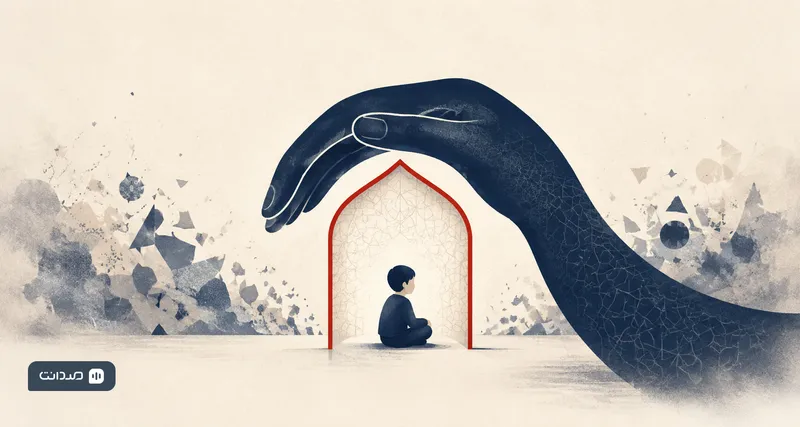
The news, television, and every corner of the world are filled with scenes of war, including shootings of people and bombings. Children see these things and become deeply worried and anxious. But what should we do? Should we talk to our children about war? And how exactly should we talk to children about war and how can we make them feel safe? In this article, learn about how to talk to children and explain war to them.
How Much Does a Child Understand About War?
Countries becoming embroiled in war can have a profound impact on children. Even if the conflict is thousands of kilometers away, it still undermines a preschooler's deep need to see the world as a safe and predictable place. Moreover, if a relative, loved one, or anyone they know is called up for military service, they may develop deep anxiety about their safety.
Children at this age have various reactions to armed conflicts. If your toddler or preschooler has not been directly affected by the war and has not been exposed to repeated television images of battle or cities destroyed by bombs, they may show little or no reaction.
A school-age child may also have a range of reactions. If they have not been directly affected by the event, have not been exposed to repeated television images of it, or have not heard frightening things at school, they may be relatively indifferent to it. But a second or third grader might pay attention to it in a surprisingly intense way and could have many questions.
In fact, a child at this age is probably reacting, more than anything else, to their parents' distress. It is important to try to control your emotions when your child is with you and reassure them that they are safe. One of the best things you can do is limit the child's exposure to television news. Repeated news increases a child's stress and may confuse them, making them think a single wartime event has happened over and over again.
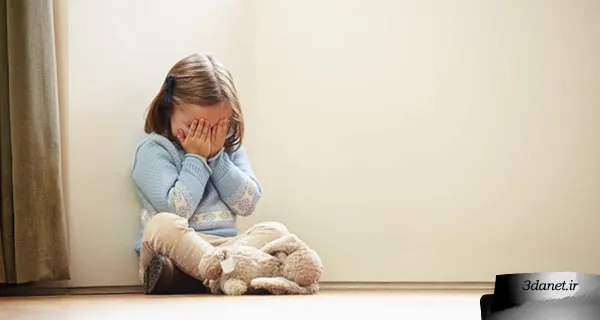
Children who are simultaneously facing other traumas alongside the war, such as parental divorce or the death of a family member, are at greater risk for anxiety. Also, even if everything else in the child's life is fine and in place, if they notice the anxious feelings of you or the important people around them, or hear enough information to become frightened and worried, they will likely show signs of regression; that is, they may act younger than their age, whine or cling to you more, regress in toilet training, wake up more often in the middle of the night, have bad dreams, or complain of stomachaches. They may also lose concentration in the classroom or during sports. These are distressing and troublesome for you, but they are normal reactions to anxiety in childhood. They are trying to return to a time when they were younger and felt safer.
Hug and cuddle your child regularly. If they wish, encourage them to sleep with their favorite stuffed animal or with a nightlight on, or even, if they feel the need and you have no problem with it, let them come to your bed, even if six months ago they decided they were too big for such things. If you suspect they are not expressing their true feelings, be alert for non-verbal signs of anxiety such as disrupted sleep patterns, angry or sad scribbles and drawings, unusual withdrawal, or aggressive play with other children.
The peak years of vulnerability to trauma are ages six to ten. This is when children have more independent access to information, because they are outside the home and at school. Also, the simple reassurances that work for younger children are not believable for older ones. Finally, their brains are not yet physically developed enough to understand or manage arousal and fear. For example, an elementary school child is old enough to understand that death is permanent, but not old enough to know that despite the images they just saw of a bombed street on the other side of the world, their own neighborhood is safe and secure.
At such times, one of the greatest losses, apart from the death of people, is the loss of a sense of control. Children have almost no control over their own lives, and when they see that their parents also have no control, the situation becomes very frightening for them. Therefore, parents, even if they are upset, must demonstrate some measure of control. The most important area for exercising control is the home routine. Do not skip meals or nap times. Go to the park to play as usual, put them to bed on time, and make sure other caregivers also follow the usual daily order. You must ensure your child feels safe, and creating a sense of safety is precisely what these life routines do.
How to Talk to Your Child About War?
Explain Briefly and with Confidence
A preschooler might ask a question that is only slightly related to a specific catastrophe. For instance, "What happens when people die?" You can use their question as a springboard to talk about death, but be careful, because their main concern here is, "Am I safe?" Reassure your child that they, as well as you and other family members, are safe and sound. "We are all fine and will stay fine" are important words your child needs to hear.
Acknowledge Their Feelings
Resist the temptation to say, "Don't worry." Do you feel better when someone says that to you? Your child's feelings are also real, and they must be able to express them. Instead, you can say, "I know you might feel worried because you heard that soldiers are fighting. But that is happening very, very far away from here."
Reassure Your Child That They Are Safe
Tell them that adults are working to keep them and others safe. It is common for preschoolers to imagine that a war in another part of the world could come closer to them and their home. As an adult, it is sometimes hard to remain calm and reassure others, separate from our own worries about an ongoing war and potential counterattacks on our own soil. But you can tell your child, and remind yourself, that many people are working to keep us safe.
Talk about the work everyone, from the military to the police, does to protect us and bring a swift end to the war. This group of security protectors includes you as well, meaning "the child's parents." Wartime actions can cause an elementary school child to lose trust in the ability of the adults around them to keep bad things away, but you can tell them: "I am watchful wherever I know there is danger. Sometimes we become aware of new dangers. That's why, from then on, I am watchful in those situations too."
Be Prepared to Return to the Topic Repeatedly
Do not be surprised if your child asks the same questions repeatedly. They do not yet understand permanence and constancy, so even if they have heard about deaths or bombings, they expect everything to magically return to normal soon, and may become confused when this does not happen. They might constantly ask about the situation, especially if they see that it is ongoing.
Don't Explain Everything
You can choose not to talk about it, but under certain conditions! For instance, if you are sure your child hasn't heard much about this war, don't bring up the issue. At a young age, it's fine, and in fact, it's advisable for children to be unaware of frightening international events.
Gauge Your Child's Understanding
Keep in mind that your child's understanding may not be as great as it seems. Elementary school children often appear more mature than they are. If a child living in a desert area sees images of the bombing of Baghdad, they might not fully grasp that the television images are, for example, from Iraq and might think they are much closer to home." Try to thoughtfully gauge their understanding of recent events so you can clear up any misunderstandings.
Use Non-Verbal Reassurance
Some of your best clues about your child's anxiety level appear non-verbally; through play, sleeping and eating patterns, and whether they have become whiny or clingy or have regressed in other ways. It is important to respond non-verbally as well. If they seem worried, employ extra hugs and kisses. Most importantly, try to stick to your normal life routine to reinforce their sense of security in familiar daily life.
Help Them Take Concrete Actions
For many children, and even adults, a tangible, practical response to a disaster helps reduce anxiety. Your child can sell lemonade and donate the money to a humanitarian organization, write a thank-you letter to a police officer, or help make dinner for the family of a friend whose father has been deployed for military service. These actions can be incredibly comforting. They help children develop a sense of belonging to a community; the community beyond their neighborhood. And to positively empathize with people they have never met, and develop feelings of sympathy and compassion. Turning children's anxiety into good deeds has significant positive effects on their growth and development.
Trust in Your Ability to Help
As a parent, you face the challenge of making your child feel safe even though you yourself probably feel insecure. Remember that limiting access to frightening news reports, sticking to comforting life routines, and finding specific ways to help victims—like donating extra clothes and household items to be sent abroad, contributing to charities collecting medical or humanitarian aid, and preparing dinner for the neighbor's family whose father is stationed somewhere in the world at a military base—will reassure you as well as your child, and when you help yourself cope with trauma, you also help your child. Children are incredibly resilient and flexible. With good support, most children cope well, even in scary and turbulent times like wartime.
What Do Children Ask About War and How Should Parents Answer?
"Why are you crying?"
You can tell your child: "I'm sad because some soldiers or people near the battlefield have been hurt badly." If they have more questions, answer them as simply as possible. But remember that a preschooler will be upset if they see you shocked or horrified by a mysterious event they don't understand at all. So try to save your most intense reactions for times when they are not present.
"What happened?"
Many elementary schoolers, especially the older ones, want information like adults so they can understand the frightening situation and feel more in control. Give your child the general facts: “There’s a leader in another country that the good leaders of the world don’t trust. They’ve asked him to hand over all his weapons, and if he doesn’t cooperate, soldiers might go and take them from him.” Ask if they have any other questions. The older your child, the more details they’ll want. Try to give honest but brief answers.
“Why did people die?”
A preschooler’s reaction to the news they’ve heard may mostly be their attempt to understand what happened. Once they grasp the “what,” expect lots of questions and “whys”: “Why did the soldiers die?”, “Why don’t they just put that bad man in jail instead?”, “Why are we fighting?”, “Why are we mad at that country?”
Keep your answers as simple and straightforward as possible: “The soldiers died because their plane was so damaged it couldn’t stay in the sky.” For how to answer more complex and uncomfortable questions about the current political situation and the ethics of war, let your own beliefs be your guide. Just remember to keep your answers as simple as you can, and to only answer the specific question your child asked, not to give them a history lesson on the causes of the Middle East’s problems.
“Will Uncle die too?”
When a family member or a familiar military or medical personnel member close to you is actually in danger, it’s hard to brush this question aside. Instead of dismissing their worry with hollow and perhaps dishonest reassurances, acknowledge the child’s real fears. You can say: “You’re worried that Uncle might get hurt while helping the soldiers, aren’t you? We’re all worried, but Uncle works with many men and women whose job is to protect each other. We pray that he comes home safely as soon as his duty is done.”
“Are Grandma and Grandpa okay?”
In these times, children of any age usually imagine an immediate danger to themselves and their loved ones. Your preschooler doesn’t understand that grandparents live somewhere very far from the war zone. Reassure them: “Yes, they’re fine. They’re very far from where the war is. Would you like to talk to them on the phone right now?”
Related questions might include: “Are they going to bomb our house too? If their country is fighting our country, will they come and shoot kids too? Do you have to go fight them?” Reassure your child that these events, while terrible, are far from you. Also, say: “I’m here with you, and our life isn’t going to change.”



Discussion0 comments
No comments yet; let yours be the first voice.