Sociology
Introducing the Book 'In the Captivity of Culture'
The book Captive to Culture traces the roots of institutionalised traits such as secrecy and face-saving back to fear and poverty. The author argues that the persistence of behaviours born of insecurity and injustice obstructs the path to justice and progress.
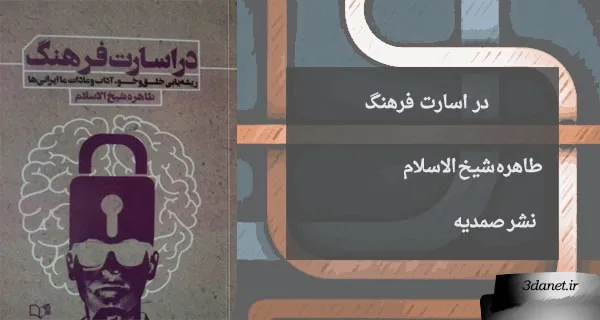
This book, in simple language, describes our individual and social predicaments and traces the roots of the temperaments and traits that have emerged in us over centuries, in the course of the struggle for survival, due to fear, poverty, and injustice. Characteristics that, through their repetition and passage across generations, have become institutionalized in us and, together with the customs and traditions born of those same conditions, have formed a part of our cultural identity. Traits such as secretiveness, suffering in silence, insincerity in speech, intolerance of criticism, swearing oaths to prove one's claims, empty praise and glorification to gain proximity to superiors, exaggeration in speech to make oneself believed by others, insinuation and innuendo to escape the consequences of frankness, excessive interpretation and exegesis of others' words, backbiting, slandering, rumor-mongering, fostering sycophancy and idol-making, belittling others to elevate oneself, and finally, the dreadful phenomenon known as saving face.
This book is organized into three parts. In the first part, titled "The Anatomy of Pain," readers' attention is drawn, in a condensed manner, to the characteristics, customs, habits, and traditions that, under the name of culture, have taken us captive. In the second part, titled "What the Free Nations of the World Were and How They Became So," the reasons are briefly mentioned that enabled the West to emerge from its dark medieval era and become different from us in terms of individual and collective temperament and behaviors. This section also addresses the harmful effects that indiscriminate imitation of the West has brought upon us. The third part is arranged in four chapters, which respectively deal with the effects of fear, poverty, inequality, and comparison in the formation of our individual and collective characteristics and behaviors, and finally, the book concludes with a final word that carries within it the hope of a beginning.
.
In the first chapter, our social structure is visualized as a pyramid in which, due to the absence of law, anyone at any level can exert power over those situated at lower levels or who, in some way, need their services. For example, a boss can fire their employee, a doctor can be negligent in treating a patient, disabling them or endangering their life, an employee can obstruct a client's work, and even a baker, butcher, or grocer can refuse to sell bread, meat, or rice to a customer or palm off inferior goods on them. Naturally, under such conditions, individuals fear those who are stronger than them in this hierarchy and, to protect themselves, try to gain their approval. This approval-seeking is done through silence, compromise, praise and flattery, sycophancy, glorification and veneration, hand-kissing, offering gifts, and so on.
The author believes that because the word 'fear' of a superior conjures up an image of a 'terrifying being' and of an inferior, a 'cowardly and weak-spirited being,' and both these images are unpleasant, we replaced it with the word 'respect,' and thus turned the superior into a 'respected' person and the inferior into a 'polite' individual, thereby covering up the ugliness of these acts and absolving both parties of bad and unpleasant feelings.
Calling praise, glorification, and approval 'respect' has caused frankness, honesty, and criticism, in any form, to be considered an insult, which no one tolerates. Perhaps this is one of the key points regarding our inability, as Iranians, to accept criticism, which has remained hidden from the eyes of many sociologists and cultural researchers until now.
When criticism is considered an insult, the courage to criticize also disappears, and considering that the reform of a society takes place through critique, we realize why our society has, to date, achieved worthy progress in very few areas.
The second chapter examines customs and habits such as hospitality, taarof, social inhibition, saving face, warm-heartedness, generosity, as well as forms of reverence such as reverence for the father, mother, professor, teacher, boss, friend, neighbor, and especially reverence for bread and salt. Reverences that hold a special place in our culture, so much so that when we are caught between preserving these reverences and upholding the sanctity of law and rights, we willingly or unwillingly choose the former, because if we do not, we are accused of ingratitude, disloyalty, and unfriendliness. According to the author, it is the preservation of these very reverences that prevents not only ordinary people but also the highest officials of the country from enforcing the law regarding their friends and companions. It is in order to preserve the sanctity of bread and salt and to prove chivalry and manliness that anyone who ascends to a position of power appoints not the deserving, but the people of their own clan and tribe, and the chosen ones, in turn, by affirming and submitting to the commands of their benefactors, honor the sanctity of this magnanimity and generosity.
The third chapter addresses gender, age, and social discrimination and its devastating effects on our temperament and behaviors, and the fourth chapter deals with the impact of unhealthy comparisons on our individual and social psyche and behaviors. Comparisons that usually lead to better and worse and ultimately to the admiration of one individual and the humiliation of another. These comparisons, which begin at home from early childhood and then continue at school and in society, give rise to traits such as envy, malice, ill-wishing, loss of self-confidence, as well as the inability to accept mistakes, justification of errors, fault-finding in others, belittling others to elevate oneself, and so on.
The author believes that by preserving and perpetuating the traits and behaviors that are the result of insecurity, poverty, injustice, and lawlessness, one cannot achieve social security and justice. In other words, one cannot establish justice by mocking people for their accent, ethnicity, or gender, nor through nepotism and cronyism; one cannot promote honesty through flattery and habitual, excessive praise of one another; and one cannot foster forthrightness by instilling fear in others through harsh reactions to their criticisms.
Given that a healthy cultural foundation is the bedrock of a healthy economy, politics, literature, and social relations, one can understand why we have not yet achieved significant growth in any of these areas and, in a sense, remain among the backward countries.
In this book, while presenting solutions, the assistance of all sociologists, social psychologists, cultural experts, and concerned officials is sought for a way out of this cultural captivity.
The book is available from Chapakhsh (66404110), Akhtaran (66411429), and Mowla (66409243) bookstores and all Shahr-e Ketab stores in Tehran and other cities.
Contact the author: tarashey@gmail.com
.
.
Introducing the Book
In the Captivity of Culture
Written by: Tahereh Sheikholeslam
First Edition. 2016. Samadieh Publications. 430 pages.
The book is available from Chapakhsh (66404110), Akhtaran (66411429), and Mowla (66409243) bookstores and all Shahr-e Ketab stores in Tehran and other cities.
Contact the author: tarashey@gmail.com
.
.




Discussion4 comments
من دوازدهمین سال زندگی در غرب را میگذرانم و بخش بزرگ آن در اروپای غربی و بخش کوچکتر در آمریکا سپری کردم.همانقدر که غرب تعدادی زیادی مولفه فرهنگی ارزشمند داشته، شرق هم در فرهنگ حیرتانگیز بوده و قیاس این دو برای نگارش کتاب درحالی که نویسنده دانش کافی ندارد و صرفا به قصه های خود و دیگران رجوع کرده خطا است. کتابی به شدت سخیف ، بدون تحقیق و منبع و برگرفته از تجربیات عوامانه نویسندهای است که به ناگهان شیفته فرهنگ غرب شده و در قیاسی بدون تخصص دست به تخریب فرهنگ خودی میزند. اما لازم است که بدانیم ، حسد در دنیا غرب فراگیرتر از شرق است. فقر تا پیش از دهه ۷۰ میلادی بخش بزرگی از دنیای متمدن غرب را هم خرد کرده بوده و توجه به غذا و چاقی بعد از جنگ جهانی دوم یک ارزش برای خانواده ها بوده.در غرب هم ارزش انسانها با جایگاه اجتماعی، ثروت و شغلشان سنجیده میشود.در غرب هم ریاکاری وجود دارد اما به شکل دیگر، فریب، اغوا و ترس هم وجود دارد فقط ظاهرش تغییر یافته. نویسنده بدون در نظر گرفتن گذر تاریخی ، غرب را ستایش و فرهنگ ایرانی را باعث فلاکت میداند.
حس حقارت نسبت به آلمان نازی و آمریکای ساقط کننده صد جنگ و برپا کننده جنایت ویتنام جای تأمل دارد. فرهنگ شرق را سرکوب کردن apologetic سفاکی های ملل به اصطلاح آزاده در کتاب های درسی و خونریز در افغانستان و عراق، ادامه زورگویی و سرکوب فاشیسم-لیبرالیسم حاکم بر اروپاو آمریکا است. [انم آزاده باش نه بنده
مهمترین و واجب ترین کتاب برای مطالعه ما ایرانیان سپاس از معرفی و توضیح خوبت ???
اسارت کاملا درسته اما این ذهن این نویسنده است که فرهنگ و نگاه پدر و مادر و خانواده و جامعه خویش را انکار می کند و از بیرون موضعی شاز را بخاطر تلقینات دانشگاهی درست فرض کرده. اسارات صحیح است اما خود این نویسنده اسیر فکر دیگرون شده و عجیب است که فبرهنگ خودش و پدر و مادرش را نپذیرفته و کاملا برعکس به یک ملت نسبت اسارات می دهد. ایا این جای تأمل ندارد؟