Sociology
The Clash of Two Cultures in Migration and Its Consequences
Migration from traditional to modern societies generates tension due to cultural differences, for human characteristics are shaped by the conditions of the society in which one lives. The behaviour of citizens in these two types of society reveals the root of this clash.
If we call moving from one country to another migration and divide the world's countries into two major groups, modern and traditional, we will have four types of migration.
A- Migration from traditional countries to one another;
B- Migration from modern countries to one another;
C- Migration from modern countries to traditional ones, and finally
D- Migration from traditional countries to modern ones.
Given that tension arises from difference, one can understand that migration between two traditional countries, such as migration between Afghanistan, Pakistan, Iran, and Syria, is not very problematic, because the conditions governing the two societies are similar in many respects, and consequently, the cultures of these societies are similar. Likewise, migration between modern countries like Canada, Australia, America, etc., will not lead to a crisis, because the conditions governing these societies are almost identical, and consequently, their cultures are similar.
Migration from modern countries to traditional ones is also uncommon, and if travel does occur, it is short-term and for the purpose of tourism or scientific and political missions. What remains is migration from traditional countries to modern ones, which takes place on a scale of millions. It is in this type of migration that tradition confronts modernity, and this confrontation, which arises from major cultural differences between the two societies, leads to the greatest tensions.
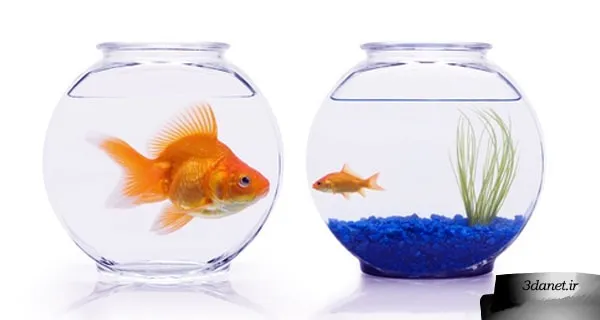
This confrontation can currently be observed not only in modern countries, where the river of tradition (migrants) flows into the sea of modernism (the West), but also in traditional countries, where the river of modernity—not in the form of conventional migration—enters the sea of tradition, i.e., society, through television, satellite, and the internet, in a different way. What will be briefly examined in this writing are the results of this confrontation in modern countries.
The Results of the Confrontation Between Traditional and Modern Cultures in Modern Countries
Given that human characteristics, apart from heredity and family upbringing, are the result of the conditions governing the society in which they live, the first step in examining this confrontation is to see what conditions prevail in each of these two societies and what moral and behavioral characteristics these conditions cause to emerge in the citizens of these two societies.
A- Democratic Societies, which are also known as advanced, law-abiding, modern, humanistic, and free. The main indicator of these societies is having relative economic and political security, as well as the existence of social justice. In these societies, people are usually protected by the law regardless of age, sex, status and social position, religious belief, color, race, and nationality, and therefore harbor no fear of one another.
Living long-term in such conditions causes the emergence of characteristics in the people of these societies, some of which are mentioned below. Note the chain-link connection between these characteristics.
A Number of Characteristics of People Raised in Modern Societies
- They speak frankly and have no fear of expressing their opinions.
- They express their words and opinions directly and without digressing.
- They usually trust one another, do not exaggerate, and do not swear oaths.
- They are not suspicious of each other's words and actions and do not take every move and word personally.
- They are not accustomed to giving and receiving praise and flattery, or using epithets and titles.
- They usually deal with criticism more comfortably, accept their mistakes and errors more easily, and apologizing is simpler for them.
- They see respect more in each other's integrity, honesty, and social and humanitarian efforts, rather than in rank, credentials, social position, and amount of wealth.
- They usually do not judge people quickly based on a single instance and avoid absolutism in their judgment, meaning they do not place individuals into two groups of good and bad, servant and traitor, and so on.
- They involve their emotions less in their judgments and usually defend what is right, not their kin, insiders, acquaintances, or those more powerful than themselves.
- If they disapprove of a trait in someone, they do not nullify that person's other good qualities.
- They keep the account of the wrongdoer separate from the account of their relatives and kin.
- They are not in the habit of being curious about and prying into each other's private lives, and they consider this an invasion of privacy.
- In doing things, they pressure each other less, give each other the freedom to choose, and avoid imposing their opinions, tastes, and views on one another.
- They are usually logical, balanced, and moderate, and do not exaggerate in recounting events and their feelings, nor do they make a mountain out of a molehill.
- They have a humane view of women and children and respect their opinions and tastes, and even treat animals humanely.
- They mostly show affection to one another based on their own inner desire, and for this reason, they do not hold it over each other and have less expectation of reciprocation.
- If a request is made of them that they are unable to fulfill or have no desire to fulfill, they frankly give a negative answer. And similarly, if an offer of help is made to them or an invitation is extended, they easily accept it if they have the need or desire; in other words, they do not engage in ta'arof.
- When calling on the phone, they usually introduce themselves.
- They do not visit someone without prior notice.
- They are punctual and have discipline in their affairs.
-They avoid actions or sayings (jokes) and innuendos that ridicule someone's race, color, gender, appearance, nationality, or religion.
It should be noted that not all individuals raised in the aforementioned societies possess all of the above characteristics uniformly. Individual (hereditary) traits and family upbringing influence some of these characteristics and behaviors that are not legally prohibited.
B - Underdeveloped societies, which are also called undemocratic, unequal, traditional, patriarchal, developing, undeveloped, or backward. The characteristics of these societies are the absence of economic and political security and social justice. In these countries, human beings are not seen as equal before the law and in each other's eyes in terms of gender, age, social status, and level of wealth. Living long-term in such conditions creates specific moral characteristics, some of which are mentioned below. These characteristics are also not observed uniformly in everyone; individual or hereditary traits, as well as family and the type of upbringing (class characteristics), can be effective in moderating or intensifying the mentioned features. But because we all spend a significant part of our lives—from kindergarten and elementary school age onwards—in society, we cannot be completely free from the effects of the conditions governing our society. In other words, being Iranian entails possessing a few, many, or all of the following characteristics. These characteristics are all primary or secondary effects of fear, inequality, and poverty throughout our history. With a little attention, one can perceive the chain connection between these features, meaning that one characteristic leads to another, and so on.*
Some characteristics of people raised in traditional societies
- They have less frankness in speech; they speak indirectly or in a roundabout way.
- They trust each other less and usually exaggerate to prove their honesty and resort to oaths.
- Praising one another and using honorifics and titles is common among them.
- They usually cannot tolerate criticism.
- They have difficulty accepting their own mistakes, and apologizing is usually hard for them.
- They are sensitive to each other's words and actions and take them personally.
- They see respect as being more contingent on wealth, appearance, status, and social position.
- They are usually curious about each other's private lives.
- They defend friends, relatives, acquaintances, and the powerful more often than they defend what is right.
- In most matters, even eating things, they pressure one another and usually have a tendency to impose their own opinions and views on others.
- They are sentimental, emotional, and prone to excess and extremes; in expressing feelings and recounting events, they mostly exaggerate.
- Humility and boastfulness are common among them.
- They show a great tendency to judge one another and also care deeply about the judgment of people.
- They usually see people as either good or bad, servant or traitor, friend or enemy.
- Sometimes, because they dislike one trait in someone, they ignore that person's other good qualities.
- If they are subjected to cruelty or betrayal by someone, they usually cut off contact not only with that person but also with their relatives.
- They do not hold the same respect for women and children as for men; they consider their spouse and children as their property and expect unquestioning obedience from them.
- They consider animal abuse a normal matter and do not show much regard for keeping public spaces and the environment clean.
- Saying no to others' requests is difficult for them, and they do not easily accept offers of help.
- They perform a service more because of the expectations others have of them and less out of their own inner desire; for this reason, they usually remind others of their favors and expect reciprocation of kindness.
- They are not in the habit of introducing themselves when making a phone call and usually visit one another unannounced and without prior notice.
- They have little reluctance to perform acts and express innuendos or tell jokes that mock someone's nationality, religion, appearance, accent, or gender.
With a glance at the characteristics, customs, and habits of individuals in the two aforementioned societies and the differences between them, it can be said that some of our traits, which seem very natural, pleasant, and even respectful to us, may be unpleasant based on the standards governing modern societies and may even carry legal penalties. These differences can create numerous problems for the immigrant, a few of which I will address here:
Some actions that are displeasing to the host society and carry legal penalties:
- Lying
- Disrespecting individuals because of their age, sex, color, race, disability, and accent—in a word, for being different from us
- Giving or offering bribes to get things done
- Cruelty to humans and harming animals.
- Polluting the environment and ........
Some actions that are not pleasing to the host society but do not carry legal penalties:
- Excessive insistence on eating something or doing something (hospitality, respect, and taarof)
- Asking about people's financial situation, illness, or family matters. (Compassion and kindness)
- Visiting them without a prior appointment
- Not introducing oneself when calling
- Excessive praise of oneself or the other party
- Not admitting a mistake and trying to justify it
- Speaking indirectly and not getting to the main point
- Judging individuals, labeling them, and generalizing
But the clash of two cultures does not end here. This clash leads to more serious crises in the immigrant's life, a few of which are described below:
A- The emergence or intensification of marital conflicts:
Marital conflicts and divorce have a history as old as marriage itself. This phenomenon is seen in abundance in all societies, whether modern or traditional. Although the most fundamental roots of these conflicts trace back to the differences that naturally exist between men and women, the emergence of this problem and its intensification among immigrants who come from traditional countries to the West can be related to the most prominent difference that exists between these two societies; and that is the relative equality between men and women in modern societies and the absence of this equality in traditional societies (which is why traditional societies are also known as patriarchal or father-ruled societies). Immigrant women's awareness of the rights that were unjustly taken from them in their own society, but are readily granted to them in developed countries, and men's refusal to accept these rights, is a major factor in the initiation, continuation, and escalation of conflicts between wives and husbands.
To further explain this issue, it must be said that marriage generally resembles a transaction. This transaction has its own rules, criteria, and laws in every society. In traditional and patriarchal societies, the man's duty is to provide for the woman economically and socially, and the woman's duty, in addition to sexual submission, is washing, cooking, cleaning, childcare, etc. Given that in these societies, no law defends women's rights, and the woman is placed under the guardianship of her husband as a weak and minor being. If the husband does not properly fulfill his assigned duties, shirks the responsibilities of fatherhood, or abuses the woman, the woman will not easily be able to separate from him. This is because, firstly, the majority of women have no source of income and therefore, after divorce, must move to the home of their father, brother, or another male guardian and become a burden on them; secondly, custody of children is usually given to husbands; and thirdly, divorced women do not enjoy social respect equal to that of married women. It is natural that under such conditions, women prefer enduring any hardship to separation.
When this family enters a country where the woman is viewed as a human being almost equal or equal to the man. A country where the law, backed by education and upbringing, has created a relatively safe environment in which women no longer need a guardian or protector for their presence in society; a society where, after divorce, the state supports women materially and also entrusts children to them except in very rare circumstances; and finally, a country where divorced women also continue to maintain their social respect. Such conditions cause immigrant women to feel a sense of security, and this feeling gradually leads to non-compliance with their husbands.
On the one hand, as gratifying as it is for women to attain their trampled rights, accepting and ceding these rights is difficult and unpleasant for men, especially since possessing unjust privileges has, over time, formed a significant part of their mentality and beliefs. In this way, women's non-compliance leads to verbal and sometimes physical conflict and, in many cases, separation between couples, the most detrimental consequence of which is the destruction of the nest of children for whose future the majority of parents undertook migration.
Furthermore, it may not be without benefit to note that living in an atmosphere of freedom requires a capacity that not everyone—whether woman or man—who has lived a lifetime in bondage possesses. Suddenly arriving in the West in middle age and becoming aware of the reality that: "We too were human and did not know it; what injustices were inflicted upon us that would not have been inflicted had we been born here, and what abuses were made of our oppression that would not have occurred had we been born here; what progress we could have made and did not, and what torments we could have avoided and endured." Suddenly, the feeling of reclaiming an entire lost life awakens—a life that until yesterday, in one's own society, seemed reasonable and even sometimes enviable, and today, by the standards governing a free society, appears wasted. The first, often misguided, reaction to this, for both woman and man, is nothing but an escape from a cage called family life, which they have either built for themselves or others have built for them.
B- The Recognition of the Human Rights of Children and Adolescents in the West and Its Impact on the Intensification of Conflicts Between Parents and Children
The age difference between two generations, i.e., parents and children, is usually a little less or more than twenty to twenty-five years. This difference, generally, whether in modern or traditional countries, causes tensions between parents and children and occurs when children are going through puberty. To explain, a fifty-year-old mother or father does not have many problems with their thirty-year-old child, and likewise, twenty-five-year-old parents with their two-year-old or five-year-old child.
But during puberty, sex hormones begin to secrete into the blood, and the child gradually transforms into an adult. In this period, which lasts from thirteen to nineteen years of age, hormonal changes lead to physical, behavioral, and emotional changes in the adolescent. This is an intermediate stage, the transition through which is difficult enough even under the best conditions. Unfortunately, it is sometimes observed that fathers and mothers (especially in traditional countries) interpret these behavioral changes as rudeness and insolence and react unprincipledly against their children, without paying attention to the fact that they will not be able to lower or raise the level of hormone secretions in their children's bodies by shouting, violence, insults, and humiliation. Such encounters not only leave negative and lifelong effects on the spirits of young people but also deprive the rest of the family members, especially younger children, of peace and comfort.
Now imagine a family with adolescent children moving from a traditional, patriarchal country to a modern, humanistic one. In such circumstances, the gap between the two generations is no longer twenty or thirty years; rather, several hundred years are added to this gap—several hundred years of historical and, consequently, social transformations that the West has undergone. One of the effects of these transformations is precisely the elimination of age discrimination, or in other words, the recognition of children's rights as full human beings. Second-generation immigrant children gradually absorb the dominant culture of modern society through various means such as mass media, films, stories, in elementary and high school, and in the environment outside the home. They learn that no one deserves less respect because of their youth, nor does anyone deserve more respect simply for being older. They learn that no one has the right to bully them or impose an opinion or view on them because they are younger. They learn that expressing an opinion is not disrespect, and unquestioning obedience is not respect. Familiarity with these rights causes their behavior to change considerably from what we expect of them in our traditional society and culture. This change manifests itself in the expression of opinions and tastes, and disobedience toward their parents. Naturally, this kind of attitude is considered disrespectful by parents who grew up in a society where the elder commanded and the younger obeyed, the man commanded and the woman obeyed, the master commanded and the servant obeyed, and no one was supposed to step beyond the boundaries prescribed for them. This very difference in the meaning and interpretation of respect in these two cultures causes tension, conflict, and sometimes even physical altercations between parents and children, occasionally leading to police intervention.
In such a situation, leaving the family can be one of the reactions that young people display in the face of such confrontations, especially since in these countries, adolescents receive material support from the state from the age of sixteen, and working at this age is also very common. This premature separation from the family can expose children to dangers such as mixing with unsuitable friends (who have also been deprived of their parents' upbringing for similar or different reasons), addiction, corruption, and so on, particularly since they lack experience living in a free society.
On the other hand, this creates a feeling of a kind of helplessness, resentment, and cultural bankruptcy in the parents, because the host society's culture has won in this confrontation and has left them completely powerless.
Parents pressuring their children to preserve cultural characteristics and customs, which sometimes takes the form of threats, insults, and violence, causes adolescents, even if they do not leave home, to adopt a dual behavior; meaning that they act according to their parents' expectations and traditional standards within the home environment, and behave differently in the environment outside the home, thus turning into two-faced beings, and this itself can create many dangers for them in the free society of the West.
It is natural that the more parents are informed and aware of issues such as the physical and mental changes of their children during puberty, the difficulties of navigating this period, and the cultural differences between their own society and the host society, the less the tensions of migration will be for them and their children.
C - The Recognition of the Freedom of Relations Between the Sexes in the West and Its Impact on the Emergence of Family Conflicts in Migration
For the majority of migrants who have teenage children, the freedom of relations between the sexes in Western society can become a source of conflict, or intensify existing disagreements, between parents and children. Although this phenomenon is problematic for both boys and girls, strictness and sensitivity are greater regarding girls due to religious and traditional beliefs. This tension, too, stems from the same centuries-old historical and social difference that exists between us and Westerners, and as mentioned in section B, it manifests itself markedly between two generations in migration. The intensity and scope of these clashes within families, as we have seen, also varies depending on the parents' level of knowledge and understanding of biological, social, psychological, historical, and cultural issues.
Fundamentally, we and Westerners belong to two completely different worlds. When we set foot in the West, we are in fact like a detached part of a whole (the East), with our own beliefs, values, and mental standards, entering another set of values and beliefs (the West). To understand, and especially to accept, these beliefs and values, one must pass through the historical and social stages that the West has left behind, and this is not a path that can be traversed in a short time. This very fact is the starting point and root of many of our individual and collective tensions and crises in migration. Many Western achievements, such as freedom of speech and belief, women's liberation, the recognition of children's and youth rights, and freedom of relations between the sexes, are imposed upon us in migration; even if our reason and logic accept them, our emotions and feelings reject them. For many of us, setting aside even a part of our cultural customs and habits is perceived as a threat to our entire national and religious identity, and it is for this reason that we insist and exert pressure on our teenagers to preserve and protect this identity.
Harsh and hasty confrontations by parents in imposing their own ethnic culture on their children can provoke various reactions from the children, a number of which are mentioned below:
- Either the teenager is forced, out of fear or love for their parents, to follow their cultural standards and pay the price, which is the suffering of being different from others. Because being different usually leads to being ridiculed by one's peer group.
- Or they resort to deception and concealment, meaning they observe the prevailing standards of Western culture outside the home and blend in, while behaving according to their parents' wishes inside.
- Or they leave the family.
Given that the family is the first place where the educational foundation of children and teenagers is laid, all these reactions can, in the long term, have adverse effects on the teenager's life. We must not forget that the problems of adolescence and puberty are far fewer in families where friendly and intimate relationships exist between parents themselves and with their children, compared to families where factors such as shyness or fear—a fear unfortunately draped in the beautiful velvet of respect—prevent friendly communication not only between wives and husbands but also between them and their children. It must be understood that the more we confront our youth with preaching, reproach, or threats, the faster we push them to surrender to the standards of the surrounding culture in which they live—and here the negative aspects of it are meant.
This problem is also highly problematic for adolescents who have not yet reached intellectual maturity, even within Western countries themselves. It is worth knowing that the human being's abundant need for love and attention is the root of many of these types of tensions. A lack of love and affection in the family can lead to children (especially daughters and even women) running away, prostitution, suicide, mental illnesses, and ultimately the disintegration of the family. It is said that one of the reasons teenage girls are drawn to the opposite sex, regardless of instinctual desires, is the abundant need they have to be the object of attention and affection. Some Western psychologists believe that parents, especially fathers, can play a very important role in this regard by showing direct attention and affection to their teenage daughters and prevent them from being drawn to the opposite sex, at least until they have reached full intellectual maturity.
D- The Lack of Connection Between "Respect" and "Credentials and Titles" in the West and Its Effect on the Decrease in Young People's Interest in University Education
Another issue that immigrants face in the West is the decrease in their youth's inclination toward university education. This issue arises because, in the West, economic security and, more importantly, social respect are not so dependent on having academic education, particularly engineering and doctoral titles. In modern societies, no one receives excessive attention and favor from people for having high titles and occupations, nor is anyone subjected to unkindness and humiliation for having simpler jobs of any kind. In other words, all individuals are under the protection of the law and enjoy relative economic security and almost equal social respect and dignity. The children of immigrants, who quickly absorb the prevailing standards of the host society and move with its routine and rhythm, realize that one can live comfortably and enjoy life and be respected by the host society without passing through the seven trials of university. Therefore, if they have no inclination to continue their education, they see no reason to waste at least four years of their time studying subjects they have no interest in. This issue is deeply distressing for parents who have lived in a society where respect and reputation depend on having credentials, especially titles. The persistent curiosity of the relatives of these families in Iran and other Iranian friends and acquaintances in the host country about the children's education puts parents in a greater predicament, and this itself causes more pressure from parents on children to go to university and continue their education, especially in fields that grant doctorates and engineering degrees. The ultimate result of this cultural difference is the creation of tension, the departure of contentment and peace from the family, and other negative and side effects arising from it for all of them.
Unfortunately, parents use the same reasons to encourage and persuade their children to pursue higher education in the West that they used back home—reasons such as gaining social prestige and respect. Reasons that are not very effective in Western countries. It may not be out of place to mention here that such motivations for entering university in developing countries are themselves one of the causes of those countries' backwardness. Because when escaping humiliation, boasting to others, arousing their envy, and gaining false respect become the motivation for higher education, the result will be the emergence of illiterate degree-holders and uninterested specialists who will not be able to take the necessary steps in the process of improving the society in which they live. Unfortunately, the majority of us in backward societies are oblivious to the fact that talent and interest are two important factors for academic studies in all scientific, literary, and artistic fields, and these factors do not exist in equal measure in everyone. Encouraging children to continue their education can only have a logical justification when they possess intelligence and talent but, for reasons such as laziness or impatience, etc., refuse to continue their studies. Even in such a case, the most logical way to persuade a young person to continue their education is to draw their attention to this human point: if they could, for example, become a surgeon, a physicist, or a pilot, or cultivate their artistic talents, but instead engage in jobs like sales, car washing, making sandwiches, or any other work that does not require much genius, intelligence, or talent, they would be usurping the place of someone who did not have the talent and ability to become a surgeon, pilot, physicist, or artist.
E- Individualism and the Diversity of Lifestyles in the West and Its Impact on the Weakening of Family Emotional Bonds:
Socializing and family visits have been and remain one of the most common and cheapest pastimes for people in all poor countries, including our own. The persistence of poverty has turned this pastime into a habit among us, so much so that even among strata that have materially changed greatly from their ancestors, visiting, hosting parties, and attending parties are still among the most common pastimes, with the difference that excess, formalities, and ceremonies have been added to them. One of the conditions for having such a pastime is the existence of a large family and relatives, which is also contingent upon marrying young and having numerous children within the family.
Whereas in modern countries, other conditions prevail. The improvement of the economic situation, a fairer distribution of wealth, the existence of relative security, and legal protection of the individual have led to the following of traditions and customs giving way to individual choice. In these societies, life is not limited to studying, getting a job, marrying, and having children. One of the greatest achievements of democracy is "being oneself, meaning living for oneself and not for the satisfaction and desires of others." The children of immigrants prefer the prevailing culture of the host society over their traditional culture because of the greater diversity of lifestyles. The result of this preference is a reluctance to marry, the possibility of marrying a non-compatriot, and a reluctance to have children or to have numerous children. In this way, the typical expansion of the family is lost in migration.
In this regard, parents also try hard to force their children to obey their traditional culture and customs. However, the possibility for young people to enter the job market and the support the government provides them can be considered reasons for the parents' lack of success in this matter. Financial independence leads to personal, character, and intellectual independence, the first sign of which is disobedience to parents. In other words, parents cannot force their children to follow their traditions, customs, and habits by threatening to cut or reduce financial support. Because if they do so, the children can leave home and continue their lives independently, albeit with difficulty.
On the other hand, since the family unit is the sole source of hope and comfort for many first-generation immigrants in these countries, parents are often compelled, in order to preserve it, to recognize the independence of thought and personality of their children and to unconditionally provide them with emotional, service, and financial support. However distressing and unfair this situation may seem to the parents, it is pleasant and agreeable for the children, as they enjoy two great blessings: Western freedom and independence on the one hand, and having Eastern parents who withhold no form of affection from them on the other. The immersion of children in the host society and culture, the forgetting of customs and traditions accompanied by the weakening of the mother tongue, itself leads to feelings of loneliness in the parents and subsequently depression in them, especially for immigrants whose primary pastime in middle age had habitually consisted of family socializing and close relationships with their children and grandchildren. The lack of work and programs with which parents can fill their leisure time further fuels this feeling in exile. Phrases such as "abroad, children no longer belong to you" or "abroad, one loses one's children" are said in relation to this very issue.
E - Identity Crisis
The temperaments, habits, and customs that constitute a person's identity take deeper roots over time. These habits and customs, which are rooted in our collective life and familial and ethnic relationships, undergo a crisis in migration. To explain, after migration, the familiar and accustomed place, space, and life to which the immigrant had grown used are disrupted. Furthermore, their social status, national and professional identity, and sometimes their political and party identity are lost. Under such circumstances, if the immigrant does not possess solid self-confidence and individual identity, they experience a sense of emptiness, worthlessness, loneliness, alienation, and ultimately, self-loss. In other words, when a person resides in their homeland, dozens and sometimes hundreds of people know them; if they are a teacher, they have students; if an employee, colleagues and clients; if self-employed, customers; and even if they have no job at all, neighbors, shopkeepers, and local supermarket owners know them. These create a feeling in the individual of being distinct from others and of "being somebody," and this, in a way, constitutes their very identity. Additionally, relatives and kin, friends and acquaintances, and the city and land that have woven the past of their life into themselves lend greater solidity to this identity and personhood. Each of these elements disintegrates in some way in migration, and the person who until yesterday was somebody in their homeland, or imagined themselves to be somebody, becomes a "nobody" after migration, and this confronts the immigrant with a severe and painful crisis. It is evident that those whose identity depends on their inner capabilities and creativity—scientists, artists—suffer less from such crises, as after a short time they can manifest those same capabilities in the new environment and acquire an identity for themselves.
F - A Sense of Statelessness
Human beings naturally fear change and feel a kind of security in the repetition of their daily lives and habits. The difficulty of learning a language and acquiring new skills, along with the fear of failure, causes the immigrant, especially at an advanced age, to take refuge in their customs and habits more than ever and to flee from socializing with the host society—due to the lack of shared cultural aspects. It is in this way that they find friends among their compatriots and associate only with them. They listen only to Persian-language radio stations, read Persian newspapers, and watch Persian-language television. In other words, they pass their days in a little Iran they have built for themselves, with the same customs and traditions they brought with them at the time of migration. Consequently, after years have passed, they have neither the slightest knowledge of the affairs of the country in which they live, nor are they in step with the socio-cultural changes that have taken place in their homeland. When such a person returns to their homeland, they observe that countless transformations and changes—positive or negative—have occurred, and their country is no longer the land they left behind. In other words, they are strangers not only in their country of residence but also in their own homeland.
The Constructive Role of Migration
Although this article was about the unfortunate consequences of migration, it is not amiss to also make a reference, however brief, to the constructive role of migration.
Migration is fundamentally history-making. Many human civilizations, whether ancient (Iran and Egypt) or modern (America, Canada, and Australia), have been shaped by migrants to these lands.
It is in migration that a second chance for growth and development is provided. It is in migration that the false authority we possessed due to wealth and possessions, or degrees and titles, or anything else, disappears, and our inner weaknesses find an opportunity to surface. It is in migration that the situation is provided for a person to separate from all the habits they have unconsciously grown accustomed to and become dependent on, and these themselves are a second chance and opportunity for the immigrant to consciously take charge of their own life.
In truth, it can be said that in migration to free countries, a person enters a world where opportunities for growth and progress are not few, economic and social security is available, and there are not many obstacles on the path of human advancement and excellence. The musts and must-nots of ethnic and tribal life, which had deprived the individual of personal freedoms and, consequently, the possibility of creativity, growth, and flourishing, disappear, and if the immigrant does not confine their life and work to the circle of compatriots, they can take advantage of these opportunities and possibilities and bring their dormant talents to the fore. The brilliance of Iranians residing in developed countries in various scientific, literary, cultural, and artistic fields can be attributed to the existence of talent and capability within them and, more importantly, to the correct use of these opportunities by these dear ones. This itself indicates that no nation is superior or inferior to another in terms of intelligence and talent; rather, it is the environmental conditions that pave the way for the emergence of creativity and talents. To put it simply, just as a good seed needs suitable soil, water, light, and sufficient warmth to become a fresh and fruitful plant, human beings also require a favorable ground for growth and flourishing, and this meaning can be well found in Forough's poem:
No fisherman will ever catch a pearl from a small stream that flows into a puddle.
-------------------------------------------------------------------------------------------
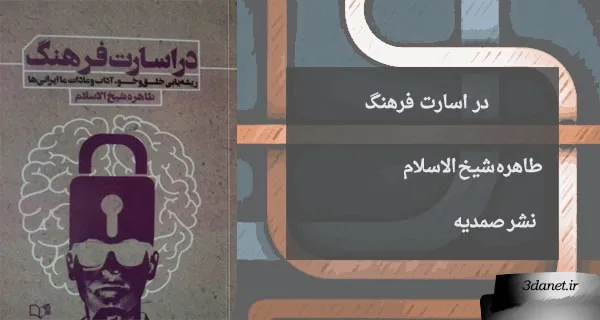
* The characteristics of people raised in modern and traditional societies have been described and dissected in detail in a book entitled "In the Captivity of Culture" by the same author. This book has recently been published by Samadieh Publications in Iran.
.
.
The Clash of Two Cultures in Migration and Its Consequences
Author: Tahereh Sheikholeslam
Contact the author: tarashey@gmail.com
.
.

Discussion0 comments
No comments yet; let yours be the first voice.