Religion
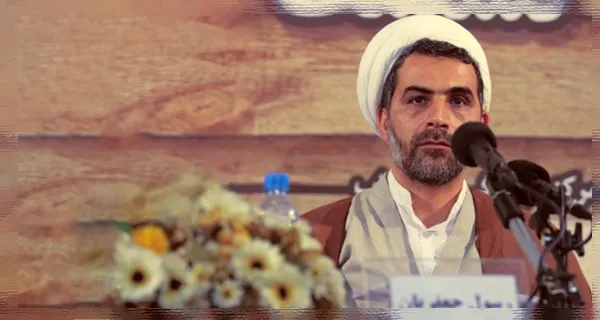
Lecture on the Definitive and Allegorical Verses in the Quran by Rasul Jafarian
Dr. Rasoul Jafarian examined four perspectives on the clear and ambiguous verses of the Quran—from the viewpoints of Kharaqani, Sanglaji, Sho'ar, and Shahrestani—each offering different definitions of Quranic understanding and ambiguous verses.
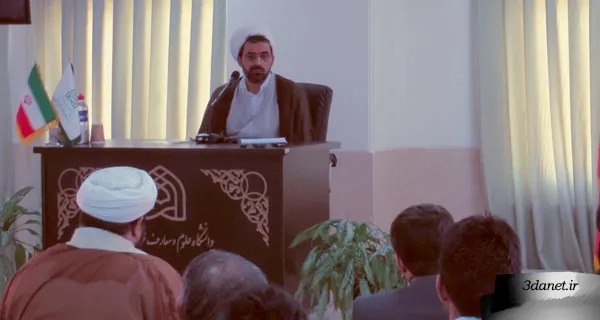
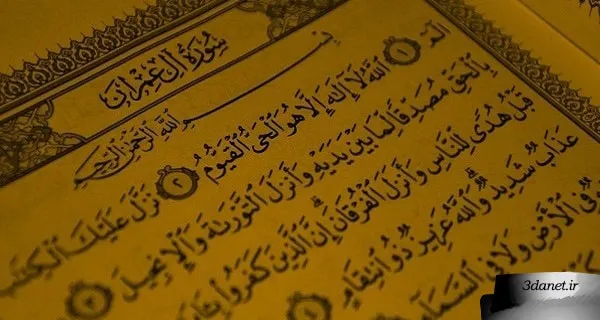
Dr. Rasul Jafarian outlined four important perspectives regarding the definitive and allegorical verses, adding: The first perspective is that of Asadollah Kharaghani. In this view, the allegorical verses of the Quran are the disconnected letters, and the rest of the Quran is completely understandable and comprehensible to all. In explaining the second perspective, he stated: This view was put forward by Shariat Sanglaji. He believes that the allegorical is a part of the Quran that God has expressed in a specific form and for a reason, and the meaning should not be made to conform to the words; the allegorical verses are understandable and are for the common people. Dr. Jafarian identified the third perspective as that of Jafar Shoar, stating: Jafar Shoar believes that there are allegorical verses in the Quran, but not that everything we disagree about is allegorical. Verses of the Quran concerning the Resurrection, the quality of God's attributes, and the essence of God, which we cannot see or experience, are allegorical; this has nothing to do with understanding the entire Quran, and the Quran is understandable, and verses related to jurisprudence are not allegorical. Regarding the fourth perspective, he added: According to this view, the allegorical verses in the Quran exist so that future generations can extract scientific content from them. This view was proposed by Seyyed Shahrestani.
.
.
Download the audio of the lecture on the Definitive and Allegorical Verses in the Quran by Rasul Jafarian
.
.
The ninth session of the Quranic Studies series, with Dr. Rasul Jafarian
On the topic of "Examining the Disputes over the Concept of Definitive and Allegorical in the Last Hundred Years"
At the Isfahan Faculty of Quranic Sciences, on April 20, 2014
.
.

Discussion0 comments
No comments yet; let yours be the first voice.