Literature
Misogynistic Verses in the Shahnameh
Misogynistic verses such as 'Woman and dragon, both better in the dust' have created a contradictory image of Ferdowsi; however, manuscript research proves these lines are later interpolations absent from the earliest copies of the Shahnameh.

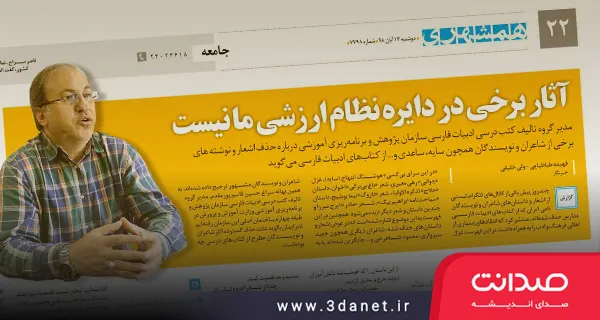
Abolfazl Khatibi
AuthorTheodor Nöldeke writes about the status of women in the Shahnameh: “In the Shahnameh, women do not play an active role; they only appear when desire or love is involved.”1 But this view does not seem very accurate. It is true that, quantitatively, a much smaller portion of the Shahnameh is devoted to women—compared to men—but their prominent role in many of the Shahnameh’s stories can by no means be ignored. Gordafarid and Gordiyeh are rare examples of valiant and fearless women. Faranak wisely and selflessly raises her son Fereydun away from the eyes of Zahhak and his followers, and it is she who ultimately, by having Zahhak bound, delivers Iran from his centuries-long tyrannical rule. While Iraj is killed by his brothers Salm and Tur, the royal line of Iran is continued through his daughter, Mah Afarid, to his grandson Manuchehr, son of Pashang. In the exciting and delightful romantic-epic tales of the Shahnameh, such as Zal and Rudabeh, Bijan and Manijeh, Kay Kavus and Sudabeh, Katayun and Goshtasp, and Bahram Gur and Azadeh, women play prominent roles. Homay, daughter of Bahman, ascends to the throne of Iranshahr and places the royal crown upon her head.
In the Shahnameh, there are many verses describing and praising the fine outward and inward qualities of women; descriptions of this sort abound: adorned like a spring garden, ornament of the age, fairy-faced, tall and slender cypress, an unpierced pearl, solace of the heart, heavenly countenance, a paradise full of adornment, moon-visaged.2 Yet in Ferdowsi’s masterpiece, there are also verses that are misogynistic and in which negative views about women are expressed.
How many Iranian women and men are there who cannot bear these verses from the tongue of their great national poet, who sits comfortably upon the pinnacle of Persian poetry and literature, and who perhaps view his true character in a haze of ambiguity, and may ask themselves, how can a poet, sage, and thinker whose masterpiece is the national identity document of every Iranian issue such a generalizing judgment about women:
Woman and dragon, both in the earth be,
The world pure from both these impure be.
The writer has encountered women who, while enamored of Ferdowsi, considered such verses an insoluble dilemma, and other educated women who, because of the circulation of these verses under Ferdowsi’s name, have not even approached the Shahnameh and have not read it. On the other hand, I have seen many men who have memorized these misogynistic verses, including the aforementioned one, and present them to their audience as an authentic document from the tongue of a beloved and exalted poet, emerging triumphant from a self-constructed debate!
In this essay, I do not intend to examine the role of women in the Shahnameh.3 Rather, I will try to examine and evaluate the most important verses in which generalizing judgments about women are criticized or subjected to satire and invective. We have divided such verses into two categories: interpolated and original. Here the reader might ask, what is the criterion for considering these verses interpolated? In response, we say the main criterion is precisely the rules and principles of manuscript studies, which are more robust and reliable than other criteria such as stylistics and the like. We present these verses below from various editions and recensions of the Shahnameh, and in each case, by citing the manuscripts, we show that all of them are the compositions of scribes and Shahnameh reciters that have been interpolated into this precious book over centuries of copying:
A) Interpolated Verses:
First, we evaluate the most famous misogynistic verse of the Shahnameh, which was mentioned earlier:
Woman and dragon, both in the earth be,
The world pure from both these impure be.
This verse relates to the story of Siyavash (Siyavakhsh), the pure-natured Iranian prince, whose stepmother Sudabeh falls in love with him and summons him to her, but after facing Siyavash’s refusal and despairing of union, she pretends to her husband Kay Kavus that Siyavash had intended to violate her. Finally, at the suggestion of the priests, Siyavash must pass through fire to prove his innocence. A great heap of firewood is gathered, and everyone waits for Siyavash to pass through the mountain of fire:
They placed two high mountains of firewood,
Its count passed beyond how many and how much.
From afar, from two leagues, everyone saw,
Thus must one seek the key to calamity.
He wished to see the door of truth,
From the work of woman comes all deficiency.
When you hear this story from beginning to end,
It is better for you if you trust not in woman.
(Khaleghi edition, vol. 2, p. 234, vv. 472-476)
In the world, seek none but a pious wife;
A woman of evil conduct brings disgrace upon you.
May both woman and dragon be buried in the earth;
May the world be cleansed of both these impure ones.
The last couplet is absent from 15 of the oldest and most authoritative manuscripts of the Shahnameh4 upon which Jalal Khaleghi-Motlagh's edition is based, and it is also not seen in the well-known editions of Jules Mohl, Moscow, or even Beroukhim. So how did this couplet become so widely known? As far as I have searched, the said couplet appeared in the late and less authoritative Calcutta (see J. Vullers, vol. 2, p. 551, footnote 2) and Bombay editions of the Shahnameh, and from there found its way into some even less authoritative Iranian editions, such as the Amir Bahador edition of the Shahnameh (p. 110, v. 21), the Shahnameh published by Iran-e Bastan Publications in commemoration of Ferdowsi's millennium (vol. 1, p. 131, v. 6 from bottom), the Mohammad Ramazani edition (vol. 1, p. 432, v. 679, 1), the Amir Kabir edition (p. 123, v. 35), and the Dabirsiaghi edition (vol. 2, p. 487, v. 524).
Rostam, after recounting his own acts of bravery, says to his father Zal:
From slaying the lion, a man is a lion,
Likewise from seeking battle and the field of combat.
Women's name does not rise to eminence from that,
For they are constantly eating and sleeping.
(ed. Jules Mohl, vol. 1, p. 223, vv. 58-59)
Among the 15 manuscripts forming the basis of Khaleghi's edition (vol. 1, p. 333, footnote 4), these two couplets appear in only one primary manuscript, L, and three secondary manuscripts, Q(2), L(3), and B, and are certainly interpolated. Furthermore, these two couplets, which were also identified as interpolations in the Moscow edition (vol. 2, p. 50, footnote 17), are weak both in wording and meaning and are artificially linked together.
Rudabeh falls in love with Zal
When desire took the place of wisdom,
She became different in manner and disposition.
How well did that wise man speak:
Do not mention men in the presence of a woman.
A woman's heart is the very abode of the demon;
They are seekers of counsel from speech.
(ed. Jules Mohl, vol. 1, p. 125, vv. 455, 453)
Among the 15 manuscripts forming the basis of Khaleghi's edition (vol. 1, p. 187, footnote 20), the last two couplets appear only in S, Q, Lan, Q(2), Li, P, and B. These two couplets, which entered Jules Mohl's edition through manuscript P, are absent from ancient and authoritative manuscripts such as F and L and are naturally interpolated.
The King of Yemen, when he reluctantly gives his daughters, whom he loves dearly, in marriage to Fereydun's sons and is heartbroken at being separated from them, says:
By fortune, know that one who has no daughter is fortunate;
When one has a daughter, his fortune is not bright.
(ed. Moscow, vol. 1, p. 89, v. 170)
Although this couplet is absent from only two primary manuscripts, Q and S(2), among the 15 manuscripts forming the basis of Khaleghi's edition and is recorded in most other manuscripts, it was deemed suspect by the Soviet editors and identified as an interpolation by Khaleghi (vol. 1, p. 102, footnote 26).
Sudabeh continues to intrigue against Siavash and, by "fabricating magic," increases Kay Kavus's suspicion of his son:
A guide related a tale about this:
That no affection is greater than the bond of blood.
When a worthy child comes forth,
One must sever the heart from love of women.
(ed. Khaleghi, vol. 1, p. 239, vv. 557-558)
In Jules Mohl's edition (vol. 2, p. 123, v. 603), after these two couplets, which are undoubtedly original, the following couplet appears:
Her tongue is one thing, her heart elsewhere;
You seek a head from her, you will find a foot.
Among the 15 manuscripts forming the basis of Khaleghi's edition, this couplet appears only in Q(2), Li, P, A, L(3), S(2) (vol. 1, p. 239, footnote 31) and is absent from the nine other ancient and authoritative manuscripts. This couplet also entered Jules Mohl's edition through manuscript P. In the undated Leningrad manuscript (designated VI in the Moscow edition), the following couplet appears in place of this one:
Never obey a woman's command in any matter,
For you will never see a woman of sound counsel.
(ed. Moscow, vol. 3, p. 39, footnote 20)
When Afrasiab learns of his daughter Manijeh's infatuation with the Iranian hero Bijan and realizes that "she has chosen a mate from Iran":
Blood from his lashes flowed over his hands,
He became enraged and recounted this tale:
He who has a daughter behind the curtain,
Even if he wears a crown, is ill-starred.
(ed. Khaleghi, vol. 3, p. 323, vv. 235, 236)
After these two couplets, the following couplet appears in the Moscow edition (vol. 5, p. 23, v. 263):
کرا دختر آید به جای پسر
به از گور داماد ناید بدر
این بیت در هفت دستنویس ل، س، ق، لی، ل(3)و، ا آمده و در 8 دستنویس دیگر که کهنترین دستنویس شاهنامه (ف) در رأس آنهاست، نیست و خالقی نیز به درستی آن را الحاقی تشخیص داده است.
نوشزاد، پسر مسیحی انوشیروان سر به شورش برمیدارد و انوشیروان در نامهای به مرزبان مدائن مأموریت میدهد که شورش را سرکوب کند بدو مینویسد:
سپاهی که هستند با نوشزاد
کجا سر بپیچیند چندین ز داد
تو آن را جز از باد و بازی مدان
گزاف زنان بود و رای بدان
(چ، مسکو، ج8، ص 102، ب 847-846)
در مورد مصراع دوم از بیت دوم، مصححان شوروی هنگامیکه از میان 5 دستنویس مبنای تصحیح خود، ضبط اقدام دستنویسها (ل) را تصحیف شده دیده اند. (گزاف جهاندیده آزی مدان)، ضبط یگانه و کاملاً با مفهوم و ساده قاهره 796 (در چ، مسکو با نشان k) را به متن برده و ضبطهای ل و بقیه دستنویسها را به حاشیه رانده اند.
اینک از میان 15دستنویس مبنای تصحیح خالقی باز هم ضبط مختار مصححان شوروی یگانه است به وضعیت دستنویسها دربارۀ این مصراع توجه فرمایید:ل: «گزاف جهاندیده آزی مدان» س(2) (نیز و آ) «گزار جهان بین درازی مدار»: ک (نیز ل 3): «گزاف جهان بین درازی مدار»ل(2) «نباشد به بازی کسی شهریار»: (ق (2) «گزاف زنان بود و رای بدان » لی: «گزاف جهان بی درازی مدان»: س، ق، (نیز لن، پ، لن(2)، ب) گزاف جهان بین درازی مدان».
در اینجا شایسته است نکته ای را دربارۀ تصحیح متن خاطر نشان سازم و آن اینکه، هنگامیضبط اقدام دستنویسها همراه با برخی دستنویسهای دیگر تصحیف شده باشد یا غریب نماید، گزینش ضبط یگانه و کاملاً مفهوم و سر راست یک دستنویس، ممکن است سخت گمراه کننده باشد، چنانکه در این بیت گزینش ضبط یگانۀ قاهره (796) از سوی مصححان شوروی که در میان 15 دستنویس مبنای تصحیح خالقی بعلاوه دو دستنویس دیگر5 سخت تنهاست، خطای محض است. در نتیجه چنین تصحیحی، مصرع بر ساخته ای ساخته و پرداخته کاتبی زن ستیز به نام شاعری بزرگ رقم خورده است. چنین مینماید مصححان شوروی بدین سبب که دو واژه جهان و بین در دو دستنویس مبنای تصحیح ایشان (لن و لن (2) به صورت جهانبین کتابت شده نتوانسته اند صورت درست این مصرع را تشخیص دهند. صورت درست این بین که در غالب دستنویسها با تفاوتهای اندکی آمده، چنین است:
تو آن را جز از باد و بازی مدان
گزاف جهان باین (به این) درازی مدان.
انوشیروان به مرزبان مدائن میگوید: تو این شورش را جدی مگیر که چیزی جز گزاف کاریهای جهان نیست و آن را به این درازی که گمان میکنی مدان (شورش چونان باد به شتاب میآید و زمانی نخواهد شد که فرو مینشیند).
زنان را ستایی سگان را ستای
که یک سگ به از صد زن پارسای
این بیت زن ستیزانه و سخت سخیف به نام فردوسی در امثال و حکم دهخدا (تهران، 1310، ش، ج 2، ص 919، س 25) ضبط شده، ولی نگارنده آن را در هیچ یک از چاپهای شاهنامه نیافته است.
چنانچه این بیت در شاهنامه ای هم یافت شود، آشکارا پیداست که جعلی است.
از دیگر دلایل الحاقی بودن بیتهایی که در این بخش نقل شد، این است که چنانچه آنها را از متن حذف کنیم، خللی در سیر ماجراها و معنی پدید نخواهد آمد. البته ممکن است بیت یا بیتهایی اصلی را نیز از شاهنامه حذف کنیم و خللی در روند داستان و معنی متن ظاهر نشود، ولی این نکته را باید به خاطر داشت که شرط اولیه و اساسی اصلی بودن بیتی این است که دستنویسها تا چه حد از آن پشتیبانی میکنند. حال آنکه بیتهای منقول در این بخش نه از تأیید کافی دستنویسها برخوردارند و نه غالب آنها به لحاظ شعری استوار و بعضاً با شعر پرمایه و سختۀ فردوسی فرسنگها فاصله دارند.
The main motivation of the scribes in testing their taste and composing interpolated verses is that they think the poet has not sufficiently elaborated on the events in some places. With a cursory glance at what has mostly been mentioned, the reader well understands this point; for example, in the first part, after describing Sudabeh's numerous intrigues, Ferdowsi, with a relatively mild criticism, reminds his reader that "it is better for you if you do not trust a woman," which is certainly the result of Sudabeh's many misdeeds being the source of such a general judgment by the poet, but in reality, Ferdowsi wants to say that men like Kay Kavus should not unconditionally surrender to the wicked intrigues of women like Sudabeh. Here, a tasteful scribe considered this statement of the poet insufficient and himself entered the arena of eloquence, and by composing sharp and vulgar verses, turned a mild criticism into biting and venomous words against women, and in his own opinion, did justice to the matter and put women in their place! In example 6, Ferdowsi says of Afrasiab's women: if someone has a daughter, even if he is a crown-bearer, "he is ill-starred"; but the scribe did not consider this taunt against the female sex sufficient and, with a weak verse, said: she is both ill-starred and finds no suitor better than a grave!
Here our examination of the misogynistic interpolated verses in the Shahnameh comes to an end, but there are also misogynistic verses that are truly composed by Ferdowsi. Below, we first present the most important of these verses and then continue our discussion:
B) Original Verses
At the beginning of "Discourse on Siyavash Passing Through Fire":
He wanted to see the truth
From the work of woman comes all deficiency
When you hear this story from beginning to end
It is better for you if you do not trust a woman
(Khaleqi ed., vol. 2, p. 234, vv. 475-476)
Rostam, when he learns of the killing of Siyavash, for which Sudabeh was the main cause, says:
He who is the elder of the assembly
A shroud is better for him than the command of a woman
Siyavash was ruined by the words of a woman
Blessed is the woman who was never born of a mother
(Khaleqi ed., vol. 2, p. 382, vv. 48, 49)
Kay Kavus, at Sudabeh's suggestion, asks Siyavash to go to his harem among the women. Siyavash says to his father:
What shall I learn in the king's harem?
How can women show the way to knowledge?
(Khaleqi ed., vol. 2, p. 23, v. 161)
Again about Sudabeh:
On this story, one gave a guiding principle
That no affection is greater than the affection of blood
When a worthy child comes forth
One must sever affection for women
(Khaleqi ed., vol. 2, p. 239, vv. 557, 558)
Afrasiab says (see section A, number 6)
Whoever has a daughter behind the curtain
Even if he gives a crown, he is ill-starred
Rostam's ring falls into Bizhan's hand and he realizes he will soon be freed from the bonds of the well. Before revealing this secret to Manizheh, he says:
That if you sew your lips shut to avoid harm
Women's tongues still cannot be bound
(Khaleqi ed., vol. 3, p. 276, v. 983)
Katayun, the daughter of the Caesar of Rome, falls in love with Goshtasp, the Kayanian king, and when the Caesar becomes aware of the affair:
He answered thus: May a daughter not be
Who brings shame from the curtain upon the lineage
If I give my daughter to him
My head will be lowered in disgrace
Both he and the one he has chosen
Must have their heads severed within the palace
(Moscow ed., vol. 6, p. 23, vv. 253, 255)
Esfandiyar said thus to his mother
That the wise one told this story well
Never tell a secret before women
If you speak, you will find the word in the street
Also, never follow the command of a woman in any matter
For you will never see a woman of sound judgment
(Khaleqi ed., vol. 5, pp. 294-295, vv. 37-4)
Bahman speaks to his father Esfandiyar of Rostam's bravery and:
Esfandiyar became angry with Bahman
And humiliated him before the assembly
He said to him: It does not befit an exalted person
To sit in secret with a woman
(Khaleqi ed., vol. 5, p. 330, vv. 464-465)
Ruzbeh, the Zoroastrian priest of Bahram Gur, says of this womanizing king:
No one is seen with such stature and might,
Who with one arrow can sew two onagers tight.
He is ruined by the sleeping and rising of women,
Soon he becomes weak like silk,
His eyes grow dark and his cheeks pale,
His body weakens, his lips turn blue,
From the scent of women, hair turns white,
Whiteness makes one despair in the world,
The youth's straight stature becomes bent,
From the affairs of women come many kinds of torment.
To couple once a month,
If it is more, it is the shedding of blood,
This very burden is only for the sake of a child,
For the wise youth.
If you do more, it increases diminishment,
From weakness, it renders a man's body bloodless.
(Moscow edition, vol. 7, p. 349, lines 770-777)
In the author's view, the ambiguities that have arisen to date regarding Ferdowsi's views on various issues, including the question of women, have mostly originated from three sources: first, not recognizing the source of the Shahnameh; second, not distinguishing interpolated verses from the original; and third, isolating verses from the Shahnameh and examining them without paying attention to the text and context of the stories that contain those verses. In most research published so far on the status of women in the Shahnameh, original and interpolated verses from various editions of the Shahnameh, some of which are of little or no credibility, have been examined side by side.7 And also, very little attention has been paid to the crucial point that Ferdowsi founded his lofty palace of verse upon a text, namely the prose Shahnameh of Abu Mansur. One prominent contemporary scholar describes Ferdowsi's view of women as follows: Here, Ferdowsi has a reproach for women, or a complaint about their quickly losing their hearts to men, their impatience, and their readiness to accept love. Therefore, the poet's admonition and warning are not inconsistent with rational standards, and of course, he deems it better for this speech to be delivered through the words of a prudent man:
How well did that wise woman speak:
Make no mention of men in the presence of a woman.
A woman's heart is the very abode of the demon,
They are of words, seekers of opinion.8
The same scholar writes about the famous interpolated verse گرامیبه دل بر چه ماده چه نر
(چ، خالقی، ج1، ص 103، ب 219)
در یک جا میگوید:
به کاری مکن نیز فرمان زن
که هرگز نبینی زنی رای زن
(چ، خالقی، ج 5، ص 295، ب40)
و در جای دیگر
ز پاکی و از پارسایی زن
که هم غم گسارست و هم رای زن
(چ، مسکو، ج9، ص 171، ب2747)
چگونه میتوان این تناقضگوییها و پریشانگوییها را به حکیم و اندیشمندی چون فردوسی نسبت داد؟ در این گونه موارد این اصل را باید در نظر داشت که فردوسی تنها راوی صدیق روایات گذشته است و تنها عقاید قهرمانان داستانها را باز میگوید، اما در شاهد یکم از بیتهای اصلی، احتمالاًراوی، خود فردوسی است که نگاهی زن ستیزانه دارد و تا آنجا که نگارنده جستجو کرده شاهدی از این دست را در جایی دیگر کمتر دیده است. در این مورد باز هم این احتمال را هر چند اندک- که حکم کلی نگرویدن به زن در منبع شاعر بوده باشد، نمیتوان نادیده گرفت. وانگهی چنانکه پیشتر گفتیم هنگامیکه به این دو بیت در متن ماجراهای داستان، یعنی نابکاریهای متعدد سوداوه نگاه شود. شاید نتوان این حکم را صددرصد هم تعمیم پذیر دانست. بنابراین تنها براساس همین یک شاهد واحیاناً شواهد اندک دیگر، به هیچ روی روا نیست که شاعر بزرگ ملی خود را زن ستیز انگاریم، بلکه برعکس در شاهنامه بیتهایی وجود دارد که به احتمال فراوان راوی خود فردوسی است و نشان میدهد که شاعر برخلاف تفکر رایج عصر خود و برخی از شعرای پارسی گوی نگاهی عاطفی و انسانی به زن داشته است. در خطبة داستان شورش نوش زاد بر ضد پدرش خسرو انوشیروان، آنجا که میخواهد زن مسیحی او را که نوش زاد ازوست، توصیف کند، چنین میسراید:
چنان دان که چاره نباشد ز جفت
ز پوشیدن و خورد و جای نهفت
اگر پارسا باشد و رای زن
یکی گنج باشد پُرآگنده زن
به ویژه که باشد به بالا بلند
فرو هشته تا پای مشکین کمند
خردمند و هشیار و با رای و شرم
سخن گفتنش خوب و آوار نرم
برین سان زنی داشت پرمایه شاه
به بالای سرو و به دیدار ماه
در اینجا بر خلاف مورد پیشین فردوسی اعلام میکند که پیش از ورود به داستان میخواهد نظر خودش را دربارۀ زن بگوید که به نظر نگارنده این بیتها از بهترین و زیباترین توصیفها دربارۀ زن در سراسر ادبیات فارسی است و در آن زیبایهای معنوی و ظاهری زن به نیکوترین وجهی بیان شده است. توصیف جذاب و دل انیگز دیگری از این دست را در خطبۀ داستان بیژن و منیژه میتوان یافت که باز هم بی گمان آفریدة ذوق سلیم و طبع لطیف و ذهن خلاق شاعر است و هیچ ربطی به منبع او ندارد:
شبی چون شبه روی شسته به قیر
نه بهرام پیدا نه کیوان نه تیر...
نه آوای مرغ و نه هرّای دد
زمانه زبان بسته از نیک و بد
نبد هیچ پیدا نشیب از فراز
دلم تنگ شد ز آن درنگ دراز
بدان تنگی اندر بجستم ز جای
یکی مهربان بودم اندر سرای
خروشیدم و خواستم زو چراغ
بیاورد شمع و بیامد به باغ
میآورد و نار و ترنج وبهی
زدوده یکی جام شاهنشهی
مرا گفت شمعت چه باید همی؟
شب تیره خوابت نیاید همی؟
بپیمای میتا یکی داستان
ز دفترْت بر خوانم از باستان
پر از چاره و مهر و نیرنگ و جنگ
همه از درِ مردِ فرهنگ و سنگ
بدان سروبن گفتم: ای ماه روی
مرا امشب این داستان بازگوی
مرا گفت: گر چون ز من بشنوی
به شعر آری از دفتر پهلوی
هَمَت گویم و هم پذیرم سپاس
کنون بشنو از یار نیکی شناس
(چ، خالقی، ج3، ص 306-305).
.
پی نوشتها
Th.noldeke, the lranian National Epic, Tr by. L. bogdanov, Bombay 1930, pp-88-89
ترجمۀ فارسی: حماسی ملی ایران، ترجمه بزرگ علوی، تهران، 1357، ص 116-115.
برای فهرست مفصلی از این توصیفها، رک، دبیر سیاقی، محمد، «چهرۀ زن در شاهنامۀ فردوسی» به کوشش ناصر حریری، تهران 1365، ش ص 52-51.
برخی از پژوهشهایی که دربارۀ مقام زن در شاهنامه منتشر شده، بدین شرح است: بصاری، طلعت، زنان شاهنامه، تهران، 1350ش؛ انصافپور، غلامرضا، حقوق و مقام زن در شاهنامه فردوسی، تهران، 1355، ش؛ فردوسی، زن و تراژدی (مجموعۀ مقاله)، به کوشش ناصر حریری، تهران، 1365ش؛ حیات اجتماعی زن در تاریخ ایران (مجموعه مقاله)، جلد اول، قبل از اسلام، بخش اول، تهران، 1369، ش: نیز:
Dj. Khaleghi-motlagh Die Frauen in schahname, Freiburg, 1971; M.Omidsalar, notes on some women of the shahnama.
Nāme–ye iran e bastan , vol 1, No 1 spring and summer 2001. pp. 23-48.
In the latter article, by presenting numerous pieces of evidence, the prominent role of certain women in the Shahnameh is examined and Nöldeke's view is critiqued.
For the details of these manuscripts, see the references at the end of the article.
These two manuscripts of the Shahnameh, whose facsimile editions have recently been published, are: the recension of Hamdallah Mustawfi in the margins of the Zafarnama (vol. 2, p. 1326, lines 23-26) and the manuscript preserved at the Centre for the Great Islamic Encyclopaedia (p. 796, lines 16-17).
Khaleghi-Motlagh, in his commentary on this hemistich, writes: "The desire for women's affection refers mostly to sexual attachments and sleeping together, in which, according to the Shahnameh, one must exercise restraint, and its purpose is not the pursuit of lust, but, as stated in verse 558, it should be for procreation." See Notes on the Shahnameh, New York, 1380 (2001), part one, section 2, p. 600.
For example, see Bassari, Tal'at, Women of the Shahnameh, pp. 5-26
Dabirsiaghi, ibid., p. 53
Ibid., pp. 60-61
Razmjou, Hossein, A Journey through the Realm of Epic Literature, Tehran, Institute for Humanities and Cultural Studies, 1381, vol. 2, p. 320. Sajjad Aydenloo, in a critique of this book, points out the spurious and fabricated nature of this verse. See, "A Journey through the Realm of Epic Literature," Ketab-e Mah-e Adabiyat va Falsafeh, no. 67, Ordibehesht 82, p. 97
Behfar, Mehri, "The Shahnameh Does Not Deny Women," Ketab-e Hafteh, no. 16, Saturday 24 Shahrivar 1380, p. 13. Jalil Doostkhah, in a subsequent issue of the same weekly (no. 32, 13 Azar 1380, p. 2), in criticizing Ms. Behfar's remarks, rightly points out that this verse is an interpolation, and Ms. Behfar, in response to the critic, writes (ibid., no. 39, 2 Dey, 80, p. 3): "The necessity of mentioning this verse lies in the discussion concerning one of the Shahnameh's perspectives on women and its widespread fame among the public. By calling it an interpolation, we cannot simply erase the issue and present the Shahnameh as free from attitudes that view women as inferior...
If a single word were missing from the tale, / My soul would be a place of mourning.
(ed. Khaleghi, vol. 3, p. 285, v. 288)
Rejecting this verse might be valid in terms of discussions related to the textual criticism of the Shahnameh and its manuscripts, but it has no bearing on the argument I have presented." In the author's view, one of the reasons for the widespread fame of such baseless verses is that some scholars, disregarding their authenticity, have extracted them from unreliable editions, elaborated upon them, and unwittingly contributed to their dissemination. It is obvious that in a discussion concerning the women of the Shahnameh, one cannot cite a spurious verse—simply because it has gained widespread fame, wrongly attributed to Ferdowsi, and we scholars ourselves have contributed to its dissemination. In such verses, whether it is the opinion of a male character in the Shahnameh or of Ferdowsi himself is of absolutely no importance. Perhaps we, too, in this essay, by collecting these verses, have unwittingly contributed to their dissemination, but apparently, for some who are enamored of these verses, their fabricated nature is of no consequence. What matters is that they once bore the seal of Ferdowsi on their brow!
Item 7, although not expressed through the words of the story's heroes, is a proverb (tale) that, like some other proverbs in the Shahnameh, was probably present in the poet's source, and he merely rendered them into verse. For instance, the content of the proverb mentioned in number 8 of section "B" can be seen in Tha'alibi's Ghurar Akhbar (ed. Zotenberg, Paris, 1900, p. 344), whose source was shared with the Shahnameh. Therefore, many of these proverbs were also present in the Abu-Mansuri Shahnameh.
In the author's view, among the scholars and commentators of the Shahnameh, Jalal Khaleghi Motlagh has shown more attention and precision than others to the interpolated verses about women and to distinguishing the poet's speech from his source. In his new edition, he has astutely relegated many of the misogynistic verses that were assumed to be authentic to the margins, and in his commentary on some of the authentic misogynistic verses, he has correctly distinguished the poet's words from his source; see Notes on the Shahnameh, New York, 2001 (1380), Part One, Section 2, pp. 8-9-5, 596, 716-717.
.
References
The details of the manuscripts, editions, and recensions of the Shahnameh used in this article are as follows (details of other sources are provided in the text and margins).
The fifteen manuscripts forming the basis of Jalal Khaleghi Motlagh's edition, in order of their date and authority, are: Florence 614 (indicated by ف), London 675 (ل): Istanbul 731 (س), Cairo 741 (ق), London 891 (ل2), Istanbul 903 (س2), Leningrad 733 (لن), Cairo 796 (ق2), Leiden 840 (لی), London 841 (ل3), Paris 844 (پ), Vatican 848 (و), Leningrad 849 (لن2), Oxford 852 (ا), Berlin 849 (ب). For full details of these manuscripts, see the opening of the five volumes of Khaleghi Motlagh's edition of the Shahnameh, also the Zafarnama of Hamdallah Mustawfi together with the Shahnameh of Abul-Qasim Ferdowsi (edited by Hamdallah Mustawfi), printed by someone from a manuscript dated 807 AH in the British Library (Or. 2833), Tehran, University Publishing Center, 1999/1277; Ferdowsi's Shahnameh together with the Khamsa of Nizami, facsimile edition of a manuscript belonging to the Center for the Great Islamic Encyclopedia (dating from the 8th century AH), Center for the Great Islamic Encyclopedia, Tehran, 2000/1379.
Editions and recensions of the Shahnameh: by Jules Mohl, Paris, 1878; by Johann Vullers, collated with the two editions of Jules Mohl and Macan, Leiden, 1878/1295 AH; Bombay lithograph edition, 1276 AH, with marginalia by Malek al-Sho'ara Bahar, edited by Ali Miransari, Ancient Iran in Commemoration of the Millennium of Ferdowsi, Tehran, 1933/1312, based on the Vullers edition; by Mojtaba Minovi and others, Beroukhim Library, Tehran, 1934-1936/1313-1315; Amir Bahador edition, with the effort and capital of Ali Akbar Elmi's Bookstore and Teahouse, Tehran, 1947/1326; Amir Kabir Publications, Tehran, 5th edition, 1978/1357; by Mohammad Dabirsiaghi, Tehran, 1956/1335; under the supervision of E. E. Bertels and others, Moscow, 1960-1971; by Jalal Khaleghi Motlagh, New York, 1988-1997 (1366-1375).
.

Discussion12 comments
از کجا معلوم شعر رو تغییر ندادین و این منظورش با یه زن خاص بوده؟
بسیار ممنون. خیلی خوبه که به این ادعاها با نگاهی علمی و موشکافانه پاسخ داده شده. ای کاش هم آنهایی که اشعار فیک را منتشر میکنند الان هم این تحقیق را پخش کنند تا عده ایی فضای مجازی خوان دم از ضد زن بودن امثال فردوسی نزنند.
من دوست داشتم کاری مثل این کار با جمع اوری شعرهای ضد زن مولانا و سعدی و حافظ هم بشود این کار ا خیلی از غلا های تاریخی ایران یا بعبارت دیگر ریشه زن ستیزی در فرهنگ امروز ایران نشان میدهد
دقیقا حرف شما درست است. تغییر اشعار و وارد کردن افکار زن ستیزانه یک تغییر سیستماتیک فرهنگیست. تصور کنین زنی به خاطر همین اشعار، کتاب های این شاعران و همچنین شاهنامه که سند تاریخی زبان پارسی درنظر گرفته میشود را نمیخواند. او روزی مادر میشود، کودک او زبان پارسی را از او می آموزد و از طریق او با ادبیات پارسی آشنا میشود. زمانی که مادر نگرش منفی نسبت به شاهنامه و ادبیات پارسی داشته باشد، یا آن ها را به سبب اشعار زن ستیزانه نخوانده باشد، یا کودک خود را از خواندن آن ها بر حذر میکند یا دانش زبان شناختی کافی برای انتقال به او ندارد و چه بسا خود به جای واژگان خودی از واژگان بیگانه استفاده کند و کودک یاد بگیرد. در نتیجه نسل آینده با زبان و ادبیات پارسی بیگانه میشوند و نه تنها زبان و ادبیات غیرخودی را جایگزین میکنند بلکه در برخورد با اشعار زن ستیزانه آن ها سر لوحه ی افکار و رفتار خود قرار میدهند. پرداختن به اشعار الحاقی و بی هویت بدون شک الزامیست، چون زنان مبدا آموزش نسل ها هستند.
عالی بود
حکم هایی که در مورد نگاه به زن در شرق، در ایران ، و در اسلام از perspective غربی صادر می شود حاوی واقعیاتی است 1. عدم فهم شرق، فرهنگ ایران، و نگاه اسلام به فرد و جامعه 2. عدم موفقیت در ارائه توصیفی موفق از زن و یا توصیفی سودمند که منجر به بهبود وضع زنان بشود 3. قضاوت فرهنگ شرقی، ایرانی و اسلامی با دید اومانیستی، طبیعت انگار و یا مادی گرا که اگر حتی موفق می بود از نظر روش شناختی معیوب است. باید توجه داشت که افتضاح مدرنیته که در خود غرب منجر به اعتراضات پست مدرن و سخنان هایدگر و نیچه و فرانکفورت و irrationalism شده نمی تواند در مقام مصلح، دانشمند، فیلسوف موفق و قابل اعتنا به زن در ایران بنگرد. plight و anguish و depressionو exploitationزن غربی غیر قابل باور بریا زنان ایرانی است. نا پدری رئیس جمهور آمریکا(دموکرات!!!) در صحنه حمله به مادر او مورد اعتراض بیل کلینتون واقع می شود. در مشاجره ای دیگر، ناپدری شلیک می کند به مادر نمی خورد و دستگیر می شود. چنین جامعه ای با چنین رهبر دموکراتی!از عشق صفای زن ایرانی انتقاد می کند! این از عجایب و گستاخی های دنیای اندیشه است. گستاخی که به واسطه military and economic supramacy غرب حاصل شده و امید است در موردش آگاهی و علم حاصل شود شاید جهان روشن شده و آگاه شده از جنگ جهانی سوم بدست دموکراسی و فلسفه تحلیلی دانشگاه متکی به نگاه مکانیکی و مهندسی نجات پیدا کند.
اول اینکه. دموکرات بودن به معنی باورمند بودن به دموکراسی مطلق نیست به معنای کوشش برای بهتر و بهتر کردن آن است درباره هر مفعومی این چنین است. همین که در آمریکا کار گستاخانهی ناپدری آن رییس جمهور فاسد افشا می شود یعنی از ما خیلی جلوترند در جایی که افشا مساویست با شکنجه و مرگ افشا کننده. کمک کنندگان او و خانواده اش و معترضان به شکنجه و قتلش. و آخر. عزیزم نگارنده به زیبایی اشتباهها . غلطشناخت ها و بددلی ها را پاسخ داده شما بهتر است برای فهم بزرگان داستانگوی پارسی و کلا شرقی ابتدا مبانی داستان رو بخوانی تا با فلسفه داستان بهتر آشنا بشی اگر هم خوانده ای که وای به حالت ضمنا. همچین چیزهایی در کارهای شکسپیر و تراژدی نویسان یونان و رمان نویسان غربی (بعضی هاشان هست) و داستان کوتاه نویسانی مث چخوف در جنگ و صلح هم یکی از شخصیت های مثبت و فرتوت و فرعی داستان ضد زن سخن می گه جان فورد بزرگ هم نگاهی پیشرو اما با حفظ بخش هایی از سنت به زن داره و... ولی کسی برچسب نمی زنه و به پای اونا نمی نویسه مگر اینکه از داستان بیرون بزنه. که در فردوسی رخ نداده
این است حکیم پارسی گوی که اینهمه توهین به مادر خودش کرده ، خدا را شکر ما توی خونمون این هجونامه را اجازه نمیدیم بیلرند
دوست گرامی ... با یک بیت در باب زن که برای درک آن باید کل داستان را خواند ، نمی توان چنین قضاوتی کرد . در قرآن هم همسر ابولهب را حماله الهتب نامیده و با توجه به اینکه همسر ابولهب یک زن بوده نمی توانگفت که قرآن زن ستیز است . اگر صاحب یک مکان تابلویی نصب کند که ورود زنان به این مکان ممنوع است ؛ نمی توان بلافاصله و تنها با توجه به متن این نوشته قضاوت کرد که صاحب آن مکان زن ستیز است . زیرا ممکن است آنمکان یکحمام مردانه باشد ....
پر بی راه هم نگفته از هزار زن شاید یکی پیدا بشه کمی عقلش کار کنه عامل همه فتنههای عالم یک زن پشتشه مثلا کشتن امیر کبیر و غیرهدر عشق افراطی در حسادت افراطی کلا من زن شش دونگ سراغ ندارم راست گفت حکیم توس که ز مهر زنان دل بباید برید
فردوسی فقط حقایق رو بیان کرده...
از همه عوامل و دستاندرکاران سایت خوب شما که با زحمت و دقت، این نوشتهها را برای جلوگیری از سوءتفاهم و برداشتهای نادرست و نیز برای مطالعه درست و اصیل شاهنامهی فردوسی بزرگ منتشر میکنید، صمیمانه سپاسگزارم. واقعاً دست تکتک شما درد نکند. به نظر من، ارزش این کار فرهنگی کمتر از سالها ایستادگی در خط مقدم جنگ تحمیلی ایران و عراق نیست؛ چهبسا از جهاتی حتی حساستر و مهمتر باشد، چون با حفظ و پاسداشت فرهنگ، هویت و میراث ادبی این سرزمین سروکار دارد. خلاصه اینکه خسته نباشید و خدا قوت به همه عوامل سایت خوب و اصیل شما. خدا نگهدار همگی شما.