Religion
Mohammad Mojtahed Shabestari's Lecture: 'The Question of the Possibility of the Religious in the Present Age'
By proposing an 'ontology of speech,' Mohammad Mojtahed Shabestari views religion as a human phenomenon without an essence. In his view, the religiosity of the prophets was not the delivery of sacred knowledge, but a confession of God's lordship—a solution to the conflict between religion and the modern age.
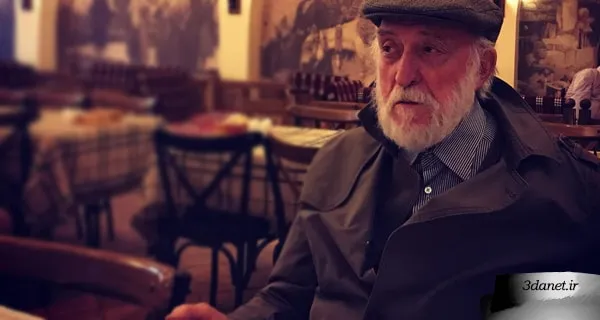
Mohammad Mojtahed Shabestari
SpeakerSince I was not fortunate enough to be present in person, I will offer a few brief remarks through this video. The esteemed author of the book “The Question of the Possibility of the Religious in the Present Age,” Dr. Bijan Abdolkarimi, in the course of various and numerous discussions, has a discussion entitled Ontology in Place of Theology. I would like to say a few things in this regard, and about ontology: if ontology is to take the place of theology, which ontology?
Perhaps one could introduce various ontologies, but I propose the ontology of speech, and I consider it a firm foundation for religiosity in the present age, such that many of the problems that have arisen for religiosity in the contemporary world and the age of modernity for religious people, and where religious life and life in the present world seem irreconcilable, might be resolved with this ontology.
Before I proceed to explain the ontology of speech, what I mean by it—let me say right now that I mean the ontology of the speech of the founder of a religion.
I must offer a few preliminaries about religion, and concerning the meaning and concept of religion. Firstly, religion has not come from the unseen; it is not the case that God has sent down religion. Religion, like philosophy, science, and art, is a human matter and has been brought into being by human beings in the course of their historical and social life. In the religious texts of the Abrahamic religions, which were vehemently opposed to idolatry and polytheism, it has been recommended that human beings make their religion pure for God, and set aside idols in every conceivable sense. This is what has come down in the texts of the Abrahamic religions. However, the notion that religion, in the sense of a collection of sacred knowledge, sacred rulings, and sacred instructions, has come from God to humanity—such a statement, though prevalent in the public mind, has no sound basis or foundation in the religious texts themselves. I have brought this up in my book “A Critique of the Foundations of Jurisprudence and Theology,” that God did not send down religion; rather, God sent down a Book, and that too upon the Prophet of Islam and not to others. And what is meant by that Book which was sent down upon the Holy Prophet was not a book of letters, words, utterances, and sounds. That Book was existence itself, which was unveiled to the Holy Prophet, and the Prophet read existence in the name of God and saw all beings as divine signs, and the Book of existence was what descended upon him.
Another point is that we must pay attention to the fact that religion has no essence, and we should not set out to define religion in such a way as to have defined its essence. This is the latest word from the world’s prominent scholars of religion today. They say that since all matters are seen as interpretive, determining an essence is not only impossible for religion, but in general, an essence cannot be determined for anything.
Religion has no essence. What exists and is seen in human life are various forms of religiosity, which have appeared in different shapes throughout the history of human life. What has appeared are types of religiosity, and not religions.
The third point is that a great mistake has been made in defining religion by sacred things, so that whenever religion is spoken of, a series of sacred things are lined up and we say that these are religion—for example, we say that religion consists of: sacred knowledge that comes from the unseen realm in order to make known to us human beings the straight path of life, and to remain on that straight path, and to have a religion that has come with clear instructions for action in three areas: ontology, orientation, and duty. And the task of religion, according to this definition, is to give direction to human life; or we say that religion consists of venerating sacred books, sacred times, sacred places, sacred persons, and sacred objects, and things of this sort. These definitions of religion are not defensible. We Muslims have fallen into this mistake of defining religion as sacred knowledge, sacred times, sacred persons, sacred books, and the sum of these in religion. This mistake is not peculiar to us; it has existed in other religions, and especially in Christian views this mistake has been abundant, and the consequences of this incorrect definition and view of religion have become apparent in the contemporary world. After philosophy and science have extended their dominance over all areas of worldly human life and provide answers to human beings' questions, if there is to be talk of an unconditional knowledge that is beyond criticism (some define religion in this way), and unconditional factors and the like, in order for human life to be established on a foundation.
Now, philosophy and science provide that unconditional thing, and this has created many problems for religiosity, and the place of religion has been lost—in the sense of what need we have, and philosophy and science fulfill this need.
And this is the problem that has arisen, and the incorrect definitions and conceptions that we and others have had regarding religion are such that, because of these kinds of definitions, religion is seen as an obstacle to life and an obstacle to constructing the world with science and philosophy. And the question is asked: where is the place of religion in the contemporary world? And if philosophy and science are to enter into dialogue with religion, with what are they to dialogue? And it is also unclear what it means if religion is to manage the nihilism present in the contemporary world and offer a basis for human living.
It is here that I come to the fifth point, which is that there is an ontology that I interpret as the ontology of speech, and this ontology of speech goes back to the speech of the founders of religions. If we refer to the original sacred texts—that is, the texts that remain from the founders of the Abrahamic religions (Judaism, Christianity, and Islam)—and see what the religiosity of the founders meant, what Muhammad's religiosity meant, and how the religiosity of them (Muhammad, Jesus, and Moses) was and what it signified, and if we pose this question to ourselves, we arrive at several matters there. One matter is that their religiosity was never in the sense of offering sacred knowledge; their religiosity meant that it began from this point of confession and testimony.
The founder of a religion confessed to a reality and bore witness to a reality; he confessed to the Lordship of God, confessed that God placed this speech on his tongue so that he might fulfill the right of God's Lordship. And the confession was this: O God, it is You who acquaint me with this speech so that I may confess, and You place this speech of confession on my tongue and convey it to me so that I may confess to Your Lordship.
Their religiosity began from this point of confession to the Lordship of God, and this is a speech, and a confession that this speech is not from this human being himself. And it is not the case that he himself suddenly arrives at the idea of confessing to the Lordship of God; rather, it is God who has conveyed to him this speech of confession to the Lordship of God, as if God wants the founder to confess to the Lordship of God.
The starting point of their religiosity is from here, and after that, testimony—testimony before others that such an event has occurred. Here they have not concealed it and have shared with others that such an event has occurred, that God has done this with us, and they have shared this event with others. Some have understood this word that the founder speaks and have believed in him, and some have not understood it and have not believed in him. And the founder has said that it is not in your hands to understand this word or not; it is God who, if He wills, someone understands this word, and if He does not will, that person does not understand the word.
It should be said here that these founders who spoke this word lived in crisis and not in tranquility. Crisis in the sense that their experience was that this reality in which they found themselves was from God, and this empowerment, by their own confession, could cease at any moment, and this means living in crisis. They did not know how long it would last and lived between fear and hope, dread and expectation—fear that this word might not come again, and hope that the empowerment for this word would come.
They did not know what the will and decree of God were and to what they pertained, and they were not confident about what concerned themselves, and this caused them to live in a crisis between fear and hope, dread and expectation. Contrary to what we imagine, that matters reached them and a word came to them and they became secure and assured, it was not so. Their entire existence was an existence in crisis. Not only was their personal existence in crisis, but the world was perceived by them as an oscillation between non-existence and existence. Their experience was that the world oscillates between existence and non-existence. Therefore, the world is also in crisis, meaning the world's existence is not guaranteed. That is, God, in their experience, was both the bringer into existence and the annihilator, both the one who causes to die and the one who gives life. Such a situation caused the world to be seen as signs, manifestations, or appearances of God. Every moment the appearance of the world was revealed, a sign of God was revealed. And it was possible that at the same moment it would be hidden, and it was possible that the world would be annihilated at that very moment and there would be no continuation. And in this way, the essence of God was concealed from them, and they were unaware of the decree and will of God, and they lived in this manner. Thus, both the world and their existence were a critical existence.
This next matter is that confession and testimony, and the point raised here is that this is where the ontology of the word lies. From this matter, I draw the conclusion that this confession, this testimony, this living in crisis, and this religious interpretation of the world constitute a collection of speech that has its own ontology.
That he says the word placed upon my tongue is from God, and that he says I live in crisis, and that he says the world is in crisis and in oscillation between existence and non-existence, and the world is the signs and verses of God—these are a collection of speech.
Speech has an ontological effect, and speech itself has an ontology, a being and existence. I do not mean the existence of utterances and words. This has been interpreted throughout history. The speech of the Prophet of Islam has been interpreted throughout history because it itself had an interpretive identity, and anything that has an interpretive identity must be interpreted. What guarantees the continuity of religion is the ontology of speech, meaning speech is interpreted, and it is interpreted again, and these interpretations continue, and a mighty, powerful river and current of speech and the effect of speech accumulates as tradition and continues throughout history. Therefore, we have the ontology of this speech, and based on the ontology and interpretations of this speech, we can build many structures on this basis, and these interpretations always leave the way open for the renewal of revelation (if we use the term revelation here). Whereas if you say the matter is not interpretive and it has been a series of fixed propositions and one must constantly deal with those propositions (as they have said, fixed sacred knowledge), in this way we have blocked the way for renewed revelation. Renewed revelation in the ongoing current, in the world, and for humanity is possible only if you see everything historically and, through seeing historically, open the way for renewed revelation.
I propose the ontology of speech for the Islamic world. If I were to give an example to explain the ontology of speech, I could say this: the effect that Rumi's speech in the Masnavi-ye Ma'navi has on thousands of people in the contemporary world—what is this effect for? This effect is the effect of the ontology of speech, or in other words, the being of speech.
A speech has emerged from Rumi, and that speech has, throughout history, given birth and multiplied, becoming various interpretations, and today it is interpreted in various ways as well, and our relationship with Rumi is an ontological relationship, except this ontology is the ontology of speech. It is an example. Hence, how can one interpret this very extensive effect he has on contemporary human beings?
Peace be upon all of you.
The End
.
.
Audio file of the lecture: The Question of the Possibility of the Religious in the Present Age
.
.
The Question of the Possibility of the Religious in the Present Age: A Re-reading of Bijan Abdolkarimi's Narrative of the Religious
Speaker: Mohammad Mojtahed Shabestari
Transcription: Mohammad Hemayati
On the date of 29 Mehr 1397 at the Institute for Humanities and Cultural Studies
.
.

Discussion9 comments
غلط املایی (ز و ذ) و نبود نیمفاصله به نظرم درست نیست.
من این حرف ها رو از زبان دیگری گفتم...همان طور که (هادی) در کامنت خود میگه، به نظر من هم واقعا تفکر روشنفکری دینی به ملزومات و پیامد های منطقی خود اگر پایبند باشه به تدریج از روح و پیام اصلی ادیان فاصله میگیره...اخه خوب وجهه تاریخی و انسانی متن مقدس رو تحلیل می کنن ولی در عوض مبنایی برای وجهه فراتاریخی و فراانسانی معرفی نمیشه و اگر هم بشه دست و پا شکسته و با ترس و لرز و به قول دکتر سروش با ایمان ظنی و گمانی. اما آیا واقعا با ظن و گمان می شود زندگی اصیل و حقیقتا دینی داشت؟؟؟ من ایمان شجاعانه و با یقین را جستجو می کنم البته یقین فقط 2×2 مساوی با4 نیست که گفته بشه، این طور ایمان تحصیل حاصل میشه. شناخت بدیهی با به چنگ آوردن و ابژه سازی بدست می آید درحالی که شناخت یقینی لزوما این وصف را ندارد. به این ترتیب، مترادف دانستن "بدیهی در متون منطقی" و یقینی در متون دینی" خلط و یکسان سازی پارادیم های گوناگون شناخت است. اینکه ایشان می گوید جنس ایمان از جنس امید و سنخ کفران از سنخ نومیدی است به این حقیقت اشاره دارد که معنای ایمان دینی غیر از یقین ریاضی وار است. به نظر من، دوگانگی شک و یقین از جمله دوگانگی هایی است که باید دوباره مورد بازخوانی و بازفهم قرار گیرد، چرا که تنها در سایه یقین است که می توان شک کرد و شک کردن برای شک کردن پروژه ای است که بدون شک به نیهیلیسم و پوچ گرایی تن می دهد. یقین هایی اگزیستانسیل وجود دارد که برخلاف یقین های راسیونال، تک معنا و تک بعدی نیستند بلکه سیال و دینامیک، با همه پستی و بلندی های راه، انسان را همراهی می کنند، درست به همان سان که ما درباره هستی خودمان و حقیقتی به عنوان من، یقین داریم ولی هیچ گاه شناسایی ما از خودمان، در گذشته و آینده یکسان نیست. البته در اینجا، فقط و فقط، درباره خداوند و به قول پل تیلیش، آن واپسین واقعیت غایی و به زبان فلسفه، خود حقیقت و حقیقت استعلایی، با تأکید و حساسیت سخن می رود، حقیقتی و واقعیتی چنان احاطه کننده و فراگیر که اگر چه در احاطه و دسترس ما قرار نمی گیرد ولی به هیچ وجه مورد تردید هم قرار نمی گیرد. درست به سانِ جهان خارج که اگر چه ما در برابر آن همانند کاهی در برابر کیهان هستیم، ولیکن جز به آن تکیه گاهی نداریم و جز در آن غوطه ور نیستیم.
با عرض سلام و تشكر اگر بپذيريم همه آنچه كه در كتب اديان ابراهيمي آمده است لزوما درست نيستن (همانطور كه در مورد همه كتابهايي كه دست آورد بشر هستن اينگونه است) ديگر بحثي وجود نخواهد داشت. عمده مشكل ناشي از آن است كه جدا از تفسيري كه از متن كتب ديني ميشود ادعا ميشود صحبتهايي كه در اين كتب آمده تماما و لزوما درست هستن چون نهايتا صحبتهاي مد نظر خداوند ميباشند. حال با مقدمه فوق برداشت درست از صحبتهاي آقاي مجتهد شبستري چيست؟ ايشان ميفرمايند: "خداوند دین نازل نکرده است بلکه خداوند کتاب نازل کرده است و آنهم بر پیامبر اسلام و نه به دیگران و منظور از آن کتاب که بر پیامبر اکرم نازل شده است کتابی با حروف، الفاظ، کلمات و اصوات نبوده است. آن کتاب هستی بوده است که کشف شده است بر پیامبر اکرم و پیامبر هستی را به نام خدا خوانده و همه موجودات را آیات الهی دیده است و کتاب هستی این بود که بر او فرود آمد." ايشان همچنين ميفرمايند: "بنیانگزار دین اعتراف میکرد به یک واقعیت و شهادت می داده ... به خداوندی خدا ... به اینکه این سخن را خدا بر زبان او می گذارد که حق خداوندی خدا را ادا کند. ... دینداری آنها از این نقطه اعتراف به خداوندی خدا شروع میشد و این یک سخن است و اعتراف به اینکه این سخن از سوی خود این آدمی نیست. و اینطور نیست که خود آن ناگهان به این صرافت بکند که اعتراف به خداوندی خدا بکند بلکه خدا است که این سخن اعتراف به خداوندی خدا را به او رسانده است ، گویی که خداوند می خواهد بنیانگزار به خداوندی خدا اعتراف کند." به نظر ميايد كه از نظر آقاي شبستري صحبتهاي كتابي كه به بنيانگزار دين نازل شده صحبتهاي خداوند نيست بلكه حرفهاي پيامبري است كه مدعي است اين حرفها را خداوند خواسته است كه از دهان او خارج شود. اگر اين برداشت درست باشد آنوقت اين سوال اساسي مطرح ميشود كه چگونه ميتوان به لزوم درست بودن ادعاي آن پيامبر و گزاره هاي كتاب مذكور اعتقاد پيدا كرد؟ و اساسا فرق كتب ديني با كتب غير ديني در چيست؟ بخصوص وقتي بپذيريم كه اشكالات و تناقضات زيادي هم در خود كتب ديني و هم در مقايسه آنها با يكديگر وجود دارد.
کتب دینی با غیر دینی فرقی ندارند هردو تاریخی هستند وبه شدت تخته بند زمان ومکان خود هستند ونمیتوان به گزارههای موجود در کتب دینی اعتقاد داشت وهمانند ان عمل کرد ان گزارهها در شرایط زمانی ومکانی خود طرح شده اند وجهان شمول نیستند ونمیشود انها را در همه ی اعصار عینا اجرایی کرد اصلا قابل قبول در همه ی اعصار نیستند از کتب مقدس فقط احکام عام اخلاقی ان را میتوان ازان در س گرفت مانند نیکی به پدرو مادر یتیم نوازی وحق یتیم را نخوردن وکم فروشی نکردن و....فقط احکام عام اخلاقی قابل بهره برداریست
بله از نظر آقای شبستری. شما از نظر یک نفر بودن نتیجه صدق آن cosequent را می گیرید؟
دین که همه انسان ها را برابر می داند طرفداری برده داری است؟ چه تحریف بزرگی. البته ممکن است عوام حرف بی پشتیبان را درست فرض کنند اما یک کلام وسط جملات نوشتن و نتیجه مطلوب خود را گرفتن روش عوام بی اخلاق است. قرآن از ابتدا تا انتها از اندیشه، برابری، اخلاق می گوید. وقتی سند شما سریال هالیوودی باشد تعجبی ندارد که به جای رجوع به تفسیر قرآن و حوزه علمیه با دو نفر فیلسوف دین ستیز بدون تحقیق از authority ادعای بی پایه و اساس و خلاف واقع را باور کنی. لاقل به علم غلط و تحریف شده تکیه کن تا افراد بی دقت ادعای شما را باور کنن
کار مردان روشنی و گرمی است کار دونان حیله و بی شرمی است مولانا امثال این سریال جز خونریزی و بی شرمی نیست. اما به نظر من جناب مجتهد شبستری و ...بیشتر در جبهه مبارزه با استبداد دینی می جنگند و جبهه لاابالی گری و اباحه گری و لذت پرستی و پوچ گرایی معاصر را کم و بیش فراموش کرده اند.
بیایید واقع بین باشیم. ما به یک وارونه سازی تمام عیار احتیاج داریم. کی گفته بالا و پایینی و مقدس و عرفی وجود داره...همه چیز سیلان و صیرورت داره و وحدت میان اشیاء بزرگ ترین خودفریبی انسانه. اینکه خوب و بد هم وجود داره که در واقعیت وجود نداره فقط بر پایه قرارداد اجتماعیه که آدم ها همدیگه رو نخورن. برده داری توی قرآن رو که فراموش نکردید. روشنفکران دینی مثل جناب مجتهد شبستری می خوان ادای تیپ پست مدرن ها و نیچه مرام ها رو در بیارن ولی نه این طور نیست، خود نیچه اگه الان زنده بود بر سر امثال این کشیش های متجدد ماب فریاد می کشید. اگه دین ذاتی نداره و واقعا صادقانه حرف می زنید پس کلا این قدر روی واژه دین مانور ندید و درباره امکان آن صحبت نکنید. دین هم چیزی بود و بگذشت. این شباهت های خانوادگی ویتگنشتاین هم در ادامه همون خودفریبی ها و مطلق سازی هاست که شما اینقدر با آن خودتان را توجیه می کنید. در یک کلام سلسله مراتب ی به هیچ عنوان وجود نداره و همون قدر که امکان داره خورد و خوراک شما تغییر کنه همون قدر هم به آسانی و سهولت امکان داره نظام اخلاقی شما تغییر کنه اگر چه خود واژه اخلاق هم یاوه ای بیش نیست. به جای این بحث های انتزاعی پیشنهاد می کنم سریال game of thrones رو تماشا کنید تا بفهمید دین یعنی هیجان.
اگر " در یک کلام سلسله مراتب ی به هیچ عنوان وجود نداره و همون قدر که امکان داره خورد و خوراک شما تغییر کنه همون قدر هم به آسانی و سهولت امکان داره نظام اخلاقی شما تغییر کنه اگر چه خود واژه اخلاق هم یاوه ای بیش نیست "" اگر سعی در ایجاد ارزش پوچ و بی اثر است پس شما چرا تلاش داری شبستری رو تغییر بدی؟ وقتی خوب بدی نداریم چرا شما داری سعی می کنی شبستری را از اشتباه دربیاری؟ مگر نظر شما بهتر از مغالطات شبستری است؟ اگر هست که موضع شما self-defeater خودشکن است. اگر نیست که نقض موضع شماست