Iranian thinker
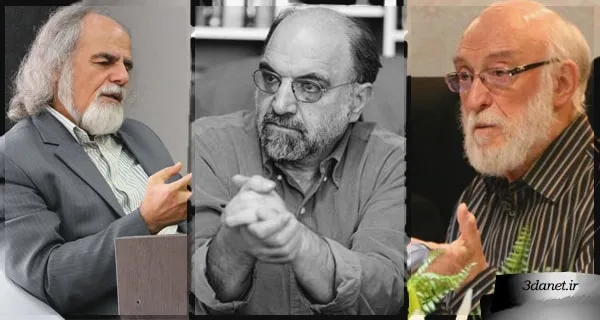
Mohammad Mojtahed Shabestari
Mohammad Mojtahed ShabestariTheology and Philosophy of ReligionIranianb. 1936
Faith is an existential and personal experience; not a political ideology.
In their times
Open in the Timeline of ThoughtInfluenced10


Influenced by2


Critics2


Same school1

Contemporaries5


Life and Thought
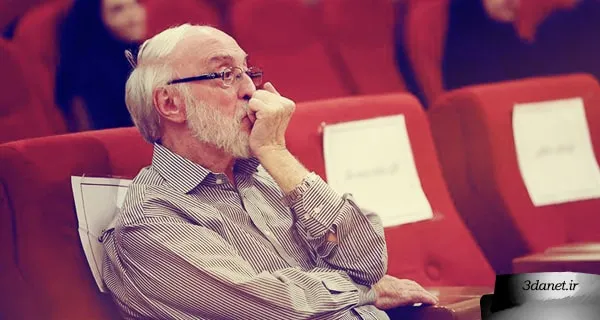
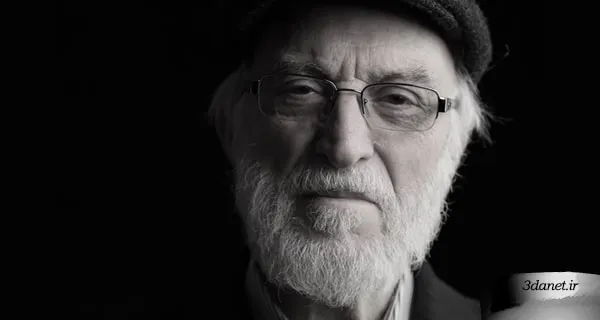
Mohammad Mojtahed Shabestari, born in 1936 in Shabestar, is a jurist, theologian, and researcher in Quranic sciences. He is considered one of the influential figures in introducing hermeneutics to theology and contemporary religious studies in Iran.
Mohammad Mojtahed Shabestari, born in 1936 in Shabestar, is a jurist, theologian, researcher in Quranic sciences, and a retired professor at the University of Tehran. He entered the Qom Seminary in 1951 and spent about eighteen years studying and researching jurisprudence, principles of jurisprudence, philosophy, theology, and Quranic exegesis. In his final years in Qom, he also participated in intellectual and religious journalistic activities.
Shabestari served as the director of the Islamic Center of Hamburg from 1969 to 1978. His stay in Germany provided him with the opportunity to become closely acquainted with modern philosophy, Christian theology, interfaith dialogue, and new discussions in hermeneutics. After returning to Iran, he was involved in politics for a time and served as a representative in the first term of the Islamic Consultative Assembly, but afterward, he primarily devoted himself to academic work, research, and teaching.
He taught comparative theology, history of religions, and comparative mysticism at the Faculty of Theology of the University of Tehran, attaining the rank of full professor. Shabestari is one of the influential figures in introducing hermeneutics to theology and contemporary religious studies in Iran.
The central focus of Shabestari's thought is the interpretation of religion in the modern world, the hermeneutics of religious texts, the relationship between faith and freedom, human rights, the possibility of a humanistic reading of religion, and a critique of the official, jurisprudence-centered reading of religiosity. He has endeavored to elevate religious understanding beyond the level of jurisprudential ruling and to examine it in connection with human experience, history, language, and interpretation.
The theory of the 'Prophetic Reading of the World' is one of his most controversial views. In this theory, Shabestari explains the Quran in relation to the prophetic experience, historical language, and the Prophet's monotheistic interpretation of the world. This very approach has sparked considerable agreement and criticism within Iran's theological sphere.
Bibliography
Writings and transcribed lectures6 titles
Faith and Freedom
Hermeneutics, the Book, and Tradition
A Critique of the Official Reading of Religion
Reflections on a Humanistic Reading of Religion
Three Types of Reading of Tradition in the Age of Modernity, in the Book Tradition and Secularism
Articles on the Prophetic Reading of the World