Islam is a religion of compassion and mercy, not a religion of the sword and violence.


Life and Thought
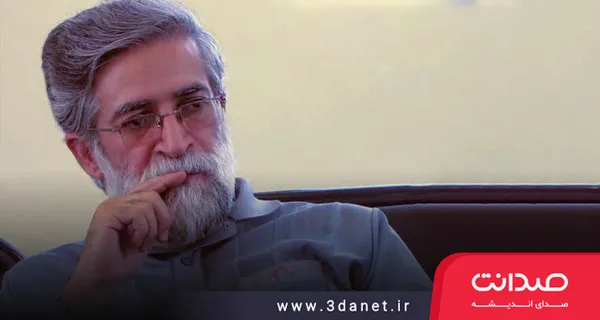
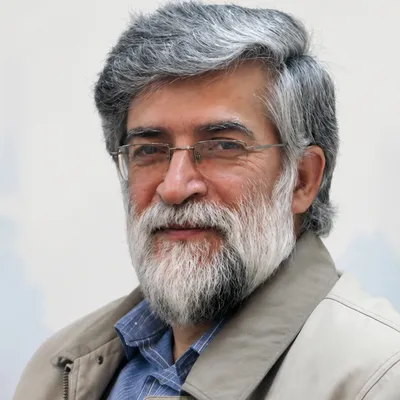
Ahmad Qabel (1957–2012) was an Iranian mujtahid and religious researcher known for his distinctive jurisprudential views and rational reading of Sharia. A student of Hossein-Ali Montazeri, he set aside his clerical garb and turned to a critique of seminary and political traditions.
Ahmad Qabel, born 1 October 1957 in Torbat-e Jam and died 23 October 2012, was a mujtahid, religious researcher, and one of the prominent students of Hossein-Ali Montazeri. He was born into a clerical family; his father, Shir-Mohammad Qabel, was a cleric and Friday prayer leader in Fariman. Ahmad Qabel completed his early education in Mashhad and entered the seminary in 1972. He studied first at the seminary in Mashhad and then in Qom, pursuing advanced courses in jurisprudence and legal theory (kharij-e fiqh va usul) under masters such as Mirza Javad Tabrizi, Mohammad Fazel Lankarani, Hossein Vahid Khorasani, Musa Shobeiri Zanjani, Yousef Sanei, and especially Hossein-Ali Montazeri.
Qabel received permission for ijtihad from Hossein-Ali Montazeri in 1998. Montazeri later designated him, along with several other students, to answer religious inquiries. Alongside jurisprudence and legal theory, Qabel also engaged with theological, philosophical, and social issues, striving to present a rational, ethical, and humane reading of Sharia.
Ahmad Qabel set aside his clerical garb in 1991. He explained this decision not as a distancing from religion or jurisprudence, but as a critique of the outward distinction between the clergy and the people and a defense of an unadorned religious life. This same outlook—a rethinking of established religious and seminary traditions—is evident in many of his writings.
In public life, Qabel was also a political critic and was consequently arrested and imprisoned several times; however, his primary significance in the history of religious modernism in Iran lies more in his jurisprudential method and distinctive views. After a period of illness, he passed away in October 2012 and was buried in Mashhad.
The core of Ahmad Qabel's thought can be summarized in the phrase "rational Sharia." He believed that the understanding of Sharia must be measured against reason, ethics, justice, and human dignity. In his view, jurisprudence should not merely repeat the opinions of predecessors but must be reread in light of common human reason and the conditions of the time. In profiles published after his death, Qabel has been regarded as one of the important figures of religious modernism and a defender of the rational and critical analysis of Sharia.
His most famous jurisprudential opinion concerned women's hair covering. By examining Quranic verses, narrations, the history of covering, and the opinions of jurists, Qabel concluded that covering the head and neck of women is not a definitive jurisprudential obligation and can be considered recommended (mustahabb). This view became one of his most controversial opinions and was later examined alongside the perspectives of other religious modernists on hijab.
Qabel also wrote critiques of jurisprudential punishments, including stoning, and sought to demonstrate that certain historical rulings must be re-examined according to the criteria of reason, justice, and the higher objectives of Sharia. Some of these writings remained unfinished, but even that portion resonated within contemporary jurisprudential discussions.