Political Science
Myanmar and the Challenge to Romantic Images of Schools of Thought
The events in Myanmar shatter the dreamlike image of Buddhism and Eastern spirituality, showing that it is a mistake to separate the essence of a doctrine from the conduct of its followers. All models are insufficient and must be guarded against becoming hollow or dangerous through constant critique.
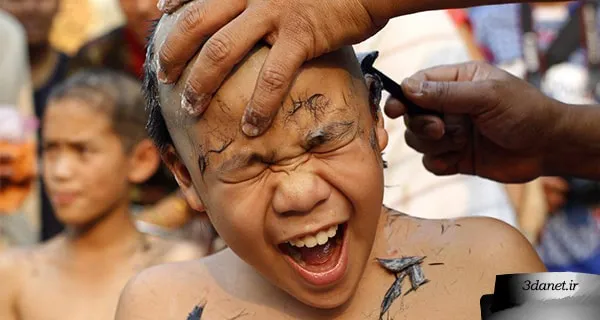
What is happening in Myanmar today challenges, more than anything else, our optimism regarding our own positions, whatever they may be. We are accustomed to proposing grand solutions for human problems and, in doing so, we rely on our imagination to construct dreamlike images. Wars and atrocities render us the greatest service in shattering these dreamlike images. Even when we reach this point, we erase the problem by separating the essence of a school of thought from the conduct of its followers, while the schools themselves, whatever they are, require critique. This very thing has happened with Buddhism and its spiritualist image of power and politics. Those who claim to have nothing to do with politics nurture great dangers within the political arena. The main reason is that the human being, as an inherently political animal, if not engaged in the practice of politics within civil, democratic frameworks, easily falls prey to instinctual and savage political behaviors or the politicking of politicians. Yet, beyond this, romanticized images of tradition, modernity, spirituality, East and West, nationality, and the like are not without influence. For example, from the nineteenth century onward, Eastern religions were introduced as a balm for the violence, hardship, and iron cage of modern human life. We spoke and heard of Buddhists in terms of pacifism, non-harm to living beings, the monastic smile, meditation, silence, and tranquility. This imaginary picture contains a share of truth, but it also has many inadequacies that we neither spoke nor heard of. We neither subjected Buddhists themselves to historical and human examination apart from this dreamlike image, nor did we place Buddhism under the scalpel of our critique. Dozens of books with an uncritical and sentimentalist approach to Buddhism exist in our own country, and the critiques that do exist are either political slander or aimed at proving other, rival forms of spiritualism. Sometimes, when we critique schools of thought, we groundlessly assume an alternative school is free of fundamental problems. How easily the Enlightenment thinkers of the eighteenth century labeled the civilization of the Middle Ages as obscurantist and overlooked the dark aspects of the new perspective. The proponents of the superiority of tradition over modernity have done no less. We close our eyes to the sentences and teachings that are arsenals of danger and highlight other sentences. These image-makings have surely deluded Buddhists themselves into thinking they truly have no need for self-critique, since all they have heard about themselves is peace and serenity. Even if the majority of Buddhists genuinely wished to be people of peace and serenity according to this dreamlike and "superhuman" narrative, it was natural that after a while they would feel they have fallen behind the world and must show some seriousness and claim their presumed right: that proposition which states "might makes right" can, in my opinion, be constructed by weak people as well, and they have constructed it. Weak people, in comparing themselves with the powerful, bring this proposition to the level of consciousness and then, under this very banner, strive to attain the condition of powerful people. Let us not forget that these Myanmar criminals are weak people whose leader was under military house arrest until just yesterday. They feel a sense of backwardness and now must compensate, and of course, they can reach those weaker than themselves, and I think they will succeed. The reason Ms. Suu Kyi refuses to condemn these events is that she knows only through this path can she secure more power in Myanmar for the downtrodden people who follow her.
I said that Buddhism carries with it many attributes that, in this case of Myanmar, have proven ineffective. I am opposed to the approach that dismisses spiritual peace, human rights, liberalism, and egalitarianism as entirely empty names. Each of these names carries a truth that has worked and continues to work at critical junctures. Interestingly, regarding this very issue, apart from us Muslims, whose religious zeal has made us sensitive, human rights activists are also active. I have nothing to do with governments that claim human rights, for they themselves should be in the position of answering, not claiming. Yet the idea of human rights and non-governmental human rights organizations, albeit relatively, still react and serve as a support. The executive mechanisms of human rights are not very effective, but their universal scope and sensitivity to all events are valuable, and everyone refers to them; however, Eastern spiritualist approaches show a fundamental weakness, at least in the case of the Myanmar events. For global issues, the crisis of "a perspective that has specific followers and co-religionists" reveals itself here. "Belonging" is humanity's Achilles' heel. The issue is that, in this very contemporary history, crimes have been committed in every name. In the name of freedom, in the name of reason, in the name of religion, ethics, and spirituality, in the name of the masses and justice, in the name of the honor of nation and family. How fluid human concepts are. They slip. They are not something that stays in one's hand.
When we look at the very valuable and humane aspects of the concepts I mentioned, and we do not wish to simply call them empty and false, we are compelled to speak of the insufficiency of all of them. All these models, and any other model, are insufficient: there are places where they do not work, they fall short, they even turn into their opposite. Awareness of this insufficiency is a necessary condition for theoretical action in the face of human crises. This awareness not only does not deprive us of our positive responsibility to propose more successful models, but it is a force for building something anew. Those dreamy views we construct of our models mostly disappoint us. Those black and disgusting images we construct of perspectives and the status quo also disappoint us. Disappointment, too, can be a prelude to violence. For now, in the medium-term horizon, we have no path but the existing models. We can only, through constant critique, prevent them from becoming hollow or their dangerous aspects from growing. With what is happening in Myanmar, it must be said that although Eastern spirituality and modern human rights and the like can still have much to say to us, they can no longer take comfort in the one-sided image that has been constructed for them until now, or in the narrative that these events have nothing to do with their "own essence." Buddha, too, has illuminations if he accepts the suffering of critique and does not wish to turn away from this one suffering as well.!
.
.
Myanmar and the Challenge to Romantic Images of Schools of Thought
Author: Meysam Sefidkhosh
.
.


Discussion5 comments
با سپاس از جناب آقای میثم سفید خوش و علی رضای گرامی قطعا و قطعا منظور نوشته خیلی روشنه و می خواد احتیاط هوشمندانه ای کنیم در مورد ماسک حقانیتِ مطلقی که مکاتب و فرقه ها به صورت شون می زنند. مقاله هشداری است در مورد "خود-برحق-پنداری" و نه قضاوت در مورد وقایع جاری. اما چون در مورد یک واقعه ی جاریِ فاجعه باری است که از اشقیاء گرفته تا اوصیاء، همه دارند ازش حرف می زنند، لازم است همه ی ما مخاطبین رسانه ای مراقب باشیم و قضاوت دست ساخته ی دیگران را تکرار نکنیم. این احتیاطی کلی است و مخاطب اش همگان است. در این جا، اگر بخواهیم نظری بدهیم، مجبوریم با سیل رسانه ای کمی فاصله بگیریم و خبر ها را از منابع بی طرف چندگانه هم پیگیری کنیم و بعد نظر بدهیم. اما همیشه، می توان حساب نیروهای باصطلاح شبه نظامی را که ممکن است زنان و کودکان و انسان های بی طرف را سپر می کنند روشن کرد. آنانی که چماق و فشنگ دارند، فاجعه را بوجود می آورند، اما جنایت سازان و جنگ سازان در پشت قربانیانِ طرف خود پناه می گیرند. آن چه می ماند، واقعیت کاشانه های سوخته است و بس.
نوشته جناب سفیدپوش بسیار متین و حاوی نکات آموزنده (برای من) بود. بفول ما کردها، روی پدرت سفید جناب سفید پوش! البته تذکر جناب کشانی هم بسیار قابل تأمل است. هرچند مطمئنأ منظور ایشان توجیه اقدامات وحشیانه ظالمان نیست.
مکتب های ساختگی اولا به ذات خود فاقد دلیل و پوچ هستند و نمی توانند از ادعا های خود دفاع نمایند. مروری بر بحث های گذشته این موضوع را نشان میدهد.ثانیا جهان بینی ندارند و موقعیت انسان و آینده او و تفاوت اشخاص اخلاقی و ضد اخلاقی را مشخص نمی کنند وسر انجام آنها را یکسان می پندارند.ثالثا هیچ افراد الگو و جامعه الگویی ارایه نمیدهند.نکته چهارم این است که این مکتب های ساختگی به جای خدا پرستی ، به بت پرستی و شخص پرستی و خود پرستی روی می آورند.
منِ خواننده، با هوشمندی و دقت نظر نویسنده ی محترم کاملا همدلی دارم. اما بهتر است یادمان باشد که اطلاعات ما در مورد اصل ماجرا کم است. یک موج رسانه ای در این مورد براه افتاده. نکند که همه ی مان یک سری اطلاعات کپی- پیستی را داریم مصرف می کنیم! کافی است به هشدار ها و پیشنهادات سازمان عفو بین الملل در همین مورد توجه کنیم. یا به راه حل های کمیسیون حل و فصل سازمان ملل در مورد مردم بی گناه غیر نظامیِ و راه حل های دست یافته برای رفع ستم قومی دقت کنیم و حساب دسته بندی های زیر رااز هم سوا کنیم: ارتش، دولت، نیروهای شبه نظامیِ مدعیِ دفاع از اکثریت قومی و شبه نظامیان (چریک های)مدعیِ دفاع از اقلیت مسلمان و اقلیت دیگری که در همین منطقه مشهور است که زیر تیغ تبعیض و تعصب و کینه اند. یادمان نمی رود که بعد از جریان حمله ی اسراییل به لبنان و از دست رفتن جان نهصد جان شریفِ غیر نظامی و تخریب نصف لبنان، بر سر گروگان گرفته شدن دو سرباز اسراییلی، رهبر گروه لبنانی در سخنانی شجاعانه(در قیاس با همگنان اش)اعتراف کرد که “اگر می دانستیم این هزینه ی بزرگ را می دهیم، ابدا آن “دست اندازی و تحریک” را با اسراییل شروع نمی کردیم.” امااین سخن در این طرف ها بازتاب زیادی نداشت. نکند که ستم و تبعیض هست،اما تحریک هم از سوی مدعیانِ پیشتاز آزادیِ قومی و سپر قرار دادن غیر نظامیان، کودکان و زنان در طرف دیگر ماجرا هم وجود داشته باشد. عفو بین الملل، به این نکته به روشنی اشاره می کند و می گوید اما با این همه، آن اقدامات به هیچ وجه توجیهی برای تقاص گیریِ ارتش از مردم عادی نباید باشد. اما شوربختانه: تقاص را قطعا همیشه مردم عادی خواهند داد، همیشه! مردم همیشه سپر خواهند ماند! و عاملین اصلی و فرعی، در معرکه ی "دزدبگیری" گم خواهند ماند.
سلام و سپاس از نکات قابل توجه شما. بله اجمالاً من هم در این نوشته تلاش کردم نگاه بسیار بدبینانه یا زیادی خوشبینانه به نهادهای موجود را قدری تعدیل کنم. در واقع این نوشته تلاش می کنه به جای قضاوت درباره ماجرای جاری، تصویرهای رومانتیک منفی و مثبت از مکاتب و رویکرهای انسانی رو نقد کنه تا هشداری باشه برای خودمون. خواستم بگم حتی لبخند بودا هم می تونه بهانه خشونت باشه! و به همین دلیل همه مکاتبی که در جوامع ما حضور دارند بالقوه آمادگی خطر رو دارند.