Philosophy
Panel: “Nonviolence: Conditional or Unconditional?” with Mostafa Malekian and Hossein Sheikh Rezaei
Mostafa Malekian and Hossein Sheikh Rezaei debated nonviolence; Malekian defended it and addressed his argument to governments, while Sheikh Rezaei argued that absolute nonviolence is ineffective in political struggles.
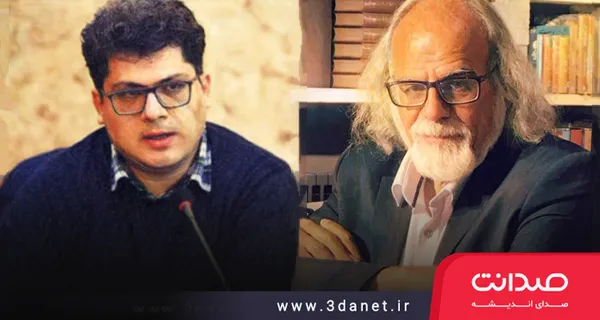
With Mostafa Malekian and Hossein Sheikh Rezaei
Nonviolence: Conditional or Unconditional?
Held at the School of Doubt - December 1, 2022
Transcription and editing: Mohsen Azmoudeh
Listen on YouTube, Castbox, Telegram
Mohsen Azmoudeh: The following text is a report on a fascinating debate between two renowned philosophy researchers in Iran concerning a heated discussion in the intellectual sphere of Iran these days: nonviolence, yes or no? To what extent and how? In this session, Mostafa Malekian, a researcher in moral philosophy, defended nonviolence on a virtue-ethical and spiritual basis, while Hossein Sheikh Rezaei, a professor of the philosophy of science, rejected absolute nonviolence and, at least in political and social struggles, did not consider it always strategic and beneficial. After this debate and during the Q&A section, Mostafa Malekian, who has a large audience in Iran's intellectual and cultural sphere, made remarks that have been repeatedly shared in cyberspace. He explained that the reason for his delay in commenting on recent events was his distance from Iran, and that morally, he did not permit himself to speak from abroad about what is happening in Iran. He also, by enumerating reasons, stated that in his view, due to the lack of conditions for dialogue, reform is not possible, and consequently, in the conventional sense, he is not a reformist in our society. Nevertheless, at the end of his speech, he said he has no specific political program because he is not a politician or a political expert; however, and perhaps for this reason, he remains hopeful for the future and sees no benefit in despair. The less seen and heard, and in our opinion more important, part of this debate was the theoretical discussion that took place between Malekian and Sheikh Rezaei; therefore, in the following report, I have tried, within the limits of the page's framework, to provide an account of it and present the essence and basis of the arguments of these two scholars. This debate, moderated by Amirhossein Khodaparast, a researcher in moral philosophy, was held online by the School of Doubt on Thursday, December 1st.
Gandhi, the Prominent Figure of Nonviolence
Amirhossein Khodaparast
The idea of nonviolence is usually mentioned in political and social struggles and places the question of politics in connection with ethics. In our time, nonviolence has prominent figures such as Gandhi, Martin Luther King, and Nelson Mandela. But this theory is specifically attributed to Mahatma Gandhi (1869-1948), the political and spiritual leader of India, who used two concepts derived from ancient Hindu spiritual texts, namely "Ahimsa" and "Satyagraha," to explain it. Ahimsa means not harming another, whether human or other beings, and Satyagraha literally means "truth-force" or "insistence on truth" or "holding firmly to truth," meaning that a struggle accompanied by nonviolence is propelled by the force of truth. In other words, according to Gandhi, those who are trained in Satyagraha persistently advance the truth in political struggle and consider it sufficient for this struggle. Nonviolence in this sense connects with other concepts such as civil disobedience and the possibility of legitimate self-defense in the face of violence, and the question arises whether the exercise of violence, whether by the state or by opponents, can have a legitimate basis. What is specifically cited about nonviolence from Gandhi indicates that nonviolence is different from passivity, cowardice, and fear. From Gandhi's perspective, nonviolence is a form of activity stemming from a strong faith in the goodness of human nature, meaning that even ruthless oppressors and tyrants are affected when they see human suffering, and their innate nature is awakened. Gandhi even considers nonviolence as the distinguishing feature of humans from other living beings and believes that nonviolence has both moral and political value. Gandhi himself imagined that nonviolence helped him triumph over British colonialism, and therefore it is both a means and an end, as it will be part of our moral ideal.
Ethical and Prudential Reasons for Opposing Nonviolence
Mostafa Malekian
At the outset, it is necessary to mention two preliminary points. One is that I am not one to enjoin good and forbid evil or to offer guidance. Speaking to others from a position of superiority requires a set of theoretical conditions, such as breadth of knowledge, depth of understanding of matters, power of thought, and breadth of experience, which I lack. From a practical standpoint, I also lack inner virtue and outward right conduct to consider myself worthy of guiding others. Therefore, I am merely presenting my own opinion here and do not expect others to accept it, but I do expect understanding, whether they accept it or not. Another point is that my words will certainly have opponents, but I hope critics will consider the entirety of my remarks and not separate a part of it from its overall context.
The Primary Audience
I am participating in this session as someone who believes in nonviolence. First, I must note that in the discussion of nonviolence, many imagine that the audience is only the people, or primarily the people. However, at least in my view, in the discussion of nonviolence, the people are neither the primary nor the exclusive subject of discussion; rather, governments are the primary concern, and the people are secondary. Because when we compare governments with the people, we see that the likelihood of violence by governments is greater than that of the people for two reasons: First, it is part of the essence of every government, from the most democratic to the most despotic and totalitarian, to be concerned with preserving and expanding its own power, and their difference lies solely in the methods of preserving and expanding power. Naturally, preserving and expanding power necessitates the use of violence to varying degrees, sometimes beyond the imagination of an ordinary person. Second, governments have a greater capacity to exercise violence than the people, and the degree of a government's ability to exercise violence is incomparable to that of the people. Governments possess an incomparable power over the people in three respects: weaponry, propaganda, and finances. Therefore, when I speak of nonviolence, my gaze is never upon the people who undertake a series of actions to claim their rights. My primary audience is the government, and secondarily, of course, I also have the people in mind.
But what does violence mean? Violence, in its broadest sense, is any behavior, including any action, deed, or body language, that is contrary to my liking. However, in discussions of this kind, its meaning is considered more narrowly, because in that broad sense, humans always commit violence, willingly or unwillingly. Therefore, in the current discussion, what is meant by violence includes instances such as beating, killing, burning, causing bodily harm, mutilation, torture, and assaulting another. My point is that, in this sense, violence is contrary to ethics. There are a few exceptions to this principle. For example, Socrates said that at first glance, returning a trust is a moral duty, but sometimes I should not fulfill the first duty because the second duty is more important, such as when we know it is morally wrong to return a sword entrusted to us to its owner, whom we know intends to kill an innocent and oppressed person with it. I also believe that nonviolence, in the aforementioned sense, is our moral duty, but sometimes this moral duty conflicts with another moral duty, and observing that other duty takes precedence over this one. Therefore, in such cases, one must abandon nonviolence.
A Prudential Defense of Nonviolence
We should not commit violence, both from a prudential and an ethical standpoint. In prudence, achieving the goal is important, whereas in ethics, the goal is not to violate moral rules and principles. From a prudential perspective, four defenses of nonviolence are possible:
1- According to historical experience, violence brings about enormous human, material, and spiritual losses. Recent research in biology has shown that the impacts and harms of violence are even heritable, meaning that trauma and harm resulting from violence can be transmitted genetically. Therefore, less human, material, and spiritual harm is possible through the avoidance of violence by one party, or even more so, by both parties.
2- In the arena of struggle, if everyone resorts to violence and the environment becomes increasingly radicalized through this violence, the victor in this arena is the one who is the most violent, the most ruthless, the most hard-hearted, and the most bloodthirsty. Such a violent group that wins the arena of struggle will not, after its conclusion, behave according to the dictates of justice, fairness, compassion, tolerance, and peace-seeking. The bloodthirsty disposition of this victorious group was directed at its opponents until the moment of victory; afterward, it will be turned toward the citizens. One who has come to power through bloodshed will subsequently treat citizens with violence and cruelty as well. Therefore, no powers have ever emerged from radicalized environments that have treated their own people well.
3- When the oppressor commits violence and the oppressed refrains from violence, according to extensive research, the oppressor's capacity for feeling shame and guilt increases. Whereas if both sides commit violence, the possibility of feelings of shame, guilt, and culpability arising in the oppressor diminishes.
4- Among external observers, both international and domestic, the feeling of sympathy for the oppressed person, when they do not resort to violence, rises greatly. In 1989 in Tiananmen Square, the ruling Communist Party of China displayed rare cruelty, and over several days, several thousand people were killed. Thousands upon thousands of films and photographs were made of these atrocities, but if an opponent of the Chinese regime wants to convince a neutral observer of the regime's tyrannical and oppressive nature, they will choose that photograph of a young man standing, holding no weapon, not even in an attacking posture, with tanks moving toward him. The reason for choosing this photo is the knowledge that our likelihood of sympathizing with this young man, on the one hand, and our hatred for the ruling regime in China, on the other, is far greater than when showing scenes where government forces attack and popular forces also return their attacks. Fundamentally, the human conscience takes upon itself the defense of the oppressed who has adopted a defensive path. It is impossible for eight billion people on Earth to witness, for six months, two forces where one inflicts the utmost violence and the other engages through nonviolence, and remain silent. The human conscience is far more stirred by this kind of sympathy.
Moral Reasons for Defending Nonviolence
1- I subscribe to a kind of Spinozistic pantheistic view which holds that all human beings, whether oppressor or oppressed, perpetrator of violence or victim of violence, constitute a single unified being in nature and destiny, and any conception we have of human society must be organic, like our conception of a tree or a plant. If the slightest harm comes to one part of this tree, all its parts are damaged, more or less. Of course, many may not agree with this pantheistic view.
2- In my opinion, the end never justifies the means, and the impurity of the means will always contaminate the end.
3- Morally speaking, forgiveness and reconciliation are preferable to revenge and estrangement, and the virtue called forgiveness and reconciliation has been denied by almost no ethical school, system, or theory.
4- I believe in the Socratic dichotomy that if one is forced to choose between committing violence and suffering violence, suffering violence is morally preferable to committing violence.
Works on Violence in Iran
Hossein Sheikh Rezaei
I will begin with two preliminary points. First, addressing the issue of violence from a philosophical perspective is somewhat scarce in our philosophical community and in Persian writings. Of course, there are writings and works about nonviolence in Persian, but firstly, the philosophical aspect of these works is faint, and secondly, regarding the position I am speaking from—that is, moving away from absolute nonviolence—fewer works are available in Persian. We have much material in Persian praising nonviolence, but we have fewer works criticizing it. Second, criticizing nonviolence is dubitable and hazardous, because it can be equated with defending violence. Therefore, I ask critics to pay attention to the entirety of the discussion.
In the international literature on violence, its most extreme forms are generally addressed, such as terror, terrorism, torture, war, and so on. This also has a historical background. For instance, when Kant discusses those who engage in a kind of political activity involving violence against the state, he considers the extreme case of the matter, whereas attention to the diversity of approaches involving violence is important, because it is the instances that determine what we are discussing, and there is no disagreement on the generalities.
In philosophical works on violence, two main tasks can be distinguished from one another: one is the conceptual clarification of violence, and the other is the ethics of violence or the moral justification of violence. The discussion of just war, an older topic from the time of Augustine and Aquinas and even before them in the Greek tradition, is related to the moral justification of violence, and the discussion of the ethics of violence can be subsumed under it, because war itself is an instance of violence.
Conceptual Analysis of Violence
Two types of violence can be distinguished: 1. Narrow violence: This violence has components, which are of course debatable, but literally, this violence is interpersonal, positive, intentional, and involves force, physical harm, and destruction. 2. Broad violence: This is the structure and the software aspect that can give rise to violence, the most important of which are injustice and discrimination. Discriminatory systems built on ethnic, gender, religious, ideological, etc. discrimination cause larger groups of people to feel injustice and insecurity and resort to violence. In this second sense, no specific act has been committed by a specific individual; rather, it is a violence distributed throughout relations and relationships.
Violence is also diverse along two axes, and attention must be paid to this diversity: 1. The agents involved: That is, one must see between which two parties the violence occurs—two individuals, an individual and a group, two groups, the people and the government, between states, between parties, and so on. The importance of this diversity lies in the fact that the permissibility of violence between two specific parties (e.g., the people and the government) may not be generalizable and extendable to two other parties (e.g., two individual parties). 2. The degree of violence: The extent of damage is determinative in the moral judgment; from cases such as the destruction of property and the annihilation of public resources in a way that puts pressure on the general public, it counts as violence, to beating, murder, rape, torture, terror, bullying, verbal violence, structural violence, and so on. Therefore, in discussing the validity or invalidity of violence, its instance must be precisely clarified.
The main question in the conceptual clarification of violence is whether violence is a normative and evaluative concept or not. That is, when we characterize an act, action, or speech as violent, do we simultaneously consider it reprehensible or not? In other words, is "being morally reprehensible" part of the meaning of violence or not? Put differently, do we have a conceptual, a priori, and semantic reason to consider violence contrary to morality whenever we see it? In English, this question has been raised as the relationship between the two words "violence" and "to violate" or "violation." If someone says that part of the meaning of violence is "being anti-moral," it is as if they believe that wherever there is violence, a kind of transgression—whether of law, morality, or endorsed preferences—is also present. This is an influential question. The strategy is to show examples in which violence exists, but an immoral act does not occur. Consequently, "being morally reprehensible" is not part of the meaning of "violence" and is a contingent matter; that is, one must see whether an immoral act has been realized in a specific case or not. Some examples are clear; for instance, entering a war that has been imposed on an individual and in which they participate justly is, if we set aside exceptions, morally permissible. This is a defeater for the initial judgment that violence is inherently immoral. Also, legitimate and personal self-defense is a less controversial example. I limit it to a case where someone is subjected to oppression and violence and performs an unconscious, involuntary defensive and reflective reaction so as not to be killed or further harmed. This example is also clearly violence, but it is not immoral.
Another example is when an individual is subjected to violence, but not in a defensive, unconscious, and involuntary manner; rather, through reflection and moving past the event, they conclude that they must respond to the violent act with a violent reaction, especially when that initial violent act against the person is repeated. If they do not carry out a violent reaction, not only will the act be repeated, but the integrity of their personality, their self-esteem, their rationality, and their courage will be called into question, and they will be characterized as a defenseless, submissive individual. The important point here is that the person does not commit violence to escape another's violence at that moment; rather, the act of violence itself is important to you, meaning it is regarded as something that preserves the integrity and unity of the individual's personality and makes them a virtuous person. Defenders of this form of violence consider it defensible within an Aristotelian framework. Aristotle says that the virtuous person expresses their anger in due measure and at the right time, and the extension of this anger is violence. Of course, there must be proportionality between the secondary violence and the primary violence the individual has suffered. The important point here is that the violence itself and its expression shape the individual's virtue, not the reaction to it, which is a matter worthy of reflection.
Also, in everyday life, we recognize cases where an individual has given their informed consent for violence to be inflicted upon them, limited to themselves. An example of this is the sport of boxing (especially professional boxing) or other violent martial arts. It is as if society has accepted these kinds of violence and has no ethical problem with them. Therefore, here too we witness that society has accepted the combination of informed consent and self-directed actions.
An even more interesting example is cases of violence that even pacifists and the founders of nonviolence programs have accepted. Both Gandhi and Martin Luther King emphasize that if someone, out of fear, cowardice, and a desire to incur no personal cost, refrains from confronting organized discrimination, it is better for them to commit violence than to remain inactive. Some may understand this statement as metaphorical and aimed at condemning fear and cowardice, rather than as a prescription for violence. However, Gandhi, in his own nonviolence program, has a case that shows this statement should be understood literally.
In Gandhi's nonviolence program, three stages are important: 1. A tension arises in society, and the activist must quickly enter into a process of social and civil negotiation and reconciliation; 2. If the first stage is not realized, the individual engages in civil and negative resistance, meaning they resort to strikes, demonstrations, and showing reactions in a nonviolent manner; 3. The second step does not always yield results. In statistics cited by Dr. Farhad Meysami in a book he wrote on this subject, it is shown that out of every three nonviolent struggles, one has been successful. It should be noted, however, that the success rate of nonviolent struggles is twice that of violent struggles. But in any case, only one-third of nonviolent struggles have achieved results. Here, Gandhi suggests that the individual must resort to sacrifice and self-sacrifice, meaning, in the highest form, to give their life for their cause, or in lesser cases, to inflict violence upon themselves, in order to awaken society. This resembles informed consent for the infliction of violence upon oneself, but the point is that Gandhi presents this not only concerning himself but also as a suggestion and a way out for others. For example, Gandhi made this suggestion to the Jews during the World War II era, proposing that if they saw the situation was deadlocked and the first two stages yielded no results, they should enter the third phase so that a voice might be heard. George Orwell, in his famous essay criticizing Gandhi, points to this point.
The above examples show that being unethical should not be considered part of the meaning of violence, and this is a contingent matter. Of course, this statement does not contradict the claim that in most cases, violence is ethically reprehensible. Therefore, there can be violence that is not ethically reprehensible. It has also been said in another way that if violence were equivalent to what is ethically reprehensible, then the thesis of nonviolence would be considered tautological and meaningless. Similarly, one can say, like Moore's argument about the open question in ethics, that if violence were the same as what is ethically reprehensible, then the question 'Is violence ethically reprehensible?' would become meaningless and a closed question.
A category of violence is classified under the heading of political violence, a specific instance of which is violence by the people against the state in response to systematic social discrimination along ethnic, gender, ideological, and other lines—something both Gandhi and Luther King spoke of. Indian independence and the Black freedom movement in America occurred in this context.
Violence as a Descriptive Concept with a Negative Emotional Charge
Mostafa Malekian
The most important point in Dr. Sheikh Rezaei's remarks was whether violence is a normative or a descriptive concept. I also believe that violence is a descriptive concept, but I do not accept Dr. Sheikh Rezaei's conclusion. In the philosophy of language, there is a discussion that some descriptive words, alongside their semantic load, also carry an emotional charge (positive or negative). These positive or negative emotional charges differ across cultures and subcultures. Violence is one of those descriptive concepts that, beyond its explicit meaning, carries a negative emotional charge; this negative emotional charge does not make it normative. That is, it expresses a meaning, but this meaning has a negative emotional charge in various languages. My point is that violence is a descriptive concept whose wrongness must be proven within ethics.
Also, I can agree with some of the cases Dr. Sheikh Rezaei raised, but it depends on which school of ethics (deontology, consequentialism, virtue ethics) you adhere to. Of course, some of these cases are compatible with any ethics, while some are compatible with one of these three ethical schools. I am ethically a virtue ethicist, and therefore I do not consider some of the cases Dr. Sheikh Rezaei mentioned to be ethically wrong; rather, I disagree with their justification on ethical grounds. Of course, there are also some cases that are correct according to all three ethical foundations.
Those who advocate nonviolence fundamentally believe in the power of the spirit versus the power of matter. Spirit here does not have a Hūrqalyā-like concept. Rather, they believe that in the equations of social life, alongside material power (such as money, propaganda, and weapons), the power of the spirit is also effective in these relations. Proponents of nonviolence believe that the power of the spirit ultimately overcomes the power of matter. In the realm of politics, a political regime, alongside its material power, also possesses spiritual authority. The greatest error of political systems is that they fail to recognize this distinction and the superiority of spiritual authority over material power. Governments, alongside material power (money, weapons, propaganda), can also have spiritual authority, which derives from their legitimacy, efficacy, and gentleness. But if a government repeatedly uses its material power and violence, its authority diminishes. The mistake of totalitarian and despotic governments is that they make full use of their power, and their authority decreases. Therefore, nonviolence means giving more scope to authority than to power.
Violence Against Structural Political Violence
Hossein Sheikh Rezaei
Fortunately, I agree with Mr. Malekian on most of the important points, but I think our difference of opinion lies in the emphasis on the conclusions we draw from these shared premises. I am glad that he also believes violence is a descriptive concept. This view allows us, in every case where we encounter an instance of violence, to examine it and see whether its application is contrary to ethics or not. That is, we do not have a predetermined answer regarding the absolute reprehensibility of violence. Whereas a portion of the nonviolence literature, due to a lack of attention to this point, succumbs to a kind of sentimentalism and hand-wringing.
I also agree from a philosophical perspective that, in the first instance, even in political violence by the people against discriminatory regimes, nonviolence is preferable, because in addition to the reasons Mr. Malekian gave, this violence by the people usually targets the lowest layers of the discriminatory system's defenders. Also, violence as an instinctive act brings about revenge, and this is also one of the consequences of violence. Of course, the recommendation of nonviolence, as was emphasized, should not be directed only at the people; and someone whose political record lacks structural violence and a discriminatory system, and whose primary concern is not the elimination of discrimination and structural violence, is, in my opinion, a hypocrite when they call for nonviolence at the moment of the people's violence.
اما در بحث خشونت سیاسی باید توجه داشت که آیا در خشونت پرهیزی از یک راهبرد سیاسی سخن می گوییم یا یک رویه شخصی برای زندگی روزمره؟ راهبرد سیاسی باید معطوف به نتیجه باشد درحالی که سلوک شخصی امری فردی است. در هر سه مورد گاندی و کینگ و ماندلا، خشونت پرهیزی به عنوان یک راهبرد سیاسی اتخاذ شده است، یعنی باید معطوف به نتیجه باشد.
گاندی در مرحله سوم خشونت پرهیزی، یعنی جایی که رویکردهای مقاومت منفی و مدنی به نتیجه نمی رسد، اعمال خشونت علیه خود و هم گروهانش توصیه می کند، اما علیه دشمن خیر. علت آن است که از دید گاندی میان وسیله و هدف تفاوتی نمی توان قائل شد و در هم تنیده اند و نمی توان آنها را از هم جدا کرد. دو سوال مهم در این بافت که در آن خشونت را به عنوان یک راهبرد سیاسی و کنش اجتماعی مطرح می شود: 1. اگر این کنش خشونت علیه خود به نتیجه نرسید چه می شود؟ فراموش نشود که بحث درباره نظام های تبعیضی است که در برابر خشونت پرهیزی تار روحشان به صدا در نمی آید بلکه ممکن است در برابر ایثارگری هم واکنش نشان ندهند. 2. آیا یک رهبر سیاسی مدافع خشونت پرهیزی به لحاظ اخلاقی مجاز است علاوه بر خودش دیگران را هم موظف به آسیب دیدن کند تا طرف مقابل بیدار شود؟ با همان مبنای وحدت وجودی هم می توان پرسید چه تفاوتی میان خشونت علیه فرد خشونت پرهیز و خشونت علیه نظام یا فرد خشونت ورز وجود دارد؟
پیشنهاد من آن است که در مقابله با نظام های تبعیض آمیز و خشونت ساختاری، گام اول قطعا ورود به مذاکره و مصالحه اجتماعی و فعالیت مدنی است، گام دوم قطعا به دلایلی که گفته شد، مبارزه منفی و خشونت پرهیز است، اما در مواردی که این گام هم به نتیجه نمی رسد و قرار است کسی قربانی خشونت شود، از دید من ما اخلاقا توجیهی داریم برای این که بگوییم مردم در یک نظام تبعیض آمیز برای رفع خشونت نهادینه، خشونت به خرج دهند، اما با قیود و شرط هایی. اول این که حتما باید تمام مراحل قبل طی شده باشد و به نتیجه نرسیدن آنها محرز باشد و جامعه راجع به آن قانع شده باشد. دوم این که چنین تصمیمی حتما باید عمومی(public) و شفاف باشد، یعنی باید وجدان جامعه برای اعمال این سطح از خشونت و تناسب آن با خشونت ساختاری توافق و اجماع داشته باشد. این اجماع نسبی از طریق قدرت بیانی که شهروندان از طریق رسانه ها و شبکه های اجتماعی یافته اند، تا حدودی امکان پذیر است. سوم این که باید به سطوح خشونت توجه شود، یعنی اگر کاری با خشونت سطح پایین تر ممکن است، توسل به خشونت سطح بالاتر مجاز نیست.
در پایان این که همچنان که ملاحظات عمل گرایانه ای به نفع خشونت پرهیزی داریم، ملاحظات عمل گرایانه ای هم به ضرر آن هست. بسیاری اشاره کرده اند که مبارزه های خشونت پرهیز موفق در جوامعی رخ داده که حداقلی از آزادی های مدنی وجود داشته است. این نکته را منتقدان گاندی و کینگ متذکر شده اند. مثلا اورول می گوید اگر رژیم استعمارگر انگلیس مشابه رژیم استالین بود و رسانه آزاد وجود نداشت و دستگاه قضایی مستقلی وجود نداشت، کارهای گاندی به نتیجه نمی رسید یا احتمال کمی داشت به نتیجه برسد. بنابراین خشونت پرهیزی به شرایط و بافت بستگی دارد. همچنین منتقدان خشونت پرهیزی مطلق معتقدند که در برخی موارد نوعی تاریخ نگاری تحریف شده وجود دارد، یعنی چنان «داستان موفقیت» مبارزات خشونت پرهیز نوشته می شود که گویی تنها عامل موثر، خشونت پرهیزی بود و عوامل دیگر حاشیه ای هستند. در حالی که در واقعیت تاریخی مثلا می توان نشان داد که در موفقیت استقلال طلبی هند، عوامل بیرونی و بین المللی هم موثر بودند، مثل ضعف و آسیب پذیری بریتانیا در جنگ جهانی دوم و همچنین مسئله فلسطین و اعراب یا دولتی که در بریتانیا بر سر کار بود و ... بنابراین به سمت خشونت پرهیزی، سوگیری تاریخ نگارانه مثبت وجود دارد.
همچنین باید به خصومت های بین المللی توجه کرد و پرسید آیا در مخاصمات بین المللی هم می توان از روش های خشونت پرهیز بهره گرفت و آیا نمونه موفقی در این زمینه داشته ایم؟
خلاصه آن که اگر به خشونت پرهیزی به عنوان یک راهبرد سیاسی و اجتماعی توجه شود، باید به مسئله هزینه و فایده و توجیه اخلاقی آن در موارد حاد هم توجه شود، گرچه همچنان معتقدم اصالت و ارجحیت و وظیفه در نگاه اول خشونت پرهیزی است و در بسیاری موارد نتایج کم خطرتری به بار می آورد، اما چنین نیست که هر جا و تحت هر شرایطی خشونت بود، تخطی از اخلاق تلقی شود.
از امید زیان نمی بریم
Mostafa Malekian
It is true that a human being may, in an ideal state and once every thousand years, reach a point where they completely purge anger, malice, and hatred from themselves, but we humans who have not reached that point should not imagine that anyone who feels anger, malice, and hatred must be condemned. As it happens, much anger, hatred, and malice stems from a person's sensitivity to oppression, the fate of other human beings, and human pain and suffering. Nonviolence says: do not allow this anger, malice, and hatred to manifest in your behavior, because, firstly, it is not in your interest, and secondly, it is not ethical.
Hope and optimism in society come not through clamor and excitements, but through presenting facts from sociology and social psychology. Part of anger, malice, and hatred, as well as part of violence, arises from despair and pessimism. If we can cultivate hope and optimism in society, it is beneficial. Whoever hopes may not profit from their hoping, but whoever despairs will suffer loss from their despair.
, Telegram
Mohsen Azmoudeh: The following text is a report on a fascinating debate between two well-known philosophy researchers in Iran about a hot topic in the intellectual sphere of Iran these days: nonviolence, yes or no? To what extent and how? In this session, Mostafa Malekian, a researcher in moral philosophy, defended nonviolence on a virtue-ethical and spiritual basis, while Hossein Sheikh Rezaei, a professor of philosophy of science, rejected absolute nonviolence and did not consider it always strategic and beneficial, at least in political and social struggles. After this debate and during the Q&A section, Mostafa Malekian, who has a large audience in Iran's intellectual and thought circles, made remarks that have been widely shared in cyberspace. He explained that the reason for his delay in commenting on recent events was his distance from Iran, and that ethically, he did not permit himself to speak from abroad about what is happening in Iran. He also, by enumerating reasons, stated that from his perspective, due to the lack of conditions for dialogue, reform is not possible, and consequently, in the conventional sense, he is not a reformist in our society. Nevertheless, at the end of his speech, he said he has no specific political program because he is not a politician or a political expert; however, and perhaps for this reason, he remains hopeful for the future and sees no benefit in despair. The less seen and heard, and in our opinion more important, part of this debate was the theoretical discussion that took place between Malekian and Sheikh Rezaei; therefore, in the following report, I have tried, within the limits of the page, to provide an account of it and present the essence and basis of the arguments of these two scholars. This debate, moderated by Amirhossein Khodaparast, a researcher in moral philosophy, was held by the School of Doubt in cyberspace on Thursday, the tenth of Azar.
Gandhi, the Prominent Figure of Nonviolence
Amirhossein Khodaparast
The idea of nonviolence is usually discussed in the context of political and social struggles, placing the question of politics in connection with ethics. In our time, nonviolence has prominent figures such as Gandhi, Martin Luther King, and Nelson Mandela. However, this theory is particularly attributed to Mahatma Gandhi (1869-1948), the political and spiritual leader of India, who used two concepts derived from ancient Hindu spiritual texts to explain it: "Ahimsa" and "Satyagraha." Ahimsa means not harming another, whether human or other beings, and Satyagraha literally means "truth-force," "insistence on truth," or "firmness in truth," meaning that a struggle accompanied by nonviolence is propelled by the force of truth. In other words, according to Gandhi, those who are trained in Satyagraha persistently advance the truth in political struggle and consider it sufficient for this struggle. Nonviolence in this sense connects with certain other concepts such as civil disobedience and the possibility of legitimate self-defense in the face of violence, raising the question of whether the exercise of violence, whether by the state or by opponents, can have a legitimate basis. What is specifically cited about Gandhi's nonviolence indicates that nonviolence is different from passivity, cowardice, and fear. From Gandhi's perspective, nonviolence is a form of activity stemming from a strong faith in the goodness of human nature, meaning that even ruthless oppressors and tyrants are affected when they see human suffering, and their innate nature is awakened. Gandhi even considered nonviolence to be the distinguishing feature of humans from other living beings and believed that nonviolence has both moral and political value. Gandhi himself imagined that nonviolence helped him triumph over British colonialism, and therefore it is both a means and an end, as it will be part of our moral ideal.
Moral and Prudential Reasons for Opposing Nonviolence
Mostafa Malekian
At the outset, it is necessary to mention two preliminary points. One is that I am not one to enjoin good and forbid evil or to preach. Speaking to others from a position of superiority requires a series of theoretical conditions, such as breadth of knowledge, depth of understanding of matters, power of thought, and breadth of experience, which I lack. From a practical standpoint, I also lack the inner goodness and outward right conduct to consider myself worthy of guiding others. Therefore, here I am merely expressing my own opinion and do not expect others to accept it, but I do expect understanding, whether they accept it or not. Secondly, my words will certainly have opponents, but I hope critics will consider the entirety of my remarks and not separate a part of it from its overall context.
The Primary Audience
I am participating in this session as someone who believes in nonviolence. First, I must note that in the discussion of nonviolence, many imagine that the audience is only the people, or primarily the people. But at least in my view, in the discussion of nonviolence, the people are neither the primary nor the exclusive subject of discussion; rather, governments are the primary concern, and the people are secondary. Because when we compare governments with the people, we see that the likelihood of violence by governments is greater than that of the people for two reasons: First, it is inherent in the nature of every government, from the most democratic to the most despotic and totalitarian, to be concerned with preserving and expanding its own power, and their difference lies solely in the methods of preserving and expanding power. Naturally, preserving and expanding power necessitates the exercise of violence to varying degrees, sometimes beyond the imagination of an ordinary person. Second, governments have a greater capacity to exercise violence than the people, and the degree of a government's ability to exercise violence is incomparable to that of the people. Governments possess an incomparable power over the people in three respects: weaponry, propaganda, and finances. Therefore, when I speak of nonviolence, my gaze is never directed at the people who undertake a series of actions to reclaim their rights. My primary audience is the government, and secondarily, of course, I also have the people in mind.
اما خشونت یعنی چه؟ خشونت در وسیع ترین معنا هر رفتاری اعم از هر رفتار و کردار و زبان بدنی است که خلاف خوشایند من باشد. اما در مباحثی از این دست، معنای آن را تنگ تر در نظر می گیرند، زیرا به آن معنای وسیع، همیشه انسان ها خواسته یا ناخواسته مرتکب خشونت می شوند. بنابراین در مبحث جاری مراد از خشونت ورزی مصادیقی چون کتک زدن، کشتن، سوزاندن، ایجاد نقص عضو ، مثله کردن، شکنجه کردن و تجاوز به دیگری مطرح است. سخن من این است که به این معنا، خشونت خلاف اخلاق است. از این اصل در وارد معدودی عدول می شود. مثلا سقراط می گفت در نگاه نخست(فی بادی النظر) رد امانت وظیفه اخلاقی است، اما گاهی من نباید به وظیفه اول عمل کنم، زیرا وظیفه دوم مهم تر است، مثل این که ما می دانیم به لحاظ اخلاقی درست نیست شمشیر امانتی را به صاحب امانتی باز گردانیم که می دانیم می خواهد با آن شخص بی گناه و مظلومی را به قتل برساند. من هم معتقدم خشونت پرهیزی به معنای مذکور وظیفه اخلاقی ما است، اما گاهی این وظیفه اخلاقی با وظیفه اخلاقی دیگری تعارض پیدا می کند و رعایت آن وظیفه دیگر، بر این وظیفه مقدم می شود. بنابراین در این گونه موارد باید از خشونت پرهیزی دست بر داشت.
دفاع مصلحت اندیشانه از خشونت پرهیزی
ما هم به لحاظ مصلحت اندیشانه و هم از نظر اخلاقی نباید خشونت بورزیم. در مصلحت اندیشی نیل به هدف اهمیت دارد در حالی که در اخلاق هدف زیر پا نگذاشتن احکام و قواعد اخلاقی است. از جهت مصلحت اندیشانه چهار دفاع از خشونت پرهیزی ممکن است:
1- بنا به تجربه تاریخی، خشونت ورزی خسارات عظیم انسانی، مادی و معنوی به بار می آورد. تحقیقات اخیر در زیست شناسی نشان داده که ضربه ها و آسیب های خشونت ورزی حتی قابل توارث است یعنی ممکن است تروما و ضربه ناشی از خشونت از طریق ژنتیک انتقال پیدا کند. بنابراین آسیب کمتر انسانی، مادی و معنوی در اجتناب یکی از طرفین یا به طریق اولی هر دو طرف از خشونت امکان پذیر است.
2- در میدان مبارزه اگر هر کسی دست به خشونت ببرد و محیط از طریق این خشونت رادیکالیزه تر شود، پیروز این میدان کسی است که از همه خشن تر، بی رحم تر و سنگدل تر و خونریزتر است. چنین گروه خشنی که پیروز میدان مبارزه است، بعد از پایان آن هم به مقتضای عدل و انصاف و شفقت و مدارا و مسالمت جویی رفتار نمی کند. استعداد خونریزی این گروه پیروز، تا لحظه پیروزی بر مخالفانش بوده و پس از آن معطوف به شهروندان خواهد شد. کسی که به خونریزی به قدرت دست یافته، پس از آن نیز این بار با شهروندان با خشونت و قساوت رفتار خواهد کرد. بنابراین از محیط های رادیکالیزه هیچ وقت قدرت هایی بیرون نیامده اند که با مردم خود به خوبی رفتار کنند.
3- وقتی ستمگر خشونت ورزی کند و ستمدیده خشونت پرهیز باشد، بنا به تحقیقات فراوان، استعداد احساس شرم و تقصیر در طرف ستمگر بالا می رود. در حالی که اگر هر دو طرف خشونت بورزند، امکان بروز احساس شرم و تقصیر و گناه در طرف ستمگر کمتر می شود.
4- در میان ناظران بیگانه اعم از بین المللی و داخلی هم احساس همدردی با شخص ستم دیده، وقتی خشونت نمی ورزد، بسیار بالا می رود. در سال 1989 در میدان تیان آن من، حزب کمونیست حاکم بر چین قساوتی کم نظیر نشان داد و در طول چند روز، چندین هزار نفر کشته شدند. از این فجایع هزاران هزار فیلم و عکس تهیه شد، اما اگر یک فرد مخالف رژیم چین، بخواهد ناظری بی طرف را به ظالم بودن و ستمگر بودن رژیم چین متقاعد کند، آن عکسی را انتخاب می کند که یک جوان ایستاده و اسلحه ای در دست ندارد و حتی ژست حمله هم ندارد و تانک ها به سمت او می آیند. علت انتخاب این عکس آن است که می داند احتمال همدردی ما با این جوان از سویی و نفرت مان از رژیم حاکم بر چین، خیلی بیشتر است از زمانی که صحنه هایی را نشان بدهد که نیروی حکومتی حمله می کنند و نیروهای مردمی هم حملات آنها را جواب می دهند. اساسا وجدان انسان ها دفاع از مظلومی را که راه دفاع پیش گرفته، به عهده می گیرد. امکان ندارد هشت میلیارد انسان روی زمین به مدت 6 ماه با دو نیرو مواجه شوند که یکی بیشترین خشونت را اعمال می کند و دیگری از راه خشونت پرهیزی وارد شده و باز ساکت بمانند. وجدان بشری بسیار انگیخته تر نسبت به این نوع همدلی هاست.
دلایل اخلاقی دفاع از خشونت پرهیزی
1- I subscribe to a kind of Spinozistic pantheistic view which holds that all human beings, whether oppressor or oppressed, perpetrator of violence or victim of violence, constitute a single integrated entity in nature and destiny, and any conception we have of human society must be organic, like the conception we have of a tree or a plant. If the slightest harm comes to one part of this tree, all its parts are damaged to a greater or lesser degree. Of course, many may not agree with this pantheistic view.
2- In my opinion, the end never justifies the means, and the impurity of the means will always contaminate the end.
3- Morally speaking, forgiveness and reconciliation are preferable to revenge and estrangement, and the virtue of forgiveness and reconciliation has been denied by almost no ethical school, system, or theory.
4- I subscribe to the Socratic dichotomy that if one is faced with a choice between committing violence and suffering violence, suffering violence is morally preferable to committing violence.
Works on Violence in Iran
Hossein Sheikh Rezaei
I will begin with two preliminary points. First, addressing the issue of violence from a philosophical perspective is somewhat scarce in our philosophical community and in Persian writings. Of course, there are writings and works on nonviolence in Persian, but firstly, the philosophical aspect of these works is weak, and secondly, regarding the position I am speaking from—that is, moving away from absolute nonviolence—fewer works are available in Persian. We have a great deal of material in Persian praising nonviolence, but we have fewer works critiquing it. Second, the critique of nonviolence is dubious and risky, because it can be equated with defending violence. Therefore, I ask critics to pay attention to the entirety of the discussion.
In the literature on violence at the international level, its extremely radical forms, such as assassination, terrorism, torture, war, etc., are generally addressed. This also has a historical precedent. For instance, when Kant discusses those who engage in a kind of political activity involving violence against the state, he considers the extreme case of the matter, whereas paying attention to the diversity of approaches involving violence is important, because it is the instances that determine what we are discussing, and there is no disagreement on the generalities.
In philosophical works on violence, two main tasks can be distinguished from one another: one is the conceptual clarification of violence, and the other is the ethics of violence or the moral justification of violence. The discussion of just war, an older topic from the time of Augustine and Aquinas and even before them in the Greek tradition, is related to the moral justification of violence, and the discussion of the ethics of violence can be subsumed under it, because war itself is an instance of violence.
Conceptual Analysis of Violence
Two types of violence can be distinguished: 1. Narrow violence: This violence has components, which are of course debatable, but literally, this is interpersonal, positive, intentional violence accompanied by force, physical harm, and destruction. 2. Broad violence: This is the structure and the software aspect that can cause violence to occur, the most important of which are injustice and discrimination. Discriminatory systems built on ethnic, gender, religious, ideological, etc., discrimination cause larger groups of people to feel injustice and insecurity and resort to violence. In this second sense, no specific act has been committed by a specific individual; rather, it is a violence distributed throughout relations and interactions.
Violence also varies along two axes, and this diversity must be considered: 1. The agents involved: That is, one must see between which two parties the violence occurs—two individuals, an individual and a group, two groups, the people and the government, between states, between parties, etc. The importance of this diversity lies in the fact that the permissibility of violence between two specific parties (e.g., the people and the government) may not be generalizable or extendable to two other parties (e.g., two individual parties). 2. The degree of violence: The extent of damage is decisive in the moral judgment; from cases such as the destruction of property and the elimination of public resources in a way that puts pressure on the general public, it is considered violence, to beating, murder, rape, torture, assassination, bullying, verbal violence, structural violence, etc. Therefore, in discussing the legitimacy or illegitimacy of violence, its instance must be precisely clear.
The central question in the conceptual clarification of violence is whether violence is a normative and evaluative concept or not. That is, when we describe an act, action, or speech as violent, do we simultaneously consider it reprehensible? In other words, is "being morally reprehensible" part of the meaning of violence? Put differently, do we have a conceptual, a priori, semantic reason to consider violence contrary to morality whenever we encounter it? In English, this question has been raised in terms of the relationship between the two words "violence" and "to violate" or "violation." If someone says that part of the meaning of violence is "being anti-moral," it is as if they believe that wherever there is violence, some kind of transgression—whether of law, morality, or approved preferences—is also present. This is an influential question. The strategy is to show examples where violence exists, but no immoral act takes place. Consequently, "being morally reprehensible" is not part of the meaning of "violence" and is a contingent matter; that is, one must see whether, in a specific case, an immoral act has occurred or not. Some examples are clear; for instance, entering a war that has been imposed on an individual and in which they participate justly, if we set aside exceptions, is morally permissible. This is a defeater for the initial judgment that violence is inherently immoral. Likewise, legitimate and personal self-defense is a less controversial example. I will limit it to a case where someone is subjected to oppression and violence and unconsciously and involuntarily performs a defensive, reflective reaction so as not to be killed or further harmed. This example is clearly violence, but it is not immoral.
Another example is when an individual is subjected to violence, but not in a defensive, unconscious, and involuntary manner; rather, through reflection and moving past that event, they conclude that they must respond with a violent reaction to the violent act, especially when that initial violent action against the individual is repeated, and if they do not carry out a violent reaction, not only will that act be repeated, but the integrity of their personality, their self-esteem, their rationality, and their courage will be called into question, and they will be characterized as a defenseless, submissive person. The important point here is that the individual does not commit violence to escape another's violence at that moment; rather, the act of violence itself holds importance for you, meaning it is considered something that preserves the integrity and unity of the individual's personality and makes them a virtuous person. Defenders of this form of violence consider it defensible within an Aristotelian framework. Aristotle says that the virtuous person expresses their anger in due measure and at the right time, and the extension of this anger is violence. Of course, there must be proportionality between the secondary violence and the primary violence the individual has suffered. The important point here is that the violence itself and its expression shape the individual's virtue, not the reaction to it, which is a matter worthy of reflection.
Furthermore, in everyday life, we recognize cases where an individual has knowingly consented to violence being inflicted upon them, limited to themselves. An example of this is the sport of boxing (especially professional boxing) or other violent martial arts. It is as if society has accepted these kinds of violence and has no moral problem with them. Therefore, here too we witness that society has accepted the combination of informed consent and self-directed actions.
A more interesting example is cases of violence that even proponents of nonviolence and the founders of nonviolence programs have accepted. Both Gandhi and Martin Luther King emphasize that if someone, out of fear, cowardice, and a desire to incur no personal cost, refrains from confronting organized discrimination, it is better for them to commit violence than to remain inactive. Some might understand this statement as metaphorical and aimed at condemning fear and cowardice, not as a prescription for violence. But Gandhi, in his own nonviolence program, has a case that shows this statement should be understood literally.
In Gandhi's program of nonviolence, three stages are important: 1. A tension arises in society, and the activist must quickly enter into a process of social and civil negotiation and compromise; 2. If the first stage is not realized, the individual enters into civil and negative resistance, that is, going on strike, demonstrating, and showing reactions in a nonviolent manner; 3. The second step does not always yield results. In statistics that Dr. Farhad Meysami, in a book he wrote on this subject, has presented, it is shown that out of every 3 nonviolent struggles, one has been successful. Of course, it should be noted that the success rate of nonviolent struggles is twice that of violent struggles. But in any case, only one-third of nonviolent struggles have achieved results. Here, Gandhi suggests that the individual must resort to sacrifice and selflessness, that is, in the highest form, to give their life for their ideal, or in lower instances, to inflict violence upon themselves, in order to awaken society. This is similar to informed consent for the application of violence to the individual themselves, but the point is that Gandhi presents this not only concerning himself but also as a suggestion and a way out to others. For example, Gandhi made this suggestion to the Jews during the World War II era, proposing that if you see the situation is deadlocked and the first two stages have not yielded results, enter the third phase so that a voice may be heard. George Orwell, in his famous essay criticizing Gandhi, points to this point.
The above examples show that being immoral should not be considered part of the meaning of violence, and this is a contingent matter. Of course, this statement does not contradict the claim that in most cases, violence is morally reprehensible. Therefore, one can have violence that is not morally reprehensible. It has also been said in another way that if violence were equivalent to what is morally reprehensible, then the thesis of nonviolence would be considered tautological and meaningless. Also, one can say, like Moore's argument about the open question in ethics, that if violence were the same as what is morally reprehensible, then the question of whether violence is morally reprehensible would become meaningless and a closed question.
A category of violence is classified under the title of political violence, a specific case of which is violence by the people against the state in confronting systematic social discrimination in ethnic, gender, ideological, etc., fields, and Gandhi and Luther King also spoke of it. India's independence and the Black freedom movement in America occurred in this context.
Violence as a Descriptive Concept with a Negative Emotional Charge
Mostafa Malekian
The most important point in Dr. Sheikh Rezaei's speech was whether violence is a normative or a descriptive concept. I also believe that violence is a descriptive concept, but I do not accept Dr. Sheikh Rezaei's conclusion. In the philosophy of language, there is a discussion that some descriptive words, alongside their semantic load, also have an emotional load (positive or negative). These positive or negative emotional loads differ in various cultures and subcultures. Violence is one of those descriptive concepts that, apart from its explicit meaning, has a negative emotional load; this negative emotional load does not make it normative. That is, it expresses a meaning, but this meaning has a negative emotional load in different languages. My point is that violence is a descriptive concept whose wrongness must be proven in ethics.
Also, I can agree with some of the cases that Dr. Sheikh Rezaei raised, but it depends on which ethical school (deontology, consequentialism, virtue ethics) you adhere to in ethics. Of course, some of these cases are compatible with any ethics, and some with one of these three ethical schools. I am a virtue ethicist in terms of ethics, and therefore, I do not consider some of the cases Dr. Sheikh Rezaei mentioned to be morally wrong, but I disagree with their justification on an ethical basis. Of course, there are also some cases that are correct according to all three ethical bases.
Those who advocate nonviolence fundamentally believe in the power of spirit over the power of matter. Spirit here does not carry a Horghelian concept. Rather, they believe that in the equations of social life, alongside material power (such as money, propaganda, and weapons), the power of spirit is also effective in these relations. Proponents of nonviolence believe that the power of spirit ultimately overcomes the power of matter. In the realm of politics, a political regime, alongside its material power, also possesses spiritual authority. The greatest error of political systems is that they fail to recognize this distinction and the superiority of spiritual authority over material power. Governments, alongside material power (money, weapons, propaganda), can also possess spiritual authority, which derives from their legitimacy, efficacy, and gentleness. But if a government repeatedly uses its material power and violence, its authority diminishes. The mistake of totalitarian and despotic governments is that they make full use of their power, and their authority decreases. Therefore, nonviolence means giving more scope to authority than to power.
Violence Against Structural Political Violence
Hossein Sheikh Rezaei
Fortunately, I agree with Mr. Malekian on most important points, but I think our difference of opinion lies in the emphasis on the conclusions we draw from these shared premises. I am glad that he also believes violence is a descriptive concept. This view allows us, in every instance where we encounter an example of violence, to examine it and see whether its application is contrary to ethics or not. That is, we do not have a predetermined answer regarding the absolute reprehensibility of violence. Whereas a portion of the literature on nonviolence, due to a lack of attention to this point, succumbs to a kind of sentimentalism and hand-wringing passivity.
I also agree from a philosophical perspective that, in the first instance, even in political violence by the people against discriminatory regimes, nonviolence is preferable, because in addition to the reasons Mr. Malekian gave, this violence by the people is usually directed at the lowest layers of the defenders of the discriminatory system. Furthermore, violence as an instinctive act brings about revenge, and this is also among the consequences of violence. Of course, the recommendation of nonviolence, as was emphasized, should not be directed only at the people, and someone whose political record shows no structural violence or discriminatory system, and whose primary concern is not the elimination of discrimination and structural violence, is, in my opinion, a hypocrite when they call for nonviolence at the moment of the people's violence.
But in the discussion of political violence, one must consider whether we are speaking of nonviolence as a political strategy or as a personal approach to daily life? A political strategy must be result-oriented, whereas personal conduct is an individual matter. In all three cases of Gandhi, King, and Mandela, nonviolence was adopted as a political strategy, meaning it must be result-oriented.
In the third stage of nonviolence, that is, where the approaches of negative and civil resistance do not yield results, Gandhi recommends the application of violence against oneself and one's fellow group members, but not against the enemy. The reason is that, from Gandhi's perspective, no distinction can be made between means and ends; they are intertwined and cannot be separated. Two important questions arise in this context where violence is presented as a political strategy and social action: 1. What happens if this act of violence against oneself does not yield results? Let it not be forgotten that the discussion concerns discriminatory systems whose heartstrings are not stirred by nonviolence, and which may not even react to self-sacrifice. 2. Is a political leader who advocates nonviolence morally permitted to obligate others, in addition to themselves, to suffer harm in order to awaken the opposing side? Based on the same principle of existential unity, one can also ask what difference exists between violence against the nonviolent individual and violence against the system or the violent individual?
My suggestion is that in confronting discriminatory systems and structural violence, the first step is certainly entering into negotiation, social compromise, and civic activity. The second step, for the reasons stated, is certainly negative struggle and nonviolence. However, in cases where this step also fails to yield results and someone is about to become a victim of violence, from my perspective, we have a moral justification to say that people in a discriminatory system may resort to violence to eliminate institutionalized violence, but with certain constraints and conditions. First, all prior stages must have been completed, their failure to achieve results must be evident, and society must be convinced of this. Second, such a decision must certainly be public and transparent; that is, the conscience of society must have agreement and consensus on the application of this level of violence and its proportionality to the structural violence. This relative consensus is somewhat possible through the expressive power that citizens have gained via media and social networks. Third, attention must be paid to the levels of violence; that is, if a task can be accomplished with a lower level of violence, resorting to a higher level of violence is not permissible.
Finally, just as we have pragmatic considerations in favor of nonviolence, there are also pragmatic considerations against it. Many have pointed out that successful nonviolent struggles have occurred in societies where a minimum of civil liberties existed. Critics of Gandhi and King have noted this point. For example, Orwell says that if the British colonial regime had been similar to Stalin's regime, with no free media and no independent judiciary, Gandhi's actions would not have succeeded, or would have had little chance of success. Therefore, nonviolence depends on conditions and context. Also, critics of absolute nonviolence believe that in some cases, a kind of distorted historiography exists; that is, the "success story" of nonviolent struggles is written as if nonviolence was the only effective factor and other factors were marginal. Whereas in historical reality, for instance, it can be shown that in the success of Indian independence, external and international factors were also influential, such as Britain's weakness and vulnerability in World War II, as well as the issue of Palestine and the Arabs, or the government that was in power in Britain, and so on. Thus, there is a positive historiographical bias towards nonviolence.
Also, attention must be paid to international hostilities, and we must ask whether nonviolent methods can be used in international conflicts, and have we had a successful example in this regard?
In summary, if nonviolence is considered as a political and social strategy, the issue of its cost and benefit and its moral justification in acute cases must also be addressed. Although I still believe that the primacy, preference, and prima facie duty is nonviolence, and in many cases it yields less risky results, it is not the case that wherever and under any circumstances violence occurs, it is considered a violation of morality.
We Do Not Lose from Hope
Mostafa Malekian
It is true that a human being might, in an ideal state and once every thousand years, reach a point where they completely purge anger, malice, and hatred from themselves. But we humans, who have not reached that point, should not imagine that anyone who harbors anger, malice, and hatred must be condemned. On the contrary, much anger, hatred, and malice arises from a person's sensitivity to injustice, the fate of other human beings, and human pain and suffering. Nonviolence says: do not allow this anger, malice, and hatred to manifest in your behavior, because, firstly, it is not in your interest, and secondly, it is not moral.
Hope and optimism in society come not through clamor and excitements, but through presenting facts related to sociology and social psychology. A portion of anger, malice, and hatred, as well as a portion of violence, stems from despair and pessimism. If we can cultivate hope and optimism in society, it is beneficial. Whoever hoped, did not lose from their hoping, but whoever despaired, lost from their despair.



Discussion10 comments
یکی از latent qualities جامعه شناسی جامعه علمی ایران تابع sensationalismژورنالیستی است. عدم شناخت social media بوسیله جامعه اساتید ایرانی به علت غرق بودن آن ها در textbook است. آقای دکتر شیخ رضایی هیچ گاه خطی خارج از چارچوب نخواهد گفت زیرا که acme معرفت در نگاه جامعه دانشگاهی مطرح شدن در جوامع دارای priviledgeاندیشه نو است. این مستحسن است اما معیوب.
اقای ملکیان می گویند به این دلیل ساکت هستند که در ایران نبودند و اخلاقا حق ندارند در مورد حوادثی که شاهد آن نیستند اظهار نظر کنند. ولی اگر ایران بودند هم که نمی توانستند همه جای ایران باشند؟
آقای شیخ رضایی برای یافتن نظر ملت به شبکه های اجتماعی ارجاع می دهند!! با چه روشی می توان نظر مردم را از شبکه ها استخراح کرد؟ این شبکه ها به سه دلیل اعتباری ندارند: 1- هر کسی به شبکه هایی که مطابق نظر خودش باشد سر می زند و اکثریت را مطابق نظر خود می بیند. 2- بخش زیادی از مردم در شبکه ها حضور فعال ندارند. 3- جعل شخصیت و اکانتهای جعلی در شبکه های اجتماعی وجود دارد.
صحبت های ملکیان به شکل عجیبی غیر علمی و مبتدیان است.اول اینکه هر شکل انتقام جویی در فرهنگ ملل مختلف ناپسند نیست، برعکس بخش بزرگی از ادبیات و سینما در ستایش افرادی است که انتقام خون مظلوم را گرفتند. شما فقط به داستان سیاوش توجه کنید. یا فیلم قیصر و ... . دوم اینکه دفاع مشروع ربطی به کین و انتقام ندارد.دفاع از حیات و آزادی است. سوم اینکه هیچ فیلسوف سیاسی که به دنبال نظام سیاسی مشروع و اخلاقی باشد مطلق خشونت را نفی نکرده. چه کانت و چه لاک و ... . برعکس نفی خشونت به معنی نفی لیبرالیسم و حقوق بشر هست چون این ها بدون استفاده مشروع از خشونت بیمعنا می شوند. روی هم علت اهمیت دادن و بزرگ کردن ملکیان را با وجود این حد از سطحی بودن افکار نمیفهمم.
این که سینما انتقام جو را می ستاید دلیلی است له درست بودن خشونت و انتقام جویی!!! چقدر شبکه اجتماعی در تزریق ذهنیت های در شرایط معمول کاملا مذموم و غیر معقول،اثر گذاری دارند!
بنظرم انبیا و اولیای الهی هم که اخلاقیترین انسانها بودهاند بوقت ضرورت و بقدر ضرورت در برابر ظالمین و متجاوزین جهاد میکردند و خشونتپرهیز مطلق نبودهاند. شاید مثال دقیقی نباشه ولی وقتی جنگلی آتش میگیرد و تر و خشک را میسوزاند؛ اطفای حریق امری غیراخلاقی نیست و باید جلوی گستردهشدن و تداوم آنرا گرفت. در بادیگاردی یکی از اصول این: خونسردی، خونسردی، خشونت مطلق. زمانیکه طرف مقابل اصطلاحا گردنکلفته(bully) و زورگویی و تجاوز میکنه نباید مظلوم واقع بشی. حتی اگر ضعیفتر از اون باشی باید جونتو بکوبی تو سرش. این نظر شخصیه منه.
متن ناقص است و صحبت هایی که جناب ملکیان در پاسخ به سوالات مجری برنامه داد رو در متن نمی بینم. دوستان صوت اصلی را گوش دهید، متن ناقص است.
سلام بس استفاده کردم و اما در پایان: «اما ما انسان ها که به آنجا نرسیده ایم که نباید تصور کنیم هر کس را خشم و کینه و نفرت دارد، باید تقبیح کرد»! منظور از «ما» انسان ها کیست؟ بنظر من پژوهشگر بزرگوار قیاس به نفس می فرمایند و بخش بزرگی از جمعیت 8 میلیاردی امروز جهان در «ما»ی ایشان نمی گنجند! توضیح این مدعا احتیاج به بررسی دقیقتر دارد که در حوصله این مختصر نمی گنجد. موفق باشید!
ملکیان معتقد است که هدف وسیله را توجیه نمیکند؛ شیخرضایی عکسش را قبول دارد. بحث سر این است و خیلی هم جلو نمیرود. به نظرم مناظرهای صورت نگرفته. دو نفر نظر خودشان را گفتهاند و زمانهایی هم مسیرشان به هم نزدیک شده. نقطهٔ درگیری از جملهٔ حسین شیخرضایی که «راهبرد سیاسی باید معطوف به نتیجه باشد» مشخص است. در صورتی که از نگاه اخلاقی -و حتی آماری!- رعایت اصول اخلاقی خود به خود نتیجه را رقم میزنند؛ از نظر ملکیان فردی که اخلاقی زندگی میکند لازم نیست نگران رسیدن یا نرسیدن به هدفش باشد.
آقای دکتر شیخ رضایی فردی هوشمند هستند. اگر تبعیت مطلق از اتوریته نداشتند شاهد فلسفه بدیع از ایشان می توانستیم باشیم. به امید روزی که فارغ اتحصیلان ایرانی خارج از اعتبار و اتوریته معتبر در داخل ایران بیاندیشند و قلم بزنند. اندیشه و تحلیل فردی در فارغ التحصیلان ایران دیده نمی شود. استاد ملکیان علیرغم تناقضات موجود در مواضع دارای اندیشه و تحلیل فردی هم هستند. بیرون آمدن فلسفه کشورهای جنوب از تکرار مواضع دیگران نیازمند توجه به این ضعف است.