Philosophy
Philosophy: The Art of Living
Socrates shifted the focus of philosophy from cosmology to the study of the soul, and the Hellenistic schools, returning to this legacy, conceived of philosophy as the art of living and a therapy for the spirit—a practical approach to a better life in the Cynic, Epicurean, and Stoic schools.

One of the most influential events in the history of philosophy was Socrates’ shifting of the focus of philosophical inquiry. Socrates emerged at a time when the background of philosophy in Greece was only slightly more than a century old; the philosophical world of that era was seeking to discover the primordial substance (the primary and ultimate element from which everything originated). One identified this element as water, another as fire or air, and they argued to prove their claims. Socrates soon realized that such hypotheses about the nature of the world had little relevance to people’s lives and entailed no benefit for humanity. Hence, disregarding all these cosmological conjectures, he spent his life investigating and examining the human soul.1 With Socrates’ focus on the human condition, the situation began to change; thinking became centered on the human being, and the task of philosophy became the discovery of the human spirit and soul. In this way, philosophy was transformed from cosmology into a study of the soul, and the philosophical theory of “salvific thought” took shape. Socrates’ humanistic attention to philosophy, on the one hand, led him to integrate the love of thinking with his daily activities and to live and die in a remarkable manner, and on the other hand, opened a new path in philosophy. These two achievements of Socrates caused an explosion of devotion and regard for philosophy, turning Greece into the cradle of world philosophy; disciples such as Plato and Aristotle emerged, and schools for teaching philosophy in various methods and styles were established and administered. Plato, and later his student Aristotle, supplied everything philosophy needed theoretically and took a great step forward, but they strayed from the path Socrates had begun and could not expand the Socratic legacy, which was an exemplar of philosophizing in both thought and deed. Philosophy flourished, but theoretically, and lost its focus on the human condition, which was the practical aspect of philosophy. After Aristotle’s death in the fourth century BCE, philosophers returned to Socrates once more and, by employing the Socratic method, created the most popular and successful philosophical schools. Philosophy, until the fourth century CE, in an eight-hundred-year period known as the “Hellenistic” era, is the expansion of reflections that assist human beings in having a better life and utilize philosophy for the experience of this kind of life. In this article, the author endeavors, by introducing the three schools (Cynic, Epicurean, Stoic) as three prominent schools of the Hellenistic period, to explain how philosophy addresses the human spirit and soul for the enjoyment of a better life.
.
Philosophy: The Art of Living
The span between the death of Socrates in 399 BCE and the death of Aristotle in 322 BCE was not so long a time that Athenian society did not witness countless events in politics and society and, ultimately, in the trajectory of philosophy. The Greek world, on the one hand, through the rise of the political and military power of Macedon—which, with Alexander’s conquests in the East and the establishment of Roman dominion as far as Asia Minor and Egypt, had expanded the frontiers of its commerce and politics from the city square of Athens to the entire world—had historically brought about a rare and highly profitable opportunity, and on the other hand, it witnessed one of the most fruitful philosophical periods in the history of the ancient world. This period encompassed the activities of Plato and Aristotle; the schools that carried their legacy developed and reached maturity.2 Yet the spirit of Athenian society, for all this glory and flourishing, was afflicted. The Athenians, who had witnessed the execution of that great man of philosophy and ethics, Socrates, did not wish to endure the disgrace of hostility toward spirituality any longer. Aristotle’s criticisms of Plato’s idealist philosophy, and the criticisms of Aristotle’s own thought by his students, had also led to the marginalization of their schools. In such circumstances, the Cynics, Epicureans, and Stoics resolved to seek a cure for the afflicted psyche of Greece within this very earthly world and to deliver it from the grip of fear, sorrow, and prejudice. Hence, all these schools, instead of re-engaging with purely abstract philosophical concepts, relied upon two principles: absolute tranquility of the soul (or equanimity) and the use of thought for living better.3 These Hellenistic schools, by departing from Plato and Aristotle, returned to the teachings of Socrates. What mattered to Socrates was what things harm and afflict the human soul, what causes human joys and sorrows, why we sometimes become despondent, and what must be done to experience a better state. Socrates believed: these are matters that pertain to the “I” and must be thought about; let the world be in whatever state it wishes—the heavens, the stars, the planet Earth, its materials, and the manner of their construction. We must learn things that teach us how to live better.4 Therefore, he considered the task of philosophy and the aim of the philosopher to be addressing the nature of these matters, so as to bring about a knowledge by which human beings can overcome their fears of important things.
The engagement with the practical aspect of philosophy by the schools of the Hellenistic period led to the emergence of philosophers of life, individuals who, by posing the fundamental question “What do you want from life?”, enlisted philosophy to discover the ideal of life and to benefit from it. This benefit, which was the most important concern of the philosophers of life, began with a question: Why is having such a philosophy important? Because without it, there is a danger that we may not live as we ought, and despite all the activities and all the pleasurable pastimes we enjoy throughout our lives, we may fail to bring a good life to fruition. In other words, there is a danger that when we lie on our deathbed, we may look back and see that we have squandered the sole opportunity of life, and instead of having spent our lives pursuing something truly worthwhile, we have wasted it.5 Thus it was that the philosophers of the Hellenistic period not only found the philosophy of life to be something valuable for thought and reflection, but also considered the very reason for being and the ultimate goal of philosophy to be the development of such reflections. Epicurus believed: “The discourse of a philosopher that heals no human suffering is empty; for just as medicine is of no use unless it removes a pain from the human body, so too philosophy is useless unless it liberates the mind.”6 The philosophers of the Hellenistic era, by pursuing thoughts and aspirations concerning the knowledge of the human being, gained sufficient opportunity to offer practical precepts for attaining the good life by establishing various schools.
The Cynics
Antisthenes, one of Socrates' disciples, adopted his master's way of life and founded the Cynic school of philosophy—philosophers who claimed that their particular interest in ethics, in cultivating personal virtues as the path to human perfection, was inspired by Socrates. They combined radical social criticism with an ascetic advocacy of natural simplicity and outspokenness, and through their speech and the example they set, they called into question the conventions of Greek life, which they regarded as hollow and hypocritical.7 Antisthenes held that the goal of existence is virtue, and virtue is the renunciation of all physical and mental pleasures; he believed in a return to nature. He was not a complete ascetic, but he detested luxury and artificial physical pleasures, saying: "I would rather be mad than a sensualist."8 Yet he went to extremes in this path, to the point where his followers abandoned the customs of social intercourse and the necessities of civilized life, adopting the manner of beasts. They walked among people in old, tattered clothes, barefoot, with unkempt hair, saying whatever came to mind in conversation without consideration and persisting in sharp-tongued remarks. Because they were as heedless as dogs, they were called Cynics.9 This ascetic life, with its Cynic rigors, was a prelude to the experience of a philosophical life—a life that, though hard and grueling, and one that very few dare to experience, is simple, and this simplicity brings with it the conditions for individual enlightenment. In the words of Diogenes of Sinope (Diogenes the Cynic, the barrel-dweller, a student of Antisthenes and the second most influential Cynic figure), this kind of living is the simple life, and in its defense he said: "The gods have placed the simple way of living at our disposal, but we have overlooked it. The folly of human beings is that where they could enjoy contentment, they choose misery. Wicked people obey their passions as servants obey their masters, and since they cannot control their desires, they never find satisfaction or contentment."10 The Cynics regarded the principle of contentment in life as the most important component of human peace of mind, and they believed this contentment was achieved through the control of desires and wants; for this reason, they moved toward an ascetic life. Diogenes considered virtue to lie in detachment from sensual appetites, and he said: "Do not set your heart on the pleasures that arise from wealth, so that you may be freed from the bondage of fear."11 They were the first philosophers of the Hellenistic period who, by undergoing certain practices, sought a deeper understanding of life. The essence of Cynic teachings can be summarized thus: "The world is bad; we must render ourselves independent of it. Material pleasures are fleeting, for they are obtained by the favor of fortune, not through effort and skill. Only spiritual pleasures—virtue, or the self-sufficiency that comes from submission and contentment—are worthy of regard and esteem, and only these pleasures have value in the eyes of the wise sage. How easy it is to detach oneself from material things, how pleasant simple foods are, how warm cheap clothes are, how foolish patriotism is, or weeping over the death of loved ones."12 The Cynics' results were most influential on the teachings of the Stoics. Specifically, the Cynic way of life brought about "self-sufficiency" for the individual, which, in the words of Diogenes the Cynic, was "readiness for every eventuality," and this was an achievement that later became one of the important themes of the Stoic school. Another result of the Cynics was that, in the period after Aristotle's death, they were the first school to revive the Socratic method of teaching and return to their master. Like Socrates, the Cynics were active in the streets of Athens, and again like Socrates, they sought not only to guide those who willingly sat at their feet as pupils, but also to admonish everyone, even those who had no desire for instruction. It is said that when Diogenes was put up for sale in the slave market, in answer to the question of what he knew, he replied: "Giving orders to people."13 Crates the Cynic would enter people's houses uninvited and give them advice and admonishment, for which reason he was known as the "Door-Opener."14 They were itinerant preachers, bold and courageous, who considered their goal to be the guidance of the masses.15 On this basis, it must be understood that although the Cynics placed great emphasis on inner reform and self-purification, it was not the case that they devoted their efforts solely to their own personal reform and neglected others. Even when they worked on their own reform, it was with the intention of guiding others and presenting themselves as an example of what one could be; they sought to supervise and watch over not themselves, but others, and if need be, to admonish kings as well in cases where their lust knew no
هش روا دارند.16 تعالیم کلبیان،به ویژه دیوگنس از یک سو موجب پیدایش فیلسوفان زندگی در دوران هلنی شد و از سوی دیگر موجب تأثیر گذاری بر اندیشمندان و گروه های اجتماعی بعد از خود شد.که نمونه های آن را می توان در شیوه رفتار برخی از قلندران و ملامتیان در عالم اسلام و ایران و همچنین در هیپی های امروز مغرب زمین مشاهده کرد.17به عنوان مثال تأثیر پذیری مولانا جلال الدین بلخی از دیوگنس که در بابش گفته اند:«روزی او را دیدند که در میانه روز با فانوسی روشن در کوچه می گردد.سبب را پرسیدند گفت:به دنبال یافتن انسان هستم.18مشابه این داستان را مولوی در مثنوی و دیوان شمس بی آنکه نامی از دیوگنس ببرد به نظم کشیده.آن یکی با شمع بر می گشت روز گِرد بازاری دلش پر عشق و سوز
بوالفُضولی گفت او را کای فلان هین چه می جویی بسوی هر دکان
هین چه می گردی تو جویان با چراغ در میان روز روشن چیست لاغ
گفت می جویم بهر سو آدمی که بود حَی از حیات آن دمی19
یا در دیوان شمس در آن غزل مشهور«بنمای رخ که باغ و گلستانم آرزوست.»به این داستان دیوگنس اشاره می کند.
دی شیخ با چراغ همی گشت گرد شهر کز دیو و دد ملولم و انسانم آرزوست
گفتند یافت می نشود جسته ایم ما گفت آنکه یافت می نشود آنم آرزوست20
سقراط،بیزاری از زبان بازی های فلسفی،فساد اخلاقی امپراطوری روم،به حاشه رفتن اندیشه های نظری افلاطون و ارسطو،در کنار رشد ناهنجاری های زندگی اجتماعی و مصیبت های زیادی که در اثر جنگ های مستمر بر روح و روان مردم آن زمان یونان مستولی گشته بود کلبیان گریاشی بودند برای معرفی« فلسفه به عنوان هنر زیستن»فلسفه ای که می آموزاند تا زمانی که انسان تعلق به دنیای بیرون از خودش دارد،هرگز آرامش پیدا نخواهد کرد زیرا جهان خارج توأم با شرور و ناراحتی ها است.و انسان به هر چیزی که دل ببندد با تغییر و از بین رفتنش ناراحت می شود و آرامش خاطرش از میان می رود.بنابراین،انسان باید به طور کلی از ماورای خودش دل بکند و تنها به اصلاح و تهذیب درونی روی آورد و اراده خود را تقویت کند تا بتواند در هر شرایطی آزادگی خود را حفظ نماید.21
اپیکوریان
پرداختن به مکتب اپیکوری با جذابیتی اغوا کننده همراه است،چرا که در میان مکاتب دوران هلنی ما با شخصیتی طرف می شویم که از فیزک اتمی آغاز می کند،معرفت شناسی اکیداَ تجربه گرا را پیش می کشد،مدعی روان شناسی ماده گراست ودر اخلاق از خوش باشی حمایت می کند.22فارغ از فلسفه طبیعی اپیکور که تلاشی برای بازگشت به فلسفه طبیعی پیشا سقراطی است.و همچنین نظراتی که در باب ادراک و شناخت و آگاهی اش از پیامدهای حفظ باورهای نادرست معرفتی داشت،اندیشه اپیکور در باب لذت و داشتن زندگی خوب ما را برای معرفی یکی از فیلسوفان زندگی در دوران هلنی بسیار یاری گر است.لذت و درد یکی از مبانی اندیشه ی اپیکور برای حقیقت است.«ما می گوییم،لذت مبدأ و غایت حیات سعادتمندانه است.»23اگر چیزی برای کسی لذت بخش به نظر آید آن گاه مطبوع است و اگر دردناک به نظر آید حقیقتاَ هم نامطبوع است اپیکور با صراحت می گفت:«ما در پی یافتن آن چیزی هستیم که غایت و خیر نهایی باشد،چیزی که همه ی فیلسوفان آن را نوعی می دانند غایی که هر چیز دیگری وسیله ی رسیدن به آن باشد ولی خود آن چیز ابزاری برای حصول چیز دیگری نباشد.اپیکور این خیر را در لذت قرار می دهد،و لذت را به عنوان بزرگترین خیر و درد را به عنوان بزرگترین بدی می شمارد.»24این مساوی دانستن لذت با خیر و خوبی توسط اپیکور موجب شد که بعدها او و هم فکرانش را صاحب مکتب«لذت گرایی»و فرار از رنج بدانند و علی رغم ماهیت اصلی که او از این نظر داشت در میان مردم گرایش به عیاشی و دم غنیمت شماری تلقی متفاوتی شد که از آن پدید آوردند.وقتی به خود اپیکور رجوع می کنیم متوجه می شویم چنین تصویری از اندیشه اش غیر واقع بینانه است حتی خود در همان زمان از چنین برداشت ناصوابی از اندیشه و افعالِ خود و پیروانش ناراحت بود و در این باره به صراحت اعلام کرد...«ما وقتی می گوییم لذت غایت است،منظورمان لذت های پراکنده و خوش گذرانی نیست،چنان که برخی نادان ها و مخالفان ما و کسانی که از فهمیدن ر باز می زنند به ما نسبت می دهند،بلکه آزادی از درد جسمانی و اغتشاش فکری است،زیرا چیزی که زندگی لذتبخش را می سازد نوشیدن،ضیافت گرفتن مدام و لواط و زن بارگی یا خوردن ماهی و باقی غذاهای گران قیمت نیست،بلکه استدلال عاقلانه ای است که دلیل هر گزینش یا پس زدنی را دنبال می کند.استدلال عاقلانه ای که موجب زایل شدن باورهای گمراه کننده ای است که روح را با بیشترین سردرگمی احاطه کرده است.»25
For Epicurus, a pleasurable life requires sober reasoning, because it is through reasoning that a person can make the best choices in life—choices that do not bring him disturbance. In fact, Epicurus held that attaining tranquility in life depends on the conscious choices a person makes by means of sober reasoning. Clearly, reaching such a level requires knowledge that the individual can draw upon at the moment of choice. For this reason, first, pleasure provided the foundation for Epicurus's conception of the good life, and second, by dividing pleasure into transient and static, he advised people not to equate the former with the ultimate end, not to seek their gratification, and to try to pursue the second kind of pleasure, which brings freedom from mental suffering. Epicurus did not consider any pleasure bad in itself, but believed that some of the things that produce pleasure also create disturbances far greater than that pleasure.26 Hence, a person must be exposed to teachings that enable him to acquire the ability to discern and distinguish transient pleasures from static ones. Epicurus believed that attaining this virtue-oriented ability was possible through philosophy. As one of the philosophers who returned to Socrates in the Hellenistic era, he saw the task of philosophy as serving the life, soul, and psyche of the people. In the words of Lucretius, the Epicurean poet, most of us humans are like "patients" who are "unaware of the cause of their illness"; the reason we consult physicians is that they know bodily illnesses better than we do. For a similar reason, when our soul is unwell, we should turn to philosophers and evaluate them according to a similar standard. In Epicurus's view, the task of philosophy is to help us interpret our obscure and ambiguous drives of distress, wants, and desires, and thereby to deliver us from misguided projects for happiness. More than a hundred years earlier, Socrates had asked us to pause from action as soon as the first drive appears and instead examine the rationality of our desires according to a method of inquiry similar to the Socratic method. What philosophy offers may sometimes resemble counter-intuitive diagnoses of our illnesses and—according to Epicurus's promise—guide us to better treatments and true happiness.27 An examination of the circumstances of this philosopher of life was astonishing for those who had heard rumors about his way of living. Epicurus had no large house, ate simple food, drank water rather than wine, and his supper was bread, vegetables, and a handful of olives. Such were the tastes of a man who considered pleasure the goal of life. He did not wish to deceive anyone. His attachment to pleasure was far greater than even his accusers of debauchery could have imagined. After rational analysis, Epicurus arrived at some surprising conclusions about what truly makes life pleasurable. Happiness, according to Epicurus, rests on a threefold list consisting of: 1. Friendship, 2. Freedom, 3. Contemplation. In his view, these factors are the necessary possessions that are highly influential in realizing an individual's happiness.28 The upshot is that Epicurus tried to teach a way of living in which a person consciously realizes the primacy of pleasure in life and its influence on his choices, and tries, through rational analysis, to recognize spiritual pleasures and prefer them over material pleasures and gratifications. He believed that this rational preference distances us from "false beliefs"—beliefs that do not reflect our natural hierarchy and emphasize luxury and wealth, and only rarely friendship, freedom, and contemplation.
The Stoics
Just as Aristippus was the intermediary between Socrates and Epicurus, the Cynics were also the intermediaries between that great man and the Stoics.29 Although the Stoics were influenced by earlier schools such as Hedonism and the Epicureans, the formative role of the Cynics on the Stoics was more striking. According to history, Zeno, the founder of Stoicism, came to Athens from Citium in Cyprus when he was in his early thirties. Before coming to Athens, his passion for philosophy had been kindled by reading the “Socratic books” his father had brought him from a business trip to Athens, and when he stepped onto the philosophical scene of Athens, he decided to make the most of the city’s philosophical resources.30 Hence, he went to a bookseller and asked, “Where can one find men like Socrates?” Just at that moment, one of the Cynic philosophers (Crates of Thebes) was passing by. The bookseller pointed to him and said: “Follow that man.” Zeno did so, and thereafter spent many years in the company of Crates.31 Crates himself was, of course, a follower of Diogenes of Sinope. Diogenes, in turn, as it is said, was a companion of Antisthenes, one of the close followers of Socrates, who, according to tradition, is the very person who founded the Cynic school. Thus, from the very beginning, the dual influence of Socrates and the Cynics became the main foundation of the Stoic school. After his studies with Crates, Zeno diverged from him, showing an eagerness for theory. Consequently, he not only presented ideas about the philosophical way of life or philosophical theories but, like Socrates, endeavored to integrate the way of life with theory. Zeno’s school quickly met with public acclaim; his followers were initially called Zenonians, but since Zeno was accustomed to delivering his discourses in the Stoa Poikile, they became renowned as Stoics.32 Zeno, drawing openly upon the philosophical wealth Athens provided him, founded a school that endured for nearly half a millennium and, for most of this period, was considered the leading school of the time. Although Zeno’s philosophical system comprised ethical, physical, and logical components, what caused the public acclaim of this school was the importance the Stoics placed on ethics. They considered ethics a part of philosophy and claimed it was the “art of living,” that is, a craft whose concern is how to live.33 Seneca, who belongs to the later Stoic domain and is considered the best writer of the Roman Stoics, introduced philosophy as the science of conduct: “Philosophy is nothing else than a method for living rightly, or a science for living honorably, or an art for passing one’s life correctly. We would not be mistaken if we said that philosophy is a law for conducting a good and honorable life, and whoever binds themselves to this rule in life is worthy of that name.34
The "good life," according to the Stoics, is attainable provided that a person knows what goal or goals they should pursue in life. The ordinary person's answer to this fundamental question boils down to three things... 1: bodily pleasure 2: wealth 3: social status. That is, if we ask people about the causes of their actions and behaviors, their answer will be one of these three, and this is precisely what the Stoics opposed. They considered it the task of philosophy to provide a rational explanation and to arrive at the correct answer to this question. They believed that an individual might have a bad life despite possessing many things,35 and for this reason they turned to ethics. Ethics, as the most important part of the Stoic school, has a practical and influential function. Ethics in the Stoic sense is not concerned with moral right and wrong, but rather with a "good soul and spirit"—that is, with living well and joyfully, with what is sometimes called "moral wisdom," a knowledge that teaches us what we must do and how we must be in order to live well and flourish.36 What must be done? For the Stoics, one of the principal functions of ethics, as a part of philosophy, was summed up in obtaining the judgments of reason. The principal reference for such a function was the Socratic tradition in ethics. For Socrates, and likewise for the Stoics, "benefit" was decisive in determining the difference between what is good, what is bad, and what is indifferent (that is, what is neither good nor bad). The apparent good (as Aristotle put it) always motivates the rational agent, but it is clear that if a person is mistaken about what is beneficial to them, they will also act incorrectly. According to Socratic and Stoic principles, the genuine good is that which invariably brings true and lasting benefit to the agent; yet few of the things conventionally considered good satisfy this condition. Wealth, social position, and bodily pleasures can all, under certain circumstances, lead to undesirable outcomes. Hence the Stoics argued that apart from virtue (and, of course, the things involved in virtue), there is nothing else one can rely on to attain the good in all circumstances. All other things are, in comparison with achieving happiness—the goal of life—unimportant.37 So what must an individual do to have, in the Stoic phrase, a good life? The answer lies in acquiring virtue. Virtue in Stoic thought depends to a large extent on knowing the value of things, an awareness of "preferred and dispreferred" matters. Some things clearly make a positive contribution to the life that nature has designed for us humans, while other things are genuine obstacles to such a life. Thus, the first group are preferred and the second group are dispreferred. Health, prosperity, and a good reputation are preferred because they make a genuine contribution to ordinary human life, while illness, poverty, and rejection by society stand at the opposite pole. The Stoic argument that lies at the heart of Stoic ethics emphasizes that these things cannot, in themselves, make a person happy. What matters is how a person uses them. The virtuous person can employ even health and illness in such a way that good results from them. What is fundamental is virtue. With virtue, happiness is guaranteed, and without it, attaining happiness is an impossibility.38 Now that virtue and its importance in achieving the good life have been explained from the Stoic perspective, we must ask: what is the best way to encourage individuals to seek virtue? For the Stoics, the best way is to enable individuals to discern good things. If a person discerns what things are truly good, then, provided they are rational, they will certainly pursue them and thereby partake of virtue.39 Marcus Aurelius (the most famous Stoic, who for a time held the position of Roman Emperor) says in a passage of his Meditations (which is an essential distillation of Stoic thought and practice): Do you have reason? "Yes." Then why do you not use it? Is your only wish not that reason perform its function?40
What goal or goals an individual should pursue, according to the Stoics, requires understanding what tasks one is built for. The Stoics thought that to answer this question it is enough to examine and evaluate ourselves. In doing so we will discover that we possess particular instincts, as all animals do. We experience hunger, nature's way of compelling us to nourish ourselves. We also experience lust, nature's way of compelling us to reproduce. But in one important respect we differ from other animals: we possess the capacity for reason. Zeno stressed that from this one can conclude that we are designed to be rational, and if we use our faculty of reason, we arrive at the conclusion that we are designed to perform certain tasks and have certain duties. Most importantly, since nature has made us social beings, we have duties toward our fellow human beings—for example, honoring one's parents, being kind to friends, and being sensitive to the interests of one's fellow citizens.41 Although many things changed over the history of the Stoic school, the two central elements of nature and reason remained untouched. In this way, the Stoics thought that we are in accordance with nature not merely as physical objects, but as rational animals. The Stoics' advice was: do not wish for the world to conform to your will; conform your will to the movement of the world. Our inner self is conditioned by no external condition; whatever happens in the external world is not contrary to our will. A person may even be condemned to death, but can die nobly, like Socrates. The reason for this is that we have acquired virtue—a virtue that teaches us to extinguish the desire for things within ourselves.42
Consequently, it must be said: in the Stoics' view, attaining the good life means having a good soul and spirit, which is intimately connected with virtue. Living well and happily requires wisdom. The Stoics, drawing on Socrates' understanding of virtue as equivalent to knowledge and wisdom, attempted to design a practical model that would, first, make human beings aware of their human obligations so that they might live ever more in accordance with nature and recognize the specific duties they bear, and second, by acting upon them, enable them to experience tranquility of soul and spirit and have a good life. By highlighting the theme of "the experience of the good life" in their philosophy, the Stoics not only made it more attractive to the people of antiquity but have done the same for people today. Even the most ordinary people can, by encountering Stoic thought, experience philosophizing and, by acting on Stoic teachings, enter into the Socratic dialectic, gradually discovering that one can think before acting, examine its prerequisites, and better observe the truth of matters and events. It will become clear to them what lies behind sorrows, griefs, failures, and deprivations that must be known. As Marcus Aurelius said: "If you wish to have a sound and secure life, delve deeply into everything and discover its nature, its material, and its cause; wholeheartedly pursue doing just deeds and speaking true words; and if you wish to perceive the joy of life, always be engaged in doing good works and never neglect this for a moment."43
.
.
Endnotes:
1: Acquaintance with Socrates, Paul Strathern, Ali Javadzadeh, Markaz Publishing, 1379, pp. 19-20
2: Routledge History of Philosophy, From Aristotle to Augustine, ed. David Furley, Ali Moazzami, vol. 2, Cheshmeh Publishing, 1391, p. 429
3: Foundations of Political Philosophy in the West, Hamid Enayat, Zemestan Publishing, 1379, p. 122
4: See: Mostafa Malekian, Lectures on the History of Western Philosophy, n.p., n.d.
5: A Philosophy for Life, William B. Irvine, Mohammad Yousefi, Qoqnoos Publishing, 1393, p. 22
6: Ibid., p. 24
7: Routledge History of Philosophy, From Aristotle to Augustine, ed. David Furley, Ali Moazzami, vol. 2, Cheshmeh Publishing, 1391, p. 341
8: A History of Western Philosophy, Bertrand Russell, Najaf Daryabandari, vol. 1, p. 337
9: The Course of Wisdom in Europe, Mohammad Ali Foroughi, Hermes Publishing, 1383, p. 64
10: A Philosophy for Life, William B. Irvine, Mohammad Yousefi, Qoqnoos Publishing, 1393, p. 53
11: History of Western Philosophy, Bertrand Russell, Najaf Daryabandari, Vol. 1, p. 338
12: Ibid., p. 339
13: History of Philosophy in the Period of the Spread of Greek Culture and the Roman Period, Émile Bréhier, Alimorad Davoudi, Vol. 2, p. 18
14: A Philosophy for Living, William B. Irvine, Mohammad Yousefi, Phoenix Publishing, 2014, p. 54
15: A History of Greek and Roman Philosophy, Frederick Copleston, Vol. 1, Jalal al-Din Mojtabavi, p. 503
16: History of Philosophy in the Period of the Spread of Greek Culture and the Roman Period, Émile Bréhier, Alimorad Davoudi, Vol. 2, p. 12
17: Three Great Philosophers, Ali Asghar Halabi, Zavar Publishing, 1974, p. 3
18: The Course of Wisdom in Europe, Mohammad Ali Foroughi, Hermes Publishing, p. 55
19: Masnavi-ye Ma'navi, Jalal al-Din Mohammad ibn Mohammad Rumi, Book Five, verses 2887-2890, edited and with a preface by Abdolkarim Soroush, Elmi va Farhangi Publications, 1996, Vol. 2, p. 842
20: The Collected Works of Shams Tabrizi, Ghazal 441, edited by Badi' al-Zaman Forouzanfar, Seday-e Mo'aser Publishing, 2002, p. 290
21: History of Western Philosophy, Bertrand Russell, Najaf Daryabandari, Vol. 1, pp. 338-339
22: Routledge History of Philosophy, From Aristotle to Augustine, Editor: David Furley, Ali Moazzami, Vol. 2, Cheshmeh Publishing, 2011, p. 341
23: The Philosophy of Epicurus, Jean Brun, Seyed Abolghasem Pourhosseini, Amir Kabir Publishing, 2002, p. 104
24: Routledge History of Philosophy, From Aristotle to Augustine, Editor: David Furley, Ali Moazzami, Vol. 2, Cheshmeh Publishing, 2011, p. 369
25: Ibid., pp. 407-408
26: Ibid., p. 410
27: The Consolations of Philosophy, Alain de Botton, Erfan Sabeti, Phoenix Publishing, 2016, pp. 65-66
28: Ibid., p. 67
29: The Course of Wisdom in Europe, Mohammad Ali Foroughi, Hermes Publishing, 2004, p. 66
30: Routledge History of Philosophy, From Aristotle to Augustine, Editor: David Furley, Ali Moazzami, Vol. 2, Cheshmeh Publishing, 2011, p. 430
31: A Philosophy for Living, William B. Irvine, Mohammad Yousefi, Phoenix Publishing, 2014, p. 51
32: Ibid., p. 55
33: Routledge History of Philosophy, From Aristotle to Augustine, Editor: David Furley, Ali Moazzami, Vol. 2, Cheshmeh Publishing, 2011, p. 464
34: A History of Philosophy, Frederick Copleston, Jalal al-Din Mojtabavi, Elmi va Farhangi Publishing, 2004, p. 453
35: See: Mostafa Malekian; Lectures on the History of Western Philosophy, n.p., n.d.
36: A Philosophy for Living, William B. Irvine, Mohammad Yousefi, Phoenix Publishing, 2015, p. 57
37: Routledge History of Philosophy, From Aristotle to Augustine, Editor: David Furley, Ali Moazzami, Vol. 2, Cheshmeh Publishing, 2011, pp. 469-470
38: Ibid., pp. 469-470
39: A Philosophy for Living, William B. Irvine, Mohammad Yousefi, Phoenix Publishing, 2015, p. 63
40: Meditations, Marcus Aurelius, Erfan Sabeti, Phoenix Publishing, 2005, p. 39
41: A Philosophy for Living, William B. Irvine, Mohammad Yousefi, Phoenix Publishing, 2015, pp. 58-59
42: See: Mostafa Malekian, Lectures on the History of Western Philosophy, n.p., n.d.
43: Meditations of Marcus Aurelius, Erfan Sabeti, Phoenix Publishing, 2005, p. 156
.
.
Philosophy: The Art of Living
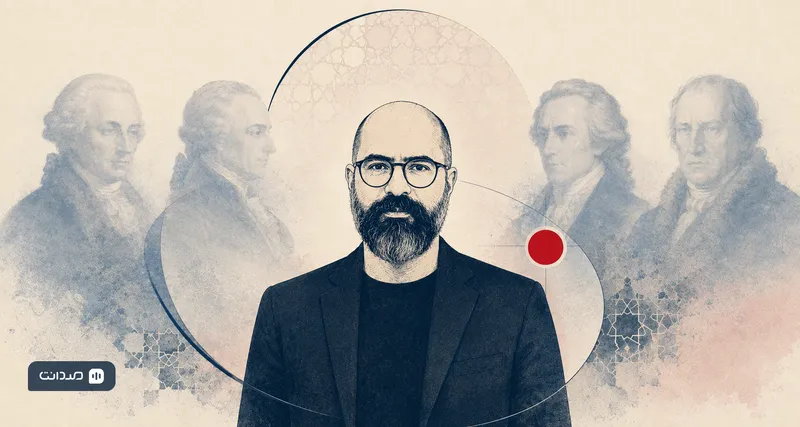
Author: Saeed Houshyar
.
.





Discussion0 comments
No comments yet; let yours be the first voice.