Philosophy
Retreat to Philosophy: Morad Farhadpour Speaks in an In-Depth Interview About His Context and Times
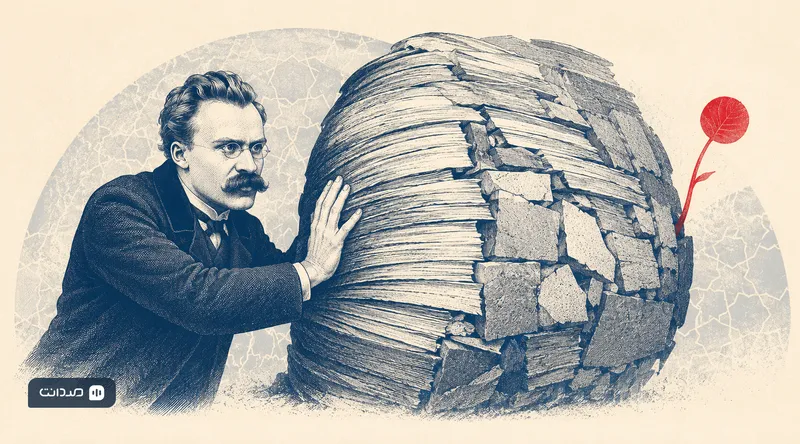
Morad Farhadpour sees the left's defeat—from the 2008 crisis to the suppression of the Arab revolutions—as a sign of the triumph of capital and states, a moment when the charge of 'retreating into philosophy' is levelled and hope grows dim.
After 2008 and that economic crisis which many thought was a new model of economy and politics, but they were soon disappointed. Syriza in Greece, the Arab Spring, and Brexit (Britain's exit from the European Union), all of which were the politics of failure. The latest example of that was Trump. In this situation, that is, following the failure of hopes, however illusory, where is the Left heading? What is going to happen to the Left? A Left that has lost its capacity in the real arena. That is, the masses, as the primary reference point for the Left, no longer even trust it.
In some cases, the very word 'Left' in the context of the European experience was nothing but state centrism. From Blair to Mitterrand, who implemented the dirtiest neoliberal policies and also participated in wars. They generally channeled the entire revolutionary capacity of the first half of the century into a fruitless and useless parliamentarism, and ultimately the Left became a name for compromise with existing reality (under the guise of a bit of window-dressing like social democracy), and then came the matter of choosing between bad and worse, and after that, the issue of securitization and the war on terror. It seems to me that the matter of the Arab revolutions was something else, and as it happens, they fell victim to the various interventions of global and regional powers to wreck a popular movement, a movement that was truly a movement of the poor against the sheikhdoms and the accumulation of capital in the Persian Gulf.
The suppression of the Arab revolutions disappoints me because even when, in a very event-like manner, a revolution erupts with a spark in a region—which is by no means a miraculous matter—we still observe that they crush the people with state power and the overt and covert interventions of security organizations and the like. In such a situation, I think, apart from that strange fantasy that one day the whole world will revolt together, which is more of a fantasy, wherever something happens, the sheer force of the state and other states, with the participation of international corporations, can on the whole suppress it with naked violence and prevent a chain of revolutionary movements from starting that could stop the failure and provide solutions outside the crisis, the result of which would not be that a thieving, lying, debauched billionaire is elected as the representative of the poor American workers. Whether something other than the bankrupt Mitterrand- and Blair-style Left can emerge that has a social and historical effect is a question for me. It is right here that the accusation of a 'retreat to philosophy' can be raised. However, I am historically open to supporting wherever something happens, but considering the conditions of the balance of power, which technology and science have placed at the disposal of states and capital, and the fact that capitalism itself creates the standards of measurement, I doubt that anything can be achieved.
.
.
Complete PDF file of this conversation
.
.
Retreat to Philosophy: Morad Farhadpour Speaks in an In-Depth Interview About His Context and Times
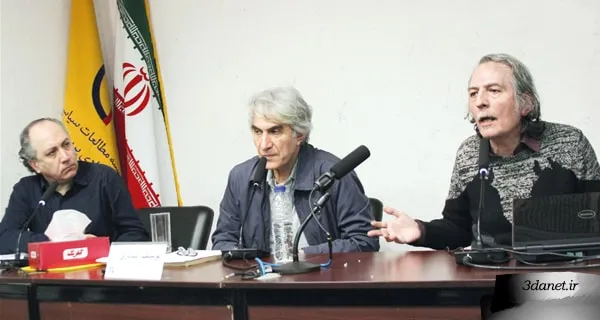
Interviewers: Ali Varamini, Babak Ojaghi, Mohsen Azmoudeh
This interview was previously published in the Etemad newspaper
.
.

Discussion1 comments
این مصاحبه را صبح در سایتتون دانلود کردم و خواندم. اول اینکه این مصاحبه در پس زمینه اش عکس سایت تز دوازدهم را زده یعنی سایت مراد فرهادپور را و نه روزنامه اعتماد را، من فکر میکنم این متن مصاحبه کامل با فرهادپور است که روزنامه اعتماد یک نسخه کوتاه شده اش را در روزنامه چاپ کرده است اگر امکانش هست متن روزنامه را هم بگذارید ببینم این روزنامه به اصطلاح اصلاح طلب چه بخش هایی از این مصاحبه را چاپ نکرده است. در ضمن مراد فرهادوپور خوب است لطف از ایشان بیشتر مدلب بگذارید.