Philosophy
Morad Farhadpour's Lecture Series on Nihilism
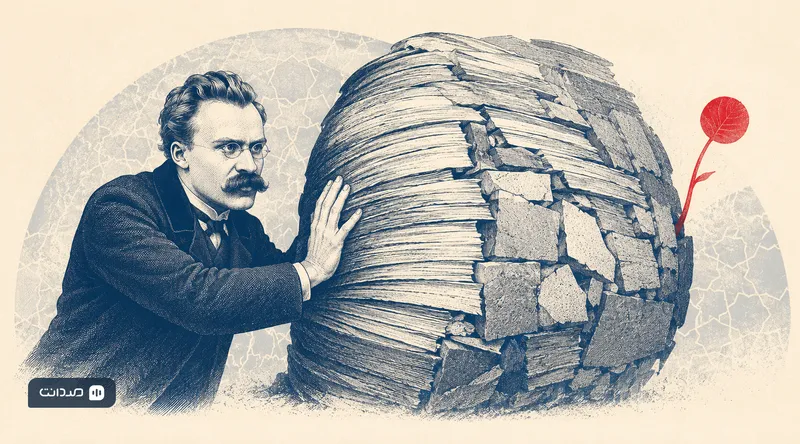
Nihilism is not merely the devaluation of values, but an era of exploding meaning and plurality. Drawing on Nietzsche, Morad Farhadpour sees it as a consequence of Christian morality and a characteristic of modernity in which the mechanism for creating new values collapses.
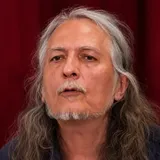
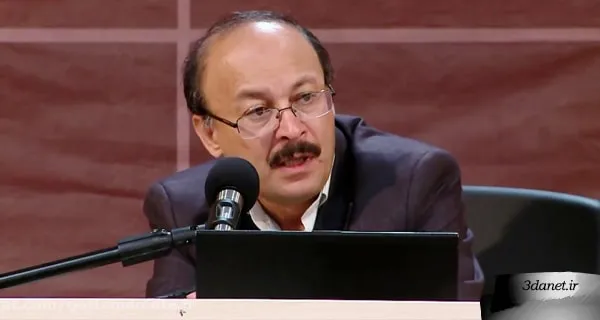
Morad Farhadpour
مدرسNihilism is a concept that, apart from its philosophical connotations and theoretical complexities, is also meaningful in the everyday and personal experience of individuals. To put it simply, and as Nietzsche states, nihilism can be defined as the devaluation of values. Almost everyone (even if they have never heard the term nihilism) confronts the experience of meaninglessness and the destabilization of their value systems in some way. Older generations constantly lament the eclipse of values and the ways of the past, how the "valuable" things of the past have been lost and have lost their meaning, how morality no longer exists, how the youth have become insolent, and so on. In fact, every generation feels this way toward the generations that follow it and toward the current state of values. Or, as Zupančič points out, it is the very nature of values to be perpetually in crisis.[1] The atomization of individuals, the cooling of relationships, the intervention of abstract forces (the state and capital) in the personal lives of human beings, the generation gap, the loss of values and the ways of the past—these are all examples of the experience of nihilism in the broadest sense of the word. Thus, we are dealing with an abstract concept, and to give it more concreteness, we must raise historical and philosophical discussions about nihilism; The Will to Power, On the Genealogy of Morality (Nietzsche), The Shortest Shadow (Zupančič), Nietzsche and Philosophy (Deleuze), are among the texts we will address in these sessions and through which we will advance the discussion of nihilism. The most important point to note about nihilism is that the devaluation of values, meaninglessness, and lack constitute only one of the two faces of nihilism; the other face is, on the contrary, a kind of explosion and proliferation of those very lost things. The age that suffers from meaninglessness and the loss of values is, as it happens, the very age of the explosion of meaning and diverse values. This explosion of different lifestyles, various cultures, the accumulation of meaning, and basically what we know as postmodernity and multiculturalism, is the other side of this nihilistic lack. Relativism, which has almost become the dominant tendency of our time, reflects this very nihilistic condition in which no value system, no particular culture or tradition, is able to impose itself as a rigid framework. The clash of different cultures and value systems, the encounter with the other, reveals the groundlessness of our own value systems; a system (the Church, for example) that previously determined everything and gave coherence to various values and beliefs has now lost its authority. One easily becomes suspicious of any institutionally existing value system and finds it difficult to resolutely defend a particular tradition or dedicate oneself to a universal project. But this nihilistic passivity is only one aspect of the situation; on the other hand, fundamentalism, in its various forms, emerges as a reactionary response to nihilism. The terrorist who blows himself up in London is himself a product of England and educated in the institutions of the very country he confronts. The issue of minorities, immigrants, and refugees, as the other, their culture and value system, becomes a problem. It is as if liberalism, by welcoming the other and their different culture and lifestyle, calls us to tolerance—that we must endure differences and indeed be receptive to them. But what we observe in practice is an entirely different phenomenon; this tolerance can only persist as long as the other does not transgress its limits, as long as it does not become too much like us. The other envisioned in the liberal approach is a castrated and neutralized other from the outset, whose behavior is only attractive and spectacular as long as it remains a tourist phenomenon, like the unconventional dance and music of African tribes, which becomes an "exotic" cultural spectacle because of its unfamiliar and strange form. This cultural tolerance and celebration of differences is by no means synonymous with accepting the other's value and meaning system. The gap between different cultures and value systems persists and creates tension. Alongside this multiculturalism and relativism, on the other hand, we have witnessed an effort to achieve universal and global values that were supposed to put an end to human catastrophes. The founding of the United Nations after the World Wars is an example of this endeavor to reach an agreement and consensus. اما سازمان ملل نیز، عملاً سازمان دُوَل از آب درآمد و منطقی که از آن پیروی میکند نیز منطق قدرت است؛ چگونگی تفسیر اعلامیهی حقوق بشر و تصمیمگیری دربارهی چگونگی اجرای مواد آن در کشورها خود تبدیل به معضل شده است، برگزاری اجلاسهای عظیم جهانی برسر موضوعاتی همچون بحرانهای زیستمحیطی، صرفاً به فسخ توافقات پیشین میانجامد (برای مثال نشست کیوتو در دانمارک را در نظر بگیرید).همهی اینها حاکی از آن است که مسئلهی نیهیلیسم نهتنها حلناشده باقی میماند، بلکه حتی نمیتواند به درستی صورتبندی شود و به اندیشه درآید. نیچه نیهیلیسم را بطور درونماندگار از خود سنت مسیحی بیرون میکشد و آن را نتیجهی ضروری اخلاق مسیحی قلمداد میکند. میل مسیحیت به دستیابی به حقیقت، آن هم بدون هیچگونه ملاحظهکاری و سازش، ارزشها و نظام معنایی خود آن را سرنگون میکند. آرمان زهد (ascetic ideal) مسیحیت، آن چیزی است که در نهایت تیشه به ریشهی همهچیز، ازجمله خود مسیحیت، میزند و به نیهیلیسم میانجامد. بدین ترتیب والایش، والایشزدایی را به همراه میآورد. هرچند نیچه در اینجا بطور خاص، از نظام ارزشی اروپایی حرف میزند، اما در تبارشناسی اخلاق خاطرنشان میکند که این فروپاشی، سرنوشت گریزناپذیر هر نظام ارزشی است. ظهور پروتستانیسم، تجلی همین صداقت مسیحی است که در شکاف و دوگانگی میان امر ابژکتیو و امر سوبژکتیو ریشه دارد، یعنی مسیحیت به مثابه نهاد (کلیسا و کاتولیسیسم) و مسیحیت به مثابه ایمان فردی. برای مثال ماجرای پاپ و آزارجنسی کودکان توسط کشیشها را در نظر بگیرید. لاپوشانی جنایت کشیشها بهخاطر حفظ آبروی کاتولیسیسم و نهاد کلیسا از جانب پاپ، به هیچ وجه پذیرفتنی نیست. آنچه نهایتاً از مسیحیت برجای میماند یا اسکلتی است بدون گوشت (یک نهادِ صرف)، یا گوشتی بدون استخوان (صداقت الحادی، ایمان فردی، یا همان نیهیلیسم منفعل). بدین ترتیب، (و همانطور که زوپانچیچ تأکید میکند) نیهیلیسم نزد نیچه، مبین چیزی بیش از صرفِ فقدان یا نادرستیِ ارزشها است، درواقع چیزی که با آن روبروایم فقدان قدرت یا مکانیسمی است که قادر به خلق ارزشهای جدید باشد. محتوا بخشیدن به مفهوم نیهیلیسم، درگرو درک آن به عنوان مقولهای تاریخی و روشن ساختن پیوند آن با مدرنیته است. دوگانگی و تناقض درونیای که از آن نام بردیم، خصلت مدرنیته نیز هست. مدرنیته را میتوان در ارتباط با دو معنای کلمهی critical تبیین کرد؛ critical در یک معنا به مفهوم بحران (crisis) و در معنای دیگر به مفهوم نقد (criticism) به کار گرفته میشود. نقدی که تمام چیزهای سفت و سخت را به چالش میکشد و هیچ پایگاه محکمی برجای نمیگذارد، و بدین ترتیب به بحران میانجامد. دیالکتیک میان دوسویهی سازنده و تخریبی، تاجایی پیش میرود که آدمی درمییابد که گویی نقد سازنده همان نقد تخریبی است، به بیان دیگر نمیتوان مدرنیته را به یکی از دو وجه ساختن یا تخریب فروکاست، بلکه با دیالکتیک میان این دو طرفیم بطوریکه هر ساختنی دربردارندهی نوعی تخریب است و هیچ تخریبی صرفاً جنبهی سلبی ندارد. درواقع هر موضعگیریای باید تکلیف خود را با این درهمتنیدگیِ سازندگی و تخریب روشن کند. برجهایی که یکی پس از دیگری در تهران قد علم میکنند، صرفاً نشانگر سازندگی و پیشرفت نیستند، بلکه برای بسیاری، خصوصاً آنانی که تجربهی چنددهه زیستن در تهران را دارند، متضمن تخریب باغها و بسیاری عمارتها و بناهای قدیمی نیز هست. اساساً زیستن در تهران، آدمی را آشکارا با این فرآیند بیپایان خراب کردن و ازنوساختن روبرو میکند. درک نیهیلیسم، مستلزم تشخیص رابطهی میان این دو است. فهم نیهیلیسم به منزلهی نوعی مرض یا عارضه، وجه سازندهی آن را از نظر دور میدارد. هوسرل از بحران علوم اروپایی دم میزند، بحرانی که مبانیِ علمی اروپا را متزلزل ساخته و اکنون وظیفهی اروپاییان خوب آنست که به این بحران پایان دهند. هرچند هوسرل بهخوبی وجود این بحران را تشخیص میدهد اما آن را به علوم محدود میکند و همچنین وجه سازندهی این بحران را درنظر نمیگیرد. هوسرل نیهیلیسم را عارضهای میانگارد که گریبانگیر اروپا شده است، غافل از آنکه نیهیلیسم به منزلهی یک منطق یا رژیم یا ساختار عمل میکند و نمیتوان آن را به یک عارضه فروکاست. هایدگر نیز تأکید میکند که نیهیلیسم صرفاً یک نوع جهانبینی (Weltanschauung) نیست که در یک مقطع خاص رخ داده باشد. هرچند هایدگر نیز نیچه را در چارچوب مسائل فلسفی محدود میکند، چراکه قصد دارد او را به عنوان آخرین متافیزیسین ترسیم کند، نزد هایدگر، نیهیلیسم نیچه بیشتر ازآنکه امری تاریخی باشد، مقولهای هستیشناختی است که بر اثر فراموشی پرسش از مسئلهی هستی، رخ نموده است. اگر بخواهیم، ارتباط نیهیلیسم را با زندگی صورتبندی کنیم، باید بگوییم که نیهیلیسم تؤامان مبین نوعی فقدان و مازاد در زندگی است. درواقع باید از سویی با فقدان نیهیلیستی سرکرد و از سوی دیگر بر آن فائق آمد، این فائق آمدن همیشه مستلزم نوعی افراط است؛ آدمی پیوسته میان سرخوردگی خلأ ناشی از این فقدان و کنشهای افراطی برای چیره شدن بر آن دست و پا میزند. توگویی زندگی نیهیلیستی از یکسو نیازمند مخدر و مسکن است تا بتوان انبوه نشانهها و تصاویر و معانی متکثر را تاب آورد و به طریقی از جهان فاصله گرفت و نیروی زندگی را رام کرد و از سوی دیگر نیازمند روانگردان و محرک است تا بتوان آن مازاد را به زندگی افزود، گویی زندگی کردن و لذت بردن همواره نیازمند نوعی فراتر رفتن از مرزهای واقعیت موجود و به دست آوردن یک تجربهی افراطی و خارج از حدود عادی زندگی است. زوپانچیچ به ترکیب زاناکس (مسکن) و الکل (محرک) به عنوان دو عنصر جدایی ناپذیر این زندگی اشاره میکند. نمونهای از این را میتوان در سریالهای عامهپسند غربی در مورد خونآشامها دید. خونآشامها هم واجد نوعی مازاد زندگی، نوعی نیروی برتر و خارقالعاده اند، اما همچنین از یک فقدان ریشهای نیز رنج میبرند، اینکه آنها روح ندارند و به بیان دیگرundead هستند. فناناپذیریِ آنها به معنای لذت بردن بیحد و مرز از زندگی نیست، بلکه پیشاپیش جوهر زندگی از آنها سلب شده است. توگویی خونآشامها نمایندهی سرشت نیهیلیستی حیات انسان مدرناند، نمیتوان بسادگی گفت انسان مدرن زنده است، بلکه او صرفاً مرده نیست. اگر بخواهیم این قضیه را در چارچوب اصطلاحات خواست و اراده صورتبندی کنیم باید بگوییم که انسان از یکسو با نوعی «اراده نکردن/نخواستن» (نیهیلیسم منفعل) و از سوی دیگر با «اراده کردن/خواستِ هیچ» (نیهیلیسم فعال) روبروست. در هر حال، به نظر میرسد آدمی نهایتاً میان این دو اراده کردن هیچ را برمیگزیند، یعنی همان کنش افراطی، همان خواستن چیزی بیشتر و فراروی از مرزها.
Nihilism is not a concept to which one can ascribe a positive totality; even in the texts of Nietzsche himself, as the philosopher to whom theorizing about nihilism is principally attributed, one cannot find anything like a coherent theory of nihilism, and this cannot be attributed merely to Nietzsche’s fragmentary writing style but relates more to the nature of the concept of nihilism itself. In fact, nihilism indicates more of a rupture, which, although specifically related to modernity, in a way encompasses the whole of history, in the sense that it represents the constitutive exception of reality. Marx, Freud, and Nietzsche each trace a kind of void, tension, and rupture in the modern world, and trace the gap and void in history. What remains of Marx’s critique of political economy is not a kind of economic determinism or a theory proving the possibility of socialism, but (critically) a crisis that is intrinsically tied to the capitalist economy. In the case of Freud as well, the concept of the unconscious represents the constitutive gap of the subject, that part of the subject that can never be directly symbolized. That part of the theories of Freud and Marx that seeks to assume a general form always itself turns into a kind of ideology; what remains of Marx’s and Freud’s critique is not a transhistorical theory, but precisely this gap and void. The same holds true for nihilism in Nietzsche; nihilism cannot be considered a general, transhistorical theory in the positive sense of the word; rather, nihilism appears in the form of a painful and dark point in reality, a kind of rupture. Just as the idea of crisis resists turning into the ideology of historical materialism, and the idea of the unconscious resists turning into an ideology in the form of dominant psychoanalytic institutions. With such an understanding of the concept of nihilism in Nietzsche, we can distance ourselves from Heidegger’s critique of Nietzsche. Heidegger claims that Nietzsche is still engaged in an ontological and theological view of philosophy. According to Heidegger, the will to power attempts to explain beings, and the eternal recurrence of the same represents Being in Nietzsche’s philosophy. But it seems that Nietzsche, contrary to Heidegger, instead of ontologizing history, historicizes ontology. And what Heidegger calls the Destruction of Metaphysics and attributes to himself applies in a far more tangible way to Nietzsche, because instead of proposing a concept called Being that covers everything like a shroud, Nietzsche critiques the various aspects of Western history, morality, philosophy, and life, and is far more engaged than Heidegger with the concrete critique of the reality surrounding him, something that is clearly observable in Nietzsche’s critique of the greatest musician of his time, Wagner. Nietzsche addresses nihilism under two themes. One is Christian morality (that nihilism is the result of the unfolding of Christian morality itself, that the search for truth prevents the Christian individual’s compromise and self-deception); there is also another perspective that pursues nihilism in relation to epistemology and in connection with the concept of reason. In Nietzsche’s view, metaphysical concepts are embedded in our mode of relating to reality, and when these concepts are drawn out and subjected to reflection, this reality itself collapses. Metaphysical concepts such as unity, truth, or the purposiveness of nature, etc., are metaphysical concepts that humanity itself has embedded in reality and projected onto it, and the moment these concepts are challenged through reflection, the world constructed by them disintegrates. This disintegration, resulting from awareness of the process of reality’s construction, leads to nihilism. In fact, the emergence of nihilism occurs immanently and is not an affliction imposed on us from the “outside,” against reason and meaning, destroying our values. Now, following Taylor’s essay on Nietzsche, several ideas can be addressed. First, that what we understand as metaphysics is the domination of subjectivism over nature and reality. The subject imposes its own inner representations and concepts upon external objects. Behind every metaphysics (even the objectivist metaphysics of science), a kind of subjectivism is hidden. It is on this basis that Nietzsche points out that the subject presupposes the concept of substance, and not the other way around. The subject attributes a kind of substance to every object, but it is the concept of the subject itself that necessitates the existence of a kind of substance for objects. The subject’s desire for immortality, domination, coherence, etc., presupposes the existence of a kind of unchanging substance in objects.
بر همین اساس است که نیچه جای دیگر از ناممکن بودن معرفتشناسی حرف میزند، (در اینجا نیچه به هگل، در ابتدای پدیدارشناسی نزدیک میشود، آنجا که هگل اشاره میکند که آگاهی نمیتواند مستقیماً خود را موضوع خود قرار بدهد، بلکه همواره به یک آگاهی دیگر برای نقد آگاهی ما نیاز است) آگاهی، همچون چاقویی که دستهی خود را نمیبرد، قادر نیست خود را مستقیماً واکاوی کند. به زعم نیچه، آنچه ما واقعیت میدانیم، نوعی آفریدهی هنری خود ماست، ناشی از میل ما به ارزش ساختن است و وقتی این حقیقت را از خود پنهان میکنیم به نوعی عینیگرایی گرایش پیدا میکنیم (این تصور که واقعیتی مستقل از ما بطور خودبسنده وجود دارد، یا این تقابل که ازیکسو جهانی محسوس و پدیداری و از سوی دیگر جهانی فی نفسه وجود دارد). به همین دلیل است که از نظر نیچه، تحمل بیمعنایی معیار قدرت است، در اینجا میتوان نیچه را با لکان مقایسه کرد، آنجا که لکان از سوژهای صحبت میکند که قادر است درک کند که خودِ دیگری بزرگ و عرصهی معناداری نیز در نهایت نامنسجم است («دیگری بزرگ وجود ندارد») و قادر نیست هویت و معنایی مستحکم و همیشگی برای سوژهها فراهم کند. تحمل این بیمعنایی را میتوان سویهی مثبت یا فعالانهی نیهیلیسم دانست. تقریباً تمام مضامین فوق در مقالهی بسیار مهم در باب حقیقت و دروغ به مفهومی غیراخلاقی گرد آمده است. اینجا نیچه نشان میدهد که حقیقت چطور خود ساختهی تخیل و زبان است. حقیقت بدین مفهوم با نیازها و مقتضیات تداوم حیات بشر گره خورده است. البته حقیقت نزد نیچه، در دو سطح مطرح میشود، نیچه حقیقتی که در عرصهی نمادین (ایماژها و استعارهها و مجازهای مرسل و ارزشها و…) جستجو شود را به شدت رد میکند و در مقابل از حقیقتی سخن میگوید که (به بیان لکانی) منزلت آن امر واقعی است، حقیقتی بیمعنا. نباید گمان کرد که از این صورتبندی از حقیقت، باید نوعی نسبیگرایی را نتیجه گرفت. باید در نظر داشت که مفهوم منظرگرایی نیز، نزد نیچه، به هیچ وجه مبین نوعی نسبیگرایی نیست (این تصور متعارف و روزمره که «هرکس از منظر خود به واقعیت نگاه میکند» و هرکس سلایق و دیدگاه خود را دارد)، بلکه شبیه به آنچه ژیژک مفصلاً در کتاب Parallax View شرح میدهد، منظرگرایی نیچه حاکی از رابطهی هستیشناختی میان منظر سوژه و چگونگی نمایان شدن ابژه است، اینکه چطور نگاه و منظر سوژه، امری خنثی نیست که دخالتی در واقعیت ابژکتیو نداشته باشد، بلکه اساساً منظر سوژه، (چگونه) پدیدار شدن ابژه را ممکن میکند. حقیقت، امر واقعیِ همبستهی هر پدیدار، از دل تغییر منظر رخ مینماید، هنگامی که حین نگاه به ابژهای واحد، نوعی تغییر منظر انجام میگیرد، نوعی تنش میان چگونگی پدیدار شدن آن سربرمیآورد؛ به بیان دیگر نوعی شیفت و جابجایی سوبژکتیو، موجب تغییری هستیشناختی در خود ابژه میشود و تفاوت حداقلی ابژه را آشکار میسازد. در نهایت، اساساً آنچه این تفاوت حداقلی و شکاف را در ابژه وارد میکند، خود این واقعیت است که سوژه به ابژه نگاه میکند. نگاه سوژه، در هیئت نوعی شکاف، در ابژه لحاظ شده است و آنچه مانع از انطباق ابژه با خودش میشود، نگاه سوژه است که به طور ابژکتیو در ابژه وجود دارد. اگر به طور مثال به بحث مارکسی بحران بازگردیم، و نمونهی بحران اخیر سرمایه داری را در آمریکا و اروپا در نظر بگیریم، میتوان دید که چگونه خود تلاش و تحرک برای پیشرفت و پویایی به بحران میانجامد، مشاهدهی این وضعیت مستلزم ایجاد نوعی شکاف در واقعیت ظاهراً منسجم و بیخلل سرمایه داری است، این شکاف انداختن به میانجی نوعی تغییر منظر در خود واقعیت سرمایه داری انجام میگیرد، نوعی شیفت از منظر Main Street به Wall Street و تنشی که میان تفاسیر این دو از پدیداری واحد، بحران، ایجاد میشود. این بدین معنی نیست که از دو منظر به چیزها نگاه کنیم، بلکه بدین معنی است که با ایجاد شکاف در یک منظر، آن را به دو بدل کنیم. این شکاف که یک را به دو بدل میکند، همان تفاوت حداقلیای است که هر چیز را از خودش جدا میکند و مانع انطباق تمام و کمال آن با خودش میشود. (برای بررسی دقیقتر این دوگانگی حقیقت نزد نیچه، و نقد منظرگرایی، به کتاب زوپانچیچ رجوع کنید.) حال اجازه بدهیم با پرداختن به مشهورترین کتاب نیچه، چنین گفت زرتشت، به بحث ادامه دهیم. کتابی که به سبکی mock-biblical نگاشته شده است، سبکی که کتاب مقدس را به سخره میگیرد. خود عنوان کتاب، مبین تلاش برای سخن گفتن در وضعیتی نیهیلیستی است، آیا هنوز امکان سخن گفتن وجود دارد؟ آیا هنوز میتوان آموزهای ارائه داد؟ آیا در دوران مابعد نیهیلیسم میتوان از ارزشهای جدید سخن گفت و ارزشهای جدیدی را بنیان گذاشت؟Nietzsche considers this book “a book for everyone and no one.” Thus Spoke Zarathustra is, on the one hand, a book for everyone because everyone is somehow entangled with nihilism, and on the other hand, a book for no one because it is by no means clear whether the possibility of understanding and speaking affirmatively still exists at all. It is evident that the possibility of disseminating values in a prophetic manner does not exist; Zarathustra fails in this endeavor, and the course of his speeches turns inward, and he speaks to himself. The book ends with a kind of yes-saying to this situation, the eternal recurrence of the same—that one must will whatever one wills for all eternity. Now, why is speaking so important here? Speaking here must be considered in the sense of creating new discourses, a speaking beyond nihilism. In the first stage, as we said, Zarathustra appears in the guise of a kind of prophet, a prophet who gathers people and recounts his teachings to them, but it seems one cannot speak of new teachings by forgetting the past and the tradition that existed before. The problematic issue here is precisely the separation of existence from time; in fact, we must allow temporality and historicity into the arena of creating our own values. A kind of Kierkegaardian leap to leave the past behind is not possible, and this past remains present. In other words, we must set aside the spirit of ressentiment regarding the past, to the point where we will the past’s “thus it was” as our own will and desire, and it is in this way that we can free ourselves from its weight. What returns in the eternal recurrence of the same, contrary to Heidegger’s conception, is not something identical in the strict sense of the word. What returns is sheer occurrence and pure contingency itself, and it is in this way that one can come to terms with time and accept its occurrence. Overcoming nihilism is where we make that occurring and singular moment, that particular object of our will and desire, eternal—that moment which we will for eternity. It is here that meaninglessness reaches its peak; this very occurring and accidental thing, this very poverty and destitution that the subject confronts, is made eternal and everlasting. Overcoming nihilism requires the eternal willing of this very specific moment and this very particular thing. This can be seen as a kind of gambling, a kind of throwing of the dice. But without overcoming ressentiment, without overcoming the spirit of revenge against the past, such a yes-saying is not possible. Let us refer to the parable in the book itself, the parable that best depicts that nausea and revulsion arising from nihilism: the image of a young shepherd who has fallen asleep beside his flock, and in the meantime, a snake has crawled into his mouth. The shepherd represents pure and healthy life and vitality, and in contrast, the snake penetrates into the shepherd to hollow out his life from within. Zarathustra does not advise him to pull the snake out, but rather asks him to bite off the snake’s head. We must actively accept that all values, “truths,” and so on are all historical products. Another point must be noted regarding time. We saw that creating new values by forgetting past values is impossible, but another form is that, instead of setting aside the past, we cling to it with a kind of nostalgia and traditionalism, an act that entails a kind of ressentiment toward the future and the present, and an illusion about a lost past—a past whose essential nature is nothing other than being lost and irrecoverable. In a part of this book, Zarathustra encounters an individual who speaks in dispraise of the city and, with his rustic “honesty,” expresses disgust for the city and rails against city-dwellers. Although this individual correctly points out some tensions and contradictions of the city, the position from which this madman speaks calls the truth-content of his speech into question. It is for this reason that Zarathustra, despite acknowledging the correctness of some of this individual’s critiques, expresses his disgust for him, given his resentful stance. In the same way, in the current situation as well, (for example) attacking the West and criticizing it does not, in itself (even if its content is correct), contain any truth. The position from which the critique is launched cannot be separated from the content of the critique.
[1] – See Alenka Zupančič, The Shortest Shadow, p. 72
.
.
Audio of Morad Farhadpour's Lecture Series on Nihilism
Audio of Session One
Audio of Session Two
Audio of Session Three
Audio of Session Four
.
.
Morad Farhadpour's Lecture Series at the Porsesh Institute, Ordibehesht 1389
.
.

Discussion2 comments
با درود با توجه به اینکه قبلا متن سخنرانی را در تلگرام گوش کردم و برایم راهگشا در پی گیر بحث نیهیلیسم شد با خواندن این متن نوستالژی صدای فرهاد پور در من ایجاد گردید خواستم از زحمات ایشان در اینجا تشکر نمایم
وبلاگي كه براي منابع آخر درس اول معرفي ميشه را اگه بنويسيد ممنون ميشم. تشكر از شما