Political Science
Reza Davari Ardakani: I have failed, and I accept this failure
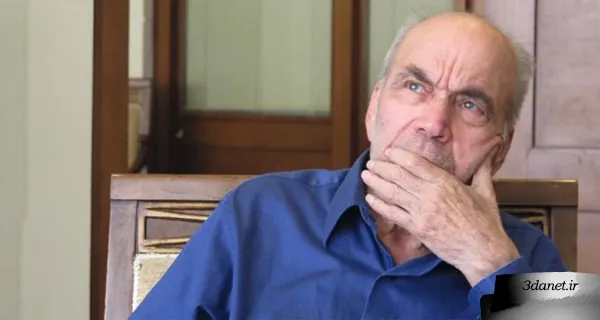
At ninety, Reza Davari Ardakani looks back on sixty years of philosophy and accepts defeat. Rejecting accusations of serving the regime, he attributes the silences and insults to a lack of historical thinking, and laments the disregard for his writings.


Reza Davari Ardakani
AuthorI have failed, and I accept this failure
An exclusive article by Reza Davari Ardakani for the quarterly Siyasatnameh on the occasion of his ninetieth birthday, in issue no. 27 | Summer 1402
It is now sixty years that I have lived and continue to live with philosophy, remaining faithful to it, and I have never let my pen stray from obedience to the principles of my own thought. I do not claim that I have made no mistakes along this path, or that everything I have said and written has been correct. No one is immune to error, and I too have made errors; but I have always said and written what seemed right to me, and while writing, I have not considered the approval or disapproval of individuals and groups. Perhaps in my meticulous editing, I may have moderated some views, but I have not changed them; yet a group, and their number is not small, says that my pen has been in the service of the government. Of course, they have not read my writings; but even if they were to read them, they would not retract their claim; for they have accepted the accusation of my being in the service of the government as a principle, and even when they see and hear something contrary to their assumption in my words and writings, they say: "Why didn't you say these things twenty years ago?" And strangely, when I show that I said and was saying the very same thing twenty years ago, they fall silent; but they do not abandon the principle they have accepted. Without being people of considered thought, they have heard, or perhaps sensed, that in my view, their opinions and statements are among the commonplaces of the time and carry no weight or value on the scale of thought and reflection; so instead of discussion and reflection, they have turned to vilification. Their vilification and slander has not been very unexpected for me, and these foul words have never offended me.
The Absence of Historical Thinking
I do not expect philosophy to be met with the welcome of the common people, even if they are schooled; my address has always been to the learned, academics, writers, and journalists faithful to knowledge and the pen. These people are either occupied with their own work and specialized science, or, if they have general knowledge and cultural interests, they usually do not have a very good relationship with historical thinking. The liberal-minded person, just because they feel that liberalism, within historical thinking, cannot be absolute and the end of history, and of course they do not like anyone to doubt this absoluteness, turns away from historical thinking. The groups opposed to liberalism also each have their own specific beliefs and ideologies, and even if they do not understand it, they somehow sense, or are told, that historical thinking is incompatible with their ideology, so they fear historical thinking. I have explained once or twice that in "historical thinking," neither religion is denied, nor liberal democracy, nor any other religion or creed; rather, the important issue is understanding their constitution, function, and their destiny in the future. The liberal democrat and neoliberal ask: Why do you bring up the qualification of "now" and cast doubt on the absoluteness of the existing order, attributing it to a specific time and era? The opposing group also perhaps interprets the acknowledgment of modernity's power and dominance as an acknowledgment of its legitimacy. Scientists and researchers in the exact sciences, and even many social scientists, have nothing to do with historical thought and do not think historically.
Not thinking historically has two very general aspects, and in both aspects, history and the historicity of affairs are ultimately denied: one form is believing in a matter beyond history that determines events and occurrences. The other form is giving primacy to the progress of history with a determined course and interpreting its transformation based on the influence of things and affairs upon one another, and the intervention of policies through the planning and implementation of programs. This latter form is more prevalent in our time, and even those who, in their beliefs, consider all affairs to be in the hand of divine power, believe in the principle of human and societal progress and in the intervention and influence of socio-economic and cultural factors, and also consider planning for progress necessary, or at least effective, in the course of history. For both groups, which are not very far apart, understanding history and thinking historically is very difficult, and perhaps it is for this reason that instead of trying to understand the meaning of historicity and questioning it, they adopt a method of enmity and decree its rejection.
Why the Silence?
No one has discussed the issues I have raised with me over these forty years. Those who agree, mostly young people, have looked upon my writings with kindness and benevolence, while the claimants have done nothing but insult, slander, distort, and clamor. Many readers, academics, and writers have passed by my writings with indifference. Perhaps among the widely read newspapers, except for one or two, they have not even once mentioned what I have said and written over the past fifty years! Has none of the writings of a philosophy professor who has been writing for nearly seventy years been worthy of attention and mention?
Let me clearly recount the unusual situation I find myself in within scientific and cultural circles and centers, and among individuals and socio-political groups. Before that, let me say and repeat that I have not been and am not affiliated with any political faction, group, or party; because the philosophy I believe in prevents me from this path and action. The reason is that although I must think about politics, if I place myself at its disposal, instead of thinking about it, I must obey it. With this conception I have of politics, I should normally be recognized by political groups as an academic who is not a practitioner of political action or the endorsement and rejection of this or that policy, and who says and writes things about politics based on his views; but they do not recognize me as I have described.
Many intellectuals, pseudo-intellectuals, journalists, and both supporters of the government and its critics and opponents consider my position political and, for example, say that I am the ideologue of the Islamic government and have set out to oppose the West and modernity. For this reason, in the eyes of one group, I have committed a great and unforgivable sin, and in the eyes of another, I have become an aid in formulating the ideology of religious government; but by God, I am neither this nor that! I have never been opposed to the West, and if I once said the West is self-centeredness (nafsāniyyat), by "self-centeredness" I did not mean the ethical sense of the word; rather, I interpreted subjectivity as self-centeredness, and I know that because I did not think of the dangers of this boldness in translation, I must be punished for it. The claimant does not accept my apology and exploits this mistake as much as possible, paying no heed to my explanation and denial; because the matter is not based on understanding the issues, but rather they want, by any means possible, to make me pay for my great sin, which is expressing the nature of modernity.
That group which is anti-modernity, disregarding historical thinking, has taken my view on the West and modernity as absolute and has perceived from it the ugliness and filth of modernity. Both groups may have reasons for their perception; because when I was thinking about the end of modernity and considered the Islamic Revolution the beginning of a transformation in the world order, both groups, based on this statement, felt entitled to say that I am an enemy of the West and modernity (because the revolution was an enemy of the West), and another group, on the same basis, concluded that I must be in agreement with and supportive of political opposition to the West and modernity, especially since they saw the West and modernity limited to politics and economic-political-military power.
What I was thinking was that the current world is not only not the world of religion and ethics, but also that humanity, which at the beginning of modernity was considered the pivot of the world's affairs, no longer has hope for the future, and if there is a future, it lies in a return that the human being makes to their origin and beginning, and perhaps with this return, which is accompanied by freedom, a path will open before them. Neither of the two groups understood this meaning and treated it as a poetic phrase, and of course, sometimes they also considered it a reason and sign of opposition to or support for freedom and modernity.
Another point is that the number of readers of my writings is now small; but there are many who, without having read or known, consider me anti-West, an enemy of modernity, and a partner in formulating the ideology of the Islamic government. Or, if they are being kind, they say: "It is good, but there is nothing new in them." Among these people, a group hates me and imagines and believes that I write at the government's command and with the intention of fighting against science, technology, and freedom, and to justify violence and promote fascism and Nazism! If only they were a little less anxious about hostility to science and, to observe the sanctity of the spirit of science, would open one of my books and realize the difference between the content of my writing and their own assumptions, and not speak without knowledge.
What is the matter, and where does this sensitivity, enmity, and hatred come from? Let us suppose that I am a supporter and defender of the Islamic government; but the Islamic government does not have only one supporter among academics and writers. Perhaps many scholars and academics have been partners in the work of the government, and are partners even now; yet my accuser has nothing to do with them and does not take issue with their political stance, and I, if not alone, am among the very few who have committed a great crime to attain position and office. What is this crime? I will tell you; but before that, let me refer to the story of Plato and Dion, and Heidegger and the Nazi Party, which has caused an uproar in recent decades.
Opposition to Philosophers
Do you know that thousands of books and articles have been written about Heidegger's membership in the Nazi Party and his speech as rector of the University of Freiburg, and that even people like Adorno, without realizing what grandeur they were fabricating for Nazism with their statement, have considered Heidegger's philosophy and thought to be a precursor and supporter of Nazism? Regardless of Adorno's remark and the superficial, sensational book—a "loud-sounding drum, empty within"—by a person named Farias, no European or American philosopher has said that the book *Being and Time* and other works of Heidegger have any connection to Nazism. Nazism was a sign of political crisis and a superficial matter related to the crisis of man in modernity, and it had no relation to philosophy. I have never claimed, nor do I claim, that Heidegger did not make a mistake in accepting the rectorship of the university in 1933 and delivering that notorious speech; but this mistake was not specific to Heidegger, and he is not the only thinker who has committed such an error. Many great European writers and poets welcomed Mussolini's fascism and Hitler's Nazism, and today no one blames them, and it is good that they do not blame them. But why do they not cease the uproar over Heidegger being a Nazi? Why do they never speak a word about Ezra Pound, who was a eulogist of Mussolini? I am not saying they should condemn Ezra Pound, but rather I want to say that if Heidegger must still answer for his mistake, why have they shown tolerance and forgiveness in the case of others?
In my opinion, if Heidegger had not put forward a new conception of historical thought, had not considered "modernity" a historical matter, and had not shown "the historical essence of the modern age and the dominant force over it," no one would have bothered with him. Even now, when they have fallen out with him, they create a propaganda clamor, and this clamor has a slight and superficial effect and will not last long; because Heidegger has secured his place in history and his position has been consolidated.
In the matter of opposition to Plato and Heidegger, pay close attention that it was not people of philosophy, nor even philosophers opposed to the philosophies of Plato and Heidegger, who called these two thinkers forerunners and teachers of violence, despotism, and Nazism; rather, this task was undertaken by intellectuals and political writers who opposed Plato and Heidegger from the standpoint of liberalism and neoliberalism, and their words are still repeated in an even more superficial form. Plato was the designer of "rational order in politics." It is true that rational order in accordance with the system of nature was not practical and did not come to be—and can action ever be entirely in accordance with theory? One can question Plato's view, but scholarly and theoretical opposition is different from accusing the philosopher of intending to establish despotism. In fact, attributing thought to personal and group intentions is a sign of estrangement from thought and ignorance of it.
If the accusers of Plato and Heidegger had historical and political understanding, they would notice that Heidegger never expressed any explicit view on politics and had no inclination for political work. Plato, too, who was friends with Athenian politicians and told tales of their affairs, never entered into the work of politics and government, and although among the known forms of government in Greece he preferred aristocracy, in practice he never sided with any government. When Socrates was executed, Plato was still young; at that time, the democrats ruled Athens, and Plato was not aligned with them. Apparently, not agreeing with Athenian democracy has been taken as proof of Plato's belief in despotism and fascism!
Why do they fall out with Plato and Heidegger?
Liberal democracy, social democracy, and the various existing forms of government do not differ from one another in essence, nor are they manifestations of different histories and cultures; rather, they are diverse expressions of a single history and represent degrees of the order, discipline, and coherence of modernity and the globalized quasi-modernity spread across the entire face of the earth. In such a world, where politics does not know its daily duty, considering philosophy as subordinate to politics and in the service of political ends is an obscure aspect of the concealment of reason and the dominance of compound ignorance.
Plato recognized five forms of government: one was "aristocracy," the rule of those possessing knowledge and virtue. Another was "timocracy," whose chief characteristic he deemed to be the pursuit of superiority. The third is "oligarchy," the rule of wealth-accumulators, born from the womb of timocracy. Finally, "democracy," which Plato considered the offspring of oligarchy. He also names another form of government called "tyranny," which is the rule of despots, the coercive, and the unjust. Plato describes the attributes of these governments one by one and deems all of them flawed and deficient. I do not know why those who claim Plato was the teacher of fascism have paid no attention to his critique of timocracy, oligarchy, and the rule of despots! What can we do? This, too, is among the afflictions of our time: that certain scholars, unfamiliar with critique, approach philosophy with a superficial political gaze and degrade it to the level of banal everyday chatter. Plato had no affinity whatsoever with governments based on individual and group whims and desires; he considered governance to be the rule of virtues and law. His emphasis on justice in the book "Politics" (which the Romans called the "Republic"—and this itself indicates that had Plato sided with despotism in politics, they would not have given his book such a name) and his rejection of the Sophists' views, who considered justice to be domination and rule to be the right of the dominant, is sufficient proof of Plato's distance from the ambition for coercion and despotism.
It is also a strange occurrence that in our time, those who are more inclined toward the views of the Sophists have angrily and violently attributed Plato to fascism, and have sometimes deemed his words to arise from a desire for fame, power, status, and rank. Plato holds a position in history that no possessor of rank and status can attain. How, then, could he be in pursuit of office and position? And had he been, he could have attained any position he wished in Athens. Have they been offended by Plato's rejection of the Sophists' views and taken revenge on the philosopher on behalf of their ancestors from two thousand five hundred years ago? Those who say we think with historical memories might consider such probabilities justified.
Heidegger's Crime
Martin Heidegger's situation was different from Plato's. He neither intervened in politics nor even entered into the philosophy of politics. He made one mistake, and that was accepting the rectorship of the university at the beginning of the Nazi regime in Germany. Whoever makes a mistake must pay the price for it; yet how is it that many people commit mistakes and their mistakes are overlooked, perhaps not even mentioned, but out of thousands, one must be constantly interrogated and blamed? He must have committed another sin; otherwise, like dozens of scientists, poets, and philosophers who welcomed Hitler and the Nazi Party and were forgiven, he too would have been forgiven. But if, ninety years after the event, the trial still continues, the accused must have committed a greater offense. What is this offense, or what could it be? Outwardly, he committed no offense; rather, he was calmly engaged, after times of painful thought, in teaching, discussion, and writing. What is there in these teachings, discussions, and writings that has agitated and distressed the guardians of the dominant order of the world and driven them to cries and lamentation?
Husserl—Heidegger's teacher—had said: "Philosophy is nearing its end, and with the end of philosophy, Europe will be destroyed." By Europe, he meant the order of modernity, not that Europe was, in his view, a geographical, political, ethnic, or racial concept. Heidegger elaborated in detail on the end of philosophy and the essence of the new world, demonstrating that in the contemporary world, politics is utterly powerless, and the world is driven by technology with its own specific law, without knowing where this path leads. Heidegger did not deny that Europe has still preserved its particular advantages to some extent; but in his view, European history no longer has a future.
In the world of official politics, where some of its denizens regard philosophy and science as mere appendages to their own pursuits, the assumption is that history is nothing more than the exercise of power by governments and ideologies. When the Soviet Union collapsed, the notion arose that the world's work was finished and that liberal democracy would be the unrivaled form of the world. Even Fukuyama, who knew philosophy, jumped the gun in his haste and wrote the book The End of History, by which he meant the beginning of the permanent and absolute rule of liberal democracy; but the philosophy he had studied soon came to his aid, and he realized he had been mistaken, recanted his error, and abandoned his end-of-history thesis. The important point is that history is not realized in politics or through politics.
Liberal democracy, social democracy, and the various existing forms of government do not differ essentially from one another and are not manifestations of different histories and cultures; rather, they are diverse expressions of a single history and represent degrees of the order, discipline, and cohesion of modernity and the quasi-modernity spread across the entire face of the earth. Just as Western Europe and North America, compared to Eastern Europe, China, and Korea, are more the embodiment of modernity, and these countries, in turn, are closer to modernity than Afghanistan, Turkmenistan, and Syria. Politics is the outward appearance and manifestation of culture and history, and has now fallen into a condition where it no longer knows or chooses its own destination and path. In such a world, where politics does not know its daily task, considering philosophy to be subordinate to politics and in the service of political ends is a horrific, yet invisible, aspect of the concealment of reason and the triumph of compound ignorance.
Plato considered political systems deficient because their possessors were subject to desires: one had a desire for wealth, another for power, yet another for violence and repression, and so on. It is astonishing that someone, in the name of defending freedom, claims that Plato spent a lifetime sitting down to pave the way for the establishment of the violent rule of tyrants and despots and to seek justifications for despotic and corrupt governments—and a great multitude, without reflection, accepts this judgment, so far from knowledge and fairness! Those who, without reflection, following, say, Karl Popper, have distorted Plato's view and labeled him a supporter of despotism, would do well to open the complete works of Plato just once and read several pages of it; they might then realize that Plato's philosophy is not the arena of street-market political squabbles and ignorant, malicious partisanship in politics. But many who claim philosophical knowledge in this age do not read books and feel no need to read books! They are enemies of reflection, inquiry, and thought, yet their enmity is mostly spent on defaming those who disagree with their superficial talk and accepted ideology. Their philosophy, too, is the negation and denial of thought, the declaration of having no need for it, and the preference and endorsement of living unthinkingly.
Martin Heidegger did not turn to philosophy in order to support fascism and Nazism, and in his view, fascism and Nazism were nothing more than a purulent boil on the face of modernity. My advice to those who consider thought in general, and Heidegger's thought in particular, to be a byproduct of his approach to politics and Nazism, is this: if they can, let them reflect on whether it is possible for someone to harbor a superficial, limited, and petty ambition with a simple, even base, motive, and with this base motive be able to cast the design of a new thinking across fifty thousand pages, prepare the ground for opening the way to the future, and have his word leave an impact on all the sciences and affairs of the age?
I do not write these things with the intention of defending philosophy, philosophers, or myself; rather, I am in dialogue with myself. For how can one debate with someone who considers philosophy the product of personal and group ambition, whim, and motive, and a quest for wealth and status? Such a person must first ask themselves: if Plato's philosophy or Heidegger's thought were a byproduct of their violent inclinations, and philosophers became philosophers through these inclinations, why has someone who, with his peculiar art, has combined an affinity for democracy and violence, not become a philosopher and has remained utterly distant from it, even though he imagines he has become one? It is the rule of the world that the wise see their own ignorance, and the ignorant consider themselves wise!
Heidegger is a philosopher, and of course there are errors and flaws in his life and works. For ignorant and pretentious claimants to shout everywhere about the errors and shortcomings of his philosophy—whose intricacies even philosophers grasp only with difficulty—is a bad joke. If this seems strange on the surface, in truth it is not strange; because, as has been said, Heidegger has committed a great sin and must be punished, and the drum of his disgrace must be beaten on every rooftop and marketplace.
He has sought to understand the inner essence of the modern world and has questioned and investigated the principles of progress, historical transformation, political freedoms, and especially the absolutization and idealization of modern science, finding all of these to belong to modern history and, worse still, has declared the end of modernity and its completion. It is clear that these words have a particular resonance and effect on romantic people who imagine and say that the prosperity and freedom that have come about in the developed world will tomorrow come about everywhere, and that peace, prosperity, freedom, and justice will be established everywhere; and those who, heedless of what is happening in Afghanistan, Iraq, Syria, Ukraine, and elsewhere, imagine that a future full of peace, comfort, and hope will soon arrive, and consider tomorrow to be the tomorrow of freedom, righteousness, and prosperity, and label anyone who holds a view contrary to theirs a pessimist—whoever and whatever they may be—are strangers to thought.In their view, pessimists must be put in their place by any means necessary so that they do not sow the seeds of despair and prevent people from attaining freedom, peace, and other human rights. Heidegger, too, who has considered civil liberties, prosperity, and peace to be bound and dependent on time and history, and has regarded the established principles of progress, freedom, power, and human domination over the world as among the principles of modern history and belonging to this era, and has denied their absoluteness, must be punished. By raising such matters, which are very difficult even for people of philosophy to understand, he has turned people away from science, freedom, and technology and called them to support Nazism! Should such a person not be tried and punished? Heidegger deserves reprimand and punishment not for his formal membership in the Nazi Party, but for committing the error of understanding and expressing the nature of the technical-political order dominating the world.
Leaving aside this side of the issue and the vulgar perceptions and futile clamor, his views and works have been discussed, investigated, and critiqued by contemporary philosophers and experts. Among these researchers, there have been and are those who have learned lessons from the philosopher while also having differences of opinion with him; but these opponents are not his enemies, rather they are people of philosophy. The enemies and revilers of Heidegger and other philosophers are not people of philosophy and have no understanding of philosophy; rather, they see philosophy through the lens of official politics and political fame, as a means for propaganda. So it is natural that their punishment regarding philosophy does not harm it much, and philosophy remains alive and its influence, at least in generating self-awareness, continually increases.
If this matter has not taken a different form in the undeveloped world, it is because this world has a cultural atmosphere different from Europe and America. Here, people of philosophy conduct research in the shadow of the great ancient and modern philosophers and philosophers whose views are taught and disseminated everywhere. Intellectuals, too, are mostly followers of ideologies and Western political thinkers who have no depth in philosophy and sometimes even have very little philosophical and political knowledge. These are mostly followers of fame, and some of them, without having any connection to freedom, have set their hearts on the dream of it, and anyone who exposes the baselessness of this dream is, in their eyes, an enemy of freedom.
Two Distinct Groups
In the undeveloped world, social, political, and administrative activists fall into two groups. Of course, there are always and everywhere those who do not belong to any group or sect and go their own way; but considering the prevailing situation, two groups can be distinguished. Of these two, one has fewer pretensions and works according to instructions, unconcerned with the outcome of their work; they must live. So they work to provide a livelihood for themselves and their family, and of course, sometimes, if necessary, instead of working, they merely go through the motions. The other group considers itself responsible and thinks it must do something useful and effective for the country and the people. Among these, intellectuals and pseudo-intellectuals pay more attention to politics and imagine that the important goals of human beings are political goals and can be achieved through politics. And the goal of politics is nothing but the establishment of a government subordinate to an ideology. Without thinking about or considering the conditions of possibility for establishing their desired government, they are lost in the dream of their ideology.
Democracy and socialism have always been a dream in the undeveloped world, and the people of this world have rarely thought about the difficulties that exist on the path to democracy and socialism. If we take the experience of the Soviet Union, the Eastern European republics, China, and Korea as a criterion, communism in the last hundred years has been nothing but a harsh, security-obsessed, and corrupt government. The social democracies of Northern Europe should also be considered more a facet of democracy than socialism; but the governments of the undeveloped world are not instances of any of these.
Whatever politics may be and whatever position and status it may hold, although it is proportionate to the cultural, scientific, and social aspects of life, it is not the ultimate end of life nor the measure of thought, knowledge, and ethics. The reproach directed at a philosopher because their philosophy does not endorse social democracy, communism, liberal democracy, neoliberalism, or any other ideology is incompatible with thought and is more a sign of estrangement from philosophy; especially if liberals and neoliberals utter such a reproach, they have trampled upon their own primary claim, opposed freedom of opinion and thought, and consequently negated the very principles they claim to uphold.
More important than all of this is the perception of political rules, customs, and ideologies as the standard and criterion for judging philosophy, which is, in truth, an inversion of the order of things. With this perception, thought and reason are considered subordinate to common judgment and popular opinions, and the surface is expected to guide the depths; but philosophy does not follow the decree of any ruler, nor is it subject to the personal tastes and desires of the philosopher. Rather, the philosopher is placed at the disposal of their thought, and it is quite possible that philosophy leads them astray in their personal practice and life; that is, they apply the judgment of philosophy to cases where it is not applicable; just as Plato initially did not know that he could not build the just city in Syracuse, and Heidegger initially erred in considering National Socialism the prelude to a new opening in history, and so on… But both soon realized that they had not correctly understood events as they should have.The undeveloped world is a world without proportion
For some to seize upon a philosopher's practical and incidental mistake as a pretext, to consider it the principle and essence of the philosopher's philosophy, and to deem the confession of error inadmissible and unacceptable—their approach is more akin and closer to quarrelsome fault-finding. The philosophy of any philosopher is not necessarily related to a mistake or error they committed in their private life or in socio-political action, and the views and works of a philosopher should not be interpreted based on a mistake they have made. Interpreters who measure philosophy against the everyday affairs of politics are not philosophers. No philosopher conflates another philosopher's philosophy with their errors and mistakes, and generally with their private behavior and life, even if a complete correspondence between the two were to be found. Those who consider the result and outcome of a philosopher's philosophy to be their possible error in life are more inclined toward malice, clamor, dispute, and strife.
Philosophers are not necessarily the sum of all moral virtues, nor are they immune to error and mistake; but those who equate their philosophy with their errors themselves have no relation to virtue—whether theoretical or moral—and cannot be counted among the people of knowledge. These are sophists, people of profit and passion and clamor—illiterate or semi-literate sophists, of course. The emergence of such persons is possible everywhere; but what is worthy of reflection is the influence, effect, and acceptance they sometimes attain. In an underdeveloped society where thought is rare or very scarce, these agitators find greater scope. They are everywhere and among all groups, and their words find listeners; even when they insult or slander people of thought, they meet with no objection from any quarter, and no one asks them why, instead of critique and discussion, they have intruded into the private lives of others. It is as if critique, discussion, and personal dignity have no place at all, and have been replaced by enmity. The underdeveloped world is predisposed to hostility toward thought and people of thought; not that it recognizes thought and opposes it, but rather it is alien to thought and considers it superfluous.
In Defense of Philosophy
In defense of philosophy, I did what I could; but the victory went to those who advanced ordinary, popular talk in place of philosophy, and it was in this arena that I was defeated. In 1978, when I wrote a treatise on the revolution, it met with no reception. The leaders of the government paid it no attention whatsoever, and its name did not even appear in the list of books about the revolution. I had made a mistake and had said that the revolution is not merely political, but could be another beginning! This meaning was not to the taste of the modernizers and offended them. I sometimes think that perhaps it did not please the palate of the revolution’s leaders either. I have said nothing about this until now; I have neither denied what I wrote, nor written anything to prove it. Even when they wanted to reprint it, I agreed to its republication, without making any changes to it.
The printing and publication of this book was an experience for me, and I learned lessons from this experience and cherish them. The experience that governments, whatever they may be, do not value thought, and the masters of ideology are all people of violence, even if they are liberal democrats and neoliberals; and finally, that in the underdeveloped world, differences are very few, the elite are common, and the common people, without effort and with ease, enter the ranks of the elite! Intellectuals, if not to the same degree as those in power, are more or less as violent as they are, and if their violence appears limited to words and utterances, it is because they have no other power to exercise violence. Their talk of freedom, like the rival group’s talk of piety, is mere talk. The account of those who defend religion, knowledge, people’s rights, freedom, and the country’s welfare with heart and soul must be separated from the claims of the sophists who profess to seek freedom and defend people’s rights, and from violent rulers.Writing this book was a defeat for me; because I had addressed it to those who think about moving beyond the current state of the world, and unfortunately, no group was thinking about moving beyond the existing world order, and all, to varying degrees, were committed to the principles of modernity and its cultural and political aspects, and they are still committed to the principles of progress and domination over the earth and the heavens. That book, which was written before the formation of the Islamic government, was, in the claimant’s view, a lesson in violence and opposition to modernity, and afterward, whatever I said and wrote about culture, science, and freedom, they considered it all an endorsement of violence and despotism!
What Must Be Done for the Progress and Development of Science?
For more than thirty years now, at the Academy of Sciences, I have tried to understand what can and what should be done for the advancement and development of science. Science is not a tree that can be planted anywhere and its fruit picked. The tree of science requires a specific soil and water, and a gardener must tend to it. It is true that science appears to be independent of politics, management, economics, and public morality, and scientists and universities, if they wish, can advance it regardless of the spiritual, moral, and economic conditions of society; and if scientists diligently pursue the advancement of science, they will advance it to some extent. But when not only governments but also scientists themselves pay less attention to the progress of science and mistake this progress merely for the quantitative output of research products—and, for instance, in demonstrating scientific progress, say that the professors of a certain university have written several thousand articles in a year—they have mistaken science for brick-making! Writing several thousand articles is important, provided that the articles constitute research and inquiry into important issues and fall within the framework of the country's scientific advancement program. Even if five hundred out of those five thousand articles provide an answer to the pertinent and correct problems of the country's science, a great task has been accomplished. If the university pays attention to the progress of science, recognizes the important and fundamental problems of the country's science, and the material and moral conditions for research and inquiry are provided, it will advance science.
Science advances when the scientist and the country's scientific system have a demand, and society and government also welcome science. These two are concomitant; that is, scientists have a passion for research and inquiry when society welcomes their science and benefits from it, or when society demands science and research from scientists and universities, the university and the scientist also turn to knowledge and research with greater attachment. This concomitance is not accidental but is necessitated by the proportion and interconnectedness among the historical aspects of the realms of human life. In all human realms, this proportion and interconnectedness exists to a greater or lesser degree; but it is not equal, and perhaps at no time is it complete and perfect. The societies of the new world possess proportion and interconnectedness to varying degrees and to some extent, and some societies are almost devoid of this proportion.
The undeveloped world is a disproportionate world. In this world, science exists, bureaucracy exists, politics and management exist, schools, universities, and hospitals also exist; but none are in their proper place, and there is no organic link or proportion among them, and if they have dealings with one another, it is accidental and conventional. One night in a dream, I saw a body with a head shaped like a cone, and this head was placed on a torso whose shoulders were weak and ribs protruding, with a bloated belly and legs like pencils standing on their tips. This body had no ears, but its long tongue hung out of its mouth. Its arms were thin and slender, and its hands were large and unhewn.
I asked, "What is this strange body?" They said, "It is the allegory of the state of underdevelopment!" How can this body, with a head like a spearhead and weak hands and feet, think or act? Or at least manage to observe the rules of order and perform continuous, regular work aimed at a specific result and purpose? Of course, in this world, more or less, discerning and even potentially thoughtful and contemplative individuals can be found; but the allegory of the undeveloped person is that very body described. This strange creature loves pretension, loquacity, fault-finding, unconsidered opposition and agreement, and groundless, misplaced enmity, and passes the time with these harmful and sometimes dangerous preoccupations. It also works, but scattered work, at the wrong time and place, and it is evident that the result of such work is nothing, and perhaps loss.The Horizon of the Future
Let me state one more general point and conclude. In a place and time where the horizon of the future is not clear, the question "What is to be done?" cannot even be raised; because no one recognizes a duty for themselves; everyone imagines they know the path of rectitude, and if we look carefully, we see that no one, or none of the responsible and self-proclaimed authorities, knows what they should do. Governments and organizations make earnest decisions and take bewildering actions; but none of these serve the people's livelihood or the order of the country, and have no effect on improving the situation; because they were not aimed at understanding and resolving the problem. So, when they say, "Enough of theory, we must act," it has only one meaning: that we do not want thought and reflection, and we will not allow the scope of our futile activities to become small and narrow.
They say strange things! Do we have an opinion that we want to put an end to opinion? No, we don’t have an opinion; but we shouldn’t even speak within opinion; if we were people of opinion, we wouldn’t call loss-making wisdom. A wise act is one that has been carried out at the right time and place, to solve a specific problem or to build and craft something necessary and essential. So one must recognize time, place, and need. It is clear that if someone acts according to these principles, they act with caution and hesitation; but this hesitation and caution is unbearable where they want their problems solved in the blink of an eye, with an action and deed whose nature is unknown.
Those who have no problem themselves favor the problem-less and those who don’t know what to do and act in vain! It doesn’t matter what they do and what relation or appropriateness their work has to the situation and occasion. If only those who act in vain did nothing at all and allowed, if possible, for some to carry out tasks with prudence, understanding, by recognizing the need to do them, and with attention to the effects and results they might have; but what can we do when we don’t understand work and don’t know what we should do, and constantly say we must work! If only they would ask once: What work should be done that hasn’t been done so far? And the work they do, why should it be done and what result is obtained from it?All the blame for this scattered activity should not be placed on individuals. When a country’s destination and outlook are not clear and people don’t know where they should go, they also don’t find a path, and in order to have done something, they spin around themselves right where they are! Now, if we ask anyone: what is the problem of this or that organization, they will most likely have an answer and suggest a way. This indicates that they don’t know that major problems, wherever they may be, are interconnected, and there are few problems that can be solved locally and on the spot. Of course, to solve a problem in any place, appropriate actions must be taken there; but until the root of the problem and the problems is not eliminated, local actions, even if carried out with precision and correctness, have no effect. The more fundamental problem is that understanding and making others understand the interconnectedness and continuity of affairs with one another and the necessity of arriving at a general view is very difficult, especially in the undeveloped world, and I, who tried as much as I could to understand it and make it understood, did not succeed.
A Critique of the Current Politics of Science
For thirty years, I have been critiquing the state of thought, opinion, science, ethics, culture, and management. They don’t read my writings, and without reading them, they claim that I write in affirmation and justification of fascism! Those who are not hostile say there is nothing new in my writings; but I myself think I have never spoken a stale word (I hope this is not a self-conceited notion). Isn’t it a great pain that whatever someone does, their pickaxe hits stone, and no effect follows their work, speech, or even their cry? But this too is an experience, and this experience is not unfamiliar in philosophy. I have failed, and I accept failure. Understanding and accepting failure can be a path to understanding the times and becoming attuned to them.
In the last thirty years, I have tried to become acquainted with the state of science in Iran. In this path, I have viewed the course of modern science in the country with regard to the country’s historical and cultural background, and based on that, I have critiqued the current politics of science and have also spoken of the problems of the university’s work; and to some extent, I have addressed the separation between science and industry and the independence of assembly industries and purchased technology from the market from research, and have emphasized the necessity of formulating a development plan and its components, and the concomitance that development has with the advancement of science.
I have discussed the relationship and connection between science and the country's economy, public morality, bureaucracy, and corruption in organizations; I have explained the issue of brain drain and the emigration of scientists, free from political sentiments and interests and superficial psychological interpretations, and I have always reiterated this concern that the uncalculated and ill-considered expansion of higher education might manifest as the spread of ignorance wearing the mask of science. I have deemed the interference of politics in the work of science harmful; I have also called the conforming of science to ideology a futile endeavor. Nevertheless, a person who, whatever else they may be, is not a philosopher and has no share of political understanding, has cried out: "This one is a creature of the wretch-nurturing regime," and a more ignorant person has objected: "Why has someone who is not a historian of science become the head of the Academy of Sciences?" Other ignoramuses have also reared their heads, saying: "So-and-so is a partner in the deeds and policies of the Islamic Republic and in the service of the government, and for the crime of heading the Academy, must be tried and punished!"With which logic is this situation compatible, and what spiritual, intellectual, and moral condition does it bespeak? Is judging people and their work without information, before looking at their work, and in advance, not a sign of ignorance? Ignorance and folly are not remedied or cured by reading a few articles and books. When understanding and wisdom are absent, even if they study lessons and read books for a thousand years, it is of no avail and brings no understanding or wisdom. I have had a view about the revolution; let us suppose it was incorrect, the duty of people of thought is to demonstrate its incorrectness. The world of science and thought is a place for discussion and critique, not an arena of malice and enmity. Instead of critiquing the view, my accusers showed enmity toward my person, and no one told them, nor did it occur to them, to look at the statement, not the speaker.
We have pseudo-intellectuals, not intellectuals!
The state of thought is not a problem for us. We have separated the account of thought from the events and occurrences of history. Our thinking is a report on philosophies, arts, and ideologies; that is, we talk about philosophies, arts, and ideologies and pursue our own work and life independently of them. If we have a view, we have placed it in a room of our mind and protect it so it does not mingle with other matters. Our practice is also separate and is a part of our preoccupations!
For forty years, I have grown accustomed to hearing insults. Before that, I had experienced a more or less similar situation; because I had questions and reservations about the West that were not pleasing to many of the learned people of the time. At that time, they were indifferent to my words, but they did not show enmity. In the last three or four decades, the matter has taken an ugly turn. If the reading public and the scholarly and university community were to show sensitivity to the contamination of the realm of science with lies, slander, interference, and personal and group motives in discussions and views, and not silently endorse the foul language and belligerence of their companions and allies, and remind them that such behaviors are incompatible with the claim of supporting freedom of expression and belief in observing justice and fairness, perhaps the scope of this corruption would be limited, or at least it would not be considered a normal and reasonable matter.
When we do not see the ugliness of our companions' actions and do not give them a reminder, it is evident that we cannot have a beautiful edifice, good relations, and a just world. Unfortunately, now they pay no attention to "view," rather everything is dissolved in "ideology," and the principle is this: whoever is not with us is against us, and they must be eliminated by any means possible, or at least silenced! The easiest way is to defame through fabrication, lies, and slander. This method of confronting an opponent is not exclusive to a particular group; but groups whose hands are cut off from political power have only this means, and in greater need to defend freedom and closeness to truth and morality, they resort to it, and presumably if someone tells them (which usually does not happen): this method is ugly and contrary to morality, they say: firstly, it is not ugly; secondly, it is justified for achieving a good end!The problems of the time and their solutions
What has been said apparently entails a pessimistic view of society and its spiritual, intellectual, and moral condition, and has been particularly unkind to scholars and intellectuals; but in the view of the writer of these lines, scholars and intellectuals hold an exalted position, and if they cannot perform their scholarly and intellectual duty, it is because the turn of time and the state of history are miserly toward them, preventing their knowledge and thought from serving life, and sometimes casting a veil over the circumstances of the time so that they cannot grasp them, nor discern and undertake the work that needs to be done. So the purpose is not to find fault with any person, persons, or groups, but rather to describe the time.
The point is this: Are there those who can find the problems of the time and their solutions, and possess the ability to resolve difficulties and open the path to freedom? If we have no political plan or program whatsoever, why do we not strive to devise one? And if we cannot, why do we not ask ourselves whence our inability comes? When we do not know the way and constantly incline this way and that, it is clear that we remain trapped in repetition within the circle of the present time's disgrace. Drawing attention to this situation should not be considered "pessimism." Are problems resolved merely by saying that everything is as desired, and if it is not, it will be as desired tomorrow? Optimism, as much as pessimism and perhaps more so, pertains to the psychology, disposition, and temperament of individuals rather than to historical discussion and inquiry. The scholar and thinker can be neither optimistic nor pessimistic. I am not saying that no scholar or thinker is pessimistic or optimistic in disposition; one might even accept that a temperament of optimism or pessimism affects at least the manner and arrangement of a thinker's expression. However, one must distinguish moral optimism and pessimism from psychological optimism and pessimism. What is certain in this discussion is that the predicament of the time is not clarified by optimism and pessimism. Thinkers, if they exist, are reporters on the state of the time, not spokespersons for their own particular disposition and temperament.If it is said that "we have no intellectuals, and in their place we have pseudo-intellectuals," this statement is not intended to disparage the writers and artists of the time. In the last hundred years, we have had scholars, writers, translators, literary figures, historians, and so on, and recently hundreds of good books have been translated and relatively good works have been published; but we do not have a single account that tells us what the Constitutional Revolution was, what transformation it originated, and how the country's situation changed with it? Where did its work lead? And finally, what problems arose? And did anyone ponder the difficulties and problems and think of finding a path to rectitude and reform? And if they did, what results did they obtain from their work? Undoubtedly, there have been literate, understanding, capable, well-intentioned men and women who served the country; but it does not seem that it ever happened that they were together, paid attention to one another's views, and advanced matters with mutual understanding, cooperation, and in an orderly fashion.
If I spoke of the miserliness and stinginess of the time, my intention was not that time deprives people of intelligence and the sense of seeking justice, love of freedom, and being moral, but rather that it separates them from one another and takes away their resolve, endeavor, trust, perseverance, and foresight. The time of imitation is the time of separations, dispersions, and confusions. Everything exists, and perhaps some things among all these things are even good, but they bear no fruit for the country! We have a university that trains the best engineers; but these best, whose worth must of course be appreciated and cherished, serve "global science" more than "national science," and no politician or scholar is in a position to fundamentally alter this situation. A university that usually selects talented and outstanding students, has distinguished professors, and is administered with order, does not serve the country as it should; because the country does not have much need for its graduates! Our technology is technology purchased from the market and has no need for research and design. Scholars and professors also write research articles, occasionally outstanding ones; but since the country has no "science plan" and it is not clear which research has priority, the work of scientists, in the best case, is a contribution to the expansion and development of global science and is of little benefit to the country!
In politics, too, there are women and men who possess both understanding and courage, and who grasp the issues of world and national politics to varying degrees; but the work of politics is not accomplished solely by the understanding and courage of individuals. Rather, it requires consensus, the adoption and formulation of a work program and roadmap, as well as resolve, solidarity, and follow-through—and this resolve, solidarity, and follow-through are lacking, and even if they exist, they lack strength. Evidence of this is that in the last hundred years, we have not had a single political party with firm principles and a clear program. The largest and most influential party was the "Tudeh Communist Party," which had nothing to do with the country's politics and, like all or most communist parties worldwide, was an agent of Soviet policy.
The Tale of My Life
Why should I repeat these matters that I have spoken of before on appropriate occasions? I am approaching ninety, and if I were to write memoirs, I would not have done anything unusual; but perhaps it would be more fitting to write the tale of my life instead. From childhood and adolescence, in school, in the alley, and even in a crowded home that was a space of affection and friendship, I was alone. Loneliness can be somewhat endured by reading books and writing. For a time, I, too, wrote for myself; I did not intend to practice writing, but in any case, my work was practice. If writing and discarding what is written is not practice, what could it be? This writing, which was an escape from loneliness, lasted for several years. But I do not know what happened that one day, the managing editor of a newspaper, whom I had met by chance, asked me to write down the things I had told him for publication in the newspaper. I wrote a note and gave it to him. A few days later, the piece was published. When I saw the newspaper, I was surprised, for I did not see my place in that newspaper, and when I recognized its editor, I was even more astonished! It was also not normal that most of the newspaper's writers were, like me, alone. The difference between them and me was that they were older and renowned for their learning and erudition. When the managing editor informed me that my piece had been published, he conveyed a request from the newspaper's owner for me to write something for every issue. I initially refused.
The newspaper's owner was one of the political figures of the years after Shahrivar 1320 and insisted that I write political pieces. I, too, was more prepared for political writing, but not for that newspaper; so I preferred to write philosophy and submitted an article I had translated, titled "In Defense of the Future," for publication, and afterward wrote one or two political articles. I do not know why that newspaper editor liked my writing, and what happened that afterward, my writings were never favored by writers and intellectuals! And strangely, for reasons that need not be mentioned, I did not wish to collaborate with the person who liked my writings! I found a good excuse, for I was assigned to serve in the Ministry of Education in Arak, and since I had been admitted to the doctoral program in philosophy, I devoted myself entirely to the study of philosophy. At the end of this period, I wrote my doctoral dissertation on "Farabi and His Political Philosophy." I did so mostly because I had seen both the philosopher as estranged and his philosophy as having remained estranged. Of course, Farabi attained a great stature in my view because he stood between two great cultures and spoke of their relation, kinship, and the possibility of their synthesis, and it was through this inquiry that he became the "Founder of Islamic Philosophy." When I wrote the dissertation, the professors received it with favor and acceptance, but it received little attention from colleagues and philosophy students.
It is true that now everyone knows Farabi by the title of Founder of Islamic Philosophy, but they did not pay attention to the meaning I had intended by "founding." Perhaps if I had contented myself with writing a report on Farabi's philosophy and had not dealt with his historical position and stature, and had not analyzed the unity of religion and philosophy and the founding of philosophy in the Islamic period, they would have shown it that scant favor. Two or three weeks before I defended my dissertation, Dr. Mahdavi, who was my dissertation supervisor, told me to give a report on my work on Farabi to a gathering of colleagues and doctoral students in philosophy. In that assembly, the correctness of some of my statements was cast into doubt, and even when I showed Farabi's text, the doubts and hesitations did not entirely disappear.
Thirty-some years later, when I wrote the book *We and Islamic Philosophy*, one of my colleagues at the book launch made a remark that I had sensed from afar and whose truth soon became apparent; he said: "This book will not be welcomed in the seminary, and in other words, scholars of Islamic philosophy will not welcome its themes." What had I written that would displease the scholars of Islamic philosophy? Do they not, like Farabi, consider religion and philosophy to be one? Farabi, who said: "Religion is philosophy and philosophy is religion," was at the beginning of the path of the history of philosophy in the Islamic period. Now that this philosophy has traversed a long path, my project should not seem unfamiliar to its scholars, researchers, and professors who, in addition to being masters of philosophy, hold religious status! Of course, in my interpretation and exposition, the point that no philosophy is absolute and complete philosophy had been alluded to, and this alone was enough to cause the writing to be dismissed by the professors.I, who was a primary and secondary school teacher for many years, spent the last years of my service in the Ministry of Culture in the "Office of Studies and Curriculum." There was no shortage of people of learning, knowledge, poetry, literature, and culture there, and a number of them attained high intellectual and political positions and had a great impact on the country's culture and the spirit and soul of the people. I have good lessons, experiences, and memories from there. I translated *Letters to a German Friend* during that time. I also wrote my doctoral dissertation in those same years. After defending my dissertation, I was transferred very quickly from the Ministry of Culture (Education) to the university. At the university, too, I was alone—not that I was on bad terms with my colleagues; on the contrary, in the philosophy department, affection and friendship were more prevalent, and everyone maintained respect for one another; but there was no dialogue among the members, and no one sought to initiate a dialogue.
In the ten or twelve years I spent at the university before the revolution, I wrote articles that were published in small books such as *Poets in Times of Hardship*, *Farabi, the Founder of Islamic Philosophy*, *The Age of Utopia*, and so on. I also wrote a small treatise, but in my own view an important one, on "The Status and Dignity of Islamic Philosophy in Islamic Iran," which received no attention at all, and I did not expect it to receive attention from any quarter! Usually, when something contrary to popular opinion is said, even if it is very irrelevant, it should meet with some reaction; but in our philosophy, it seems everyone does their own work and pays no attention to the work of others, whatever it may be! We rarely read our colleagues' books and prefer to be occupied with ourselves, our own thought, and our own opinion.In the mid-1970s, I prepared another collection of articles and, in 1977, when I was leaving for a sabbatical, I gave it to a publisher. When I returned, it was the height of the revolution, and the publisher had abandoned the work. The book was entrusted to Soroush Publications, and this publisher released it at the end of 1978. A year when not much attention was paid to books, and even if it were, no one would pay attention to my book. Just as it has received no attention for over forty years! The book was about "The State of Science and Thought in Iran." The state of thought is not a problem for us. We have separated the account of thought from the events and occurrences of history. Our thought is a report on philosophies, arts, and ideologies; that is, we talk about philosophies, arts, and ideologies and pursue our own work and life independently of them. If we have an opinion, we have placed it in a room of our mind and protect it so it does not mingle with other matters. Our action, too, is separate and is a part of our preoccupations.
When the revolution happened, this wandering, lonely soul, a stranger in his own homeland, joined it with joy and hope for the opening of a new horizon in history. All the people had joined the revolution and had hopes from it; but my hope was different. The people wanted religion, morality, freedom, independence, bread, housing, and comfort. It was natural for them to think that whatever misery, wretchedness, impotence, and weakness existed was brought by the Pahlavi regime and that if the Shah were shrouded, the homeland would become a homeland; but I, although I did not consider the Shah's departure sufficient for the homeland to become a homeland, hoped or wished that the homeland would become a homeland and that everyone would be freed from estrangement, loneliness, fear, and despotism. In the revolution, some sought a religious government, while groups also harbored dreams of socialism and communism.
Academics and intellectuals, too, mostly thought that the time for the establishment of democracy had arrived. These demands and aspirations all had their reasons, and none were abnormal or strange; but the idea that the revolution was an explosion for a new order and rhythm in human life was a notion to which I alone became attached, and very soon I saw the penalty for this belief, and I still see it. I was awaiting the emergence of a new world, and this was an untimely expectation; but no one noticed this mistake, and most of the claimants assumed and said that I had deemed the revolution salvific with the intention of currying favor with the powerful and acquiring wealth and status. They construed my attachment to a future beyond the modern age as an endorsement and praise of religious despotism!




Discussion15 comments
با سلام و احترام خدمت استاد بزرگوار جناب آقای دکتر داوری اردکانی؛ ارزش مردان بزرگ در عصر خودشان کمتر شناخته شده است. در پناه خدا سلامت و سربلند باشید
Discourse Analytical and Pragmatic Study مطالعه نظر ارائه شده در مورد آقای اردکانی توسط readership رسانه عمومی: 1. به خوبی توهین را تقبیح کردند اما در 35 خط متن 42 توهین و فحش علیه اردکانی دادند.مخاطب عام رسانه ها مغالطه ad hominumحمله به شخصیت را نمی شناسند. 2. دلیل رد مواضع ایشان که حاوی اشکالاتی بیشتری از آن که ایشان تصور می کنند است را به علت متافیزکی بودن مردود دانسته اند اما خود متوجه نیستند که پوزیتیویسم غرق در متافیزیک بود و رسما توسط خود هوادارنش شکستش رسما اعلام شد. 3. متافیزیک پوزیتیویسم عمیق تر و سنگین تر از مواضع امثال اردکانی و یا Catholicism است اما توهم متافیزیکی آنان تا 1955 ادامه یافت 4. در میان پوزیتیویست های orthodox ای مانند Earnest Mach ارنست ماخ از اعضای اصلی حلقه وین بحدی جهل و نادانی حاکم بود که حتی با theory نظریه مخالف بودند و توهمات فرانسیس بیکنی قرون وسطایی بر آنها حاکم بود. همان طور که بر جامعه غیر دانشگاهی مخاطب عام حاکم است. 5. اکنون توهم پوزیتیویستی فقط در میان عوام و افراد ناآشنا با فلسفه و برخی فلاسفه متظاهر ایرانی بدون آگاهی به این که اکنون در فلسفه جهان پوزیتیویسم یک فحش و نشانه جهل فرد قائل به آن محسوب می شود. 6. پوزیتیویسم مربوط به زمان جنگ جهانی بود ، رسما شکستش اعلام شد حدود 120 سال پیش هم یک جهل فکری شناخته می شد. 7. آن چه در کشوور شما به شکل ترجمه ارائه می شود نسخه دستکاری شده توسط قشری است که به سبب عدم دسترسی دانشجو و مردم عام سلیقه ای و ناقص ارائه می شود. برخی مقالات و آثار که به عنوان تالیف در گذشته منشر شدند حاوی انتحال و پنهان کردن این اشکال بوده اند.
این عبارت از این دانشگاهی سالمند، از نادر observation های حاوی insight در ایران شما است: وضع تفکر برای ما مسئله نیست. ما حساب تفکر را از قضایا و حوادث تاریخ جدا کردهایم. تفکر ما گزارش فلسفهها و هنرها و ایدئولوژیهاست؛ یعنی درباره فلسفهها و هنرها و ایدئولوژیها حرف میزنیم و کار و زندگی خودمان را مستقل از آنها پی میگیریم. چه زمان توپخانه hollow ترجمه و تظاهر به آگاهی سروشها، سید محمد جوادهای طباطبایی، حسین بشیریهها به منتهای آمال اندیشه آنان، جایگاه فیلسوف و یا اندیشمند، به طرف ارزیابی و نقد خود آن چه مدعی rationality است بازمیگردد، کسی آگاه نیست. اما شاید با توجه به confinement اندیشه در میان طرفداران Biased(نه تحلیلگران)و ارائهکنندگان آثار دیگران به نام خود (با تمهیدات نه خیلی پیچیده) در گرایشات حاکم جوامع پولدار و قدرتمند، شاید ترجمه آثار اندیشمندانی که metaphilosophy و یا جامعه شناسی فلسفه، علم و علوم سیاسی و بین الملل را مورد مطالعه قرار دادند روزی توجه افراد متبختر اما غیر متفکر را به ارزیابی کار خود و یا taboo نقد کتب آسمانی جان رالز، ژان ژاک روسو، ویلیامسون و برج، مکس وبر و هابرمارس و مرش هایمر و هانا آرنت خداوند یهودی آزادی خودی و کشتار و سرکوب دیگران متوجه کند.
با خودم فکر میکردم که اقای بابک را چگونه میشود مقوله بندی کرد. به ذهنم آمد: "آنتی روشنفکری با چاشنی ارعاب؛ ارعاب با کلمات انگلیسی!" و گرنه چه عقلانیتی در این است که نصف اجزاء یک جمله انگلیسی باشد و نصفش فارسی! که هم برای خواننده انگلیسی زبان چندش اور است و هم برای فارسی زبان جناب بابک، سایبری بزرگوار، آن روشنفکری که با کلمات انگلیسی شما مرعوب شود، همان بهتر که جذب شما بشود، چنین آدم ضعیفی به درد جامعه روشنفکری نمیخورد. سلام ما را به همکارانتان برسانید
مقاله هایی که ایشون نوشته در روزنامه های حکومتی بعد از انقلاب که جز فحش دادن به تمدن غرب و کل محصولات عظیم فکری آن هیچ چیز دیگری توش نبود آیا برای رضای خدا بوده یا به عشق "فلسفه" ؟ برای جلب نظر حکومت نبوده؟ اگر نبوده چرا قبل انقلاب نمینوشت اون خذعبلات را؟ همین حرفای الانشم بخاطر اینه که فهمیده جو غالب جامعه کامل ضد دهه شصت هست و اون نوشته های ابلهانه ی غرب ستیزانه حتی بین عوام هم مشتری نداره و دنبال بازسازی آبروی از دست رفته خودشه. سالیان دراز عضویت در شورای عالی انقلاب فرهنگی به انتخاب شخص اول مملکت آیا فلسفه ورزی و دوری از سیاست است؟ حتی در اعترافاتی که تو نود سالگی نوشته باز هم توهم و تکبر و خودپسندی و ریاکاری و دروغگویی موج میزنه. جوری میگه "من" و " فلسفه" انگار فلسفه حقیقت متعالی و محض هست که از عالم غیب به بعضی ها الهام میشود در ایران هم فقط به این پیرمرد و البته استاد روان نژندش احمد فردید الهام شده. انگار خبر نداره بزرگترین فیلسوفان تاریخ چقدر با همدیگه اختلاف نظر داشتن از اختلاف نظرات عمیق ارسطو با استادش افلاطون بگیر تا نیچه که رسما به افلاطون و هگل فحش میده. این پیرمرد تو کل عمرش جز بافتن جملات مبهم که هیچ معنای محصلی ندارند هیچ کاری نکرده. هیچ مدعای دقیق و روشنی تو کل حرفاش نیست تا چه رسد به استدلال دقیق و روشن. و این حرف زیاد زدن در عین نداشتن مدعای دقیق و روشن و نداشتن استدلال دقیق و روشن بهمراه ژست متفکر و فیلسوف عمیق گرفتن گویا گرفتن تنها درسی بوده که از هایدگر گرفته. همه ی عمر مدعی فلسفه هایدگر بوده بدون اینکه اصلا آلمانی بلد باشه یا حتی یه مقاله در شرح یکی از آثار هایدگر نوشته باشه یا اصلا توجه کنه که فلسفه هایدگر در تضاد عمیق با هر گونه نظام متافیزیکی است تا چه رسد به اسلام اون هم اسلام سیاسی شیعی که یکی از عوامانه ترین اشکال سازه فکری متافیزیکی در تمام طول تاریخ بشر است. داوری و شاگردان و همفکرانش هیچ وقت نخواستن توجه کنند که هایدگر همچون نیچه و همچون پوزیتیویست های منطقی خواهان محو و نابودی متافیزیک است و دوران متافیزیک را تمام شده میداند و موضعش نسبت به تمام ادیان و مذاهب بسیار تندتر از لیبرالیسم است. از شاگرد و مرید احمد فردید که قبل از انقلاب میخواست بشه مشاور شاه و با کراوات و صورت سه تیغه شده در تلویزیون شاهنشاهی مدح اعلیحضرت همایونی میگفت و بعد انقلاب ریش گذاشت و کراوات رو باز کرد و انقلابی و امام زمانی شده بود و در تلویزیون ولایت فقیه سخنرانی میکرد بیش از اینها هم توقعی نمیرود. داوری البته بر خلاف مراد و استادش، خلاقیت و حرف تازه ای هم نداشت و البته کامیاب تر از او بود و با همین چاپلوسی ها سالها رئیس فرهنگستان و عضو شورای عالی انقلاب فرهنگی بود در این حکومت.
جناب دکتر رضا داوری اردکانی سلام اولاً-این اعتراف به شکست نبود، کیفرخواستی زیرکانه بود علیه همگان و دفاعیه ای دال بر برائت ذمۀ خود. بسیار فروتنانه خود را تا هایدگر و افلاطون بالا کشیدید و بسیار محترمانه منتقدان خود را مانند منتقدان آن دو عوام و ...خواندید. ثانیا-این که کسی در نود سالگی اعتراف به شکست کند نه نشان دانستگی است و نه نشان دلیری. باید امثال شما با خود روراست باشند و هزینۀ آنچه در نتیجۀ شکست شان بر سر نسل های کنونی آوار شد را برآورد کنند. نمی دانم چرا شما و امثال شما آنجا نیز که به انکار سخن می گویید چیزی جز ایده ها و عبارات هایدگر برای گفتن ندارید. به راستی کتاب فاریاس یا به قول خودتان "طبل خالی بلند بانگ" را خوانده اید. آیا فلسفۀ هایدگر هیچ سهمی در پیوستن او به نازیسم نداشت؟ آیا هایدگر فقط یکسال رئیس دانشگاه فرایبورگ بود و سال ها نقش پیشتاز در انقلاب فرهنگی دانشگاه ها برای نازی ها بازی نکرد. آیا نه تنها با دولت هیتلر بلکه با موسولینی هم ارتباط نداشت؟ آیا هایدگر را که به صراحت می گوید هیتلر قانون و تقدیر ملت آلمان است را می توان فیلسوفی غیرسیاسی دانست؟ آیا افلاطون الهی شما که پیشنهاد محفل های شبانه برای اعدام مرتدان می دهد و دروغ های بزرگ را حسب مصلحت تجویز می کند بسیار الهی است و فقط دغدغۀ حقیقت داشت و نه سیاست؟ دور از انتظار نبود که شما به پیروی از هایدگر راه حل را باز گشت به اصل و به آغاز یا به خویش بدانید، همه چیز را تاریخی بدانید و زمانمندی را سرشت آدمی. اما یک بار مستندا و بدون شعار بگویید آن اصل و آن آغازگه، آن سنت و آن ریشه کجاست؟ آیا جز به آغازگه یونانی هایدگر یا اسلامی شریعتی یا آش درهم هندی-ایرانی سنت گرایان اشاره دارید؟
دکتر داوری اردکانی را نباید در تاریخ تفکر و فلسفی کشور نادیده گرفت و کم اهمیت شمرد .
بنا بر متن نوشته های رضا داوری اردکانی در کشاکش فکری با عبدالکریم سروش که در « کیهان فرهنگی » منتشر شده بود ؛ مواضع ایشان را غیرشفاف و نامستدل و » زیر آب زنانه » تشخیص دادم و او را متوسل به کانون های زورپسند برای حذف رقیب و مخالف قلمی می دانستم . وقتی سروش طرد و حذف شد ، فهرستی از نظرات نامطلوب او از دید گردانندگان نشریه گروه فشار را تهیه کردم و مشابه آن را از آثار رضا داوری درآوردم و نشان دادم که فیلسوف عزیزشان هم آن حرف ها را زده و نوشته است . داوری که از نظر آن ها افتاد ، منتقد شد .
جناب استاد داوری بنده حضرتعالی رااز سالهای ۱۳۵۳با برگزاری مباحث فلسفی وجامعه شناختی دربرنامه تلویزیونی با حضور جناب دینانی جناب اعوانی ومرحوم جناب دکتر احمدی را با توجه به اینکه پدر بنده معلم فلسفه بود وبنده هم علاقه وافری به این مقوله داشتم وبرایم مباحث جذابیت خاصی داشتند وهر چهار بزرگوارمورد توجه ویژه ابوی وبنده حقیر بودید وهستند مننهی شاید بزرگترین سئوال ذهنی بنده این بوده وهست که دانش فلسفه وجامعه شناسی اگر دربهبود تفکرات یک ملت ومردم آن مفید وروشنگر نباشد پس به چه کار آید اینکه چندصد جلد کتاب تحریرشود ودر کتابخانه ها ومنازل خاک بخورد واقعا چرا زمانی جناب دکتر شریعتی ودکتر مطهری وخیلی از متفکران به ظاهر دینی وطرف دارپیشرفت بشری که دراصل آب در آسیاب تفکرات سوسیالیستی وکمونیستی در لوای دین می ریختند وملت وکشور را به قهقرا بردند شماها سکوت کردید آیا نباید یک جامعه شناس به جامعه وملت خود وفادار باشددرست است که جامعه قبل انقلاب اسیر برخی نابسامانیها بود ولی واقعا بسوی ترقی وپیشرفت گام برنداشته بود وآیانمی خواست ملت از جهالت وتفکرات پوسیده هزار وچند صدساله رهایی بخشد چرا سکوت کردید وخیلی مواقع همراه شدیدشما بهتر میدانید که بزرگترین مسئولیت فلاکت فکری ملت وکشور بر گردن اندیشمندان وجامعه شناسان آن جامعه است که واقعیتهای جامعه وعملکرد حاکمان وافق تصمیمات واقدامات حاکمان را گوشزد نکردید وقتی که رهبری یک کشور به دست کسی می افتد که ظاهرا فیلسوف قهاری است ولی آتش قدرت چشم وگوش اورا کرکرده بودکجا بودید زمانی که برای اجرای تفکرات شما نیاز بود تا روشنگر شوید تا جامعه به این وضع فجیع به تباهی کشیده نشود شماها همین حالا هم که اوضاع سیاسی جامعه به غایت درمنجلاب غوطه وراست سکوت کرده اید آیا واقعا این است رسالت جامعه شناسان وفیلسوفان بدانید که شماها عقل وروح وبقای روحانی را برایمان تبیین کردیدوشماها آزادی اندیشه وتفکروجایگاه بسیار والای انسانی را برایمان تفهیم کردید ولی حال بدون کوچکترین احساس مسئولیت جامعه درفقر فکری وانحطاط کامل قرار دارد. خدا توفیقتان دهد انشالله
آیا اندیشه مقابل شریعتی و مطهری که Ozone layer Depletion و جنگ جهانی دوم و The Great Depression و دویست جنگ ، prostitution ، نابودی Romance و احساسات کلاسیک همسران فدایی خانواده ، زندگی ماشینی و آلودگی و سرطان های تعدد یافته، mega city های وحشتناک ، Rape , تحمیل اندیشه به کشورهای جنوب را با میلیون ّها تنها حدود 80000000 هشتاد میلیون کشته در جنگ کشورهای غرب به دنیا تحمیل کردند تخریب و به ذلت کشاندن حیات جوامع بود و یا چیزی دیگر. Use all the logic you can get to prove that. خودم هم کمکتان میکنم. از تمامی منطق و علم جهان برای ارائه چنین ادعایی کمک بگیرید. وقتی شما از تخریب توسط نگاههای دیگر می توانید سخن بفرمایید که 85 میلیون کشته و جنگ های مکرر و گرسنگی در جهان حاکم نباشد. logic منطق من آنم که رستم بود پهلوان (تکیه بر دست آوردهای تکنولوژی دیگران برای نسبت دادن صدق ادعای خود) منطق عجیبی است که در ایران شب و روز شنیده میشود! اگر موتور بوئینگ یک دستاورد صنعتی است بایست دید چه بلایی برسر کشور شما، افزایش فقر در کشور شما و تخریب لایه ازون نیز گذارده است. این که با معیار سرمایه داری بی رحم بر جزء تمرکز و کل را نادیده بگیریم، درخت را ببنیم و جنگل را مشاهده نکنیم خطایی بزرگ arch-errorاست.
وقتی بنیان های جامعه برپایه حقیقت و حفظ ارزشهای بنیادین پایه ریزی شود ،علم وعالم وهنر و هنرمند ارج بیند و در صدر نشیند ،اما وقتی بذر تقابل تفکر علمی وتفکر دینی در مقابل هم پاشیده شود ،نه تفکر دینی ونه تفکر علمی به حقیقت نمی رسند و سرگردان می شوند .شاید به همین دلیل بود که امام راحل وحدت حوزه و آتشگاه را مطرح کرده و حکومت دینی را حاکمیت فقها و فلاسفه می دانستند که البته اگر رعایت شده بود فرهیخته گانی چون استاد رضا داوری اینگونه از قربت و.تنهایی وبلکه بی انصافی وکم مهری برخی گلایه نمی کردند !از نظر بنده مثل استاد داوری شباهت زیادی با مثل افلاطون دارد که به دنبال عبور انسان عصر خودش به درجات شناختی اولی تر از زمان خودش به سوی حقیقت دارد که به مزاج همه خوش نمی آید !مضافاً این که چنین فیلسوفی در عصر ما که بنیان فلسفی خود را بر بینش فارابی بنا نهاده می توانست وباید به محور گفتمان نیاز بشریت به فلسفه اخلاق تبدیل شود تا خرد وحکمت و ارزش های بنیادین الهی در مقابل زر و زور و قدرت در جهان تقویت شود ،انچه نیاز بشریت امروز برای تحقق عدالت و امنیت و همزیستی است ،اندیشه ای که شق سیاسی آن تقبیح بروز هر شکلی از اشکال اپارتاید ونژادپرستی صهیونیزم وحامیان او توسط زورمداران است.
به این نتیجه رسیده ام که برخی از مردم عوام در تشخیص حقیقت از صاحبان علوم انسانی پیشتاز بوده و کماکان هستند. حجم انبوهی از دانش دلیلی بر دانا بودن ما نیست.
با عذرخواهی از محضر شما، این باوری است که موبایل با اطلاعات غلط و با هدف جهت دهی فکری به شما به سبب عدم مطالعه و اندیشه شما در قشر وسیعی از جامعه القاء میشود. کمی در مورد روشهای جدید هدایت سیاسی جهان و روابط بین الملل مطالعه دانشگاهی و فرا دانشگاهی (مطالعه انتقادی و توجه و تعمق در نقدهای واقعی و مستقل از انتشارات مشهور) کنید. به طور مثال انتشارات Pathfinder در حوزه سیاسی mainstream نبود و خارج از چارچوب دیکته شده انتشارات مشهور و مورد حمایت دانشگاههای قدرتمند و حاکم بر محتوای مجاز غربی مطلب مینوشت.
مقاله عالی بود و من خیلی استفاده بردم ، ضمنا منم مثل بقیه ایشان را ضد غرب و تا حدودی توجیه گر نظام حاکم می دانستم ، اما این مقاله توانست تا حدود زیادی این دیدگاه افراطی را تصحیح و به اعتدال در قضاوت رهنمون شود.
ممنون از انتخاب و انتشار این مقاله بسیار عالی.