Foreign thinker
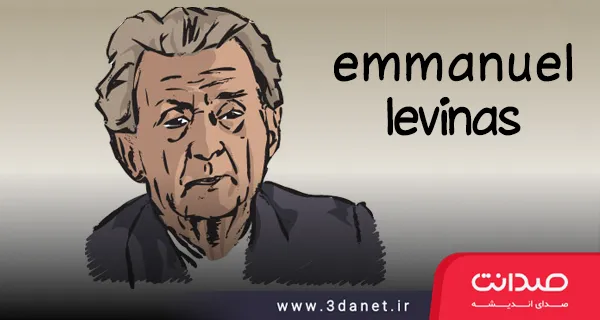
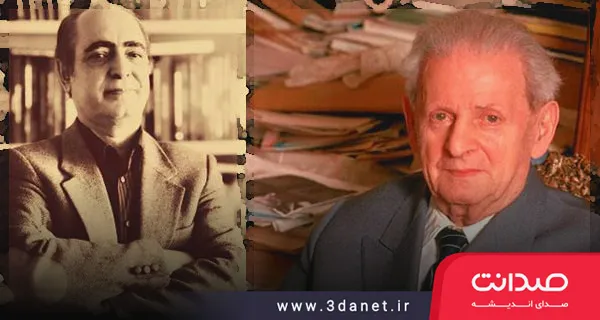
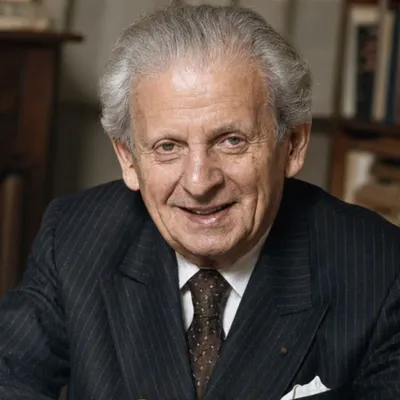
Emmanuel Levinas
Emmanuel LevinasPhenomenology, Moral Philosophy, and Alterity StudiesFrench (of Lithuanian descent)1906–1995
The face of the Other is precisely where the commandment 'Thou shalt not kill' manifests itself.


Life and Thought
Emmanuel Levinas was a prominent 20th-century philosopher and phenomenologist, and one of the most influential thinkers in continental philosophy. By critiquing the egocentrism of the Western philosophical tradition and establishing 'ethics' as first philosophy, he made the encounter with the 'Other' and the infinite responsibility for them the central axis of his thought.
Emmanuel Levinas (1906–1995) was a French philosopher born in Lithuania who introduced the phenomenology of Husserl and Heidegger to France and then subjected it to a fundamental transformation. After studying in Strasbourg and Freiburg and experiencing captivity in Nazi camps during World War II, he grounded his main philosophical project in challenging the totalitarian ontology of the West.
In his major works, particularly Totality and Infinity (1961) and Otherwise than Being (1974), Levinas argued that Western metaphysics and ontology had always reduced the 'Other' to the 'Same' and subjugated it to totality. In opposition to this tradition, he declared that ethics is the origin of, and prior to, ontology and is first philosophy.
In Levinas's thought, the 'face-to-face' encounter with the face (Visage) of the Other is an ethical summons that displaces the human being from their own centrality and places an infinite, asymmetrical responsibility upon them. Concepts such as transcendence, absolute alterity, and infinite responsibility for the Other have been the core themes of his influence on later philosophers such as Jacques Derrida, Maurice Blanchot, and Jean-François Lyotard.