Iranian thinker
Hamid Entezam
Hamid EntezamTheology, Mysticism, and Religious IntellectualismIranian
Life and Thought
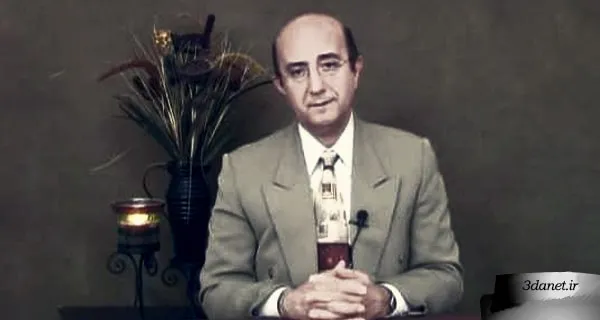
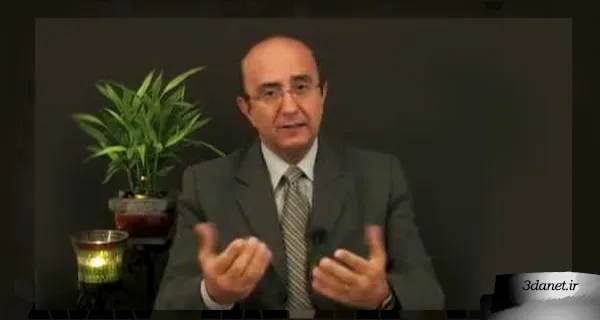
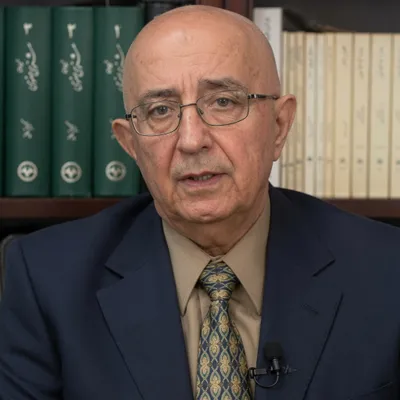
Hamid Entezam is an Iranian researcher and speaker in the fields of theology, mysticism, philosophy, and religious intellectualism. Drawing on religious and philosophical studies and inspired by the ideas of Ali Shariati, he has lectured for years at Iranian cultural centers in the United States on spirituality, ethics, the Quran, and religious reform.
Hamid Entezam was born in 1959 in Shiraz and spent his childhood and adolescence in the same city. After finishing high school in 1977, he went to the United States and continued his university education there. His student years coincided with the 1979 Revolution, during which time he collaborated with Islamic student associations in America.
At university, Entezam pursued diverse interests, from computer science to philosophy. He received his bachelor's degree in sociology and philosophy and his master's degree in economics. Since 1988, he has also worked professionally in the field of computer systems engineering, and his career has primarily been in this area.
However, his main interest since adolescence has been in theology, mysticism, and philosophy. Alongside his academic studies and professional work, Entezam has engaged in systematic study of religious studies, mysticism, philosophy, and religious thought. By his own account, the works of Ali Shariati were his entry point into the field of religious studies and have had the greatest influence on his intellectual formation and doctrinal leanings.
For many years, he has collaborated with Iranian cultural centers in various cities across the United States, including the Iman Foundation in Los Angeles, Ibn Sina in Irvine, the Islamic Cultural Center of Fresno, the Islamic and Cultural Foundation of Iranians in Houston, the Tawhid Foundation in San Jose, and the Islamic Cultural Center of Oakland. Since the launch of the satellite television program "Partow-e Noor" (Ray of Light) in 2006, Entezam has also appeared weekly on the program, speaking on topics such as the Quran, mysticism, ethics, spirituality, religious reform, and the relationship between religion and contemporary life.