

Life and Thought
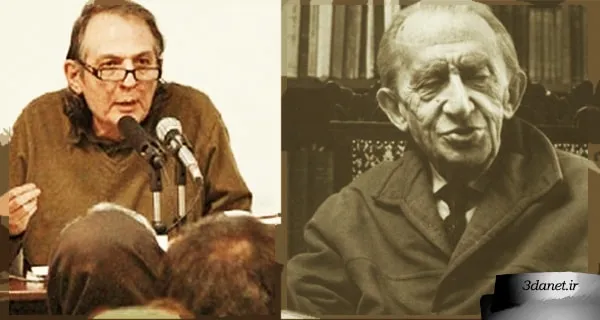
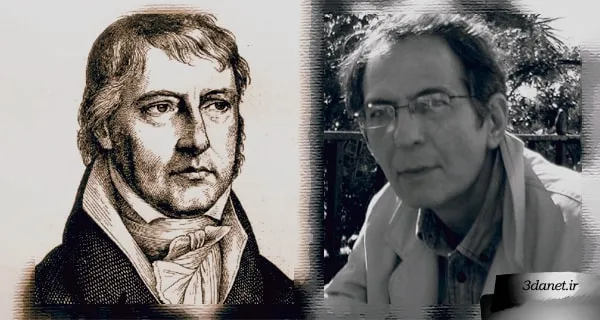
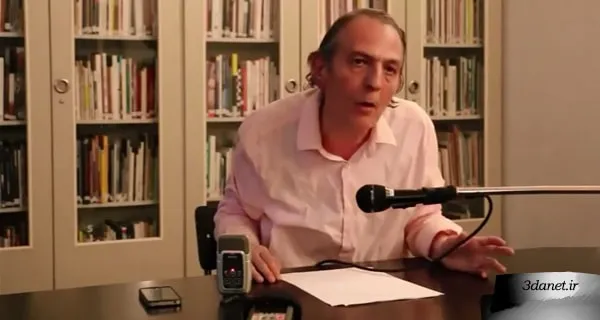
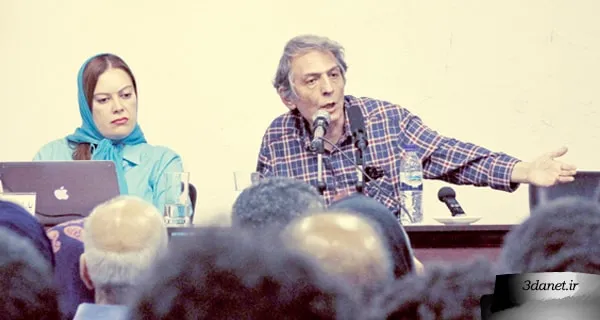
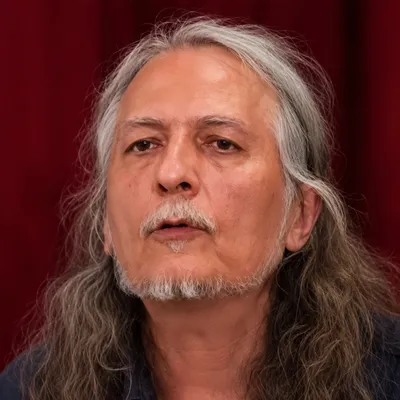
Morad Farhadpour (born 1958) is an Iranian writer, translator, and cultural critic. He is considered one of the principal figures of the New Left intellectual movement in contemporary Iran and a translator of the modern critical tradition.
Morad Farhadpour, born July 8, 1958, in Tehran, is a writer, translator, cultural critic, and one of the principal figures of the New Left intellectual movement in contemporary Iran. During the 1990s and 2000s, he played a significant role in introducing critical theory, the Frankfurt School, Western Marxism, continental philosophy, critical theology, and thinkers such as Walter Benjamin, Adorno, Horkheimer, Alain Badiou, Giorgio Agamben, Slavoj Žižek, and Ernesto Laclau to the Iranian intellectual sphere.
Farhadpour initially studied mechanical engineering, then went to England, and later studied economics in Iran. However, his main path was not the formal university, but rather translation, writing, independent teaching, and participation in intellectual circles. His collaboration with periodicals such as Kiyan, Adineh, Rah-e No, and especially the quarterly Arghanun, was highly influential in shaping a new generation of readers of philosophy and critical theory.
Farhadpour can be regarded as a translator and interpreter of the modern critical tradition. His central concerns include modernity, capitalism, ideology, emancipatory politics, modern art, poetry, cinema, theology, violence, law, and the relationship between philosophy and the political.
Unlike liberal or analytical currents, he thinks primarily within the tradition of continental philosophy and the critical Left. In his works and translations, concepts such as dialectics, truth, the event, the subject, law, violence, modern experience, and the possibility of emancipation hold a central place.
Bibliography
Writings and transcribed lectures7 titles
Depressed Reason: Reflections on Modern Thought
Fragments of Thought: Philosophy and Politics
Fragments of Thought: Art and Literature
Western Winds
Modern Poetry from Baudelaire to Stevens
Paris–Tehran: The Cinema of Abbas Kiarostami
New York, Kabul: Semiotics of 9/11