Foreign thinker
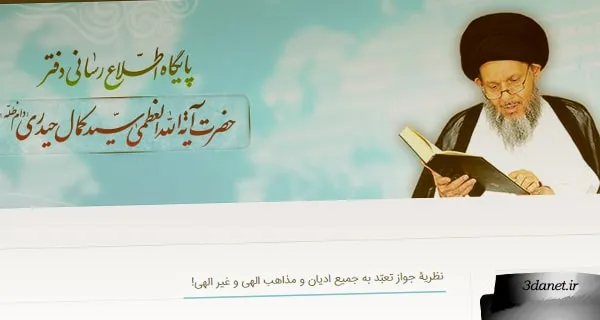
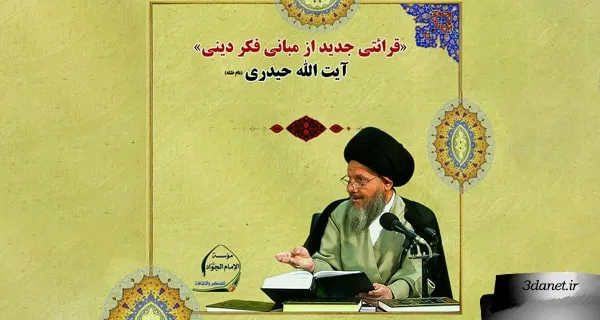
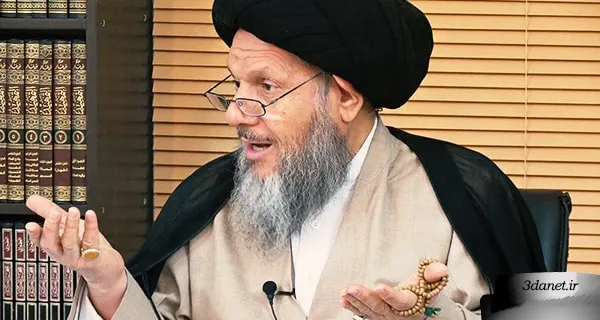
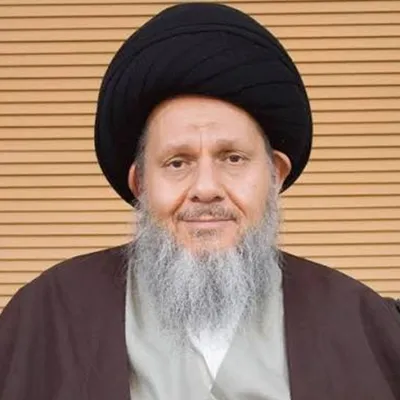
Sayyid Kamal Al-Haydari
Sayyid Kamal Al-HaydariIslamic jurisprudence, theology, and philosophyIraqi
Life and Thought
Seyyed Kamal Heydari, born in 1956 in Karbala, is a jurist, theologian, and instructor of Islamic sciences who spent a significant part of his scholarly career in the Qom Seminary. With a comprehensive approach to Islamic sciences, he emphasizes the interconnection of jurisprudence, legal theory, exegesis, hadith, theology, philosophy, mysticism, and epistemology in understanding religion.
Seyyed Kamal Heydari was born in 1956 in Karbala. He began his seminary studies in Karbala and Najaf, benefiting from the tutelage of masters such as Seyyed Mohammad Baqir al-Sadr, Seyyed Abolqasem al-Khoei, Mirza Ali Gharavi, and Seyyed Nasrollah Mostanbit. After leaving Iraq and taking up residence in Qom, he attended the classes of scholars including Abdollah Javadi Amoli, Hassanzadeh Amoli, Mirza Javad Tabrizi, and Hossein Vahid Khorasani.
Heydari has taught and authored works in various fields of Islamic sciences, from jurisprudence and legal theory to exegesis, theology, philosophy, mysticism, ethics, and epistemology. The defining feature of his approach is an emphasis on 'comprehensiveness' in Islamic studies; that is, the belief that understanding religion should not be confined to jurisprudence alone, but requires an ongoing dialogue between reason, tradition, the Quran, hadith, philosophy, mysticism, and the religious humanities.
The majority of his works and lectures are in Arabic, which has also enabled Arabic-speaking audiences to become acquainted with the philosophical, exegetical, and mystical tradition of the Qom Seminary. His published works cover diverse subjects such as jurisprudence, legal theory, Quranic exegesis, hadith, theology, Islamic philosophy, theoretical mysticism, ethics, and logic, and some of them have also been translated into Persian.