Life and Thought
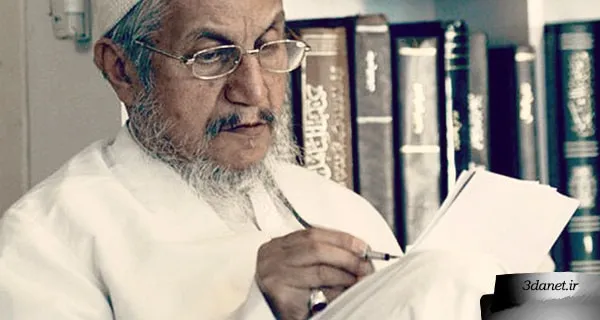
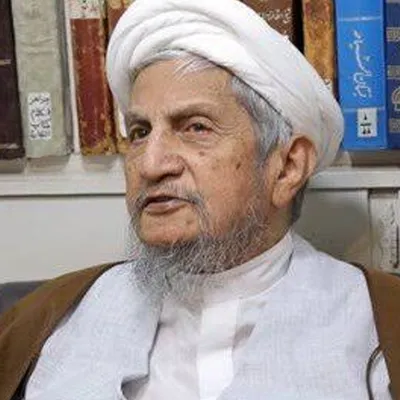
Yousef Sanei was a jurist and marja' al-taqlid in contemporary Iran. In jurisprudential discussions, particularly in the areas of justice, human dignity, women's rights, and social issues, he presented innovative views that have drawn the attention of contemporary scholars of religious studies.
Yousef Sanei was born in 1937 in Nikabad, Isfahan, and after his preliminary studies, he went to the Qom Seminary to continue his religious education. In Qom, he studied jurisprudence and principles of jurisprudence under masters such as Seyyed Hossein Borujerdi and Ruhollah Khomeini, attaining the rank of teaching and ijtihad at a young age.
Sanei taught jurisprudence and principles of jurisprudence at the Qom Seminary for many years, and numerous jurisprudential and argumentative works of his were published. A significant part of his works and lectures is dedicated to argumentative jurisprudence, legal discussions, social rulings, family jurisprudence, adjudication, hudud and diyat, and newly emerging issues. He also published his practical treatise and a collection of his legal opinions and jurisprudential views.
In Sanei's jurisprudential approach, concepts such as justice, the negation of discrimination, human dignity, and attention to changes in time and place are prominent. Some of his views on women's rights, human equality, moral responsibility in issuing fatwas, and the relationship between jurisprudence and the needs of contemporary society have caused his works to be considered in discussions of innovative jurisprudence and modern religious studies.
Sanei's position can be understood as an extension of the Shi'i jurisprudential tradition while simultaneously engaging with new social and ethical questions. He sought to reread jurisprudence through the language of justice and human dignity and to use the internal capacities of the tradition to respond to new issues.