Life and Thought
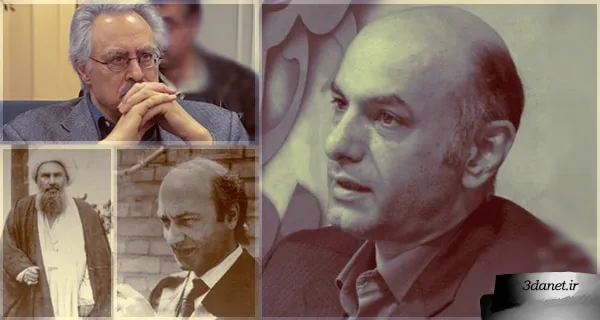
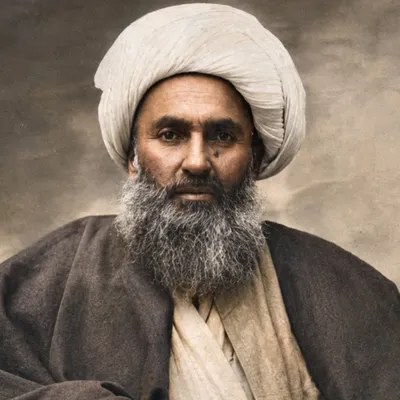
Sheikh Fazlollah Nouri was a prominent jurist and cleric of the Qajar era and one of the influential and controversial figures of the Iranian Constitutional Movement. He initially supported the justice-seeking movement, but later opposed the common constitutionalist interpretation of legislation and parliament, defending the idea of 'Mashruteh Mashru'eh' (Sharia-based constitutionalism).
Sheikh Fazlollah Nouri was born in the second half of the 13th century AH (19th century CE) in Mazandaran and, after studying religious sciences in Iran and the Atabat (Shiite shrine cities in Iraq), attained the rank of ijtihad. He was one of the influential clerics of Tehran during the Qajar period and actively participated in the jurisprudential, social, and political debates of his time.
In the early stages of the Constitutional Movement, Nouri supported the demand for a House of Justice and the limitation of despotic power. However, with the expansion of discussions on the constitution, parliament, and the adoption of new political institutions, he became a serious critic of secular constitutionalism. The core of his political thought was that legislation and political order must be defined within the framework of Sharia and under the supervision of jurists; hence, the term 'Mashruteh Mashru'eh' became inextricably linked to his name.
Sheikh Fazlollah Nouri's place in the history of Iranian political thought remains a subject of debate. His supporters view him as a defender of Sharia against the secularization of law, while his critics consider him one of the main opponents of the expansion of constitutionalist freedoms. After the conquest of Tehran by the constitutionalists, he was tried and executed in 1288 AH (1909 CE); an event that made his name one of the central figures in the conflict between Sharia, law, and politics in contemporary Iran.