Where Did All This Reactionary Populism Come From? | Sedanet
Political Science
Where Did All This Reactionary Populism Come From?
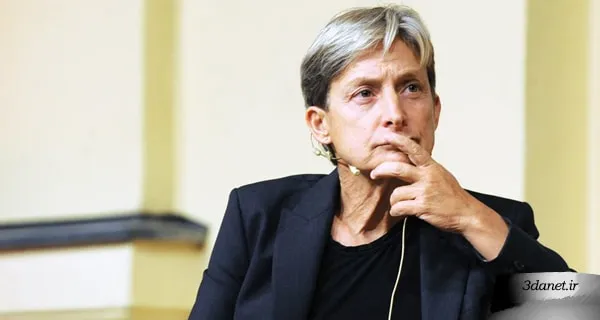
Judith Butler traces the origins of reactionary populism to a perceived suppression of the left and feminists, and locates the difference between democratic assemblies and racist gatherings in the radical principles of democracy versus the exclusion of the other.
What Trump is unleashing is unbridled hatred, as you recently observed, forms of sexual behavior that pay no heed whatsoever to anyone's consent. Since when do we have to ask women whether they have a problem with being groped? Or why? He didn't say exactly that, but his words precisely implied it. This unleashes people, their violence and their hatred. And these people may be wealthy, poor, or middle-class; they feel they have been repressed and censored by the hands of leftists, feminists, civil rights and equality movements, by the Obama presidency that allowed a Black man to represent the nation.
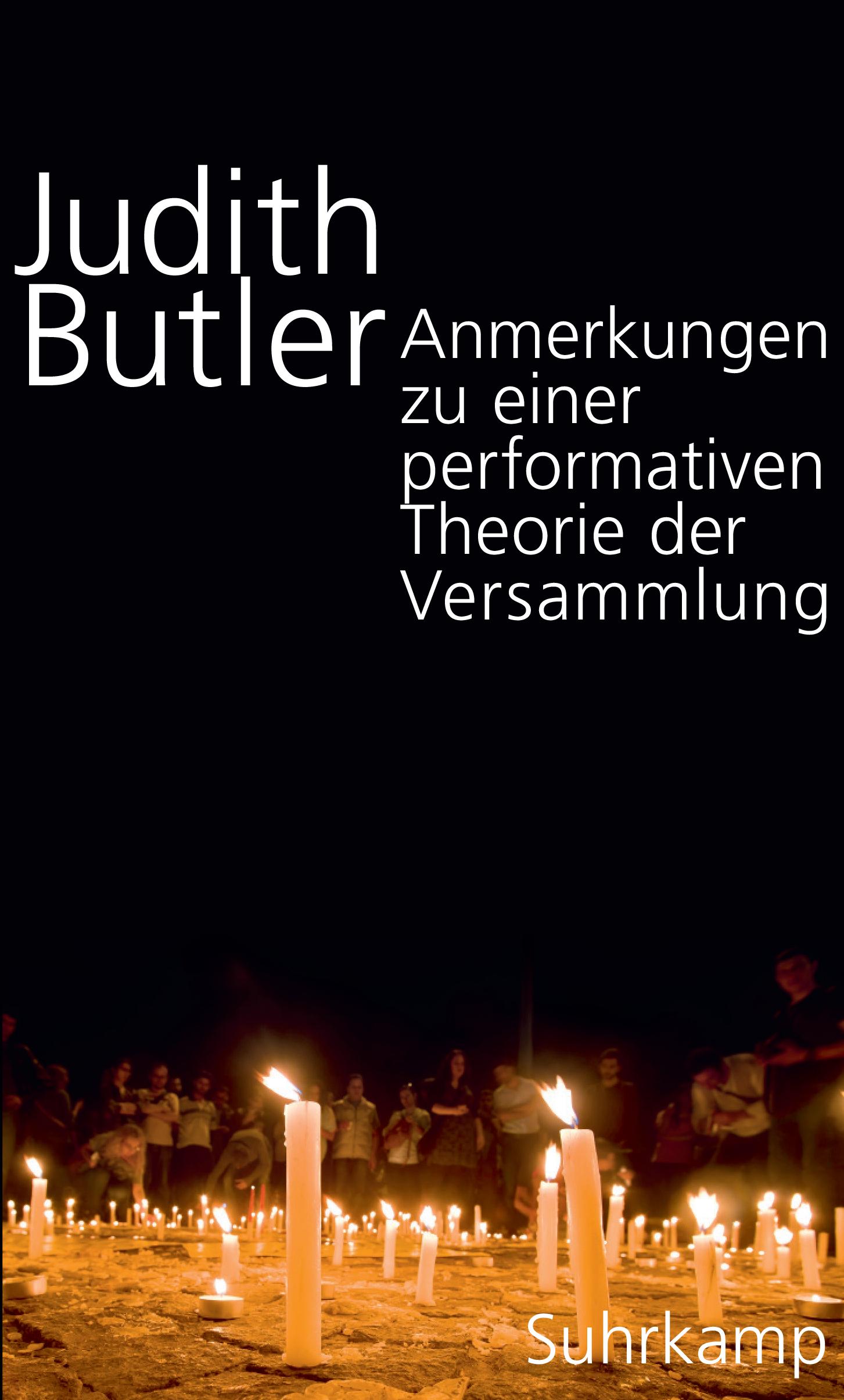
Translator's Note: What follows is a translation of the English text of an interview with Judith Butler, the renowned American philosopher and theorist, conducted by the website of the German magazine Die Zeit[1] on the occasion of the publication of the German translation of Butler's book, Notes Toward a Performative Theory of Assembly[2], on October 26, 2016.
Where Did All This Reactionary Populism Come From?
Donald Trump / German Welcome Culture[3] / Radical Democracy
Translator: Amin Latifi
Die Zeit Online: Why did you suddenly decide now to write a book about public assemblies?
Butler: I think it was around the time of the Arab Spring that public assemblies began to occupy my thoughts. At that time, debates were raging over whether public assemblies were a pure form of democracy. They were saying: "These are the people, and they are bringing down an illegitimate regime." And of course, such a statement raises all sorts of issues, such as: Who really are the people? Does it matter that people are pouring into the streets? Do these bodies in the middle of the street represent all the people? What about those who haven't come to the streets?
Die Zeit Online: Why were you so interested in the role the human body plays in assemblies?
Butler: There was another debate in connection with the Occupy movement[4], people were saying: "They have no demands, they just want to occupy space." Well, my attempt was to say: "No, this itself is a form of making a demand, a way of saying that this space belongs to us or that this space should belong to the public." But it is not necessary to put this claim into words. I think they were doing it with their bodies, or by the way their bodies occupied space. I wanted to advocate for the idea that bodily actions, gestures, and signals are also politically meaningful. These actions, gestures, and signals occupy a space they claim belongs to them, and thus they embody that claim.
Die Zeit Online: In your book, one can observe a sense of implicit sympathy for assemblies; some people are terrified of these assemblies.
Butler: Perhaps it is the very word “assembly” that we need to reflect upon. A mass of people may gather, mass movements may arise, uprisings may erupt, and a mob may also assemble. The mob is probably what both I and the people dread. It is as if violence really can emerge from a mob. A mob’s gathering is not a calculated move, nor does it take place out of political concern. Assemblies are different. In an assembly, people come together and think. And what matters is that they gather, they come for the sake of one another. I mean, in the view of someone like Hannah Arendt, assembly in [ancient] Greece and Rome was a crucial part of the conception of democracy. And in my view, we still need assemblies to realize democracies. We must be able to distinguish between those assemblies that are self-reflective and inclusive—which seek to model a democratic mode of participation and debate—and those that have become disillusioned with democracy.
Zeit Online: You have written that assemblies provide people with the opportunity to enter a public space from which they are normally excluded and erased. Does this also apply to PEGIDA[5]?
Butler: In those assemblies that I support, a set of radical democratic principles is at stake. If a group of right-wing racists gathers and claims to have been excluded from a public sphere that does not encompass racists, then they are actually demanding the right to exclude others. They seek to assemble and seize public space for the overt purposes of a racist and a project of excluding the other. It is hard to consider the intentions and outcomes of such an aim as democratic.
Zeit Online: How can we manage to describe which kind of assembly we “need”? Any assembly can be both inclusive and exclusive at the same time. During the years of the Egyptian revolution, large numbers of women in Cairo’s Tahrir Square suffered from the sexual insults directed at them.
Butler: I think assemblies carry different risks for different people. If you are a woman, or trans, or a migrant, you are very likely to be at risk in public assemblies. The reason is that a public assembly involves physical, collective presence. One never knows who one is standing next to, or who might exploit that sense of proximity to harm us, or the person beside us, or someone on the other side of the crowd. So assembly is always accompanied by a risk.
Zeit Online: Would you like to see more bodies in the street?
Butler: No. I do not think that the more bodies there are in the street, the better our lives will become. Besides, I do not think the act that bodies perform can be separated from language. Bodies are expressive. Bodies signify.
Zeit Online: Do you think one can discern the difference between what a PEGIDA supporter expresses through gestures and signals and what an assembly with democratic concerns expresses?
Butler: I think it is possible. You simply cannot separate gestures and signals from their context. The issue is how these become context-dependent. Assemblies like PEGIDA are generally racist and anti-immigrant, with specific politics. We must first understand what they are about and then, naturally, judge them by what they do. This is worlds apart from newly arrived migrants who have poured into the streets for the right to reside. If you have been barred from appearing in a public gathering, precisely because public gathering is against the law, then appearing in a public gathering must have some relation to that law.
Zeit Online: But this point of yours could also apply to the demonstrations of reactionary populists.
Butler: Yes, of course we also say that state violence, state censorship, and popular racist movements all work against the claim of democracy. Those who claim white supremacy may, for instance, claim that immigrants have “erased” them, but they are actually worried about losing their own privilege. It is only and solely the context through which we must understand all these gestures, signals, actions, and verbal claims.
Zeit Online: In your book, you critically assess Hannah Arendt’s distinction between the public and private spheres. Where does this distinction become problematic?
Butler: In The Human Condition, Hannah Arendt specifically distinguishes between individual domestic activities and the political sphere. Reproduction or intercourse; all activities that lead to reproduction are not considered political activity. The political sphere is a sphere that presupposes the normally well-nourished body. Arendt’s idea of democratic principles rests on the assumption that food is available and distributed [among people], and on the assumption that shelter will be provided for the homeless and that they will not be afflicted by diseases without access to healthcare. Given the period of precarity in which we live, it is clear that the problem is that we are struggling for a vast portion of our basic needs. Who has shelter? Who has access to healthcare? Who can cross a border? All of these are political issues that fundamentally relate to bodily sustenance and bodily mobility. We cannot have freedom of assembly or association, or even freedom of speech, without presupposing bodily life.
Zeit Online: Are we witnessing a broader precarity[6]?
Butler: I think precarity has become a more important political concept than before. Isabell Lorey[7], a political scholar, says that precarity is in fact our current economic and political condition. The proletariat[8] is the working class whose wages are not enough to afford food, sustenance, and a good life, but the precariat[9] is a separate class. The precariat class [precarious workers] may have no job at all. They may also have a job but lose it left and right. They may be a temporary worker. They might have shelter today but not tomorrow. Their future is fundamentally unpredictable.
Zeit Online: Why is that?
Butler: I think as jobs become increasingly temporary and precarious, so that markets can continue their growth without any hindrance, social commitments to employed individuals and minimum wages are increasingly at risk. As a result, we see more people who are, in a way, left to fend for themselves. In the First and Second World Wars, vast numbers of people had their property confiscated, but the type of dispossession was different. Dispossession today occurs both as a result of war and also through financial policies. As a result of neoliberalism and its effects on the state of jobs and housing, its effect on the housing market and homeownership opportunities, as well as its effect on food and sustenance. We don't need to look far to see that many people are unable to meet their basic needs.
Zeit Online: Do you think this recent surge of populism has to do with the fact that today more people consider themselves not only as precariat but also as members of this emerging class?
Butler: In fact, I think there are still good reasons to distinguish between right-wing and left-wing populism, for example the South American movements, like in Argentina. For the Argentine philosopher Ernesto Laclau[10], who was interested in these movements, populism was or could be a positive concept.
Zeit Online: Why?
Butler: Because bonds are formed between different people who rally around different movements and different identities. They recognize a shared pain and try to understand one another's situation. Through those bonds, a new meaning of "the people" emerges, or potentially will. So for Laclau, populism holds promise for the left. His understanding of populism was not necessarily a non-parliamentary political movement; he was actually looking at populism's capacity to become electoral assemblies, representative democracy, and even state power.
Zeit Online: So how do you distinguish this seemingly positive form of populism from its negative form?
Butler: Before separating the good and bad forms of populism, it is better to understand it [well]. Besides, a form of populism we call "good" might turn out "bad" over time. There are types of populism that smash the entirety of state power, detest all state processes, and want to remain in the non-parliamentary sphere. I think we are currently witnessing forms of right-wing populism that are protesting against laws guaranteeing gender equality, against anti-racism laws, against laws facilitating immigration, and even against laws that recognize ethnically and racially diverse populations. And this reactionary form of populism I just mentioned, influenced by nostalgia or a sense of lost supremacy, wants to return society to its original state. They want to bring down the government in retaliation for the loss of their past world.
Zeit Online: An argument often made in Germany is that some people support the AfD party[11] because they feel marginalized by society and left to fend for themselves in their precarious situation. Do you agree with this argument?
Butler: A right-wing group may sometimes feel excluded from the scene, but what they really mean is that their privilege has been destroyed. Their privilege, their white worldview, is under threat. And to be honest, yes, they are losing their privilege, their white privilege. They are losing a world where white privilege could be taken for granted. Yes, they are losing, and it is their job to adapt, to accept the loss of their world and embrace a broader, more democratic, and more diverse world.
Zeit Online: But you wouldn't include them in your concept of the precariat, correct?
Butler: The issue is that neoliberal economies create precarity across the entire population without distinguishing between left and right, so some people are right-wing and others become more right-wing, because they see immigrants as the cause of taking their place, but they are incapable of understanding the root of their problem, which is the spreading precarity sweeping across the entire economic class. Meanwhile, the super-wealthy class continues to profit. Instead of scrutinizing certain tax and fiscal policies that actually endanger the well-being of a growing number of people, they are determined to blame immigrants.
Zeit Online: Can you say the same about Trump supporters?
Butler: Oh... Trump supporters...
Zeit Online: ...something Germans are very fond of.
Butler: Well, overall it's very complex and incomprehensible. I think there are economic components at play in the support for Trump. For some of his supporters, government was an obstacle to their ability to achieve a prosperous life and financial success, so they were at odds with laws and government. And those laws could include paying taxes and workplace regulations meant to protect workers' health and safety. They cheered and whistled at the fact that Trump apparently did not pay federal taxes, and in their imagination they said, "Yeah, I want to be like this guy."
Zaman Online: Are they full of rage and fury?
Butler: I think their rage and fury is excessive. Not only against women or racial minorities or immigrants – they were trembling with excitement at the fact that his uncensored public speeches have unleashed their rage and fury. We on the left, it seems, are the superego. What Trump was after – in slogan form – was to equate not only the left but liberalism – basic American liberalism and the left – with a bunch of censors. We are the instruments of repression, and he is the vehicle of liberation. It’s like a nightmare.
Zaman Online: What is your view on his overt sexism and racism?
Butler: What Trump is unleashing is unbridled hatred, and, as you recently observed, forms of sexual behavior that pay no heed whatsoever to consent. Since when do we have to ask women whether they have a problem with being groped? Or why? He didn’t say exactly that, but his words precisely implied it.[12] This unleashes people, their violence and their hatred. And these people may be wealthy, poor, or middle-class; they feel they have been repressed and censored by the hands of the left, feminists, civil rights and equality movements, by the Obama presidency that allowed a Black man to represent the nation.
Zaman Online: Some Trump supporters claim that if he comes to power, he will not act on those hateful promises.
Butler: I think those who tell you such things are concealing the truth, in the sense that they don’t like to appear in your eyes as if they approve of all his hateful statements. They just imagine: he will seal the borders, he will get into a war, or he will cross governmental red lines. But the reality is this: they desire to live with his hateful statements; they don’t necessarily agree with his words, but they adjust themselves so that they are not opposed either. They lend their consent to that discourse. Many people derive personal pleasure from his discourse; they may not be able to proclaim their pleasure, because we are supposed to be ashamed of being racist, sexist, or homophobic.
Zaman Online: Emmanuel Levinas writes that when we come face-to-face with one another, that encounter immediately entrusts us with an ethical demand. You extended his theory and arrived at the idea of bodies that come face-to-face in assemblies and impose a sense of ethical obligation upon one another. What political consequences and implications will the ethics you have established entail?
Butler: I don’t accept that premise. You cannot take the model of person-to-person, body-to-body contact as the model for broader political relations. Nevertheless, one can borrow a set of general principles translatable into the language of larger structures from the language of small-scale encounters. Among those principles is interdependence. Global interdependence, which includes not only considerations about climate change and the distribution of food worldwide, but also the fact that, for example, the United States cannot wage a war on the other side of the world without the consequences reaching its own territory, because we truly live in a shared world, even with those we intend to destroy. I think those of us who live in first-world countries, where we enjoy freedom and relative immunity from direct violence, truly welcome this. When violence reaches our doorstep, we are struck with shock and bewilderment: Why has violence appeared here? This is Brussels. This is Paris. This is New York. Those who target these cities want to attack this fantasy of ours that we are capable of distancing ourselves from the kind of destruction that others, unlike us, are born to suffer.
Zaman Online: What message does this statement have for domestic politics?
Butler: For me, the ethical is not entirely separate from the political. There are ethical principles that should shape our politics in the public sphere. And those politics, which I suppose is also my greatest concern, include how we live within our political geography; at times we do not imagine what befalls the lives of others, we do not regard their lives as grievable. We do not consider their lives equal [to our own] or ascribe the same meaning to them. So the task is to extend equality beyond our limited national and linguistic borders.
Zeit Online: Do you suppose that the lives of the people of Syria are, at present, less worthy of living for us, or not grievable?
Butler: I actually think that if those trapped in Syria or behind the borders of Turkey were white Europeans, then public outrage would boil over. Because in that case, there would be an immediate and direct identification.
Zeit Online: Is Angela Merkel's "welcome culture" policy in Germany a form of this kind of ethics you have posited?
Butler: Yes. I think I understand this issue on two different levels. On one level, what we call hospitality or "welcome culture" is of immense importance. On another level, I also understand this issue in accordance with international law and refugee law. You can see the issue of international law and refugee laws in countries like Hungary, which has closed all its borders to refugees and rejected the "welcome culture" outright. Germany has fueled debates around the question, "Where are the limits of hospitality?" I think, however, there is a second step: namely, asking who we are. Who are Germans at the present moment? When speaking of hospitality, is it always the same "we" that extends the limits of hospitality to "others"? But once the "others" have entered, what is the "we" now? Does [the concept of] "we" change? Are they then part of "us"? Full inclusion means accepting—and saying yes to—a German nation of diverse races and ethnicities.
Zeit Online: Is accepting such a thing difficult?
Butler: Yes, it is hard to say: we are now Muslim, Christian, and Jewish. We are now white, black, and brown, multicultural and multiracial.
Zeit Online: At present, we are facing a surge of right-wing populism, and the dominant discourse in Germany is moving further toward Islamophobia every day.
Butler: The problem, I think, is the way hospitality is being turned into programs that aim to integrate migrants into Germany. These programs are not programs specifically focused on combating the emerging racism. And those who oppose the newly formed migrant communities[13] becoming an inseparable part of Germany have no choice but to alter the very definition of what contemporary Germany is and who it includes. In order to effect such a change, Germans have no way but to learn about these communities and engage with them. This is something more than mere hospitality: in other words, it is altering the meaning of who "we" are as a country. And this is the second act, a step beyond hospitality that will lead to a multinational and multiracial country that is a home to diverse religions.
Zeit Online: Well, how can we expand the concept of "we"?
Butler: I think this is a question of how you live with people. A question of coexistence. Are you also willing to learn their lives and their language? Will you always treat them as recipients of your generosity and magnanimity? Or do you reach a point where you consider them your equals? Do you accept that German is not the only language spoken in Germany? Do you agree that care and support should belong to various religious communities? And that they should not only feel welcomed but must feel that they are part of what Germany is now and what Germany will be in the future. I think most of the time there has been a struggle to adapt immigrants to German culture as it is.
ZEIT ONLINE: There is a regression toward a tribal, ethnic understanding of nationality, an issue that can be seen in Trump's slogans, in Brexit, and in the language of right-wing populism. Why is this?
Butler: Our guide here must be Hannah Arendt: as long as one operates within the framework of the nation-state concept, one essentially desires a specific nationality to represent the state and wants the state to represent that nationality. The meaning of this is that there will perpetually be minorities, the excluded, those who do not conform to the dominant idea of the nation: in other words, they will lack the necessary qualifications to enjoy full rights, or will be deprived of rights, or even expelled. This is why plurality was so important to her. And I suppose I can interpret plurality as racial and ethnic diversity. But diversity is where Europe stands now. The emerging Europe.
.
.
"Trump is emancipating unbridled hatred"
Where does all this reactionary populism come from? We spoke to philosopher Judith Butler about Donald Trump, Germany's Willkommenskultur and radical democracy.
ZEIT ONLINE: Why did you decide to write a book about public assemblies right now?
Judith Butler: I suppose I started to think about them during the Arab Spring when some debates started on whether or not public assemblies were a pure form of a democracy, suggesting: "This is the people and they are throwing-off an unjust regime". And of course that raises all sorts of questions, like: who are the people really? Is it important that they are showing up in the street, are the bodies in the street representing all the people? What about those who are not in the street?
ZEIT ONLINE: Why were you so interested in the role that the body plays in assemblies?
Butler: There was also another debate related to the Occupy movement where some people were saying "they don't have any demands, they are just occupying space", so I was trying to say: "No, that is a way of making a demand, it is a way of saying this space belongs to us or this space should be public". But it does not have to be verbalised for that claim to be made; I thought they were making it with their bodies or through the way their bodies were occupying space. I wanted to make the case that bodily action or gesture is also politically significant. It occupies the space to which it lays claim, and so embodies the claim.
ZEIT ONLINE: One could read an implicit sympathy towards assemblies into your book. Some people fear them.
Butler: Maybe it is the word assembly that we have to think about. There could be mass gatherings, there could be mass movements, there could be riots, there could be mobs. The mob is probably what we both fear. That does feel like violence could ensue. It is not a deliberate, it is not politically minded. Assemblies are different. There people come together and deliberate. And it is important that they come together, that they appear for one another. I mean, for someone like Hannah Arendt the assembly in Greece and in Rome was an important part of the inception of democracy. And I think we continue to need assemblies to realize democracies. We have to be able to distinguish between assemblies that are self-reflective and are inclusive – seeking to exemplify modes of democratic participation and debate, – and those who are giving up on democracy.
ZEIT ONLINE: You write that assemblies allow people to enter the public space who are usually excluded from it. Is that true in the case of Pegida?
Butler: There are principles of radical democracy at stake in the kind of assemblies that I support. If a group of right-wing racists get together and say that they have been excluded from a public space that does not accommodate racists, then they are actually asking for a right to exclude others. They are trying to assemble and achieve public space for the expressed purpose of a racist and exclusionary project. That is hardly democratic in intent or in effect.
ZEIT ONLINE: How do we decide which assemblies "we need"? An assembly might be inclusive and exclusive at the same time. Over the years in Tahrir Square in Cairo, countless women suffered sexual assault.
Butler: I think assemblies pose different kinds of risks for different kinds of people. If you are a woman or trans or if you are a migrant, you are probably at risk in a public assembly because public assemblies do involve physical and public exposure. You don't always know who you are next to, you don't always know who will exploit that proximity for the purposes of injuring you or someone close to you or someone on the other side of the crowd. So there is always a risk in public assembly.
ZEIT ONLINE: Would you like to see more bodies on the streets?
Butler: No. I do not think that the more bodies there are on the street the better our lives become. By the way, I don't think you can separate what the bodies are doing from language. Bodies are expressive – they signify.
ZEIT ONLINE: Can one differentiate what a Pegida expresses through movement and gesture, from what a democratically-minded assembly expresses?
Butler: I think you could. I don't think we can just decontextualize gesture and movement. The question is how it is contextualized. Those are generally racist and anti-migrant assemblies with a specific politics. We have to understand what they are doing, and then judge them accordingly. That is very different from new migrants taking to the street and asking for inclusion. If you have been prohibited from arriving in public because arriving in public is against the law, then arriving in public is to take up a relation to that law.
ZEIT ONLINE: But that can be true of far-right populist demonstrations.
Butler: Yes, but we are also saying that state violence and state censorship and racist popular movements all work against the claim to democracy Those who lay claim to white privilege, for instance, may claim that they are "excluded" by migrants, but they actually worry about losing their privilege. That is the context and that has to be the context by which we understand all of these gestures, movements and verbal claims.
9- Precariat is a combination of the words precarious and proletariat. First recorded in French in the 1980s (précariat), the term gained wider currency later, in 2011, with the publication of the English economist Guy Standing's book The Precariat: The New Dangerous Class. For more information, see http://www.worldwidewords.org/turnsofphrase/tp-pre3.htm
- For the word precariat, the equivalent (بیثبات کاران) can be used. For its abstract noun (precarity), depending on the context, equivalents such as (بیثباتکاری- وضعیت بیثباتی – بیثباتی) can be employed.
- Butler uses "precariat" to refer to "a group of people who are not only among the exploited workers, but whose labor power is considered dispensable." By defining the precariat as those who "have been victims of war and live in regions devastated by development," Butler distinguishes the precariat from the proletariat. See endnote number 10 of the article Marx's Theory of Working-Class Precarity and Its Relevance for Today, by Jamil Jona and John Bellamy Foster, translated by Forouzan Afshar – at https://pecritique.com/2016/10/08
7- Alternative for Germany (AfD). A right-wing German party founded in 2013.
8- Refers to the controversial leaked video of Trump's remarks before the US election, in which he tells another person: "When you're a star, they let you do it. You can do anything. ... Grab 'em by the pussy."
جناب لطیفی ضمن عرض خسته نباشید:
ترجمهی روانی بود و محتوا نیز ارزشمند و قابلتامل؛
فیالمثل در موضوع پناهندگان اگر با موضع راستگرایانه و نژادپرستانهی ژیژک مقایسه کنیم متوجه جدیت و صداقت سیاسی کسی چون باتلر میشویم.
اما دو سه نکته از ترجمە: "سکسیم" رو نە "جنسیتپرستی" بلکه طرفداری از تبعیض جنسی و "هموفوبیا" رو نه "همجنسهراسی" بلکه "همجنسگراهراسی" باید ترجمه کرد. همچنین املای غلیان ( نه "قلیان") و بالکل (نه "بل کل") صحیح است.
موفق و پاینده باشید.
ا
امین لطیفی
درود بر شما و سپاس که وقت گذاشتید و با دقت خواندید متن را.
بله، موضع باتلر و چامسکی در موارد گوناگونی به هم شبیه است و با وجود این که گاهی تصویری افراطی عرضه می کنند اما بیش از موضع دیگران با واقعیت ربط و نسبت دارد. در باب ژیژک باید توجه داشت که او حداکثر جد و جهد خودش را می کند تا مواضعی که می گیرد در دل همان نظام هگلی-لاکانی جا داشته باشد نه بیرون آن. به همین سبب بعضی از تحلیل های او که سویه لاکانی پر رنگ تری دارند کمی عجیب به نظر می رسند.
و اما در مورد تذکر هایی که داده بودید:
1- اشتباه تایپی واژۀ «غلیان» و «بل کل» را بر من ببخشید.
2- در رابطه با واژۀ «سکسیسم» من، هم بنا بر اصل اقتصاد و هم بار معنایی واژه در بستر اصلی، همین معادل «جنسیت پرستی» را پیشنهاد می کنم. چون بدون مشکل در انتقال مفهوم، می توان اشکال دیگر این کلمه را ساخت. مثلاً صفت فاعلی «سکسیست» را به راحتی و بدون هیچ ابهامی می توان به «جنسیت پرست» ترجمه کرد. تا این که بخواهیم چند کلمه را کنار هم ردیف کنیم و بگوییم «طرفتار تبعیض جنسی». البته اشکالی هم به این صورت وارد نیست.
2- در باب کلمۀ «هموفوبیا» با توجه به سیاق متن استفاده از هر دو صورت وافی به مقصود است. باید از حداکثر ظرفیت واژه ها بهره جست. البته معادل «همجنس گرا هراسی» معادلی است مقبول تر و من هم با شما موافقم که بهتر است برای جلوگیری از ابهام، بیشتر از همین معادل استفاده کرد.
*
سپاس از دقت نظر شما.
ط
طاها
مترجم عزیز، ضمن تشکر از زحمات، «اسم خاص » را که ترجمه نمی کنند عزیز، تسایت انلاین را نباید به زمان انلاین ترجمه کنید. فرض کنید کسی اسم سایت صدا نت را به انگلیسی بگوید ساندنت!
ا
امین لطیفی
درود دوست عزیز. سپاس از تذکر بجای شما. بله ترجمه نکردن اسم خاص از مبانی اولیۀ ترجمه است. دلیل ترجمه کردن این اسم فقط راحتی در خواندن متن بود. خرسند خواهم شد اگر در باب ترجمه هم نظری دارید بفرمایید. باز هم سپاس از دقت نظرتان.



Discussion4 comments
جناب لطیفی ضمن عرض خسته نباشید: ترجمهی روانی بود و محتوا نیز ارزشمند و قابلتامل؛ فیالمثل در موضوع پناهندگان اگر با موضع راستگرایانه و نژادپرستانهی ژیژک مقایسه کنیم متوجه جدیت و صداقت سیاسی کسی چون باتلر میشویم. اما دو سه نکته از ترجمە: "سکسیم" رو نە "جنسیتپرستی" بلکه طرفداری از تبعیض جنسی و "هموفوبیا" رو نه "همجنسهراسی" بلکه "همجنسگراهراسی" باید ترجمه کرد. همچنین املای غلیان ( نه "قلیان") و بالکل (نه "بل کل") صحیح است. موفق و پاینده باشید.
درود بر شما و سپاس که وقت گذاشتید و با دقت خواندید متن را. بله، موضع باتلر و چامسکی در موارد گوناگونی به هم شبیه است و با وجود این که گاهی تصویری افراطی عرضه می کنند اما بیش از موضع دیگران با واقعیت ربط و نسبت دارد. در باب ژیژک باید توجه داشت که او حداکثر جد و جهد خودش را می کند تا مواضعی که می گیرد در دل همان نظام هگلی-لاکانی جا داشته باشد نه بیرون آن. به همین سبب بعضی از تحلیل های او که سویه لاکانی پر رنگ تری دارند کمی عجیب به نظر می رسند. و اما در مورد تذکر هایی که داده بودید: 1- اشتباه تایپی واژۀ «غلیان» و «بل کل» را بر من ببخشید. 2- در رابطه با واژۀ «سکسیسم» من، هم بنا بر اصل اقتصاد و هم بار معنایی واژه در بستر اصلی، همین معادل «جنسیت پرستی» را پیشنهاد می کنم. چون بدون مشکل در انتقال مفهوم، می توان اشکال دیگر این کلمه را ساخت. مثلاً صفت فاعلی «سکسیست» را به راحتی و بدون هیچ ابهامی می توان به «جنسیت پرست» ترجمه کرد. تا این که بخواهیم چند کلمه را کنار هم ردیف کنیم و بگوییم «طرفتار تبعیض جنسی». البته اشکالی هم به این صورت وارد نیست. 2- در باب کلمۀ «هموفوبیا» با توجه به سیاق متن استفاده از هر دو صورت وافی به مقصود است. باید از حداکثر ظرفیت واژه ها بهره جست. البته معادل «همجنس گرا هراسی» معادلی است مقبول تر و من هم با شما موافقم که بهتر است برای جلوگیری از ابهام، بیشتر از همین معادل استفاده کرد. * سپاس از دقت نظر شما.
مترجم عزیز، ضمن تشکر از زحمات، «اسم خاص » را که ترجمه نمی کنند عزیز، تسایت انلاین را نباید به زمان انلاین ترجمه کنید. فرض کنید کسی اسم سایت صدا نت را به انگلیسی بگوید ساندنت!
درود دوست عزیز. سپاس از تذکر بجای شما. بله ترجمه نکردن اسم خاص از مبانی اولیۀ ترجمه است. دلیل ترجمه کردن این اسم فقط راحتی در خواندن متن بود. خرسند خواهم شد اگر در باب ترجمه هم نظری دارید بفرمایید. باز هم سپاس از دقت نظرتان.