Religion
If You Read the Qur'an in This Manner... (1)
Abdolhossein Khosropanah's works in the philosophy of religion and modern theology lack the necessary scholarly standards due to misunderstanding and haste. Part one addresses the substantive shortcomings of these works.
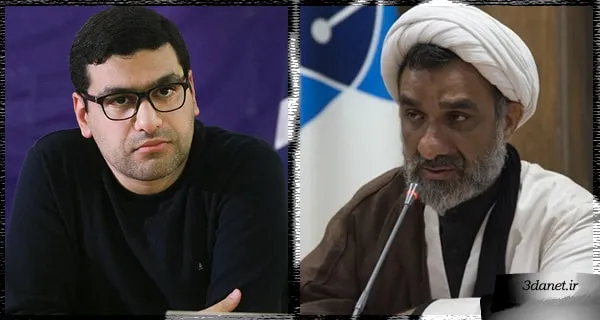
If You Read the Qur'an in This Manner... (1)
A Look at the Works of Abdolhossein Khosropanah in the Philosophy of Religion and Modern Theology
Amirhossein Khodaparast[1]
Note: This text is the complete version of a critique, part of which was scheduled to be published alongside three other articles in the Shargh newspaper on February 24, 2018, and another part of which, alongside an article by Dr. Hossein Sheikhrezaei, was to be published in the Shargh newspaper on March 10, 2018. Unfortunately, due to understandable considerations, Shargh newspaper published neither of these two parts, nor Dr. Sheikhrezaei's article. The part scheduled for the February 24, 2018 issue was published on Sedanet on Tuesday, February 27, 2018, under the title "Was It 'Plagiarism' That They Sought to Expose?" Now, thanks to the kindness and efforts of its administrators, Sedanet is publishing the full text of the article in two parts due to its length.
Abdolhossein Khosropanah, alongside his many and varied responsibilities in academic and seminary affairs,[2] has also published numerous works in various fields of philosophy, social sciences, theology, and cultural affairs. These works lend him the appearance of an intellectual-cultural figure, such that he says of himself in one place: "I am a thinker, an intellectual," and "I am a thinker; political parties should make use of me, not that I should become a member of one of the political parties," and in the same place, he quotes the late head of the Expediency Discernment Council as saying: "Perhaps it is not ethically proper for me to say this, but I say it so you know how he viewed me. He used to say, 'Mr. Khosropanah! I consider you a philosopher and a mujtahid.'"[3]
A major part of Khosropanah's works is dedicated to modern theology and the philosophy of religion. The philosophy of religion is a philosophical and meta-religious discipline that engages in a predominantly analytical examination of the basis and meaning of religious claims. Modern theology is a relatively new title in Islamic theology, in which the theologian advances their work in the field of understanding and expressing the meanings and concepts of the words used in religious propositions, and presenting and explaining the doctrinal system of religion and defending it against critiques, taking into account issues and problems that either did not exist in the past or have found new formulations. Considering these points, it can be said that a few of Khosropanah's works refer to specific topics in the philosophy of religion, but in most of them, the author has undertaken a theological task and, in his own view, defends religious teachings against what he calls "new doubts." These doubts begin from more philosophical grounds such as arguments for the existence of God, the problem of evil, the epistemology of religious belief, religious experience, the immortality of the soul, and the relationship between ethics and religion, and their scope extends to more theological grounds such as the relationship between religion and the world and the Qur'an's position on the theory of evolution. Alongside these, a large volume of his writings is dedicated to examining and critiquing the views of Muslim intellectuals such as Mehdi Bazargan, Ali Shariati, Mohammad Mojtahed Shabestari, and, in particular, Abdolkarim Soroush, to the extent that it seems a significant portion of those more philosophical and theological materials was fundamentally written with the intention of examining and critiquing these very views.
In the first part of this article, I will focus more on an aspect of Khosropanah's writings in the philosophy of religion and modern theology that relates to discussions in Western philosophy. In this context, due to personal interest, I will address his view on the epistemology of religious belief and the relationship between ethics and religion in greater detail, and then, in a cursory manner, I will show to what extent some of his other writings and judgments in Western philosophy indicate an incorrect understanding and scant familiarity with the subject (and that through third-rate sources) and haste in criticism. The conclusion of this part is that by no defensible measure or standard can Khosropanah's writings in the philosophy of religion and modern theology be counted among the standard and credible works in these academic fields. In the second part, I will show that his works in this area have serious formal problems arising from carelessness, haste, and book-making, probably for the purpose of publishing as many works as possible, even at the cost of academic fraud and copying from the works of others. The appendix to the article, titled
Khosropanah's second critique of maximal rationalism somewhat neutralizes the first. According to his words, it seems that "many human beings" can and have the opportunity to acquire and prove "fundamental principles of belief such as monotheism, prophethood, and the afterlife," and "the difficulties and troubles of life" are not an obstacle for them. But the question is whether this ability and opportunity can truly be the criterion for the truth of a theory. Moreover, philosophers of religion generally raise their discussions concerning the fundamental principles of belief in religions, and even someone like John Locke, who in the same book Reason and Religious Belief is counted among the proponents of maximal rationalism, does not say that all "components, principles, and branches of a belief system" are justifiable through maximal rationalism.
Beyond these, two other points can also be made. Firstly, it is inferred from Khosropanah's statement as if maximal rationalism is an approach that can merely be "a necessary condition for faith." But maximal rationalism is an approach concerning the justification of belief which, regardless of its correctness, can be employed in favor of religious belief or to its detriment. Secondly, it appears from Khosropanah's writing that he imagines "monotheism, prophethood, and the afterlife" are among the fundamental principles of belief in all religions, whereas we know well that many religions are not monotheistic, many do not believe in prophethood, and many do not accept the afterlife.
Let us pass over fideism and turn to Khosropanah's critique of critical rationalism. He considers one of the weaknesses of critical rationalism to be that it is not "seeking the definitive proof of religious beliefs and belief systems" (emphasis mine). But it seems such a demand is more compatible with maximal rationalism, meaning the very approach Khosropanah previously rejected due to its maximalist claim. He says critical rationalism "ignores the rational justification of religious beliefs." It is not exactly clear what he means by this statement. Do religious beliefs possess a definitive, proven rational justification that critical rationalism ignores? What is this justification that none of the philosophers of religion pay attention to and has only taken shape in the author's mind, and what kind of critical rationalism is this that can ignore such a justification? Perhaps the meaning is that critical rationalism does not deal with the justification of religious beliefs. There are philosophers of religion who do not consider religious belief in need of justification or, instead of justification, substitute another element. But from the context of the discussion, we know that Khosropanah does not have them in mind. If we refer to his original and unspoken source, we find that critical rationalism, in fact, refers to a tradition in the philosophy of science and epistemology that employs falsifiability to demarcate scientific propositions from non-scientific ones, as well as to critique theories and approach truth. If we keep this meaning in mind, critical rationalism in the realm of religious beliefs means that our evaluation of them should be based on their resistance to falsification, and not their provability. In this sense, critical rationalism not only does not "ignore the rational justification of religious beliefs" but also proposes a different criterion for the justifiability of belief in them. This is the very point that the authors of Reason and Religious Belief have stated:
Religious belief systems can and should be rationally criticized and evaluated, although the conclusive proof of such systems is not possible... The requirement of this is that we present the best arguments we can in support of a belief system and then compare these arguments with the arguments presented in support of rival systems (p. 86).
Khosropanah says that critical rationalism “deprives itself of definitive judgment, and the negation of definitive judgment destroys its structure and leads to relativism.” In fact, the project of critical rationalism entails taking refutations in the history of knowledge seriously, and according to it, offering a definitive and proven judgment for everyone—even if possible in the realms of logic and mathematics—is, in highly contested domains such as the empirical and human sciences, and, even more contested, philosophy and theology, (from a meta-level perspective) very difficult and even impossible. But how does the negation of definitive judgment destroy the structure of critical rationalism? The author offers no explanation and does not say why he thinks adopting the view of approximation to truth in epistemology destroys the structure of a theory of knowledge and, moreover, “leads to relativism.” If the refutation of incorrect theories is meant to bring us closer to the truth, even if this truth is never fully grasped, where does relativism, one of whose most important implications is the denial of truth, spring from? If by relativity what is meant is the relativity of the state and condition of theories and their proponents along the path toward truth, the history of knowledge bears witness to the truth of this claim. But it seems Khosropanah means relativity in truth itself. In that sense, critical rationalism certainly has no necessary connection with relativism. Furthermore, let us suppose that critical rationalism ultimately leads to relativism. One could still ask whether epistemological relativism is correct or not. In other words, the fact that an epistemological theory is relativistic does not by itself show that the theory is false, especially since the author offers no argument against relativism.
And what value does what the author presents in the form of moderate rationalism (thereby implicitly labeling other theories as excessive or deficient) possess? If we reexamine the quoted explanation of moderate rationalism, we find that this approach is closer to a kind of fideism in the style of Augustine, who said, “I believe in order that I may understand.” The author has explicitly stated that we first inquire into the fundamental principles of religion (which religion?!) and understand them (how?!) and then seek demonstrative premises to prove them and refute opposing arguments. Is such an approach truly philosophical-epistemological, or does it more closely resemble an intra-religious approach? In my view, it is clear that this perspective expresses an intra-religious approach, which is in its own right a valid and recognized approach, but it cannot answer a philosophical question and, specifically, cannot be placed alongside the previously enumerated approaches.
In any case, Khosropanah goes further and says that even if these “reasons do not gain general agreement, it is not the case that they cannot be presented to the public, because these reasons are based on self-evident truths, self-evident truths and basic beliefs that are the subject of universal consensus, and consequently the deduced propositions are also universally accepted, provided, of course, that they are not afflicted by doubt in the face of self-evidence or by incorrect presuppositions.” What I conclude from this statement is that there are reasons that some may not accept, but since the author has previously rejected maximal rationalism, he is untroubled by this lack of acceptance. However, these reasons are “based on self-evident truths” and “basic beliefs that are the subject of universal consensus.” The question is: if these reasons do not “gain general agreement,” then how are their foundations self-evident, basic, and the subject of universal consensus? And if these reasons do not “gain general agreement,” how can the propositions deduced from them be “universally accepted”? The author’s answer is that opponents are “afflicted by doubt in the face of self-evidence or by incorrect presuppositions.” The simple way to put it is that the author’s opponents, both contemporary and deceased, first-rate philosophers and others, Eastern and Western, Muslim and non-Muslim, are all afflicted by doubt or erroneous thinking, and the passage of time and the hand of events have only left his mind unclouded, guiding him directly from self-evident truths to his religious beliefs. “I am grateful to fortune for this, and to fate as well”! This is precisely what Merold Westphal, in his article “Taking St. Paul Seriously: Sin as an Epistemological Category,” calls epistemological conceit: everyone’s mind is captive to doubt, except mine and that of my like-minded fellows.
Khosropanah, at the end of this part of his book, says he has tried “to pursue a moderate rationalist position throughout this book; on this basis, we critique some of the arguments [sic] but accept those arguments that are grounded in basic beliefs and self-evident truths. The result is that, with this model, a blessed intimacy is established between reason and faith.” If one has the time and patience, one could enumerate thousands of the author’s explicit or implicit claims in this book and ask how the author can really prove that all of them rest on self-evident truths and basic beliefs, and so easily “establish a blessed intimacy between reason and faith” in a way that has not occurred to others.
In the book New Theology, there is also a chapter titled Religious Epistemology. It is clear that anyone can coin terms and use conventional words to mean whatever they wish, provided they first specify this usage and then consistently apply it. On this basis, there is no objection to Khosropanah saying that epistemology is of two types: a priori and a posteriori; a priori epistemology speaks “of mental existence, knowledge, and perceptions” and “the existence or quiddity of knowledge,” “to which predicates such as immateriality, materiality, union with the knower and the known, being a psychic quality, etc., are attributed,” and “this type of epistemology is also called the science of knowledge, epistemology prior to the realization of sciences, or philosophical epistemology.” A posteriori epistemology “emerges after the realization of human sciences and knowledge and pays no attention to the existence or quiddity of knowledge as a reality in the human mind,” and “studies the historical course of science from its inception to the present and then applies the discovered properties and accidents to those propositions” (pp. 93-94). Nevertheless, it should be known that these meanings and divisions for epistemology are not that discipline which philosophers usually call epistemology, in which they discuss the sources of knowledge, theories of justification, theories of truth, and the definition of knowledge. One can also ask whether speaking of mental existence and the existence of knowledge is fundamentally a discussion in metaphysics or epistemology; and whether speaking of the immateriality or materiality of knowledge and its being a psychic quality pertains to epistemology or to the philosophy of mind; and whether the study of the history of human science is really epistemology or something akin to the history of human sciences and knowledge, the history of ideas, or perhaps the philosophical historiography of the human sciences.[6]
But in addition to the point above, what draws attention in the “Religious Epistemology” chapter is that, contrary to expectation, nothing is said in it about the sources of religious beliefs, their justifiability, their truth-aptness, or the theories proposed in these areas. Instead, probably under the influence of the intellectual climate of the 1990s, the author, under the heading of epistemology, turns to hermeneutics because “the discussions of religious epistemology have become linked with the issues of hermeneutics.” Therefore, in this chapter, under the name of epistemology, we are confronted with the hermeneutical views of Schleiermacher, Dilthey, Heidegger, and Gadamer, and their critique. At the very least, one expects the author to explain the epistemology of religious belief according to his own unconventional understanding of the term epistemology, but this expectation is not met, and his discussion is directed at and limited to a critique of Abdolkarim Soroush’s theory of religious knowledge.
2_ The seventeenth chapter of the book New Theology is dedicated to the relationship between religion and ethics. In a part of this chapter, Khosropanah says the views of Westerners on this matter are as follows: 1. The theory of deducing religion from ethics 2. The divine command theory 3. The theory of the independence of religion and ethics 4. The theory of the evolution of religion into ethics and 5. Ethics minus religion. Let us assume this classification is correct and its divisions are truly mutually exclusive. Nevertheless, the author’s explanation of each of these is confused and superficial.
Khosropanah attributes the first theory to Socrates, saying that in the dialogue Euthyphro he “put forward the theory of deriving religion from ethics and religion being a part of ethics… This theory is incomplete in relation to Islam, which encompasses a vast domain of beliefs, thought [sic], ethics, and action.” A look at this dialogue shows that Socrates, in conversation with Euthyphro, is not in the process of deriving religion from ethics. What he intends is to show that Euthyphro’s statement that “things beloved of the gods are pious because they are beloved of the gods” is incorrect and leads to the tautology that “the gods love a thing that is beloved of the gods because it is beloved of the gods.” The correct view, in Socrates’s opinion, is that things beloved of the gods have become beloved of them because they are pious. In more modern terms, Socrates wants to say that the rightness of a moral act/value/rule is independent of the command of the gods. Therefore, he does not want to derive religion from ethics but rather to argue for the independence of ethics from religion.
Khosropanah attributes the divine command theory to “Adams” and, after five lines of explanation, says “the critiques of rational good and evil leveled against the Ash‘arites also apply to the divine command theory.” Robert Adams, a prominent contemporary moral philosopher, is famous for the modified divine command theory. Based on later views in philosophical semantics, he argues both for the dependence of ethics on the divine command and provides a moral argument for the existence of God. His views in this area, regardless of their truth or falsity, have led to the revival of the divine command theory and have drawn many philosophers of ethics and religion to re-examine the subject. The reason for the hastiness of Khosropanah’s critique of Adams’s view is that, firstly, disregarding the tradition behind this theory, which goes back at least to great Christian thinkers such as Tertullian, Anselm, and William of Ockham in the Middle Ages, he abruptly attributes the divine command theory to Adams and assumes that the well-known critiques of their views also plague Adams’s theory. Secondly, his reference in this case is exactly as follows:
Robert M.Adams, Ethics and commands of god in philosophy of Religion, (Oxford Univer City Press 1996, p. 72 – 529.
Regardless of the mistake in the spelling of the word “university,” I do not know how Khosropanah found this source and its pages, which apparently span 457 pages (!), but Adams has no writing with these specifications. His source for the few-line introduction of Adams’s view is, in fact, the same book Reason and Religious Belief. Our author has adorned his hasty impression of that book’s authors’ discussion of Adams with a fabricated source by Adams and has simply dismissed it.
Khosropanah attributes the third theory to Kant and says, “Kant, based on his own definition of ethics and religion and his psychological, epistemological, and transcendental philosophical approach, achieved the independence [sic] of religion and ethics in both the realm of subsistence and the realm of demonstration. Accepting intrinsic good and evil and the approach of Islamic sages to ethics is receptive to Kant’s view in the realm of subsistence; however, it does not accept the realm of demonstration and the human being’s conscientious or rational discovery of good and evil.” In other words, ethics is ontologically independent of religion but epistemologically dependent on it, and a non-religious person cannot recognize moral good and evil. As far as I know, the epistemological dependence of ethics on religion is one of the important formulations of the very divine command theory that Khosropanah had previously rejected. Moreover, detailed critiques have been made of the epistemological dependence of ethics on religion, all of which Khosropanah has ignored. Among them, he must answer this: Is it even possible, in principle, to understand the moral good and evil mentioned in the Holy Book or the speech of the founders of religions and denominations without the activity of “human conscience or reason”? Also, can a philosophical theory be considered invalid merely on the grounds that Muslim sages think differently?[7] Beyond all this, one must seriously doubt the validity of this tendency to lump together the diverse and plural views of Muslim philosophers and theologians and, all at once, forge a weapon from them to fight non-Muslim philosophers. For years, prominent scholars of Islamic philosophy have warned that an ahistorical reading that considers Islamic philosophy and theology as a single, monolithic whole without plurality, beginning with al-Farabi and reaching perfection in Mulla Sadra, is incorrect and misleading.
Khosropanah attributes the fourth theory to “Braithwaite.” If what is meant by this theory is the primacy of ethics over religion, or the dependence of religion on ethics, one can speak of many thinkers who have developed such a view. The author, for whatever reason, has chosen Braithwaite as the defender of the theory. When he wants to critique Braithwaite’s opinion, after reporting it in six lines, he says Braithwaite considered the function of religious claims to be the same as the function of moral propositions, but “our question to Braithwaite is this: does he accept the theory of functionalism regarding his own philosophy and statements? In addition, confining religion to moral propositions or a moral function is also incomplete.” This is the entirety of the critique Khosropanah offers against Braithwaite’s opinion. But, firstly, Braithwaite speaks about the function of religious propositions. What does this have to do with accepting functionalism regarding his own philosophy and statements, that Khosropanah critiques Braithwaite’s opinion by committing the “tu quoque” fallacy? Secondly, referring to Braithwaite’s writing shows how he, regardless of the truth or falsity of his view, considered other components of religious propositions besides moral propositions to possess a moral function. Khosropanah’s critique completely ignores Braithwaite’s explanations, probably because he is unaware of them. If a Western thinker encountered the opinions of Muslim thinkers in this way and dismissed them in a line and a half, would Khosropanah really not criticize him, asking what kind of critique this is?
The fifth theory is explained verbatim as follows: “This approach branches into two groups: a group that, despite negating religion, strives to preserve ethics; and a group that accepts ethical religion but rules for the independence and separation of both domains. Kierkegaard – the philosopher and founder of existentialism – in the book ‘Fear and Trembling,’ while recounting the story of Abraham and the sacrifice of Isaac – according to Jewish belief – introduces it as an instance of the conflict between religion and moral laws; oblivious to the fact that God’s command to Abraham regarding the sacrifice of Isaac or Ishmael was not a real command but a test and trial, which does not conflict with ethics” (all the writing and editing problems in these few lines belong to the original book). What Khosropanah means by “Kierkegaard” is Søren Kierkegaard, the nineteenth-century Danish thinker. From the title “Ethics Minus Religion” and the subsequent explanation, it is unclear whether Khosropanah considers Kierkegaard to believe in, in his own words, “ethics minus religion,” or “negating religion and preserving ethics,” or “accepting ethical religion and ruling for the independence and separation of both domains.” But one thing is clear: Kierkegaard believes in none of these!
Even the slightest acquaintance with Kierkegaard makes it possible to grasp the degree of his personal passion and commitment to Christianity—that is, what fundamentally made Kierkegaard renowned in the history of philosophy. Histories of philosophy and all introductory works on Kierkegaard state that he distinguishes three stages or types of life: 1. the aesthetic stage, centered on the pleasure principle; 2. the ethical stage, centered on living in accordance with moral rules; and 3. the religious stage, centered on love. In Fear and Trembling, while expressing the importance and difficulty of personal commitment to the religious, Kierkegaard says that when Abraham received the command to sacrifice his beloved son, he was ethically confronted with the question of why he should commit this incomprehensible, immoral act. But the point here is that he had passed from the ethical life to the religious life and had staked his entire being on his faith in God. On this basis, Kierkegaard does not consider the religious life a negation of ethics but rather a higher stage of life. Whether Kierkegaard's interpretation of the story of Abraham and the sacrifice of his son is correct or not, his works testify that he was intelligent enough to have also considered a response like Khosropanah's. The problem here is that Khosropanah has fundamentally failed to grasp the main point of introducing this story in Kierkegaard's thought, and, moreover, with a mistaken understanding of what he has read and cited on this subject—namely, the seventh volume of Copleston's History of Philosophy and a dissertation that is a translation of William Bartley's Morality and Religion—hastily presents Kierkegaard as a denier of religion.
At the end of this part of the book, Khosropanah turns to secular ethics and says that this ethics "suffers from numerous afflictions: firstly, secular ethics casts man into selfishness and egoism and permits the secular individual to be indifferent to the happiness of others and, where he sees the interests of individuals in conflict, to consider acting with fairness and justice unjustified; secondly, if ethics is not rooted in religion, no method remains for discovering moral values, because human intuition and innate nature become entangled in conflict when discovering moralities; thirdly, the executive guarantee of ethics is only realizable through belief and faith in God and the afterlife."
All three major ethical theories developed in the history of Western philosophy have had non-religious (not necessarily anti-religious) versions, meaning they consider ethics independent of religion (just as they have had religious versions). If this is what is meant by secular ethics (which it presumably is), then one must ask Khosropanah which ethical theory in the West invites individuals, in this superficial and vulgar sense, to selfishness, egoism, indifference to the happiness of others, and disregard for justice and fairness? Do deontologists hold such a view? Or do virtue ethicists think this way? Did Plato and Aristotle, whose ethical views laid the groundwork for the ethical thought of Muslim philosophers, hold such a view? Are utilitarians, whose slogan is the greatest good for the greatest number, indifferent to the happiness of others? Even what has been proposed under the rubric of ethical egoism, even if it has defenders, implies a broad sense of the self and securing good for the self, which also necessitates striving for the realization of the collective good. All historians of moral philosophy have said that even Epicurean hedonism, which in general Western culture has become known as the most notorious ethical theory, is an ethical theory that places the greatest emphasis on prudence, avoiding fleeting pleasures, and seeking refuge in spiritual pleasures. Khosropanah might say that his critique of ethical theories is directed more at their theoretical foundation than at their moral norm-setting. This, of course, does not align with the appearance of his writing, but it is a reasonable assumption. In that case, Khosropanah is expressing a view almost similar to what figures like William Lane Craig defend in the West, saying that ethics not based on divinity[8] ultimately leads to such afflictions (not, as Khosropanah says, that it immediately prescribes them in this way). If we accept this assumption, he reverts to an ultra-Ash'arite view, more extreme than Adams's modified divine command theory—that is, a view he himself had previously rejected.
In the line before the passage quoted, Khosropanah writes: “James Rachels [meaning James Rachels, the American moral philosopher whose excellent book The Elements of Moral Philosophy has been translated into Persian twice] and Kai Nielsen have also arrived at secular ethics from the conflict between morality and religion [sic].” That is, Rachels and Nielsen advocate the characteristics Khosropanah has listed for secular ethics. A cursory look at the works of Rachels and Nielsen shows that this claim is a lie and a clear slander against those two philosophers, philosophers whose works are a manifestation of their concern, subtlety, and intellectual strength in examining moral concepts and values. Moreover, merely enumerating the theories of fairness and justice developed in Western moral philosophy, philosophy of law, and political philosophy, and comparing them with what claimants like Khosropanah have developed, shows to what extent advocates of morality independent of religion have delved into these concepts and their implications.
Khosropanah says that morality independent of religion lacks a method for discovering moral values. Several responses can be given to this claim: first, the efforts of moral philosophers to discover moral values and moral judgments, which in the public sphere have led to so many moral guides and understandings of moral issues and dilemmas, show that morality independent of religion has never been as unsuccessful as Khosropanah imagines. Second, morality independent of religion is not necessarily anti-religious morality. Morality independent of religion can, as it happens, enrich itself by looking at the moral teachings and narratives of religions. This influence has not only not been denied in the past, among the founders of modern moral theories, but has also existed in our own time, as it has been said that the impact of religious ideas and devout figures (for example, Jacques Maritain, the contemporary Christian philosopher) in drafting the Universal Declaration of Human Rights was significant. But the whole point is that morality influenced by religious teachings is not the same as morality dependent on religion. Third, the idea of morality independent of religion is not a Western idea that can be easily dismissed from the field with sarcasm and contempt. The works of great figures of religions and denominations, including great Islamic figures, themselves support this idea. The letter of Imam Ali (AS) to Malik al-Ashtar and the words of Imam Hussein (AS) on the day of Ashura, “If you have no religion and do not fear the Hereafter, at least be free men in your world,” are clear testimony to the independence of morality from religion. Fourth, let us suppose that morality independent of religion is afflicted with the problem Khosropanah mentions and is subject to conflict. Is morality dependent on religion free from conflict? It is interesting that Khosropanah says a few pages later (p. 451) that the fact that religious morality also “becomes afflicted with different, contradictory, and disparate rulings” is not a flaw for it because “secular morality also... leads to conflicting moral rulings.” That is, what was a defect and flaw there is not a defect and flaw here and is solvable because “in religious societies, one can make religious morality prevail based on the overwhelming majority of adherents to a specific religion and prevent disparity and contradiction,” and “in societies where there is no overwhelming majority, one can benefit from the common moral ground of different religions.” The question is whether these same solutions (which are, of course, practical and simplistic, whereas the problem under discussion was fundamentally theoretical) are not available to advocates of morality independent of religion. Fifth, if morality is not independent of religion, what meaning does ijtihad acquire? Apparently, in the process of ijtihad, we look at the circumstances of the time and find that in religious texts there is no way to solve a specific problem, or the existing ways lead to corruptions. In such a situation, we try to choose a way that, while being compatible with the main teachings of religion, is expedient. Recognizing these expediencies and corruptions is not possible except by attending to “the intuition and innate nature of human beings in discovering moralities.”
In practice, too, a cursory look at the situation of Islamic societies, including this very society of Iran, and a comparison of them, free from love and hatred, with the societies Khosropanah calls secular, shows which societies are more afflicted with selfishness, egoism, disregard for the happiness of others, and considering fairness and justice to be meaningless. It would be good to bring precise empirical studies to the aid of this cursory look and truly judge in which societies moral vices and even crime are more prevalent and deep-rooted. In that case, it will become clear whether tying moral life to religious belief can truly be the “executive guarantee of morality” or not.
At the end of this section, it is worth noting that the term "secular ethics," like any other phenomenon labeled with the suffix "secular," has unfortunately become more of an insult and a slur than a term with scholarly weight, used primarily to silence opponents. If we were to replace this term with "ethics independent of religion" or something similar, it would become clear that secular ethics is not a demonic and terrifying phenomenon. It would be good for this conceptual clarification to take place in other domains as well, both to disarm individuals of this verbal weapon and to reduce the fear of this term among the country's officials and decision-makers.
One could address other substantive problems in those works of Khosropanah that engage with Western philosophical thought in the field of the philosophy of religion, but doing so would make this piece excessively long. Here, I will merely point out a few of them. In New Theology, when introducing the discipline of religious studies, Khosropanah states that Islamic philosophy is one of the branches of religious studies (p. 9). This statement also appears in some of his other works, for example, Human Expectations of Religion. I truly do not know how Islamic philosophy can be one of the branches of religious studies when religious studies is a general discipline about religions, and Islamic philosophy, alongside Christian or Jewish philosophy, is one of the domains of scholastic-style philosophical thought. Furthermore, he says elsewhere that "the goal of the philosophy of religion is to prove the existence of God through rational arguments" (p. 10). Those familiar with the philosophy of religion know that the philosophy of religion is philosophical reflection on religion and is neutral regarding the affirmation or rejection of theism. Hence, many philosophers of religion are theists, and many are not. Therefore, firstly, philosophers of religion do not necessarily set out to prove the existence of God. Secondly, the existence of God is only one of the issues in the philosophy of religion, not its goal.
The definitions Khosropanah offers in various places in his works have no clear basis. For example, in New Theology, under the heading "Definitions of Religion by Western Theologians," eleven definitions of religion are listed: 1. Definition of the essence of religion 2. Teleological definition of religion 3. Composite definition 4. Devotional definition 5. Bradley's definition 6. James Martineau's definition 7. Royle's definition 8. Rabusol's definition 9. Karl Döbel's definition 10. Milton Yinger's definition 11. Clifford Geertz's definition (pp. 35-36). What basis is there really for enumerating these definitions? How does the definition of the essence of religion become a counterpart to the devotional definition of religion? How do both of these stand alongside the teleological definition of religion? And how do these stand alongside the definition of Bradley, the nineteenth-century idealist philosopher? Fundamentally, what aspect of Bradley's definition, or that of the six others, necessitates their enumeration under this heading? Has no more prominent thinker defined religion, or has the author simply included every definition he came across in his list? The same problem is seen in the "Definitions of Religion by Scholars of the Human Sciences" (pp. 38-39).
In places in Khosropanah's works, the names of Western philosophers or basic information about them are incorrect. We saw the case concerning Kierkegaard earlier. In places in this same book, the name Friedrich Schleiermacher is rendered as "Schleier Macher" (even in the Latin spelling of his name: Schleier Macher), as if his first name were Schleier and his surname Macher. I do not think this is a typographical problem, as the same issue exists in the book Human Expectations of Religion, and the author, even though he mentions Schleiermacher's first name in one place, refers to him as "Macher" (!) elsewhere.
In most of Khosropanah's writings, including his works on the philosophy of religion and modern theology, philosophical or quasi-philosophical terms are used in a confused, reckless, and unfounded manner. The way these terms are employed is such that, rather than having a clear and specific meaning or helping to advance the discussion, they serve to embellish the writing, as if the author imagines that throwing around terminology solves theoretical problems (for instance, consider terms like "methodology," "cognitive beliefs" [apparently meaning "fact-stating/descriptive"], with which his works are replete. This manner of usage has gradually increased in his works. On page 263 of Modern Theology, in the chapter "Functions of Religion," Khosropanah says he wants to speak of the "function of the beliefs of Islam." One would naturally expect to understand the function of Islamic beliefs (and not, of course, Islam itself). But the author (on what basis?) enumerates these: 1. The function of booty (fay') 2. The function of marriage 3. The function of fasting 4. The function and wisdom of the prohibition of homosexuality 5. The function and wisdom of the prohibition of adultery 6. The function of the religious ruling on divorce 7. The function of retribution (qisas) 8. The function of alms (zakat) 9. The function of bequests 10. The function of inheritance rulings. As far as I understand, these are not beliefs and are mostly religious rulings. Some of them (like marriage and divorce) are fundamentally customary matters, and others (like the prohibition of homosexuality and adultery) are not specific to Islam. The author was supposed to tell us about the function of Islamic beliefs, but he addresses certain religious rulings. Another example is the title of the next chapter, namely "The Discourse of Religious Faith." Throughout this chapter, the meanings and obstacles of faith, specifically Islamic faith, are discussed, and it is unclear what the specific term "discourse" at the beginning of the chapter signifies.
In many places, this terminological name-dropping is accompanied by the dropping of names, and many pages are adorned with the names of Westerners, such that the reader imagines they are reading the work of an author whose mind is an encyclopedia of names, schools, and specialized terms. Note this authorial leap and haste in jumping from one name to another and from one claim to another:
Religious empiricism began with Schleiermacher [note the spelling of the name] and was continued by William James, Otto, Stace, Davis, and Swinburne. This group made religion entirely mystical and personal and confined it to inner feelings and experiences, and presented as many religions as there are believers. With this interpretation, the stability of religion is negated, the criterion of religiosity becomes relative, religious relativism replaces religious realism, the role of religion in managing society and solving political and social problems is negated, and religion is absolutely marginalized [sic] (Modern Theology, pp. 295-296).
In five lines, the reader of this text is confronted with a multitude of names and philosophical concepts that are lined up next to each other and intimidate them, whereas if we carefully examine each of these claims, we see that there are numerous problems within them. I will mention just one very clear problem that even students newly entering the field of philosophy of religion can judge: Does Richard Swinburne, the contemporary Catholic philosopher, confine religion to inner experiences and is he a relativist regarding religious beliefs? Does he present as many religions as there are believers? Is he not a realist regarding religious beliefs? The slightest familiarity with the views of Swinburne, and the other thinkers named in this passage, shows how incorrect this judgment is.
Such incorrect judgments are not few in Khosropanah's writings. Now, consider a more interesting example, which I again quote from the book Modern Theology (though this content has been repeated verbatim in other works as well):
From the beginning of the 1950s, the logical positivists branched into two offshoots: symbolic logic and linguistic analysis. The first branch not only deemed religious, philosophical, and evaluative propositions meaningless but also considered them formally defective in terms of logic; the linguistic analysis branch, however, attributed the problems of meaninglessness in the aforementioned propositions to the material content of the statements and the use of language. Philosophers of linguistic analysis divided into two groups regarding religious language and declared the language of religion to be non-cognitive and non-epistemic. In this sense, these religious propositions become devoid of any epistemic meaning, but belief and faith in them are the source of individual and social functions. The second group considered religious language to contain real and non-symbolic meanings and concepts, or non-real and symbolic concepts; therefore, some attributed a cognitive language to religion, considering it truth-apt and expressive of external realities, while others introduced it as non-cognitive and lacking descriptiveness and narrative capacity (New Theology, pp. 327-328) (the same content appears in other works, including Human Expectations of Religion).
Apparently, we must conclude that all the debates after 1950 over logical positivism were a charade, because the author recounts an unknown narrative of the history of philosophy as follows: the individuals described as logical positivists, while still being logical positivists, split into two branches, with some turning to logic and some to linguistic analysis. The first group of logical positivists initially paid no attention to logic and only realized after 1950 that religious, philosophical, and evaluative propositions had formal flaws. The second branch of logical positivists, while still being logical positivists, noticed the "material content of the statements." These individuals "declared the language of religion to be non-cognitive and epistemic [though the author probably means 'non-cognitive and non-epistemic,' since otherwise his statement becomes contradictory. Religious language cannot simultaneously be non-cognitivist and knowledge-imparting] and themselves divided into two groups: one of these groups still considered religious language meaningless but deemed it to possess a function. This, of course, contradicts our conventional understanding that linguistic analysis philosophers were not positivists, and one of their points of divergence from logical positivists was precisely this discussion of meaningfulness. Furthermore, the author tells us that the logical positivists before 1950 and those belonging to the first branch of the initial division apparently did not consider belief and faith in religious propositions to be the "source of individual and social functions" (so what did they really think the cause of religiosity was?!). The second group is even stranger. They are logical positivists, they "attribute the problems of meaninglessness in the aforementioned propositions to the material content of the statements and the use of language," they consider "the language of religion to be non-cognitive and epistemic," yet, at the same time, some of them consider "religious language to contain real and non-symbolic meanings and concepts" and "attributed a cognitive language to religion, considering it truth-apt and expressive of external realities," while some of them consider it to contain "non-real and symbolic meanings" and "introduce it as non-cognitive and lacking descriptiveness and narrative capacity." A strange tale indeed! Apart from not knowing how these last two groups, with this fundamental difference, can fit into one category, we do not understand how the first group can, while deeming religious propositions meaningless and non-cognitivist, consider them "truth-apt and expressive of external reality"; also, the question arises whether the difference between the second group and the earlier logical positivists is merely in considering religious propositions symbolic. Of course, the author has not named any philosophers in these divisions, but the names pour forth immediately afterward, and under the title "Analytic Theory of Language," in less than two pages, the views of individuals are examined whom only a boundless enthusiasm for naming a few foreign thinkers could cause their opinions to be brought together under the irrelevant title of "Analytic Theory of Language": Alston, Tillich, the later Wittgenstein (who, of course, was alive in 1951, that is, just one year after that year Khosropanah imagines to be historic), Braithwaite, Flew, and Hick. At the end, under the same title, the author, in a few lines, also makes a detour into discussions of terms in logic and the science of legal theory (usul) and places them alongside the aforementioned views.
So far, instances have been cited showing that Khosropanah, despite lining up all sorts of names, concepts, and terms, has remained sorely unsuccessful in understanding Western philosophical ideas and concepts and their history. But, in addition to these, his judgments on issues that he apparently, with a degree of humility, considers somewhat beyond his expertise and merely alludes to are astonishing. For instance, on p. 352 of New Theology, after triumphantly resolving the problem of “science and religion,” the author demotes the status of certain “scientific achievements” that might pose problems for his chosen theory to “hypothesis”:
Some scientific achievements have remained at the level of hypothesis and even have serious rival hypotheses, such as Darwin’s theory of the “transmutation of species,” genetic theories, and the discovery of DNA molecules.
Regardless of the theory of the transmutation of species, what does Khosropanah mean by the general category of “genetic theories and the discovery of DNA molecules”? Philosophers of science have a relative consensus that scientific theories are not proven, but which genetic theories exactly does Khosropanah have in mind, and what is their connection to religious teachings? What role do “DNA molecules” play in this, and where does the possible conflict of their discovery with religious teachings lie? What are the rival hypotheses to these “genetic theories and the discovery of DNA molecules” that Khosropanah probably considers more successful in terms of explanation? There is no further explanation in the book, but the reader is led to believe that the author has sufficient knowledge of genetic theories, the structure of DNA, and their rivals, and knows that they do not refute his “chosen theory.” This point is important because two chapters later we discover the level of the author’s scientific familiarity with the theory of evolution, where he critiques this theory over two pages by listing a few short paragraphs. For example, this is one of Khosropanah’s critical paragraphs:
In our view, the principles and pillars of Darwin’s theory are incapable of interpreting truths such as instincts, inspiration, reason, and the like, although he himself insists on his theory’s capability in this regard (p. 392).
In reality, the matter is reduced to “our view” and “Darwin’s insistence.” Some of Khosropanah’s critical paragraphs, of course, have a scientific veneer. Having contented himself with Noureddin Farhikhteh’s translation of The Origin of Species to explain Darwin’s theory, and probably considering it representative of all the scientific and philosophical writings published on this theory over more than a century, he presents two of his critiques from a scientific perspective, documenting one with the May 1964 issue of Daneshmand magazine and the other with a complete quotation (I emphasize: complete quotation) of an Islamic Republic News Agency report on “the achievements of German scientists regarding human evolution,” dated Saturday, July 12, 1997.
A few pages after these critiques, under the heading “The Approach of Western Thinkers to the Creation of Man,” the views of Westerners on evolution are presented in two pages. These views consist of: the view of Charles Hodge, the view of James McCosh, the view of the Fundamentalists, the view of the Catholic Church, the view of the Modernist movement, the view of Moderate Theology, and natural philosophies of evolution. Again, it is unclear how and why the views of those two named individuals at the beginning were chosen, or why the “Catholic Church” and not, say, Protestantism or Orthodoxy was selected, or to whom exactly the “Modernist movement” refers, or which community’s view “Moderate Theology” (which Khosropanah says was founded by Schleiermacher) represents, and how all of these fit together and represent “the approach of Western thinkers to the creation of man.”
In order not to prolong the article, I will end the substantive discussion of Khosropanah’s works in the philosophy of religion and new theology, and his analyses of the views of Western thinkers in this field, here. Ending the discussion here, of course, does not mean the end of Khosropanah’s numerous errors and hastiness in this area. The examples I have provided merely show a glimpse of them, which can indicate the true standing and value of his works.
.
.
[1] Faculty member of the Iranian Institute of Philosophy
[2] According to the information on Khosropanah's personal website, this list represents a portion of his academic and administrative positions at present: President of the Iranian Institute of Philosophy, member of the Board of Trustees of the Research Institute for Islamic Culture and Thought, head of the Cultural and Social Committee of the Commission for Reviewing and Meeting Religious Needs of the Secretariat of the Expediency Discernment Council, Secretary and Vice-Chair of the Board for the Support of Theory-Building, Critique, and Debate Chairs, full member of the Council for the Transformation and Promotion of the Humanities in Iran, member of the Council for the Islamization of Universities, member of the Research Council of the Iranology Foundation, member of the Board of Trustees of the Islamic Propagation Office of the Qom Seminary, full member of the Policy-Making Council of the Center for Studies and Research of the Qom Seminary, member of the Board of Trustees of the University Scholars' Seminary, member of the Board of Trustees of the University of Islamic Denominations, member of the Board of Directors of the Supreme Council of Islamic Wisdom, full member of the Seminary Council of the Supreme Council of the Cultural Revolution, and member of the Supreme Policy-Making Council of the Task Force for Responding to Newly Arisen Religious Issues.
[3] All three quotations are taken from an interview at this address.
[4] My references to this book pertain to its first edition, the details of which are provided at the end of the text. According to the information listed in the CIP, this book has been published multiple times by various publishers, and although the author wrote in his


Discussion52 comments
نقد متین و خوبی بود . هر چند افاضات استاد خسروپناه سخیف تر از آنند که ارزش نقد داشته باشند اما باز کردن مشت مدعیان جهت روشنگری کاری اخلاقی و ارزشمند است . اما جالبترین قسمت افاضات این فیلسوف کبیر این بود فرضیه DNA فرضیه های رقیب بسیار دارد!! ای کاش این بزرگوار که ظاهرا کار با اینترنت و ویکی پدیا را خوب بلد است با یک سرچ ساده درمیافت که از سالها پیش تا کنون DNA دیگر یک فرضیه نیست. مولکولهای DNA بسادگی با میکروسکوپ الکترونی قابل مشاهده هستند. درست مثل اینست که کسی کتابی فلسفی بنویسد و ثابت کند که این فرضیه که همه انسانها دو گوش و یک دهان دارند فرضیه های رقیب بسیار دارد !! و از آن بدتر اینکه بخاطر این نظریه عظیم فلسفی !! جماعتی پیدا شوند که صاحب این گونه سخنان را فیلسوف و متفکر بخوانند و مدح و ثنایش را بگویند !! جاهلان سرور شدستند و زبیم عاقلان سرها کشیده در گلیم
با درود به دوستان اهل بحث بنده نزدیک ده سال است آقای خسروپناه را می شناسم، بنظرم کمی درایت و تأمل سیاسی باعث می شود که سوارِ این موج هجمه به ایشان نشویم. مشخص است که روزنامه شرق با فاز اصلاح طلبی ای که دارد، می خواسته خسروپناه رو آماج حملات قرار دهد، و این بساط را به پا کرده است و از عده ای سوار گرفته. البته خسروپناه بارها گفته که از نظر سیاسی اصولگرا نیست، ولی فاز ولایتمداری او نیز بر کسی پوشیده نیست! بنظر من استاد خسروپناه (که نیازی به عنوان دکتر ندارد، چرا که از بسیاری از آنها سواد و تحقیقش بالاتر است) یک فرد فرهیخته به معنی واقعی کلمه در فلسفه و کلام و عرفان اسلامی است، در مورد علوم و فلسفه غربی مسلما وضعش از مرحوم مطهری بهتر است، ولی باز هم بخاطر عدم آشنایی با زبان های اصلی، کمیتش لنگ است ولی باز دلیل نمی شود کسی ایشان را کم سواد بداند، ایشان را افرادی مثل شیخ جعفر سبحانی، که صد دکتر به سوادش نمی رسند و دکتر دینانی تایید کرده اند، یعنی بر سواد و معلوماتش صحه گذاشته اند. اما دوستان می گویند چرا پس به نقد های خداپرست جواب نمی دهد، خب ممکن است بعضی از این نقدها وارد باشد، چرا که من همان ابتدا که این کتاب جریان شناسی ضد فرهنگ های ایشان را خواندم به سطحی بودن و کپی پیست بودن مطالبش پی بردم، منتها این را دلیل کم سوادی اش در فلسفه و عرفان اسلامی نمی دانم که موجب کرسی حکمت و فلسفه شده، بلکه در کم سوادی اش نسبت به علوم و مسائل جدید می دانم و جسارت و خامی ایشان که می خواهد خودش را هم در این علوم صاحب فتوا بداند، این از بلیه های جامعه روحانی ماست که برای هر مسئله ای می خواهند خودشان را صاحب فتوا نشان دهند. از موسیقی راک و بلوز گرفته تا عرفان کاساندا و اوشو! باید با این توهم ها مبارزه کرد و خسرو پناه را در سر جای خودش (که همان تدریس فلسفه و کلام اسلامی و عرفان است) نشاند چه اینکه کتبش در این علوم مفیدند و قابل استفاده، و فکرِ ایدئولوگ تمدن اسلامی بودن را از سر ایشان خارج کرد، که موجب پایین آمدن شأنش حتی در امور تخصصی اش خواهد شد. امیدوارم خسروپناه و طرفدارانش این گفتار را مشفقانه تلقی نمایند. یا حق
به این می گویند نقد. با شما موافقم و ممنونم از این نقد واقعیتان.
۱- اولا از اقای خداپرست واقعا تشکر میکنم . مقاله پرمغز و اموزنده ای بود . ۲- مقایسه ای مختصر بین نقد جناب خسروپناه ( علیه دکتر سروش ) و جناب خداپرست نشان خواهد داد که اخلاق یعنی چه ؟ نقد یعنی چه ؟ لینک نقد جناب خسرو پناه اینست : http://www.khosropanah.ir/fa/ro-di/160-1388-06-30-06-54-25.html لازم به توضیح نیست که این نوشته یک فحش نامه تمام عیار است . نوشته ای پر از افتراء ، تهمت ، و توهین . نمونه ای از این توهین ها را بخوانید : – سروش غربزده و همراه با تئوریسینهای پنتاگون و سیا و دارای پارادایم نسبیگرا، باید با هر وسیلهای که شده با اجرای قوانین جزایی مخالفت کند و باید منافقانه، از اغتشاشگران، حمایت نماید و البته و صد البته او باید برای حادثهجویان، اشک تمساح بریزد. – اهل حقیقت همچون گذشته، دروغهای منافقان کور دل را میشناسد و فریب نمیخورد، منافقانی که روزی از خرقه و خرابات دم میزدند و در وقت پنهانی به کار دیگری رو میآورند کسانی که از فضیلت و اخلاق سخن میگویند، ولی خود فراموش کنندگان فضیلتند. منافقان، برادران و سربازان شیطانند و تمام تلاششان، خدعه و نیرنگ است، قلب آنها، دارای مرض، ریب و تحریف است . ترک عیسى کرده خر پروردهاى / لاجرم چون خر برون پردهاى ( به نقل از مقاله جناب خسروپناه در لینک بالا ) ۳- انسانها ثابت نمیمانند . انسانها تغییر میکنند . مضاف به انکه نباید انسانها را سیاه و سفید دید . باید اعتراف کنم که من ( به درست یا غلط ) در جناب خسروپناه گونه ای اخلاص مییابم ( حس میکنم ) ، و صد البته اخلاص دال بر صحت اعمال و افکار نیست . داعشیان نیز مخلصند . من گمان میکنم خسروپناه به خامی گذشته نیست ( سختگیری و تعصب خامی است ) ، و گذر زمان کمی ایشان را تغییر داده . مثلا اخیرا در مناظره با دکتر گلشنی منکر علم دینی شدند . البته اعتراف میکنم برداشت من ( تغییر خسروپناه ) بیشتر مبتنی بر ظن و احساس است تا مدارک و شواهد . و به قول معروف الله اعلم . ۴- و اما اصلی ترین نکته من اینست که : دریغ ( دریغ و دریغ و دریغ ) از یک نقد علمی درست بر مدعیات جناب خداپرست . دریغ از یک برخورد معرفتشناختی . دریغ از یک مورد که کسی بگوید جناب خداپرست شما در مورد فلان مسئله معرفتشناختی اشتباه کرده ای . فقط و فقط و فقط سخنان بیمایه . سخنان مفت . توصیه حقیر در درجه اول به جناب خسروپناه اینست که جواب نقد علمی پاسخ علمی است . اگر پاسخی دارید ارائه کنید و یا مناظره ای برگزار کنید . آن را که حساب پاک است از محاسبه چه باک است ؟ . و در درجه دوم به طرفداران اقای خسروپناه هم همین توصیه را میکنم . سخن رایگان گفتن و هیاهو کردن هنر نیست
من هم از آريالای خسروپناه بخاطر کار ارزنده اشان تشکر می کنم. 2. مقایسه نشان داد حمله به شخصیت غیر اخلاقی است 3 . بله آقای منوچهر پس به جنبه نوآورانه آقای خسرو پناه توجه بفرمایید و ایشان را سیاه و سفید نبینید. 4 . شما ادعا می کنید و شواهد ارائه نمی کنید. شاهد درستی مدعای حمله به شخصیت یک نفر که خود ادعا نیست. شما که ادعا می کنید ادعای ایشان صادق است بایست شاهد بیاورید نه این که به خود ادعا و نوشته های خداپرست را تحویل بدهید!(شواهد مستقل آفای منوچهر نه حرف خود خداپرست. کمی فرق بین این دو هست!)
با سلام حضور دوستان گرامی ۱. نمیدانم چرا عده ای با ذکر نام اظهار نظر نمیکنند البته چندان مهم نیست. ۲. برخی خطاها از جمله انتحا کپی کردن اشتباهات نگارشی فاحش و تکرار آن نسبت های اشتباه از جمله نسبت نظریه و یا کتابی به شخص که مال او نیست و پس و پیش کردن های تاریخ و ... از جمله اشتباهاتی ست که اختلاف بردار نیست و به زعم بنده حداقل هایی ست که بایستی در کار علمی رعایت شوند اما اموری نظیر نوآوری داشتن کار پژوهشی ممکن است محل اختلاف باشد و کسی معتقد به وجود نوآوری در یک اثر و دیگری خیر گرچه در این زمینه هم حداقلی وجود دارد. در هر حال برخی از نقدهای وارد شده بر آثار آقای خسرو پناه چنانچه درست باشد(با قید میگویم چون باید شخصا به آثار مراجعه کرده و تطبیق دهم که هنوز فرصت نکرده ام) حاکی از خطاهای فاحشی ست که در هیچ کار علمی در هر مرتبه ای که باشد پذیرفتنی نیست بخصوص اگر نگارنده ادعا کند آثارش دارای نوآوری های متعدد و ای بسا در سطح نظریه پردازی ارایه شده است. ۳. نقدها را بایستی با توسل به محتوای آن ها پاسخ داد و نه با دستاویز قرار دادن انگیزه نگارندگان آن تا دچار مغالطه خلط انگیزه و انگیخته نشویم.
شما اشکال کار منتقدین را با زیرکی به آقای خسرو پناه نسبت داده اید! عجب! اشکال بسیار مشخص منتقدین عدم توجه به محتوی است و غلو در مورد قواعد رفتار نگارش.
نقل قول از آقای ایمان "به جای آنکه مدافعان در تلاش برای رد این مدعیات باشند (که البته با وجود شواهد کتمان ناپذیر چنین کاری ممکن نیست)، تماما دچار مغالطات خلط انگیزه و انگیخته و همچنین مغالطه ی “خود تو هم که…” شده اند. " شواهد خود را ارائه بفرمایید
سلام الف جان من هم به تو اشکال دارم؛ ولی اشکال من به تو از جنس ديگری است. چرا وقت خودت را با امثال اينها هدر مي دهي؟ تو که خودت به خوبی فهميدي هجمه متراکم و همزمان اينها چقدر بدبو است؟ ادامه دادن ندارد. وقتت را با افراد با فضيلتي سپري کن که وقتي با آنها همکلام شدي، ياد خدا بیفتي، نه ياد شيطنت و زيراب زني. ارادت
فرمویده اید از مدافعان آقای خسروپناه نیستید. از آنجایی که بنده سخنم ناظر به مدافعان ایشان بود، بنابراین شما مشمول سخن بنده نمی شوید. بنابراین دلیلی برای پاسخگویی شما به من وجود ندارد، و ایضا پاسخگویی بنده به شما.
نکته ی جالب مدافعان آقای خسروپناه فرار به جلوی همه ی آنهاست. در همه نقدهای نوشته شده ادعا شده که ایشان هم مرتکب انتحال شده اند، هم نوشته هایشان دارای اشکالات فنی، نگارشی و محتوایی فاحش است. به جای آنکه مدافعان در تلاش برای رد این مدعیات باشند (که البته با وجود شواهد کتمان ناپذیر چنین کاری ممکن نیست)، تماما دچار مغالطات خلط انگیزه و انگیخته و همچنین مغالطه ی "خود تو هم که..." شده اند. نکته ی اول آنکه حتی اگر منتقدان آقای خسروپناه خبیثانه ترین انگیزه ها را داشته باشند و حتی اگر همه ی آنها نیز همانند او انتحال انجام داده باشند اینها هیچکدام چیزی از خطاهای شرم آور او نمی کاهد. نکته ی دیگری که مدافعان ایشان به آن اشاره کرده اند وضعیت آشفته ی دانشگاهها و بیشتر اساتید فلسفه است. اما نکته آن است که هیچ کس منکر وضعیت اسف بار دانشگاهها در ایران نیست، اما اولا اسف بار بودن وضعیت دانشگاهها در ایران چگونه قرار است رفتارهای خلاف اخلاق و مجرمانه ی آقای خسروپناه (دکتر خواندن خودشان) را توجیه کند، نامعلوم است. دوم آنکه می توان نشان داد اتفاقا همان رویه ای که آقای خسروپناه را به هزار و یک منصب رسانده است همان رویه ای است که وضعیت دانشگاههای ایران را به اینجا کشانده. بنابراین توجه دادن به این مساله تنها مانند آن است که حاکمی فاسد در توجیه فساد خود بگوید برخی از مردم عادی هم دزدی می کنند پس دزدی من اشکالی ندارد.
نقل قول از آقای ایمان " نکته ی جالب مدافعان آقای خسروپناه فرار به جلوی همه ی آنهاست. در همه نقدهای نوشته شده ادعا شده که ایشان هم مرتکب انتحال شده اند" لطفا شواهد خود را ارائه بفرمایید. من کجا از فرد مورد تنفر شما دفاع کردم؟
نقل قول از آقای ایمان "هم نوشته هایشان دارای اشکالات فنی، نگارشی و محتوایی فاحش است." شواهد خود را ارائه بفرمایید
شما به علت محاصره کردن خود در محیطی هموجینییس و توجه نکردن به دیگران امکان توجه به بیان های ممنوع و noncannonicalجمع دارای امتیاز انحصاری اندیشه ورزی و بیان نظرات را از خود سبب نموده اید. به این علت ذهنیت شما بر پیام متون بالا سوار می شود و اجازه انتقال پیام به ذهن شما را نمی دهد.
من نام فرد مورد تنفر شما را از جمع شما شنیدم و اصولا نه آثار ایشان را خواندم و نه سخنی در رابطه با صدق و کذب نقد آن بیان کردم. بلکه به سبب برخوردی که با فرهنگ و رفتار گروه منتقد داشتم درک خود را از رفتار آن ها را بیان کردم. لب پیام این بود که اگر این دیوی که از در ذهن خود از فرد مورد توهین ساخته اند بد می دانند و هشدار آنان در مورد عواقب گوش فرا دادن به ایشان هشداری صادقانه باشد، مسأله مهمتری وجود دارد و آن توجه به صداقت علمی خود آنان ست. در حالی که در ردیف های عقب سمینارها، در ذهن خوانندگان آثار، در میان جامعه فلسفی از تعصب، تمامیت خواهی، سرکوب، حق کشی و توهین به ستوه آمده اند چگونه از خوبی یا بدی چیز دیگری می شود سخن گفت؟ به نظر می رسد این در واقع همان دعوای انحصار و حرفه گری و تلاش برای حفظ حق انحصاری سخن گویی و بهره بری از امتیازات انحصاری تریبون فلسفه باشد. علت این که کسی صدایش در نمی آید علم و درجات اندیشه ورزی الیگارشی موجود نیست بلکه ترس، ملاحظه کاری، و تدبیر است. چه سخن ایشان صادق و چه کاذب باشد ، بعید است که خطای دهشتناک مورد ادعا به سبب دلسوزی برای جامعه باشد بلکه چسبیدن به موقعیت کاری است که این وااسف و وا اسلاما را به راه انداخته. بعید است این دو خط تخطی از آیین نامه نگارش به خطرناکی و ضرر حق انحصاری سخن گفتن وفاشیسم فکری، خفه کردن صدای دیگران، جلوگیری از اندیشه ورزی، هدر دادن سرمایه کشور، فریب دادن جامعه فکری، جا زدن تظاهر و خودنمایی به جای اندیشه و حل مسائل جامعه و به جای آن فریب دادن جامعه باشد. چه فرد مورد حمله دسته جمعی دیوی منفور باشد یا نه فرض کنیم این دو خط نوشته را له کردید ، پیش از آن ضرورتی جدی تر وجود دارد و آن جلوگیری از فریب جامعه با جزییات به بهای پنهان کردن اصل و نگاشته های فریبکارانه و گیج کردن مخاطب است. مونوپولی موجود سسبب سرخوردگی بدنه جامعه فلسفی است و بایست شناخته شود. جامعه فلسفی مسئولیت هایی دارد. اگر قشر مورد خطاب شما بد است او را افشا کنید همه همراه شما خواهیم شد. اما اگر این منافع شماست که به خطر افتاده انتظار نداشته باشید که کسانی که سرخورده از منفعت طلبی و عافیت اندیشی انحصاری شماست آن را باور کند. انتظار جامعه از فلاسفه تعمق و دقت در دقایق فکری و هدایت فکری جامعه می رود، اما متاسفانه انتشار آثاری که نویسنده با لطایف الحیل ترجمه را به جای تالیف و نظر دیگران را به نام مقاله و کتاب نگاشته خود معرفی می کند جای انجام وظیفه فکری مورد انتظار را گرفته است. مگر نه این است که مقاله باید نوآورانه باشد؟ مگر نه این است که کتاب بایست محتوای نو داشته باشد؟ مگر نه این است که فیلسوف بایست به فکر جامعه باشد ونه منافع خود؟ آیا ما در این افراد چه سراغ داریم؟ بیایید لختی دست از تظاهر برداریم. جوان عزیز ، پیرمرد و استاد محترم من خود را الف بچه هم نمی دانم ولی این را می دانم که راه فریبکاری، تظاهر، و فخر فروشی در جایگاه استاد و نویسنده گیج کردن مخاطب با پیچیدگی در گفتار، عدم ارئه روشن و خالی از ابهام، و فاصله انداختن بین خود و مخاطبین است.
برادر عزیزم، آقای دکتر امیرحسین خداپرست نقد شما و دیگر انتقاداتی که اخیرا به بررسی نوشته های عبدالحسین خسروپناه پرداخته بودند را خواندم. دلم نیامد که اینجا پیامی برایتان نگذارم. جدا خسته نباشید، خدا شما را حفظ کند، رحمت به روح پدر بزرگوارتان که قطعا ایستادگی در مقابل سلطان جائر و گفتن کلمه ی حق را با صدای رسا از ایشان آموخته اید. دست مریزاد به این همت و دقت و نگاه عالمانه! خوب میدانم که تا چه حد خود را به خطر انداخته اید، توییت ها و اهانتهایی که خسروپناه نسبت به شما و پدر شهیدان نوشتند، فقط بخش کوچکی است که علنی شده و ما از آن خبر داریم. ناز شصت شما و همه ی ناقدان که چنین موشکافانه و مستند و با زبان علمی این آدم را رسوا کردید و خود را به خطر انداختید. بی شک کاری که شما کردید (گفتن کلمه حق، در مقابل ستمکار) اجری عظیم دارد و از چشم خداوند دور نمی ماند. همین ها با فساد علمی و اداری و مالی شان کشوری که به خون امثال پدر و عموی محترم شما به دست آمده بود را به منجلاب کشیدند. با منفعت طلبی ها و فسادشان کشور را به ورطه ی نابودی بردند. من یک حزب اللهی سابقم و به نوبه ی خودم شرمنده ی تک تک شما جوانانی هستم که آینده و امروزتان به دست امثال ما نابود شده است. فرزند عزیزم تو به من و امثال من درس بزرگی دادی! گفتن کلمه ی حق در هر سطح و موقعیتی که هستی فاسدان را رسوا میکند. نگاهی گذرا به پیامهای بالا انداختم و کامنت های الف را خواندم. با خودم گفتم این لطف خداست که اینها خودشان خود را رسوا میکنند. خسروپناه درباره ی شما توییت کرد و آبروی خودش را برد. ما که می دانیم برای اینها فرزند و خانواده ی شهیدی محترم است که تاییدشان کند و آلوده به انواع فساد باشد. فرزندان و همسران شهدایی که آزاده اند همواره مورد ظلم بوده اند، حتی بیش از دیگران. فرزند شهید همت و همسر او، فرزندان و همسر شهید باکری و بسیاری دیگر فقط نمونه های کوچکی از این رویه هستند. برادر عزیزم خداوند یاریت کند که در این راه که میروی ثابت قدم باشی!
این نوع سخن و رفتار جلوی چشم دانشجو و استاد فلسفه برای دهه های متوالی بوده و تبدیل به هنجار شده. بایست نرم های ethicsآکادمیک ، seminaryهای مجامع کاتولیک، اخلاق دانشگاهی در کشور شما مطالعه و ارائه شود. به نظر می رسد ارزشهایی حاکم است که مانند اصول dogma در قرون وسطی مفروض گرفته شده و حاکم هستند. اجازه سخن گفتن در موردشان به کسی داده نمی شود.اگر کسی به آن ها نزدیک شد تنبیه های خاص از جمله بی ابرویی و تحقیر او را وادار به سکوت می کند. این همان فاشیسم دانشگاهی است که بایست مطالعه، شناخته، و معرفی شود. تنها راه آن افشا کردن آن به جای تمکین و انفعال از ترس تهدیدها و حمله به شخصیت شمااست. این همان چیزی است که دکتر علی شریعتی را به واکنش واداشت. همان چیزی است که در کتاب رنجی که می بریم جلال مطرح شد. گرچه که شاید نه نگاه ما با آن ها کاملا یکی باشد ونه موضع آن ها را کاملا بپسندیم. اما این نسخه امروزی همان است که آن ها با او دست به گریبان بودند. یعنی توسل به مرجعیت مذموم است اگر مرجع فردی بجز cannon (کتب مجاز کلیسای کاتولیک) باشدکه در مورد ایران کتب خارجی و مواضع فلاسفه خاص است. گویی تعصب تنها در صورتی مخرب است که علیه نظر من و مواضع مقبول من و یا اوتاریته مقبول زمان باشد!
هر قدر بیشتر سخن پراکنی می کنید، بوی نامطبوعش بیشتر می پیچد!هنوز نمی دانیم آقای حق پرست که خطاب قرار دادید، همان آقای خداپرست است یا فردی دیگر در ذهن شما. معلوم نیست دلتان از کدام استاد فلسفه پر است که چنین علیه همه عقده گشایی می کنید. دیگران را به ذهن خوانی متهم می کنید و خود انواع اتهامات را از پس نوشته های دیگران علیه آنها استخراج می کنید. معلوم نیست چه کسی از رساله های دکتری و ارشد و شیوه تدریس استادان فلسفه، دربست دفاع کرده که شما چنین می تازید. معلوم نیست کجا چه کسی استاد فلسفه تحصیلکرده خارج را بر استاد داخلی، برتریِ ذاتی داده که شما در میان سخنان آشفته خود بر ایشان خرده میگیرید. معلوم نیست کجا و کی در درس و بحث فلسفی شرکت کرده اید که همه را به یک چوب می رانید و می گویید: «...باز هم همان تکنیک رایج فلاسفه و دانشجویانشان: تحقیر، اتهام، تبختر». گیریم که فلسفه آموزان و فلسفه دانان، نیازمند ریکاوری و اصلاح هستند، تو خود چه؟ آیا چنان که می نمایی هستی؟ همه کسانی که اینجا می نویسند و انتقاد می کنند، خود از وضع نابسامان جامعه علمی و دانشگاهی کشور آگاه و نگران هستند. حال چه شده که شما مدعی العموم شدید و به جای همه دارید جمع حاضر را محاکمه می کنید و پیشاپیش رای خود را صادر کرده اید؟ ضمنا کسی نمی خواهد به شما توهین کند یا بر شما تبختر بوزرد. تاختن بر شما و انتقاد از شما، تنها یک واکنش است به ادبیات سخیف و آشفته و اتهامات بی دلیل و مغرضانه شما.
بنده هم به آقای الف توصیه میکنم دیگر بس است و خیلی خودتان را خسته نکنند. ظاهرا وقت خیلی زیادی برای پاسخ دارید. در این صورت بهتر بود دقیقا نقدها را پاسخ میگفتید
خلاصه آن چه بی نام، گلپایگانی و آقای مرداویچ نگاشته اند: 1 . ساکت شو، حرف نزن 2 . مقایسه با فردی که نه معرفت شناسی خوانده نه فلسفه می داند نه زبان عربی و دچار توهم است 3 . حمایت یک نهاد خاص(تکنیک مورد علاقه محافل روشنفکری برای خفه کردن نظرات دیگران) 4 . تحمیل تفسیر شخصی بر بیان من 5 . وراجی، خیلی حرف می زنی 6 . بی ربط و .... خودتان قضاوت بفرمایید . این نمونه دیسکورس جامعه اندیشمند ایرانی در برابر بیان نارضایتی است. شما خود را در موضع روشنگری و اندیشمندی می گذارید و این گونه سخن می گویید!
بله، شماره های 1، 5 و 6، تذکرات بنده به شما «الف»بچه است که نه ادب بلدید و نه ادبیات گفتگوی عملی را. این متن، نمونه همون ورّاجی شماست: «امیدوارم که این ژست که طلبکاران فریبکار جامعه فلسفی برای حفاظت از جایگاه امن و بی خطر خود به خود گرفتند بدست دانشجو و محقق ایرانی تبدیل به سیلی شود و این حق به جانبهای پر مدعا را از جا بکند تا آموزش ، تا تحصیلات، تا کلاس درس اول ابتدایی ایرانی با پرسش با جرقه تفکر آغاز شود نه با اوتاریته “ساینس”.اگر فکر خام و پر اشتباه اولیه اگر نهال اندیشه در ایران به رسمیت شناخته شد فلسفه هم فلسفه می شود نه حرفه و شغل.آن گاه کودک با فکر شروع می کند هرچقدر هم که کودکانه و خطا باشد. خطا مایه قوت فکر است. امیدوارم معلم تشویق را پیشه کار خود کند. تا روزی کودک ایرانی پای به فضای واقعی و دور از تظاهر اندیشه پای گذارد. امیدوارم روزی دیگر شاهد عکس کرفتن فیلسوف ایرانی روی بنچ دانشگاه جورج واشینگتن با ژست متفکر دست نیافتنی نباسیم. امید که روزی فیلسوف مشهور دیگران را با واژه بیسواد تحقیر نکند بلکه اخلاق معلمی و تشویق پدرانه پیشه خود کند. امید که پروفسور عزیز کشورمان کلاس ارزشمند درسش را باسئوال آغاز کند نه با کتاب فلانی. آن گاه پاسخ آن سئوال آغاز تفلسف خواهد بود». حالا خودتان قضاوت کنید. این «اضغاث احلام» را چه کسی باید تأویل کند؟!
نمی دانم اقای الف چرا اینقدر شور می زنند. به علم حمله می کنند؛ به فلسفه می تازند و به اهل فلسفه ایرانی هتاکی می کنند. نمی دانم چرا از فلسفه تحلیلی و اعتبار ان نگرانند. در دوره کارشناسی ارشد در تربیت مدرس دانشجوی فلسفه تعلیم و تربیت اسلامی بودم. دوست دانشجویی از لحاظ علمی نسبت به همه دانشجویان ضعیف تر بود . زمان تصویب پروپوزال ها او را در راهرو دیدم که بسیار عصبانی است و یکی از اساتید گروه را به باد فحش و ناسزا گرفته است و به او اتهام بی دینی و غرض ورزی می زند. علت را جویا شدم و گفت: این استاد با موضوعات اصیلی که رنگ و بوی دینی دارد مخالف است و موضوع مرا در گروه رد کرده است. گفتم موضوع شما چیست؟ گفت معرفت شناسی در نهج البلاغه. پروپوزالش را گرفتم و ملاحظه کردم در کل بخشها ی ان به ذکر خلاصه ای از زندگی و خصوصیات جسمانی امام علی پرداخته و هیچ اشاره ای به معرفت شناسی و نهج البلاغه و فرضیه یا سوال و خلاصه مسایل اولیه نکرده. گفتم شما فلسفه را خوب می دانی؟ معرفت شناسی را چی؟ زبان عربی را چطور؟ جواب همه ی سوالها منفی بود . گفتم پس چرا این موضوع را برداشتی و به استاد بیهوده توهین می کنی و افترا می زنی. جالب است بدانید بنده به زور در ترم دوم دکتری در یک موسسه ی خصوصی مشغول به کار شدم و ایشان پس از رونویسی از پایان نامه ی ده سال قبل یکی از اساتید بدلیل حمایت یک نهاد خاص بلافاصله پس از فوق لیسانس در پیام نور گرمسار مشغول به تدریس درس فلسفه ی تعلیم و تربیت شد.ایشان هم تهرانی بود و ما روستایی. اقای الف عزیز ان ترفند روان شناختی شما 《روستایی صادق افتخار میهن و از این حرفها》 هم فقط یک شعار است. اگر فلسفه تحلیل زبان اعتبار یافته است علت این است که در ولایت ما شعارها و مهملات و ارزوهای هپروتی گروهی خام اندیش جای واقعیات را گرفته است و تنها با معیارهای تحلیلی می توان مهمل بودن مدعیات برخی را نشان داد و البته خیلی ها از چنین محک زدنی دل خوشی ندارند. راستی اقای الف کدام دانشجوی سال اول فلسفه نمی داند که اثبات اصول دین کار کلام است و نه فلسفه. کسانی که شما سنگشان را به سینه می زند تلاش دارند از فلسفه و نه کلام، ولایت و پیامدهای امروزی اش را استخراج کنند.
جناب استاد منطق که لحن شناخته شده ای دارید بدانید که پروژه بسیار مورد نیاز که به نام بررسی آثار، مطرح شده مخاطب بسیار مهمتری هم دارد و آن خود شمایید.شما بایست پاسخ دهید این همه گردهم آیی های فلسفی تکراری برای چیست؟ گردهمایی هایی که با صرف هزینه برای جامعه و همچنین وقت دانشجو برگذار می شود. استاد فلسفه ایرانی محترم منشأ این سخن رفتار سرکوبگر، تعصب، رفتار متظاهرانه خود شما و اتلاف وقت جامعه و دانشگاه ست. ناگفته های زیادی در دل همگان است که بهتر است گفته شود.
دوست عزیز آقای دکتر حق پرست بدانید که این ها تنها سخن حقیر بیوادس مانند من نیست که صدای صدها فارغ التحصیل،استاد، و دانشجوی است که فضای خشک و پر تکرار و بی ثمر محافل فلسفی و معیارهای نگارش مقاله و رساله آن ها را از فلسفه مأیوس کرده. بدانید که سکوت استاد و دانشجو استثناً در این جا نشان رضایت نیست بلکه خبر از ناامیدی می دهد. سر قفلی مجلات ، سمینارها، کرسی استادی گوارای وجودتان. شاید این لولو خورخوره های مَنتحل!و کپی پیست کار مورد ادعای شما که سعی دارید ما را از آن ها بترسانید از پس شماها برآیند! ما که فکر نمی کنیم علت نقدها به خطر افتادن چیزی بغیر از جایگاه ارث میراتی شما باشد.
جناب الف، خیلی حرف می زنید؛ حرف های بی ربط و بی ارزش. پُرادعا و پُرهیاهو. بس کنید لطفا. این همه ورّاجی آشفته از چه نشأت می گیرد؟
آقای الف بس است دیگر، به اندازه ی وظیفهای که بهتان محول شده بود، حرفهای بی محتوا و مهمل گفتید. بفرمایید نفسی تازه کنید. این آقا که ولی نعمتتان است، هر روز گافهای جدیدی روی دستتان میگذارد که موظفید و مامور که با شانتاژ فرافکنی کنید و ماله بکشید. الحمدلله ناقدان محترم به اندازه ی کافی مستند نوشته اند که اهل علم و فضل خود داوری کنند.
اگر مخاطب این سطور دقت کند آن چه که تکیه گاه برترین فلاسفه حال کشور که بعنوان قشر دانشگاهی بنا به اخلاق به آنان احترام می گذاریم مغالطه توسل به مرجعیت است. به محتوای رساله ها توجه بفرمایید. چه درصد از محتوای رساله ها بدیع و نوآورانه است؟چه درصد تکرار و استند؟ اگر از من می پرسید به ترتیب 99.9999...درصد استناد و یک اپسیلون سخن دانشجوی دکتری یا فوق که آن هم آن قدر کم رنگ آنقدر با روی پریده آنقدر محافظه کارانه نگاشته می شود که در عمل هیچ است. همه و همه پنهان شدن پشت سر مرجع معتبر است. در چنین وضعی این همه ادعا و حق جانبی برای چیست؟بسیاری از گفتگوها و نگاشته ها و پرسش و پاسخ ها به مشاعره می ماند. زیباست حافظه قوی می خواهد حتی شاید سبب فکر و اندیشه شود اما این فکر و اندیشه تعلق به مشاعره گر ندارد.او نمی تواند به کودکی دبستانی که خطی می نگارد خود را برتر بیند.آقای حق پرست هر گاه یک خط از خود نوشتی آن گاه بر سر دیگران فریاد بکش منهم با شما همراه خواهم شد.
نقل قولاز جناب آقای حق پرست: ." کسانی باید به فکر تبرئهی خودشان باشند که با بستن هزار جور پسوند و پیشوند عالمنمایانه به خود، و هزار جور ادعای فضلفروشانه منابع مالی این کشور را تباه میکنند و با فریبکاری بیمایگیشان را در پشت کوهی از تقلب و کتابسازی پنهان میکنند. " این لحن شما به سبب تفرعنی است که با تکیه بر عناوین استاد، دکتر، نویسنده مقاله، مقالات متعدد و مانند این در فارغ التحصیل فلسفه ایجاد می شود. آقای دکتر خداپرست باز به موضع فیلسوف معتبر مدرک دار متعلق به جامعه روشنفکر برتر پناه بردید. اساتید و فارغ التصیلان فلسفه در جایگاهی نیستند که طلبکاری کنند یا تذکر دهند بلکه مورد نارضایتی هستند و بایست پاسخگو باشند که با دانشجوی دکتری چه می کنند. بایست بگویند این همه سمینار به چه درد کشور می خورد؟ چرا وقت دانشجویان را با سلیقه خود به بازی می گیرند. چرا صورت وفرم رساله هلای دکتری را حاکم بر وجود مسأله ارزشمند و دارای کاربرد در کشور کرده اند؟ آقای حق پرست فیلسوف ایرانی جلوه فروش، متظاهر ، فریبکار و خود خواه است.او مسئول هدر رفتن وقت دانشگاه، مسئول توجیه مواضع فلسفی است که به جامعه ایرانی به جوان ایرانی به دین او وحتی به علم او لطمه می زند. شما در جایگاه متمید نه public prosecutor این را بفهمید.
جناب دکتر خداپرست درپاسخ نکاتی می آورم: اول. در پاسخ فرمودید برای بحث بیشتر رو در رو خدمت برسم. برای استفاده از شما این کار را خواهم کرد اما آن نوآوری که شما می فرمایید قاعدتا باید به گونه ای باشد که بتوان در چند جمله در مورد آن نوشت و نیازی به صحبت شفاهی نباشد. دوم. درست می فرمایید که اینجا جای این بحث نیست بنابراین به تاسی از شما و چند استاد دیگرم که در مورد بی اخلاقی های علمی دیگران نوشته اند مقاله ای کوتاه در مورد این مقاله شما می نویسم و بعد در حاشیه آن در مورد صلاحیت مقاله برای چاپ در نشریه علمی پژوهشی بحث می کنیم. من و دوستانم که این گونه مقالات را که از کارهای کلاسیمان استخراج می کنیم به نشریات می دهیم پاسخ می دهند مروری ناقص است و صلاحیت انتشار در مجله علمی پژوهشی ندارد. سوم. این که مجله ارزیابی می شود دلیل کافی برای برائت شما از این مساله نیست. مگر همه مجلات پژوهشی ارزیابی نمی شود؟ این کافی است برای پذیرفتن عدم انتحال در مقالات این مجلات؟ از وقتی برای پاسخ گذاشتید سپاس گزارم.
دوست گرامی، خواهش میکنم. کار بسیار خوبی میکنید. حتماً در مورد آن مقاله، و اگر خواستید هر نوشتهی دیگری از من، بنویسید و در صورت امکان مرا هم در جریان انتشار آن بگذارید (khodaparast.amir@gmail.com).هم من استفاده میکنم هم خوانندگان احتمالی، و هم امکان داوری برای عموم فراهم میشود، گرچه قطعاً در این مورد یا (به قول شما) در حاشیهی آن بحثی با شما نخواهم داشت. این صفحهی سوابق من در سایت مؤسسهی حکمت و فلسفه است: http://www.irip.ir/Home/Single/65185. میتوانید از آن برای یافتن و کندوکاو کردن در نوشتههای دیگر هم استفاده کنید. فقط دو نکته: اول، در نظر داشته باشید که دعوت به گفتوگوی حضوری جنبهی دوستانه داشت، نه الزامی برای توضیح بر من. ظاهراً معنای دعوت مرا جور دیگری فهمیدهاید. نکتهی دوم، من برای تبرئهی خودم توضیح ندادم؛ از سر دوستی، و با توجه به محتوا و صورت پیام شما (برخلاف آن کامنتگذار بیش از حد مصمم!) توضیح مختصری دادم. ظاهراً این را هم جور دیگری فهمیدهاید که از تلاش من برای «برائت» نوشتهاید. کسانی باید به فکر تبرئهی خودشان باشند که با بستن هزار جور پسوند و پیشوند عالمنمایانه به خود، و هزار جور ادعای فضلفروشانه منابع مالی این کشور را تباه میکنند و با فریبکاری بیمایگیشان را در پشت کوهی از تقلب و کتابسازی پنهان میکنند. رسوایی این افراد با تمسک به اینکه فلان ناقد (به زعم کسی) خودش نوآوری ندارد ولی مقاله چاپ کرده زدوده نمیشود؛ کمااینکه ممکن است کسانی با این تهدیدها پا پس بکشند و از کم شدن حیثیت و آبرویشان یا از دست دادن منافعشان بترسند و صدایشان را پایین بیاورند، ولی مطمئن باشید بنده از آنها نیستم. با احترام خداپرست
امیدوارم که این ژست که طلبکاران فریبکار جامعه فلسفی برای حفاظت از جایگاه امن و بی خطر خود به خود گرفتند بدست دانشجو و محقق ایرانی تبدیل به سیلی شود و این حق به جانبهای پر مدعا را از جا بکند تا آموزش ، تا تحصیلات، تا کلاس درس اول ابتدایی ایرانی با پرسش با جرقه تفکر آغاز شود نه با اوتاریته "ساینس". اگر فکر خام و پر اشتباه اولیه اگر نهال اندیشه در ایران به رسمیت شناخته شد فلسفه هم فلسفه می شود نه حرفه و شغل. آن گاه کودک با فکر شروع می کند هرچقدر هم که کودکانه و خطا باشد. خطا مایه قوت فکر است. امیدوارم معلم تشویق را پیشه کار خود کند. تا روزی کودک ایرانی پای به فضای واقعی و دور از تظاهر اندیشه پای گذارد. امیدوارم روزی دیگر شاهد عکس کرفتن فیلسوف ایرانی روی بنچ دانشگاه جورج واشینگتن با ژست متفکر دست نیافتنی نباسیم. امید که روزی فیلسوف مشهور دیگران را با واژه بیسواد تحقیر نکند بلکه اخلاق معلمی و تشویق پدرانه پیشه خود کند. امید که پروفسور عزیز کشورمان کلاس ارزشمند درسش را باسئوال آغاز کند نه با کتاب فلانی. آن گاه پاسخ آن سئوال آغاز تفلسف خواهد بود.
جناب آقای دکتر خداپرست ادعای بنده این نبود که شما بدون ارجاع مطلبی را ذکر کرده اید. اشکالم به شما که این قدر نکته سنج هستید در آثار علمی دیگران این است که آیا می شود مقاله ای علمی پژوهشی نوشت صرفا با کنار هم گذاشتن مطالب دیگران بدون وجهی نوآورانه. ممنون می شوم اگر در همین مقاله ای که آپلود کرده اید نشان دهید کدام قسمت نوآوری خود حضرتعالی است.
جلال آل احمد چه می گفت؟
چرا برخی متفکرین شرق از روشنفکرنمایان انتقاد می کردند؟
لطفا با یک نام کامت بگذارید
راستی چرا دکتر علی شریعتی فلاسفه را.. می خواند؟ممکن است لطفا یک نفر توضیح دهد؟